
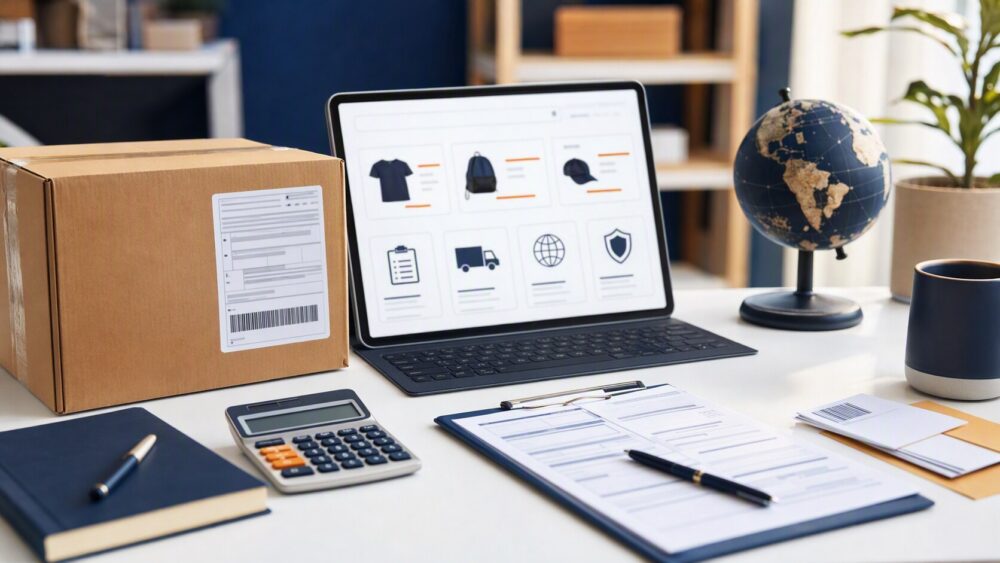
Quick answer: A DHgate order shipped from abroad may face customs duty, import tax, carrier collection charges, or other import-related costs that are not included in the checkout total. Check the ship-from location, selected shipping method, current listing details, and destination-country guidance before ordering. The final treatment depends on the shipment and the rules that apply when it enters the destination country.
Can a DHgate order face customs charges, and why isn’t checkout always the final cost?

Yes. DHgate orders shipped from abroad are imports, so customs taxes, tariffs, or other import fees may apply depending on the destination country and the shipment itself. The price you see at checkout is not always the landed cost.
DHgate’s own guidance says the item price and delivery cost do not include customs taxes unless the seller or shipping arrangement clearly states otherwise in the order details. That means the amount you pay on DHgate can be different from the amount your country may collect later.
For U.S. buyers and small-business readers, the practical takeaway is simple: treat the checkout total as the order total, not automatically the final import total. If you want a closer estimate of landed cost, you need to check the listing, the shipping method, and the destination-country rules before you buy.
What can make up the final import cost?
Different destinations use different names and rules, but an international order can involve more than one type of charge. The terms below are general descriptions, not a quote or a guarantee for a specific shipment.
- Customs duty or tariff: a charge that may apply based on the product category, declared customs value, origin, and destination-country rules.
- Import tax: a destination-country tax that may apply to imported goods, such as VAT, GST, sales tax, or a similar tax where applicable.
- Carrier or clearance charge: a fee that a carrier or customs broker may charge for handling customs clearance or collecting amounts due, where applicable.
- Order and shipping cost: the item price and shipping amount shown at checkout. These are not automatically the same as every possible import-related charge.
The exact amount, collection method, and whether any charge applies depend on the current rules for the destination, the product, the shipment, and the carrier. Check the current listing, checkout details, carrier information, and official guidance for your destination before ordering.
How do DHgate orders become imports?
When a DHgate seller ships from outside your country, the package enters your local customs process as an imported shipment. From there, the charges can depend on several documented factors:
- where the order was shipped from
- what type of item you bought
- the declared value
- the package weight
- the destination country’s rules
- the shipping method used
DHgate’s guidance also notes that different countries can apply different tax laws to different products. So a low-priced item is not automatically free of import charges, and a higher-priced item is not automatically charged the same way everywhere.
In some cases, customs-related fees are collected by the shipping company upon delivery. DHgate says that is often how these charges are handled, but the exact collection method should be confirmed in the order details or with the carrier.
If a seller ships from a U.S. warehouse or another domestic warehouse, the order may not face the same import customs charges as a cross-border shipment. The key point is to confirm the ship-from location in the listing or order record before assuming how customs will treat it.
Which DHgate order details should you inspect before you buy?
To estimate possible import fees, check the listing and order details carefully. The most useful fields are:
- ship-from location
- item description
- declared value
- shipping method
- any note about customs, duties, or import taxes
These details matter because they help you understand whether the order is likely to cross a border, how it may be classified, and what value may be used for customs review.
If the listing or seller message does not clearly answer these points, ask before you place the order. DHgate’s own guidance recommends checking with the seller or your local customs office when you need clarity on taxes, levies, or other fees.
After you order, use the order record and carrier tracking rather than guessing from the checkout page. Customs clearance or customs tracking status should be checked where the shipment is actually being tracked.
When should you expect customs fees, delays, or a domestic-shipping exception?
The safest expectation is that cross-border DHgate orders can involve extra costs or delays, even when the product price looks low.
Here is what DHgate’s grounding supports:
- customs taxes, tariffs, or import fees may apply to shipments from abroad
- the amount can vary by destination, item type, value, and weight
- the shipping company often collects customs-related fees on delivery
- customs clearance can add delays that may be outside the seller’s direct control; review the current order and carrier information if a shipment is held
- international trade may result in additional expenses or delays
- domestic warehouse shipments may not have the same import customs charges
What you should not assume:
- that checkout already includes every import charge
- that every country uses the same customs rules
- that the seller can always predict the final amount
- that a low item price means no customs review
If you are buying for a small business, build in a buffer for landed cost. If you are buying for personal use, check the likely import treatment before you place the order so the delivery does not surprise you with an extra payment request.
How do you verify import fees with DHgate, the seller, and your carrier?
Use a simple three-step workflow.
Before purchase
- Open the listing and confirm the ship-from location.
- Review the item description, declared value, and shipping method.
- Message the seller and ask whether any additional import taxes, levies, or customs fees may apply.
- If you need country-specific guidance, contact your local customs office or post office.
After purchase
- Check the order record for shipping details and tracking.
- Watch the carrier tracking for customs clearance or delivery collection updates.
- If a fee is requested on delivery, confirm the amount and the collecting party with the shipping company.
If the shipment is delayed
- Check the carrier tracking first.
- Review the order status in DHgate.
- If the package is held by customs, contact the carrier or your local customs office for the current status.
The main goal is to verify landed cost before you buy and verify clearance status after you buy. DHgate can help you see the order details, but customs treatment is determined by the destination country and the shipment itself.
Practical checklist: what to verify before and after ordering
| Checkpoint | What to look for | Why it matters |
|---|---|---|
| Ship-from location | Domestic warehouse vs. cross-border shipment | Domestic shipping may reduce or avoid import customs charges |
| Item description | Exact product type and any customs notes | Different products can be treated differently by customs |
| Declared value | Value shown on the order or shipping paperwork | Customs may use this in fee calculations |
| Shipping method | Carrier and service level | Fees are sometimes collected by the shipping company on delivery |
| Destination rules | Your country’s import tax guidance | Customs treatment varies by country |
| Tracking status | Customs clearance or delivery collection updates | Helps you see whether a fee or delay is tied to customs |
FAQ
Does DHgate checkout always include customs fees?
No. The item price and delivery cost shown at checkout are not automatically the same as every import-related charge. Check the order details and the current rules for your destination before ordering.
Can customs fees be collected at delivery?
They can be. Depending on the shipment and destination, a carrier may collect amounts due during delivery or as part of customs clearance. Confirm any request with the carrier and check the order record.
Why do some orders avoid import charges?
An order shipped from a domestic warehouse may not enter the destination country as a cross-border shipment. Other orders may receive different treatment under current local rules. Confirm the ship-from location and do not assume the same treatment for every order.
Who should I contact if I need country-specific guidance?
Check the current listing and seller information first, then contact the carrier, post office, customs authority, or a qualified adviser for destination-specific questions. They can provide more relevant guidance for the product and shipment than a general marketplace article.
Can customs clearance delay a shipment?
Yes. Clearance can add time, and the cause may depend on the shipment, carrier process, documentation, or destination-country review. Use carrier tracking and the current order record to check the status of a held shipment.
Next step
Before placing an international order, confirm the ship-from location, selected shipping method, product description, and checkout details. If potential import charges would change your decision, check current destination guidance and carrier information before paying.
Sources and further reading
- DHgate Blog — How Much Does It Cost to Import Clothes From China?
- DHgate Blog — How Much Is Customs Clearance Fee in China?
- DHgate Blog — Why Is Stuff on DHgate So Cheap?
- DHgate Blog — A Comprehensive Guide for Export Licensing in China
- DHgate Blog — How to Shop on DHgate
Note: Import rules, classification, taxes, duties, carrier procedures, item availability, shipping terms, and order outcomes can change. Always review the current information for your specific destination, product, shipment, and order before paying.
112 thoughts on “DHgate Customs, Tariffs and Import Fees Explained”
yxjhslhpxtwdwmfqlqoxtnlpoopini