
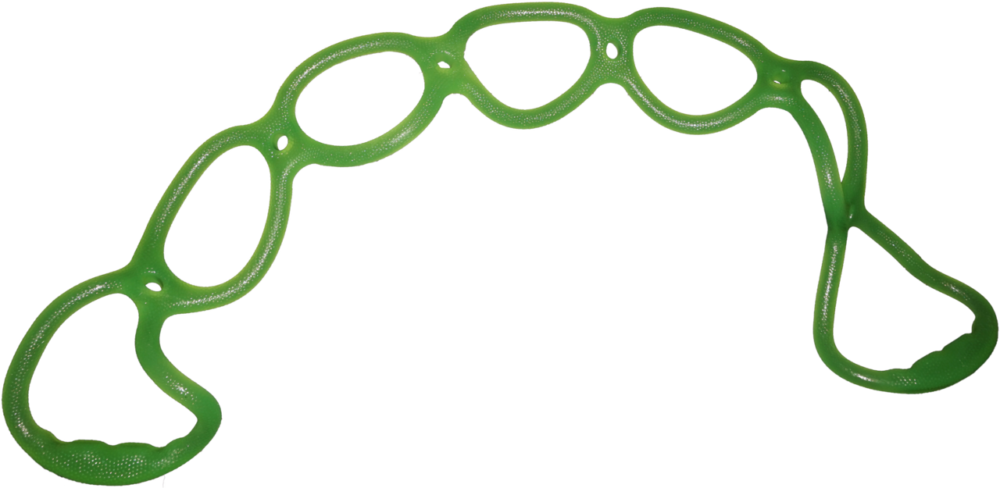
Buying resistance bands wholesale or with your logo can absolutely lower your per‑unit cost, but only if you model the whole bill. Product price is just one line; customization surcharges, packaging, freight, and duties can easily double what you thought you were paying. For many small US brands, generic cross‑border sets are cheapest on paper, while custom‑branded bands often make more sense from specialist factories or domestic suppliers once you factor in minimum order quantities (MOQs) and shipping.
Below is a cost‑first look at how resistance band wholesale and customization work, with real examples so you can decide where your budget actually goes.
What Wholesale and Custom Resistance Bands Really Cost
A realistic resistance band budget has five main components:
- Base product price – the cost of the bands themselves.
- Customization and packaging – logos, color schemes, printed guides, boxes, bags.
- Freight and handling – air vs ocean, express vs ground, local delivery.
- Duties and import fees – especially for cross‑border shipments.
- Payment and platform fees – marketplace commissions, payment processing.
On the product side, wholesale resistance bands can be quite cheap at scale. A manufacturer like Yanrefitness describes prices starting around $1 per piece or about $5 per set, with material (latex vs fabric vs TPE), band type (loops, tubes with handles, long power bands), and order size driving the final number. That’s a useful benchmark: if you’re being quoted dramatically higher for generic, unbranded bands at modest quantities, you’re probably paying for domestic warehousing or smaller MOQs.
Customization adds meaningful cost. Private‑label factories such as Keepufitness promote bulk orders with custom logos printed on latex bands. In practice, you’ll pay more for:
- Setting up your artwork and printing plates
- Multi‑color logos instead of single‑color
- Special color matching so your bands match your brand palette
- Custom packaging (gift boxes, branded mesh bags, inserts)
Then you layer freight on top. A US clinic buying BodySport bulk exercise bands in 25-50‑yard rolls is paying domestic ground shipping on heavy rolls. A US ecommerce seller importing 500 custom logo loop bands from overseas might see much cheaper ex‑factory unit pricing, but a big air‑freight bill and import duties that change the math entirely.
In short: the “$1 per band” story only holds if you buy enough quantity, keep customization simple, and choose a freight method that makes sense for your timeline.
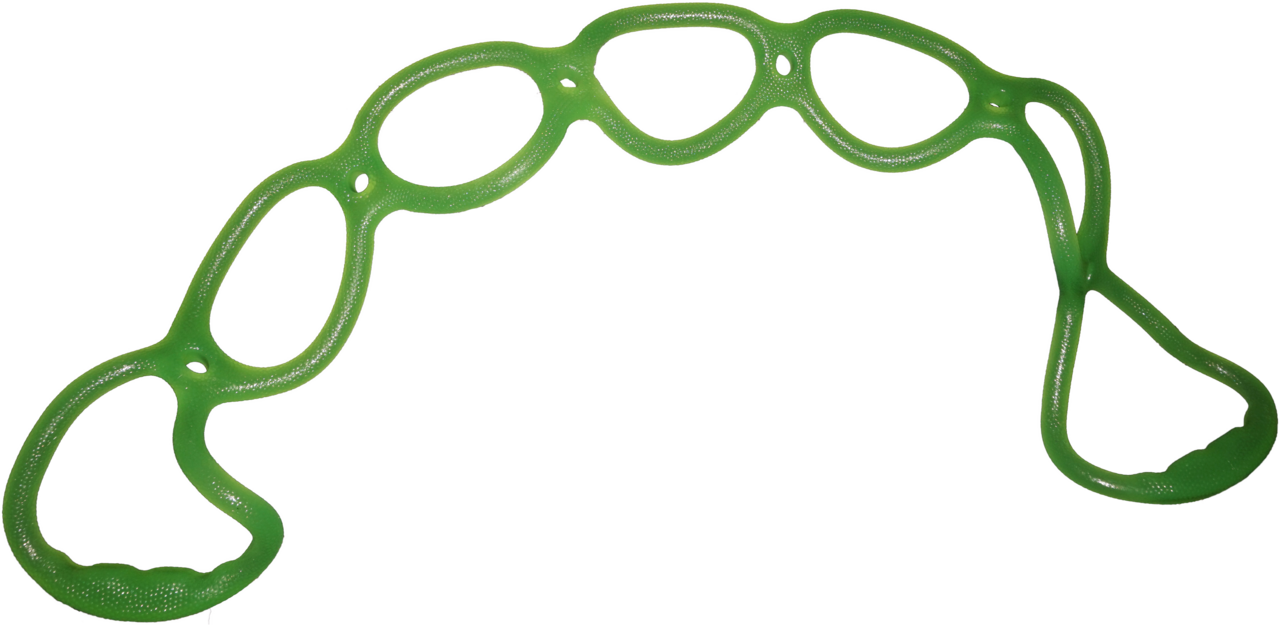
How MOQ, Customization and Shipping Choices Change Your Price
Most of your cost control comes down to four levers: MOQ, customization depth, material choice, and shipping mode. The right settings depend heavily on whether you’re a gym, clinic, or online retailer.
MOQ: Small vs large orders
Factories and cross‑border suppliers are built around MOQs. If you want generic bands with no logo, you can usually buy smaller lots at close to wholesale pricing because the supplier can sell the same SKU to many buyers.
If you want custom branding, MOQs jump. Private‑label factories like Keepufitness typically ask for bulk orders before they’ll set up logo printing. That pushes you toward:
- Higher up‑front spend
- Lower per‑unit cost if you can move the inventory
For a small ecommerce brand, ordering 300-500 sets with your logo may actually be cheaper per piece than buying 50 logo sets from a domestic promo company, even though the total invoice is larger.
Customization depth: Logo vs full brand system
Think of customization in tiers:
- Tier 1 – Logo only: Single‑color logo printed on an existing band color. Lowest cost jump over generic.
- Tier 2 – Logo + custom colors: Bands produced in your brand colors, often with tighter tolerances for matching. Medium cost jump.
- Tier 3 – Full kit: Branded bands, instructions, carry bag/box, maybe QR code cards. Highest cost, but much higher perceived value at retail.
Gyms handing bands out as membership perks may be fine at Tier 1. A DTC brand selling a $35 “home workout kit” probably needs Tier 2 or 3 to justify the price.
Material and format: Latex rolls vs fabric loops
Material isn’t just a feel preference; it affects your channel choice and cost:
- Latex rolls (25-50 yards) like the BodySport bulk rolls are ideal for clinics cutting custom lengths on the fly and less relevant for ecommerce sellers who need retail‑ready packs.
- Latex loop bands are the standard for low‑cost, multi‑pack sets. Most cross‑border factories have these dialed in at scale.
- Fabric booty bands cost more to produce but carry a premium look and higher sale price. They often show up in boutique wholesale selection on platforms like Faire, where US retailers source curated fitness accessories.
If your positioning is “budget but durable,” generic latex loops in a simple pouch will likely give you the best margin. If you’re selling a high‑touch wellness brand, fabric sets from a specialist manufacturer or boutique wholesaler can justify the price.
Shipping mode: Air vs ocean, domestic vs cross‑border
Heavy resistance bands magnify shipping choices:
- Domestic wholesale (US suppliers, Faire brands shipping from US warehouses) generally means predictable ground rates and no customs complexity, but a higher base price.
- Cross‑border air freight gets inventory to you fast but can erase savings on heavy orders under ~100-200 kg of bands.
- Cross‑border ocean freight lowers per‑unit shipping cost for large orders, at the price of long lead times and more complex logistics.
For a new ecommerce seller testing demand, small domestic orders or small cross‑border air shipments of generic sets make sense. Once you see steady volume, larger ocean shipments of custom‑branded bands become more attractive.
Choosing the Best Sourcing Channel and Cutting Your Landed Cost
You don’t need every channel; you need the one that fits your order size and branding plan. This table gives a practical snapshot:
| Sourcing channel | Best for | Branding options | Typical cost profile* |
|---|---|---|---|
| US bulk suppliers (e.g., BodySport) | Clinics, physical therapists, gyms needing rolls | Minimal (generic colors, no logo) | Higher per unit, low freight risk |
| Boutique wholesale (e.g., Faire) | Retailers, studios wanting curated brands | Supplier’s own brand, sometimes co‑brand | Medium–high per unit, domestic ship |
| Specialist factories (Keepufitness, Yanrefitness) | Brands wanting private‑label sets in volume | Deep customization, true private label | Low–medium per unit, higher MOQ |
| Cross‑border marketplaces (e.g., DHgate) | Testing generic sets, small lots, variety shopping | Mostly generic; some custom options | Low sticker price, variable landed cost |
\*Editorial judgment based on observed patterns; always model your own landed cost.
Where a marketplace like DHgate can fit
A cross‑border marketplace can be useful if your priority is low sticker price and variety, especially for generic sets.
On 2026-09-29, DHgate’s resistance band listings included, for example:
- A “Resistance Bands with Handles Home Gym Strength Training Set for Men Women 260424” lot listed around $13.77–$14.43 per set from supplier tonglian09 (listing).
- A “Resistance Bands Set for Men and Women, Pack of 5 Different Levels Elastic Band for Home Gym Long Exercise Workout” lot around $15.39–$16.12 from supplier dh2958055 (listing).
- A “Mini Resistance Bands Set of 3 Lower Body Strength Training Flexibility Portable Exercise Kit Workout Gear” lot around $18.75–$19.64 from supplier dh2958055 (listing).
There are also higher‑priced fabric and multi‑band sets in the $20–$57+ lot range. These snapshots show you can browse a wide price range for different formats, but they’re just that—snapshots. Listings, quantities per lot, and prices change, and you still need to estimate freight, import fees, and your realistic sell‑through.
For some buyers, a marketplace lot is a low‑commitment way to test demand. If you see traction, moving to a direct relationship with a specialist factory or comparing marketplaces via resources like this DHgate vs AliExpress vs Alibaba vs Temu overview can help you refine your sourcing.
Practical ways to cut landed cost safely
You don’t control factory economics, but you do control structure:
- Decide your real MOQ needs before negotiating. If your store can realistically move 300 fabric sets in six months, quote on that—not 50—so you unlock better per‑unit pricing.
- Choose one or two hero SKUs instead of a wide range. A single well‑designed 5‑band set with your logo and instructions will usually beat splitting volume across four different minor variants.
- Align material to your margin. Latex loops for budget, fabric for premium. Don’t pay fabric costs for a budget audience that won’t bear the higher retail price.
- Match freight to the phase of your business. Early testing: small domestic or cross‑border air. After validation: larger ocean shipments with longer lead times but much lower per‑unit freight.
- Model duties for cross‑border orders. You don’t need to be a customs expert, but a basic landed‑cost calculator and resources like this guide to customs, tariffs and import fees will keep surprise charges out of your budget.
If you’re leaning toward using DHgate or any marketplace as part of that strategy, pairing it with structured supplier checks and a clear total‑cost comparison against other options—see, for instance, how to find wholesale suppliers on DHgate—will help you decide whether the savings are real or just on paper.
The best resistance band deal isn’t the lowest unit price; it’s the combination of product format, customization, and channel that makes profit at your scale without stretching your risk tolerance.