
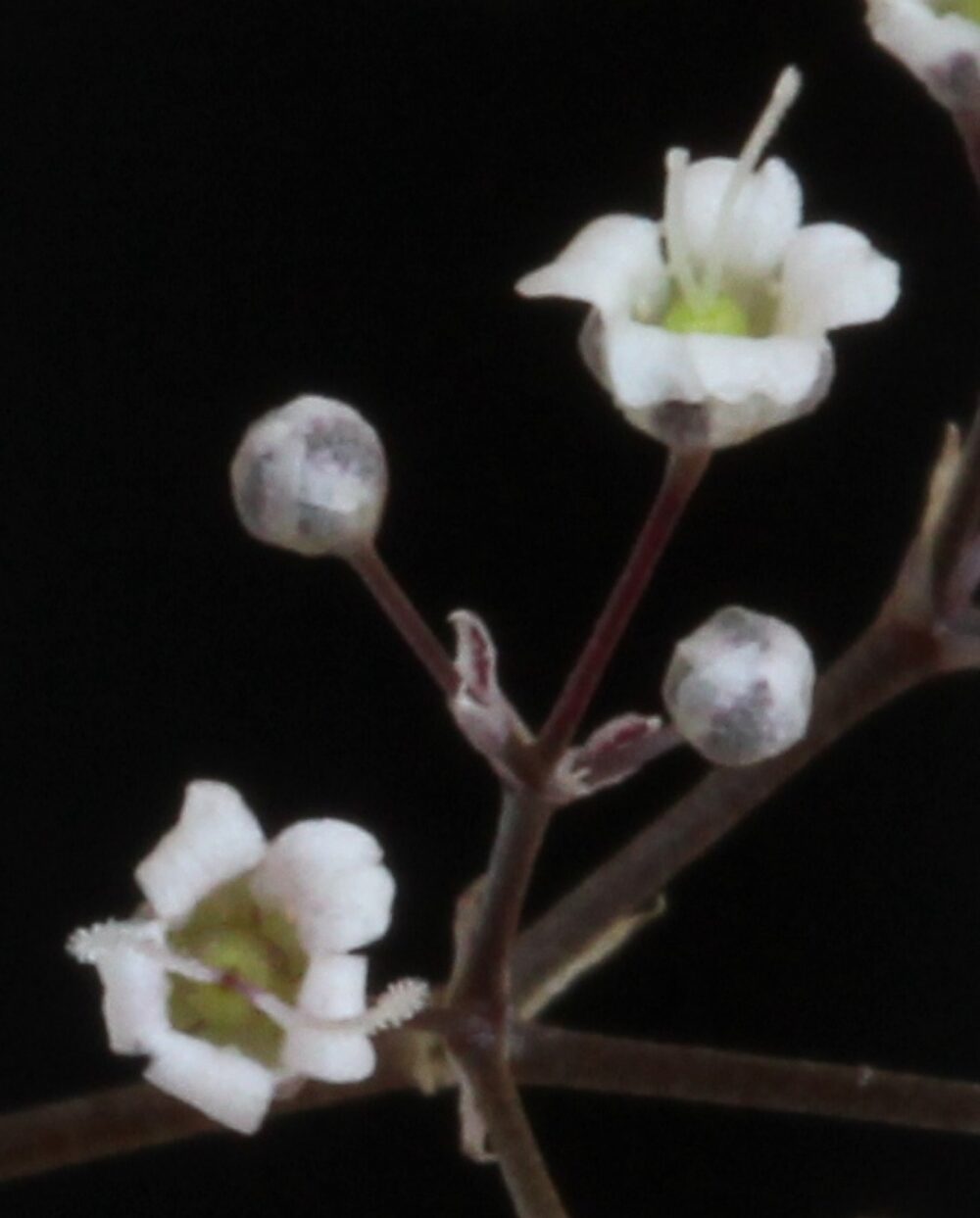
Bulk baby’s breath is usually cheapest when you treat it like what it is: a filler flower bought in volume, not as a few stems from a boutique florist. For US buyers, good value often comes from wholesale flower markets, farm‑direct or farmers’ markets, and membership clubs like Costco or Sam’s Club, with online wholesalers filling in where local options are limited. Cross‑border marketplaces can matter for dried or artificial versions at very high volumes, but once you add international shipping and import costs, they rarely win for a single wedding or small launch order.
Baby’s breath (Gypsophila) is widely considered a budget‑friendly decor flower for weddings and events. It offers a lot of volume per bunch and works in bouquets, centerpieces, garlands, and crowns, which makes bulk pricing especially attractive if you plan to DIY or resell arrangements. DHgate’s wedding decor content also highlights baby’s breath as one of the more affordable wedding flowers, especially as a filler alongside more expensive blooms, which supports using it as a core budget line item rather than a splurge.
You can see this budget‑friendly positioning in DHgate’s own editorial overview of wedding flowers, where baby’s breath is listed among cost‑saving options: Best flowers for wedding decor.
How Bulk Baby’s Breath Pricing Really Breaks Down
Think of bulk baby’s breath cost as a stack of line items, not just “price per bunch.” For most buyers, you’re paying for:
- The product itself
- Fresh stems: Sold by bunch or box. You pay more for long stems, tight timing to your event date, and specific colors (like tinted pink or blue).
- Dried/preserved stems: Often priced by bundle or stem count; more stable over time, but still influenced by color and quality of preservation.
- Artificial/silk stems: Priced per spray, bush, or case. As with other silk flowers, wholesale suppliers typically drop the unit price as your order size increases, especially for larger events or regular business supply. DHgate’s silk flower guide describes this general bulk discount pattern for artificial flowers: Wholesale silk flower suppliers.
- Shipping and handling
- For fresh baby’s breath, overnight or 2‑day temperature‑controlled shipping adds a noticeable premium, especially across long distances.
- For dried or artificial, you can use slower ground shipping without risking spoilage, which keeps cost lower per unit.
- Fees and overhead
- Sales tax for US orders where applicable.
- Possible membership fees if you’re relying on clubs like Costco or Sam’s.
- For cross‑border orders, potential customs duties, brokerage fees, and import taxes.
Because baby’s breath is a filler flower, bulk buying follows the same logic as bulk roses: buying in larger quantities is typically more cost‑effective than smaller, piecemeal orders. DHgate’s bulk rose guidance explains that larger orders usually improve unit economics, and this general principle applies to filler flowers too: Where to buy bulk roses.
What Makes Bulk Baby’s Breath Cheaper or More Expensive
Several concrete variables push your per‑stem price up or down.
1. Product type and quality level
Fresh baby’s breath from event‑focused wholesalers will cost more than supermarket bunches, but the stems are usually longer, fluffier, and more consistent. Dried and preserved stems sit in between: they may cost more per stem than the cheapest fresh, but they don’t require tight timing and can be stocked for resale.
Artificial baby’s breath behaves like other wholesale silk flowers: suppliers often offer bulk discounts, so your unit cost falls as you move from a small DIY order to a case or larger shipment. Higher‑end, more realistic stems cost more but can be reused, which changes the math for venues or ecommerce shops.
2. Minimum order quantity (MOQ)
- Local florists might let you buy a small armful of baby’s breath for one bouquet.
- Wholesale markets, farm‑direct suppliers, and online wholesalers commonly require boxes or multi‑bunch minimums.
- Artificial flower suppliers often incentivize full case orders.
As MOQ rises, unit cost usually drops—useful for weddings with dozens of arrangements or for sellers building inventory—but it’s overkill if you only need a few centerpieces.
3. Seasonality and event spikes
Baby’s breath is available much of the year, but wedding and prom seasons tighten supply. During peak months, growers and wholesalers prioritize bulk event orders; that can nudge prices higher or limit last‑minute deals.
If you’re flexible on date and design, booking outside those peaks or ordering slightly ahead (for dried or artificial) can ease pricing pressure.
4. Customization and finishes
The more specific your requirements, the higher your cost:
- Dyed colors and glitter finishes for fresh or dried stems.
- Pre‑made garlands, crowns, or bouquets instead of raw stems.
- Custom color mixes in artificial stems to match branding.
You’re paying for labor and waste on the supplier side, so pure white or standard shades in bulk will almost always be cheaper.
5. Shipping choices and distance
Shipping is where buyers quietly blow budgets. Fresh baby’s breath shipped overnight across the country can rival or exceed the flower cost. Slower ground shipping for dried or artificial may take days longer but often improves per‑stem economics.
If you’re a small ecommerce seller, aligning your product type with lower‑cost shipping (artificial or dried) often matters more than squeezing a little off the stem price.
Choosing the Best Channel for Your Budget (Local, Online, Cross‑Border)
You have several real channels for bulk baby’s breath. Each balances price with effort and risk.
Snapshot: Cost vs Effort Across Common Channels
This table uses editorial judgment plus DHgate’s bulk rose guidance on common flower channels to compare options: Bulk roses channel overview.
| Channel type | Typical product type | Cost profile (editorial) | Effort level (editorial) |
|---|---|---|---|
| Local florist / supplier | Fresh bunches, sometimes boxes | Mid to high per stem; good quality | Low; easy communication, local pickup |
| Farmers’ / farm markets | Fresh in bunches or buckets | Can be cheaper than typical retail | Medium; must visit, time‑bound |
| Wholesale flower market | Fresh boxes, larger quantities | Often competitive bulk pricing | Medium to high; early hours, pro focus |
| Membership club (Costco etc.) | Fresh boxes, mixed flowers | Discounted bulk pricing | Low to medium; membership needed |
| US online wholesalers | Fresh boxes, dried, some artificial | Varies; good for planned bulk orders | Medium; shipping coordination |
| Cross‑border marketplaces | Mostly dried or artificial products | Potentially lower at high volume | High; customs, shipping, MOQs |
Individual suppliers can be cheaper or more expensive than this pattern; use it as a starting point, not a guarantee.
Where local and domestic options shine
Bulk flower guidance for roses applies cleanly to baby’s breath. In many US cities, wholesale flower markets let you buy fresh flowers directly from growers or distributors, with competitive prices and a variety of filler flowers. They’re a strong fit if you’re decorating an entire venue and can handle early‑morning pickups.
Local florists and floral suppliers will often sell bulk baby’s breath for events. The per‑stem price may be higher than a wholesale market, but you gain local advice, pre‑conditioning of stems, and less risk around delivery.
Farm‑direct growers and farmers’ markets are underused for budget buyers. DHgate’s flower‑budget article notes that farmers often sell flowers in bulk, which can be cheaper than typical retail for bouquets and arrangements: Local farmers’ markets for bulk flowers. The tradeoff: you work with whatever they’re cutting that week and may have to be flexible on exact shades.
Membership wholesale clubs such as Costco or Sam’s Club can be effective for weddings. DHgate’s bulk rose guide lists these clubs as common options for discounted bulk flowers, and the same pattern can apply when you’re buying filler like baby’s breath in standard boxes.
US online wholesale flower retailers sit in the middle. They specialize in shipping bulk flowers nationwide, including fillers; they’re convenient if you don’t live near a flower market but do require planning around arrival date and hydrating the stems.
Where cross‑border marketplaces (including DHgate) fit
Cross‑border marketplaces are more relevant for:
- Artificial baby’s breath sprays or bushes.
- Dried or preserved stems that aren’t time‑critical.
DHgate, for example, is a large online marketplace that connects buyers with sellers worldwide and, as its editorial mini bouquet guide notes, hosts many sellers offering flower arrangements and mini bouquets: Mini flower bouquet overview.
For baby’s breath–style decor, that marketplace role is most useful when you are sourcing:
- Artificial filler to reuse across multiple events.
- Decorative mini bouquet components or mixed floral pieces.
Because marketplace listings vary, treat each seller as its own business rather than assuming uniform cost or quality. For cross‑border baby’s breath sourcing (especially dried or artificial), it’s also important to factor in customs and import costs; DHgateWiki’s dedicated customs guide can help you understand those components: Understand customs, tariffs and import fees.
If you’re ordering artificial baby’s breath or similar decorative product in bulk, you can compare major marketplaces and their trade‑offs using DHgateWiki’s marketplace comparison: Compare DHgate with AliExpress, Alibaba and Temu.
A Quick Event Scenario: Bulk Baby’s Breath for a Wedding
Use this as a budgeting sketch, not fixed math.
Imagine a mid‑size US wedding with:
- 6-8 bridal party bouquets heavy on baby’s breath.
- 15-20 centerpieces featuring it as the main filler.
- A few garlands or aisle decorations.
You might reasonably need multiple boxes or a large cluster of bunches of fresh baby’s breath from a wholesale‑leaning channel.
- Local florist / supplier: You pay more per stem, but they condition flowers, suggest realistic quantities, and may handle arrangements. Good if you value service over rock‑bottom cost.
- Membership club: You buy standard boxes of baby’s breath and roses and DIY everything. Stem price is lower, but you must allocate time and space to process flowers.
- Farmers’ market / grower: Potential savings if your date aligns with their harvest, but you may get mixed varieties or slightly uneven quality.
- US online wholesaler: Similar bulk value to clubs or markets, with the convenience of home delivery if you plan for arrival a day or two before the event.
For dried or artificial decor (e.g., photo backdrop, keepsake arrangements), the calculus flips: cross‑border bulk artificial may make more sense because reuse helps amortize cost and shipping.
Short Checklist Before You Place a Bulk or Cross‑Border Order
Use this to sanity‑check total cost and fit.
- Clarify your product type: Fresh, dried, or artificial—and how long it needs to last.
- Estimate quantity by use case, not just “X boxes”: bouquets, centerpieces, garlands, plus a buffer for breakage.
- Confirm MOQ and bulk pricing tiers: Ask how per‑unit cost changes if you move up or down a box size or case size.
- Map shipping to product type: Fresh usually needs faster, more expensive shipping; dried/artificial can ship cheaper.
- Check timing and seasonality: Is your date in a wedding/prom spike? Order earlier and confirm availability.
- For cross‑border orders, add customs/import fees to your spreadsheet and decide if the landed cost still beats domestic options.
If you’re leaning toward cross‑border marketplaces for artificial or decorative product, DHgateWiki offers guidance on vetting marketplace sellers and structuring bulk conversations: Find wholesale suppliers on DHgate.
Ultimately, bulk baby’s breath is one of the more forgiving floral line items in a budget. The biggest savings usually come not from chasing the absolute lowest stem price, but from choosing the channel that matches your volume, timing, and willingness to DIY—and avoiding surprise costs in shipping and imports.