
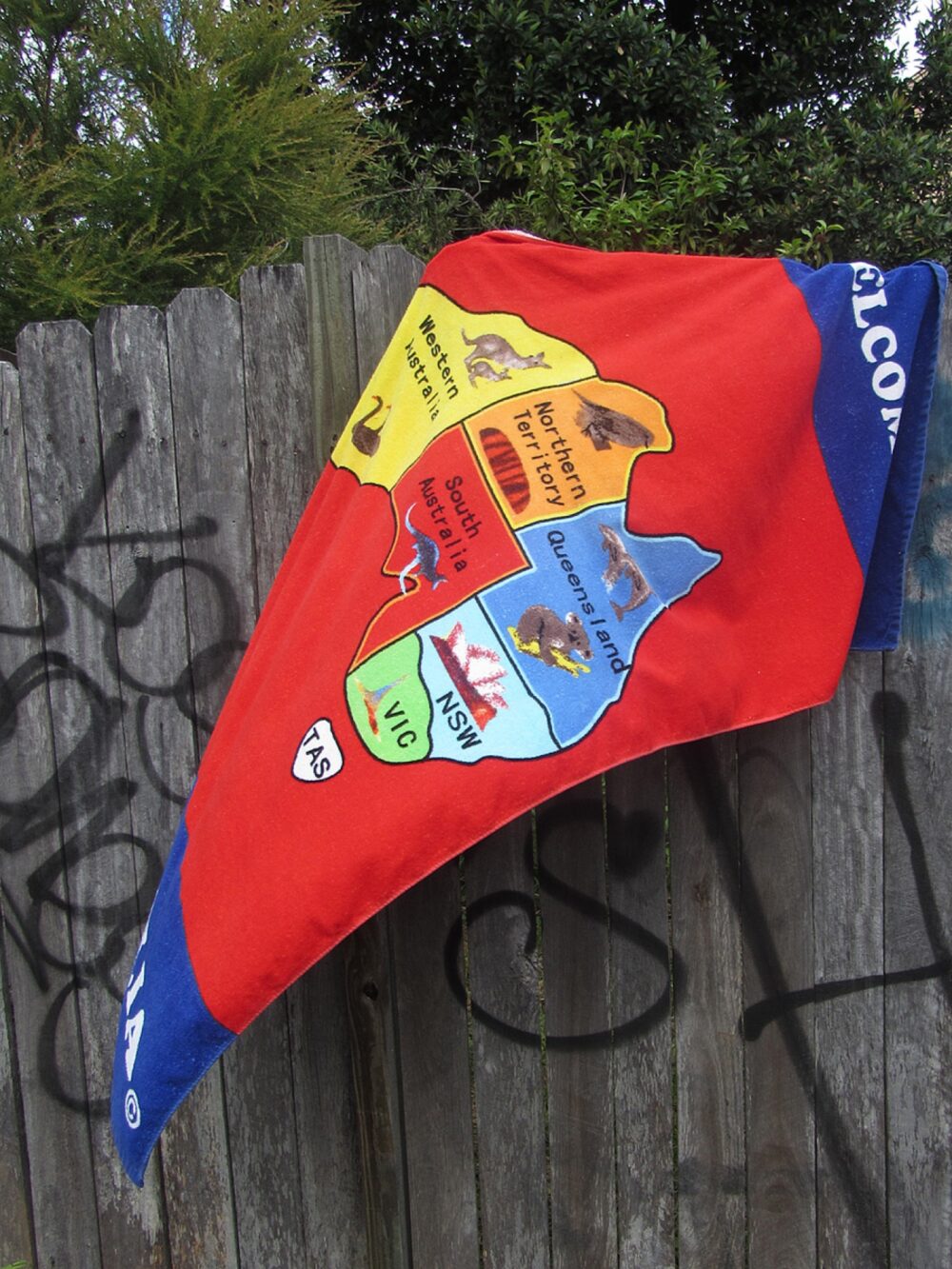
You can absolutely buy bulk beach towels at a low price for events, but “affordable” has more moving parts than the unit price you see on a product page. For a US event, your real cost is shaped by towel material and thickness, any logo or print work, how many you order, and whether you buy from domestic wholesalers or cross‑border marketplaces. For most conferences, beach parties, or resort promotions, you’ll get the best value by picking a simple, mid‑weight towel from a wholesale source and keeping customization light.
Below, we translate those choices into per‑towel math and show where you can safely trim costs without handing guests a scratchy rag.
What Makes a Beach Towel “Affordable” for Events?
For events, affordability is about total event spend and guest experience, not just the cheapest line item. You’re weighing three questions:
- How much does each towel really cost you? (product + printing + shipping + fees)
- How good does it need to feel in the hand? (absorbency, softness, size)
- What happens after the event? (keepsake vs disposable feel)
Here’s how the cost stack usually looks:
- Base towel cost. US event‑oriented retailers, like Oriental Trading’s wedding and favor lineup, and wholesale sites such as Bulk Linen Supply’s promotional beach towels sell towels in multi‑piece packs with clearly tiered bulk pricing. That range runs from low‑budget promotional quality up to softer, thicker options.
- Customization costs. If you add a logo or event artwork, you’re paying for setup plus per‑towel printing or embroidery. A custom specialist like Beachdaze Towel Co. promotes custom round beach towels with wholesale pricing and relatively low minimums, which is helpful for smaller events but still adds a design premium.
- Shipping and handling. Domestic wholesalers often ship within the US using standard carriers; you’ll usually see flat-rate or weight‑based tables. For cross‑border orders, you add longer transit, potential customs clearance, and higher risk if timelines slip.
- Duties, taxes, and fees. For US buyers importing towels, tariffs and import fees can turn a seemingly cheap unit price into a mid‑tier cost. If you ever go that route, it’s worth reading an explainer like Understand customs, tariffs and import fees before committing.
For a simple scenario: buying 200 basic promotional towels with no print from a US wholesaler might keep your per‑towel cost near the catalog price plus standard ground shipping. Adding a large, multi‑color logo and rush shipping can push the total event cost up by 30-50% even if the base towel is “cheap.”
Price Drivers: Material, Customization, and Order Size Tradeoffs
If you’re trying to keep beach towels affordable, these are the levers you actually control.
Fabric and thickness
- Basic cotton terry. This is the standard promo towel: reasonably absorbent, familiar feel, but often thinner. Wholesale sites like Bulk Linen Supply explicitly market soft, absorbent promotional towels for events and giveaways; that’s the quality tier most budget buyers start with.
- Microfiber. Lightweight, quick‑dry, and often marketed as “sand‑free” on marketplaces and wholesale platforms. It packs small for travel events and sports, but some guests prefer the feel of cotton.
- Upgraded styles (Turkish, bamboo, plush). Platforms aimed at retailers, such as Faire’s beach towel category, showcase Turkish and other specialty towels. These look and feel premium but usually sit above the tight budget tier.
For an event where towels are one of many giveaways, you gain more by choosing a mid‑weight cotton or microfiber towel that feels decent and dries reasonably well than by paying for luxury fiber names.
Customization: print vs. embroidery
Beachdaze’s wholesale page shows how custom beach towels can be positioned for promoting a destination or brand with relatively low minimums. That custom focus illustrates the tradeoff:
- Screen or digital printing is cheaper per towel for bold, flat graphics and large runs, but the ink layer can affect softness slightly.
- Embroidery looks upscale and holds up well but is usually priced per stitch area, making large logos expensive.
For most budget events, a single‑color, medium‑size printed logo strikes the best balance: strong branding at a manageable cost. Small retailers thinking resale might justify more elaborate prints if towels are a core product, not a one‑off promo.
MOQ and event size
Minimum order quantities (MOQs) can quietly wreck a budget if your headcount is low. Custom shops like Beachdaze emphasize lower wholesale minimums starting around a few dozen pieces, which works well for boutique retreats or corporate offsites.
As a rule of thumb:
- Under 100 guests: Favor suppliers with low MOQs, even if the unit cost is slightly higher.
- 100-500 guests: Bulk‑oriented promo suppliers are usually the sweet spot; you’ll unlock better tiers without drowning in leftover stock.
- 500+ guests: You can start negotiating specs (weight, size, print) because your volume is meaningful to most wholesalers.
Choosing the Right Sourcing Channel and Cutting Costs Safely
Once you know your spec, you still need the right channel. Each option has its own cost profile and risk.
Common channels for affordable event towels
Here’s a simple comparison for US buyers:
| Channel type | Typical use case | Cost profile (editorial view) | Notable tradeoff |
|---|---|---|---|
| US event/promo retailers | Weddings, corporate beach days, favors | Clear bulk discounts, mid‑range quality | Less flexible on specs, designs |
| Domestic wholesalers | Resorts, camps, gyms, resale | Good unit cost at moderate MOQs | You manage branding separately |
| Custom towel specialists | Branded campaigns, boutique retail | Higher due to design + small MOQs | Stronger brand impact per towel |
| B2B marketplaces (cross‑border) | Large orders, price‑sensitive buyers | Potentially lower ex‑factory pricing | More variables: import, lead time |
Examples:
- Event‑oriented retailers such as Oriental Trading’s wedding beach towels package towels specifically as favors, often pairing simple designs with visible volume discounts.
- Domestic wholesalers like Direct Textile Store position affordable beach and pool towels for events, promotional use, or resale; this suits camps, hotels, or small ecommerce brands that need consistent replenishment.
- Custom brands such as Beachdaze Towel Co. focus on unique shapes and artwork, accepting that buyers will pay more to get a distinctive product.
- Wholesale marketplaces like Faire aggregate many towel types for US retailers, often with MOQs geared toward small stores.
Where DHgate might fit
Cross‑border marketplaces can be relevant if your priority is a low ex‑factory price and you’re comfortable managing import details. DHgate, for example, is described in its own editorial content as a China‑based international B2B marketplace connecting global buyers with China manufacturers and suppliers, with millions of listings and wholesale‑oriented pricing on products including towels.
For a US buyer, DHgate could make sense if:
- You’re ordering a large quantity of relatively simple towels (e.g., basic microfiber beach towels for a recurring event).
- You have time to handle customs and import fees and can live with transit variability.
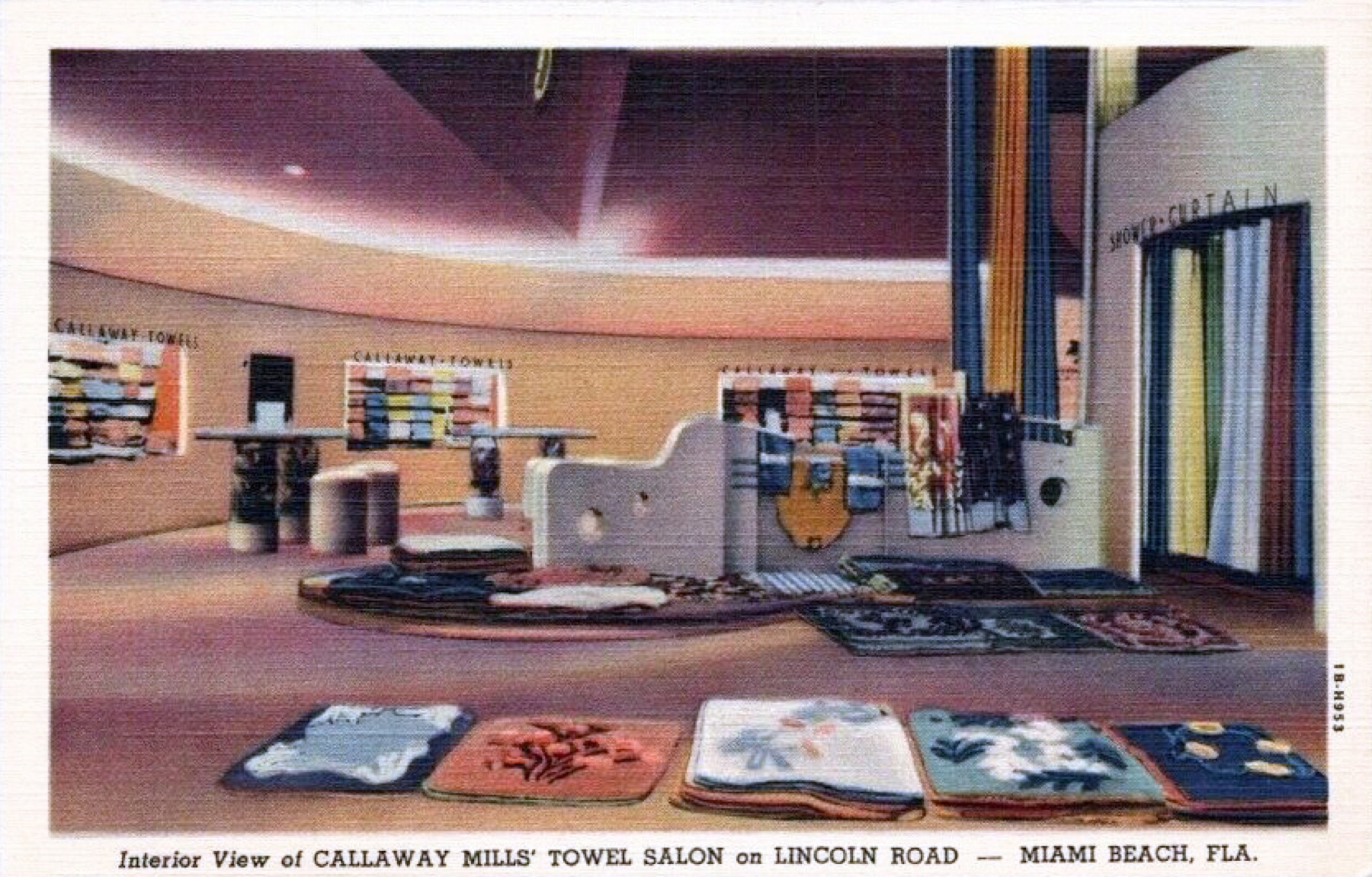
Practical Ways to Keep Your Towel Budget Under Control
You can shave real dollars off an event budget without handing out flimsy towels. Focus on these moves:
- Lock specs before shopping. Decide your minimum acceptable size, material (cotton vs microfiber), and weight. This keeps you from upselling yourself while browsing.
- Choose one strong design, not many variants. Multiple colors or prints look great but complicate production and can raise per‑unit costs. One bold, on‑brand design usually stretches your budget further.
- Time purchases outside peak season. If your event isn’t locked to midsummer, off‑season ordering can widen your supplier options and reduce stock risk.
- Bundle with other textiles. If you also need pool towels, bath towels, or blankets, asking a wholesaler like Direct Textile Store or Bulk Linen Supply to quote a combined order can improve overall pricing.
- Match channel to event size. Small private events often do best with custom specialists offering low MOQs; large public events often save more through promo‑focused wholesalers or marketplaces.
For a US beach event targeting “affordable but decent,” a simple plan is: domestic promotional-grade cotton or microfiber towels, one printed logo, ordered 8-10 weeks ahead from a bulk supplier. Only if your volumes are high and timelines flexible does cross‑border sourcing start to make financial sense.