
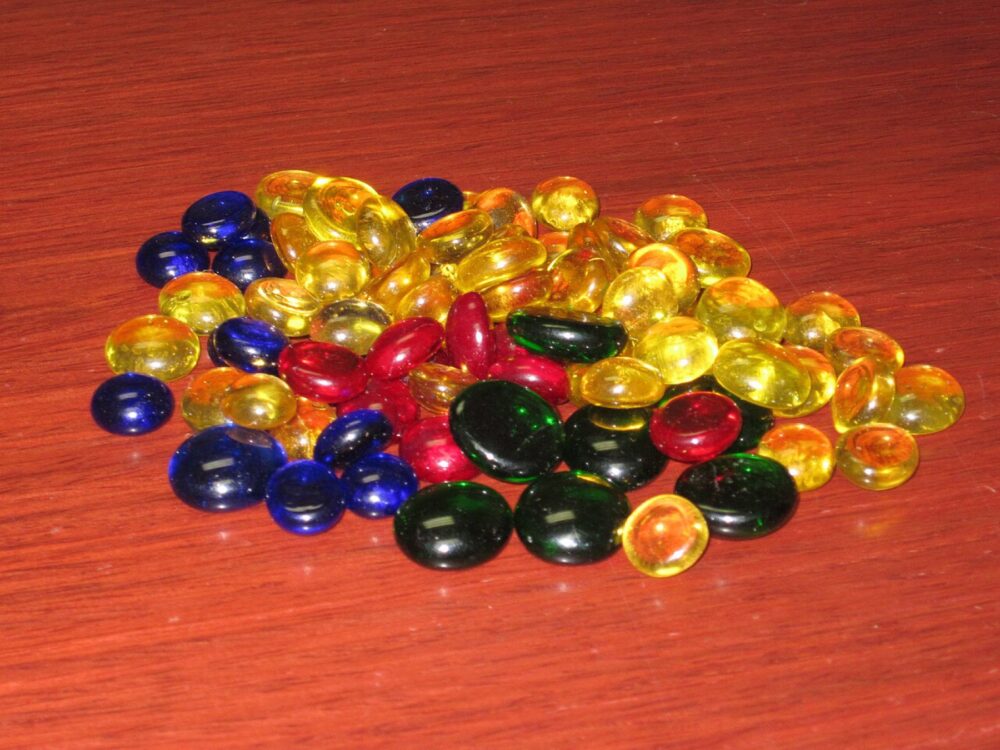
Below, we walk through what drives your real cost on DHgate, how different listing styles change pricing, how that compares with typical Australian options, and specific scenarios where DHgate usually wins or loses on budget.
What Actually Makes Up Your DHgate Glass Bead Cost
Your real cost to source glass beads from DHgate into Australia has four main components:
- Product price in USD
Current DHgate glass‑bead listings show bulk and kits roughly between US$11 and US$89 depending on quantity and bead type (snapshot taken 2026-09-29). Examples:
- 600pcs mixed crystal glass beads – about US$12.77-13.37 for a bulk assortment (600pcs mixed crystal glass beads).
- 1200pcs 8mm round glass beads, 24 colors, 2 boxes – around US$85.08-89.11 for a large kit with storage (1200pcs 8mm round glass beads, 24 colors).
- 1400pcs 6mm round glass beads, 28 colors – roughly US$26.54-27.79 for a multi‑color bulk kit (1400pcs 6mm round glass beads, 28 colors).
- 8mm multicolor glass beads wholesale material – around US$11.39-12.30 (8mm multicolor glass beads wholesale).
These are snapshots, not fixed site‑wide averages; prices change by seller, quantity, and time.
Shipping cost varies by seller, method and weight. For budget decisions you mainly care about:
- Duties, GST and customs handling
- Treat beads as imported craft/jewelry components and check their customs classification and duty rate with Australian authorities.
- DHgate’s duty‑paid editorial notes that order breakdowns may reflect relevant taxes and tariffs, but you should still confirm classification and any exemptions with local customs: see Dhgate Duty Paid Fee Calculation.
- Confirm whether DHgate is estimating taxes at checkout or if you’ll pay them to the carrier or customs later.
For broader context on Australian import logic, DHgateWiki’s customs, tariffs and import fees explained gives general guidance you can adapt to beads.
- Payment and currency conversion costs
DHgate’s payment‑process editorial recommends buyers carefully review quantities, variations, discounts, and payment details before confirming (see Dhgate Payment Process). For your budget, the main impacts are:
- Your card or payment provider’s FX spread when converting AUD to USD.
- Any international transaction fee.
These don’t show in the DHgate subtotal but still affect your actual cost.
Put together, your landed bead cost is:
+ Australian duties + GST + card/FX fees
÷ number of beads
That per‑bead number is the one that matters when you compare DHgate with local sources.
How DHgate Listing Choices Change Your Bead Price Per Unit
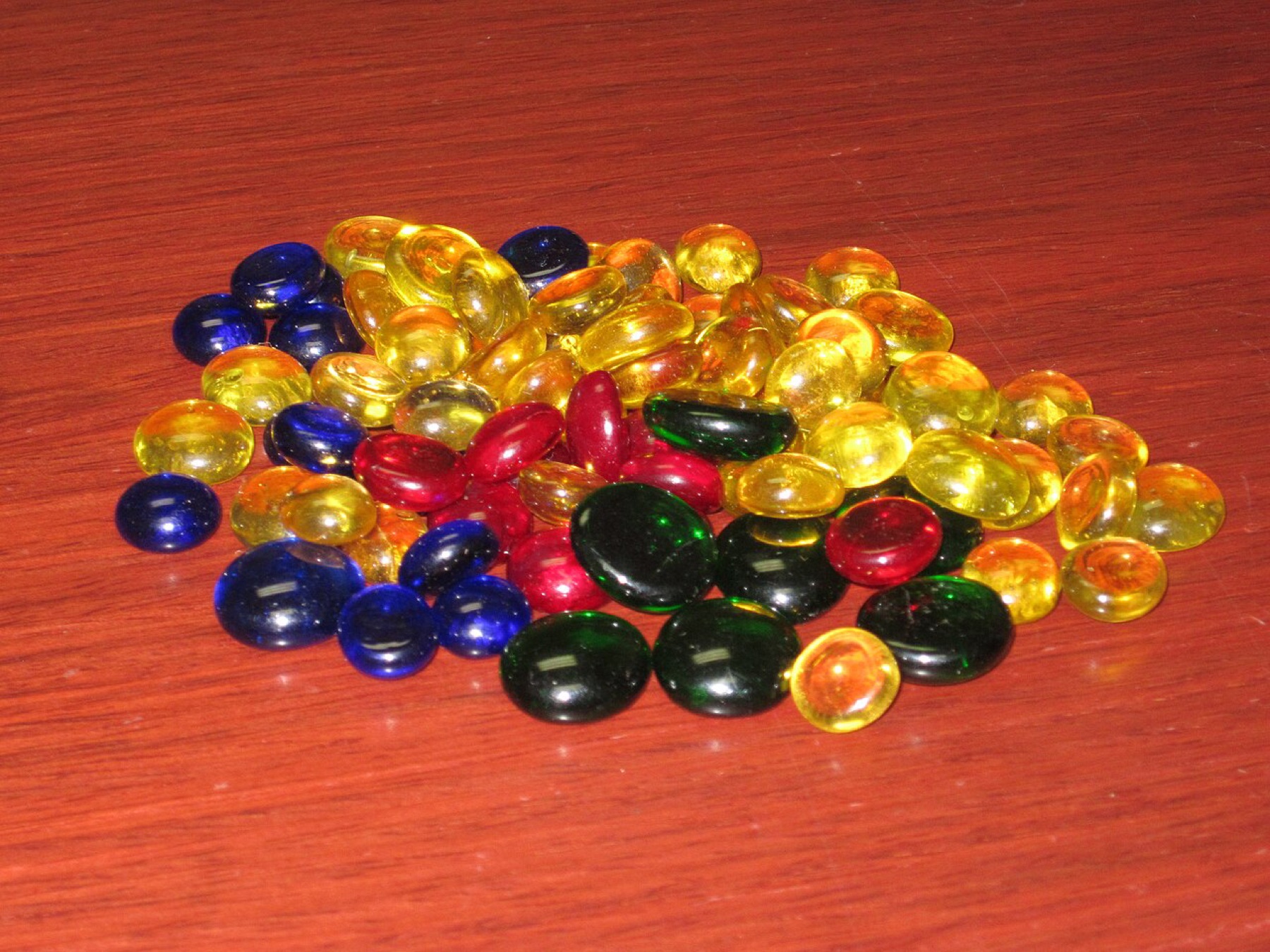
DHgate glass bead listings are structured in different ways: mixed‑color kits, small packs, weight‑based loose beads, and specialized shapes. Those choices dramatically change your per‑bead cost.
Here’s how example listings looked on 2026-09-29:
| Listing type (example) | Approx. price range (USD) | Quantity style | Per‑bead pattern |
|---|---|---|---|
| 600pcs mixed crystal glass beads (1091014703) | 12.77-13.37 | Fixed 600‑piece assortment | Low per‑bead cost, limited control over exact colors/styles |
| 1400pcs 6mm round glass beads, 28 colors kit (1103603520) | 26.54-27.79 | Large mixed kit | Very low per‑bead cost, good for volume and variety |
| 1200pcs 8mm round glass beads, 24 colors + boxes (1103664351) | 85.08-89.11 | Large kit + storage | Higher per‑bead due to bigger size + packaging value |
| Glass mixed cone/jade spacer beads, ~100pcs (1103125164) | 20.06-21.00 | Smaller pack, specialized shape | Noticeably higher per‑bead, paid for specificity |
| 8mm multicolor glass beads wholesale (1075925973) | 11.39-12.30 | Mixed beads, quantity noted in listing | Typically low per‑bead, but check the exact bead count |
| Mini no‑hole water‑bubble beads, 16 colors (1069341293) | 18.10-18.56 | Small decorative beads, no hole | Higher effective per unit, niche use |
A few clear patterns for your budget:
- Large mixed kits push per‑bead cost down. When you jump from ~600 beads to ~1200-1400 beads, as in the 24‑ or 28‑color kits, the USD price climbs, but not proportionally. Your per‑bead cost often drops sharply.
- Storage and packaging are baked into the price. Kits that include compartment boxes or more elaborate packaging, like the 1200pcs set with 2 plastic boxes, sit higher on the price spectrum. That may be a good deal if you value organized inventory; it’s wasteful if you already have storage.
- Small packs and specialty beads cost more per bead. Comparing the ~1400pcs mixed‑color kit to a ~100‑piece pack of mixed cone/jade spacer beads, the smaller, more specialized product is much more expensive per unit. This pattern also appears in other small‑pack listings.
- Mixed‑color assortments trade control for value. DHgate has multiple kits where you get many colors and styles in one purchase. You save time and per‑bead cost, but you lose the ability to tune exact counts of individual colors. That matters if your business runs repeatable, color‑specific designs.
Quick per‑bead example for context
Using only the example price ranges (no shipping/tax, 2026-09-29):
- 1400pcs kit at about US$27 → roughly US$0.019 per bead.
- 100pcs cone/jade beads at about US$21 → roughly US$0.21 per bead.
Before any order-specific logistics or import costs, the specialized small pack is about 10× the per-bead price of the large kit in this dated snapshot. Recalculate the comparison from the actual checkout totals; additional charges could change the gap in either direction.
For Australian buyers, this means DHgate is structurally better suited to volume and mixed assortments than to tiny, specific refills.
How DHgate’s Cost Pattern Compares With Other Channels
You’re deciding between DHgate and realistic alternatives: local bead shops, Australian wholesalers, or other marketplaces.
Without claiming exact prices for those channels, the patterns usually look like this:
What sets DHgate apart for beads is the particular mix of kits and assortments you can find at the moment and how those translate into per‑bead cost. The decision still comes down to:
- Your order size (small project vs ongoing inventory).
- Your tolerance for mixed colors vs precise control.
- Your willingness to handle cross‑border importing for incremental savings.
For a broader marketplace lens, DHgateWiki’s comparison of DHgate with AliExpress, Alibaba and Temu explains how DHgate fits into that wider landscape.
Cost Optimisation Tactics When Using DHgate
If DHgate looks relevant for your bead sourcing, you can tilt the numbers further in your favour with a few practical tactics:
- Favor large mixed kits when your designs allow it
When you can work with assorted colors, 1200-1400 piece kits (like 1400pcs 6mm round glass beads, 28 colors) usually deliver much lower per‑bead cost than 100-200 piece specialty packs.
- Avoid overpaying for storage you don’t need
Kits with plastic boxes (such as 1200pcs 8mm round glass beads, 24 colors) bundle organisation into the price. If you already have storage systems, you might get a lower landed per‑bead cost by choosing similar bead quantities without fancy packaging.
- Use DHgate only for beads where cross‑border savings are meaningful
- Check quantities and variations carefully before payment
Follow DHgate’s own editorial advice: confirm quantities, colors and variations in your cart match your plan, and that discounts are applied correctly (see Dhgate Payment Process). Mistakes here can turn a good per‑bead cost into accidental overspending.
When DHgate Is the Budget‑Smart Source for Glass Beads
DHgate’s editorial positioning is that connecting buyers directly with suppliers helps deliver highly competitive prices on beaded products (see DHgate blog on beaded beach necklaces). The glass bead listings above broadly support that idea, but only in certain scenarios for Australian buyers.
DHgate tends to make budget sense when:
- You value variety more than precise colour planning. Mixed‑color assortments are ideal if you design one‑off pieces and don’t need strict colour repeatability; you pay less per bead and spend less time sourcing individual colours.
- You’re comfortable with cross‑border importing and currency management. Businesses already dealing in USD pricing and import paperwork can absorb the extra friction more easily, making DHgate’s per‑bead savings more worthwhile.
DHgate is often not the best‑value source when:
- You require tight control over colour and batch consistency. If your designs depend on repeat orders in identical shades, mixed assortments can create waste and re‑ordering complexity that offset any per‑bead savings.
How to decide quickly for your use case
For a practical budget check as an Australian buyer:
- Pick 1-2 DHgate listings that match your needs: for example, a 1400pcs mixed kit and a smaller, specific pack like the 100pcs cone/jade beads.
- Add them to your cart and note: product price in USD, shipping to your Australian address, and any estimated taxes shown.
- Convert the full order total to AUD, including any GST/duty you expect to pay in Australia, using your bank’s or card’s FX rate (not just a mid‑market Google rate). Divide by the bead count for a per‑bead landed cost.
- Compare with at least one local or alternative channel — a bulk kit from an Australian supplier, or equivalent beads from another marketplace — using the same per‑bead, landed‑cost logic.
If DHgate’s landed per‑bead cost is clearly lower for the quantity and flexibility you need, and the import effort is acceptable, then DHgate is likely a budget‑smart source for your glass beads. If not, you’re better off sourcing locally or through other platforms.
To go further on wholesale patterns, DHgateWiki’s guide to finding wholesale suppliers on DHgate can help you scale this cost logic beyond beads.