
You get the best deal on wholesale mini fans and promotional fans by matching the fan type to the right channel and then managing total landed cost — product price plus customization, shipping, and any import charges.
For simple paper or plastic hand fans with a logo, promo-specialty suppliers often make more sense even if the per-unit price is higher, because design support and predictable delivery are built in. For generic electric handheld fans you’ll resell or bundle into gift sets, direct-from-China manufacturers and cross-border marketplaces can be cheaper on a per-fan basis, especially if you’re ordering unbranded units.
What Drives the Real Cost of Wholesale Mini and Promotional Fans?
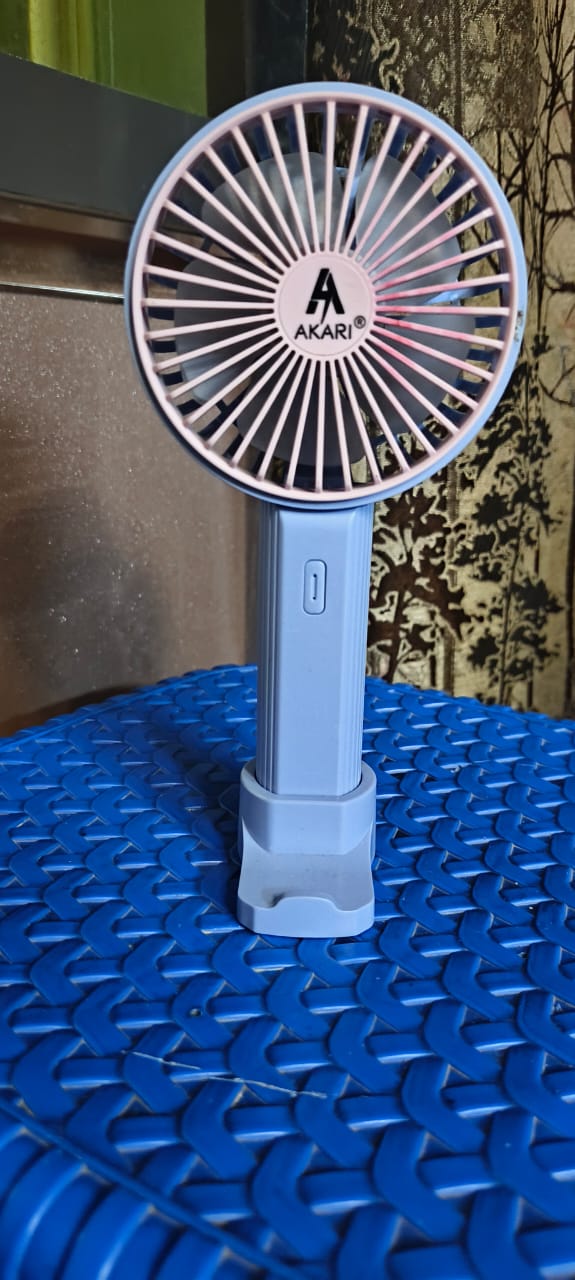
Wholesale mini and promo fans are compact cooling devices — either electric handheld fans or non-electric hand fans — often customized with a logo or message and used as giveaways or branded merch at events and trade shows.ArtPromos’ mini fan listings show this mix of practical cooling and branding.
Your true cost per fan is shaped by five main components:
- Base product type and features
- Electric mini fans: rechargeable or battery-powered, sometimes with extras like LED lights, digital displays, or neck-hanging designs. More parts and electronics mean a higher base price.
- Non-electric hand fans: cardboard, plastic, or fabric fans with a handle. Much simpler construction, so the product itself is usually cheaper before printing.
- Customization and printing
- Printing a logo or full-color artwork on a cardboard or plastic fan adds design, setup, and print costs. Promo-focused sites like 4imprint’s hand fan category position these fans explicitly as printed event tools, often bundling artwork prep in the price.
- Electric mini fans can also be branded, but the printable area is smaller and often limited to a pad print or sticker, which can change the cost structure.
- Shipping and packaging
- Mini electric fans are bulkier and heavier per unit than flat hand fans, which pushes up freight costs, especially for air shipping from Asia.
- Flat hand fans stack densely, so you can fit more units per carton and per pallet, which generally lowers shipping cost per fan.
- Duties, taxes, and import fees
If you’re importing electric fans from overseas, you may face U.S. customs duties based on product classification, plus brokerage and handling fees. Those charges can easily add cents or more per unit on small orders. For a deeper look at how these fees work, read Understand customs, tariffs and import fees.
- Payment and platform fees
Cross-border purchases via card or certain wallets can include currency conversion spreads or foreign transaction fees from your bank. Some platforms or intermediaries may also charge service fees that effectively raise your per-unit cost.
A quick way to sanity-check your budget: calculate landed cost per fan as:
(Total invoice for fans + customization + shipping + import & payment fees) ÷ number of fans
Then compare that figure across channels and fan types instead of just chasing the lowest product price.
How MOQ, Custom Printing, and Seasonality Shift Your Price Per Fan

Minimum order quantity (MOQ), branding, and timing often matter more than the headline unit price.
MOQ and scale effects Promo suppliers often structure pricing in tiers. A small logo run of 100-250 cardboard hand fans may carry a noticeably higher unit price than a 1,000+ unit order, because design and setup costs are spread over more pieces. Manufacturer-level suppliers of rechargeable mini fans — like the kind highlighted on MiniFan Supply — typically expect substantial MOQs, which can lower the base price but lock you into higher upfront spend.
Custom printing vs generic stock
- If you just need functional cooling (say, resale on your ecommerce store), buying generic mini fans without printing usually keeps cost down. Multiple suppliers in China offer rechargeable fans where you pay only for the hardware, not for artwork or licensing.
- For events, printed paper or plastic hand fans can actually be the more cost-efficient choice per impression. Promo-specialty vendors and dedicated fan producers such as HandFans Direct advertise free design services and fast production for custom fans. Those services are baked into the per-unit price, but they save you the cost of hiring a designer separately.
Seasonality and timing Fan demand spikes ahead of summer festivals, outdoor weddings, and sports seasons. If you place orders right before peak months, you’re competing for production slots and freight, which can affect both pricing and lead times. Off-season ordering — for example, locking in your mini fan inventory in late winter — can give you more room to negotiate on both product and shipping.
Budget snapshot: 500-event fans vs 50-test units
- 500 custom cardboard hand fans for a summer event: Higher nominal unit price than a generic mini fan, but your cost includes design, print, and the fact that they’re light to ship. The cents you save on freight per unit can offset part of the printing premium, and every attendee sees your full-color branding.
- 50 rechargeable mini fans for ecommerce testing: You avoid big MOQs and high design costs by skipping printing and ordering generic stock from a marketplace or small manufacturer. Your landed cost per unit will be higher than on a 500-unit run, but you’re risking far less capital while you test demand and reviews.
Where Each Sourcing Channel Makes Sense — and How to Cut Landed Cost
You’ll usually choose between promo-specialty suppliers, general marketplaces, direct manufacturers, and cross-border platforms. Each has a different strength for mini vs hand fans.
Here’s a compact comparison:
| Channel type | Best for fan type | Typical strengths (editorial judgment) | Budget tradeoffs |
|---|---|---|---|
| Promo-specialty sites | Custom hand fans, basic battery fans | Bundled design help, clear print options, event-focused selection | Higher per-unit price, lower hassle |
| Dedicated fan producers | Complex custom hand fans | Deep fan expertise, marketing claims of free design & fast runs | Good for mid-large event budgets |
| Direct manufacturers (China) | Rechargeable mini fans (unbranded) | Factory pricing, feature variety | Requires managing MOQs and logistics |
| Cross-border marketplaces | Generic mini fans, mixed suppliers | Wide price bands, small-batch access | More buyer vetting, variable shipping |
DHgate as a contextual option for mini fans
DHgate is one of several cross-border marketplaces where Chinese suppliers list handheld and portable mini fans in bulk. On 2026-10-08, a snapshot of DHgate listings for handheld mini fans showed price ranges roughly from about $6 to the high $40s per batch, depending on features and quantities:
- 1pc Mini Portable Fan Lightweight Handheld Fan — fans for office, travel, and camping, with a batch price band around $6.16–$43.78 USD.
- Portable Fan Convenient Creative Mini Pocket Handheld Fans — lightweight pocket fans with digital display, listed around $13.77–$14.42 USD per batch.
- Mini Portable Fan Small and Powerful Cute Personal Handheld fan — USB rechargeable handheld/desktop fans at about $15.73–$16.53 USD per batch.
- Handheld Small Rechargeable Portable Mini Fan, Souvenir, Promotional Gift — positioned for souvenirs and student prizes, around $20.55–$22.39 USD per batch.
If you use a cross-border marketplace, keep your process very specific to mini fans:
- Compare total batch prices across several similar listings (same power source, size, and accessories).
- Ask suppliers directly about carton weight and dimensions so you can estimate freight cost and duty impact.
- Confirm whether batteries are included and what type — shipping rules differ for battery-containing products.
To understand how DHgate stacks up against alternatives like AliExpress and Alibaba across categories, you can read Compare DHgate with AliExpress, Alibaba and Temu. For mini fans specifically, treat DHgate as one input in your pricing research, not your only channel.
Practical ways to lower landed cost without trashing quality
- Match fan type to use case, not just price
For short events where you need big, visible branding, printed cardboard or plastic hand fans from a promo-focused channel often deliver more marketing value per dollar than small electric fans. For resale, durability and features (speeds, rechargeability) matter more than how much print area you get.
- Lock in artwork early
If you’re ordering custom fans, finalize your logo and messaging before you start quoting. That lets you get firm print costs from promo-specialty vendors and avoid rush design fees.
- Bundle SKUs and shipments
If you plan to sell several summer items — mini fans, misters, sun hats — ask overseas suppliers to quote combined cartons. Spreading freight and import fees across more SKUs usually reduces per-unit cost.
- Use small tests, then scale smartly
Start with a 30-50 unit test of a generic mini fan from a marketplace or small manufacturer to validate real-world demand and returns. When the data looks good, move to a larger run directly with a manufacturer or a reliable promo vendor to unlock volume discounts.
- Mind regulatory and safety basics
Electric fans involve motors, blades, and often batteries. Before scaling imports, verify that products meet applicable safety and labeling requirements in the U.S., and factor any compliance testing or documentation costs into your landed cost model.
If you keep your calculations focused on landed cost per fan and choose channels based on whether you need branding support or bare hardware, you can source mini and promotional fans cheaply without backing yourself into late deliveries or unexpected fees.