
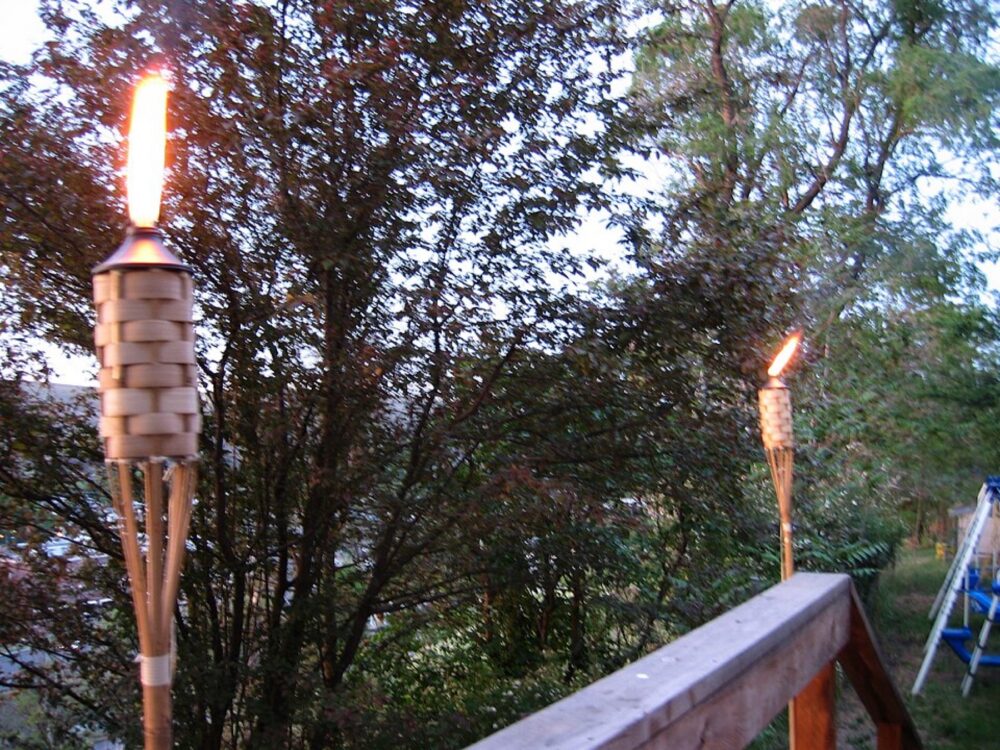
Buying tiki torches wholesale absolutely can save money, but the deal isn’t just the per‑torch price on the product page. Your real cost is torch + fuel + freight + duties + storage, and discounts only start to matter when you’ve totaled everything. For a US buyer or small ecommerce shop, bulk tiki torches can be a smart move for summer events or resale, but sometimes a domestic wholesaler or a big‑box clearance run will beat cross‑border sourcing on both cost and headache.
Below, we’ll focus on what bulk tiki torches really cost, why discounts vary so much, and how to pick the right sourcing channel for your budget.
What Bulk Tiki Torches Really Cost
Per‑torch pricing is only the starting point. A realistic budget for bulk tiki torches usually includes:
- Torch hardware (bamboo, metal, or wicker body, canister, wick)
- Fuel (citronella or other oil, often sold separately)
- Stands or mounts (if the torch doesn’t stake directly into the ground)
- Shipping or freight
- Duties/import taxes for cross‑border orders
- Storage and shrinkage (breakage, mold, rust)
On the product side, you’ll see a mix of multi‑pack and wholesale‑lot structures:
- Retail multi‑packs as pseudo‑wholesale. On Amazon, TIKI’s store shows bamboo tiki torches in a 12‑pack with coupon‑style percentage discounts and occasional promos.TIKI brand store on Amazon That’s technically retail, but for an event planner who needs 12-24 torches once a year, this can function as a “light” wholesale solution with limited negotiation but easy fulfillment.
- True wholesale lots. At Kole Imports, a wicker tiki torch SKU is sold in fixed lots (e.g., a set number of pieces per lot) at a structured per‑piece wholesale price. You’re committing to that lot size; in exchange you get a predictable unit cost for resale.
- Bulk sourcing platforms positioned as low price. SupplyLeader markets tiki torches as part of a broader bulk sourcing catalog, emphasizing manufacturer‑level search and low pricing. That’s aimed more at resellers than one‑off event buyers.
You won’t see uniform prices across these channels, and we don’t have live numbers here, but patterns are clear:
- Multi‑pack retail deals often sit higher per unit than domestic wholesale lots, but they bundle in retail‑grade packaging and simpler returns.
- Domestic wholesale lots tend to reward higher quantities with lower per‑piece pricing, but you take on more inventory risk.
- Cross‑border or manufacturer‑search platforms may go lower on unit cost, but freight, duties, and longer lead times eat into the savings.
For total cost, run a quick checklist before you call anything a “deal”:
- Unit torch price (after any coupon or bulk discount)
- Per‑torch fuel cost (estimate based on the bottle size you’ll buy)
- Shipping per torch (total freight divided by torch count)
- Loss allowance (a small percentage for damaged or unsellable units)
If you’re planning a single large party, it’s worth doing the math on total party cost rather than chasing the lowest per‑torch number.
Why Discounts Vary: MOQ, Features, and Timing
Wholesale discounts on tiki torches follow the same logic you see in other bulk categories: bigger orders and simpler products unlock lower unit prices.
Order size / MOQ. Suppliers often set minimum order quantities (MOQs). As quantities increase beyond that floor, they’ll typically offer tiered pricing with lower per‑torch costs. DHgate’s editorial blog on wholesale apparel notes that bulk orders generally reduce unit cost and that “the more you buy, the more you save” when discounts and promotions stack, and the same dynamic shows up here — but you need enough demand to justify the extra inventory.
Materials and build. Cheaper bamboo or thin wicker torches can cost far less than heavy metal models with coated finishes. That’s fine for short‑term event use, but for resale or rental inventory, ultra‑cheap torches can fail faster: split bamboo, leaky fuel canisters, and unstable stakes. If you’re serving customers or hosting guests, don’t let price push you into designs that feel wobbly or flimsy around open flames.
Branding and customization. Custom colors, branded sleeves, or unique canister shapes add cost and often require higher MOQs. They might make sense for a resort or event brand, but most small ecommerce sellers get better margins starting with standard designs.
Seasonal timing. Discount timing is a big lever:
- A USATODAY shopping piece highlighted a Memorial Day Amazon sale where a 12‑pack of bamboo tiki torches ran around 31% off the usual price.Memorial Day sale coverage That kind of seasonal promotion can temporarily narrow the gap between retail multipacks and true wholesale.
- A Facebook group post about Walmart clearance showed shoppers grabbing tiki torches at around $0.50 each in a clearance event.Walmart clearance example That’s anecdotal and not guaranteed now, but it illustrates how end‑of‑season clearance can beat almost any normal wholesale discount — if you’re willing to hunt and accept mixed styles.
Discounts are real, but they’re rarely “always on.” You’ll usually save the most by aligning your purchases with pre‑summer promos or late‑season clearances, depending on whether you need stock before or after the main outdoor season.
Choosing the Best Channel and Cutting Costs Safely
You have several realistic sourcing paths for bulk tiki torches. Each suits a different buyer type and risk tolerance.
Core channel options
Here’s a simplified view of four major paths:
| Channel type | Who it fits best | Typical pros | Typical tradeoffs |
|---|---|---|---|
| Domestic wholesale (Kole Imports, SupplyLeader) | Small retailers, repeat buyers | Structured lots, predictable unit cost, business‑oriented | Higher MOQs, requires storage space |
| B2B wholesale marketplace (Faire) | Boutiques, decor shops | Curated brands, wholesale pricing, net‑terms for some | Often higher per‑unit than pure manufacturer bulk |
| Retail multi‑pack with promo (Amazon 12‑packs) | Event planners, casual resellers | Easy ordering, fast shipping, familiar brand packaging | Limited negotiation, per‑unit sometimes higher |
| Big‑box clearance (e.g., Walmart) | Opportunistic buyers, budget decorators | Lowest potential unit cost, local pickup | Unreliable timing, limited quantity and style mix |
- Domestic wholesalers. Sites like Kole Imports and SupplyLeader are good fits if you’re in the US and expect ongoing demand. You can plan around lot sizes and wholesale prices, then build your own retail pricing and storage strategy.
- Wholesale marketplace (Faire). Faire lets US retailers browse tiki torches and related decor at wholesale terms, often with curated brands. It’s helpful if you care about design and brand story more than rock‑bottom unit cost.
- Retail multi‑packs. The TIKI 12‑pack example on Amazon shows how coupons and seasonal promotions can give you near‑wholesale effective pricing for a single big party or short series of events.
- Clearance hunting. As that Walmart clearance story shows, walking into a big‑box store at the right moment can produce stunning one‑time deals. This is ideal for Halloween trails, haunted forests, or budget outdoor projects where consistency matters less than cost.
Where cross‑border marketplaces fit (including DHgate)
Cross‑border marketplaces can sometimes undercut domestic wholesale on unit price, especially for generic bamboo or metal torch designs. They’re most useful when you:
- Need a large, repeat volume for resale or rental
- Are comfortable doing your own product and supplier vetting
If you explore DHgate or similar marketplaces for tiki‑style outdoor lighting, treat them as one option alongside Alibaba or AliExpress rather than a default choice. You’ll want to:
- Compare any tentative cross‑border deal with domestic options on total landed cost, not just product price.
- Factor in customs and taxes using guidance like this tariffs explainer.
- Verify seller details and product descriptions carefully; torch safety and build quality matter more than chasing the lowest possible sticker price.
For many US event planners and small shops, domestic wholesale or seasonal retail promos will be simpler and still competitive. Cross‑border sourcing tends to pay off only once you’re clearly operating at scale.
Practical ways to cut costs without cutting safety
Open‑flame outdoor products carry real risk, so avoid false economies. A few practical tactics:
- Match durability to use case. If torches are for a single wedding, low‑cost bamboo from a reliable wholesaler or retail multi‑pack can be fine. For rentals or resale, lean toward sturdier materials even if the per‑torch price is higher.
- Plan purchases around the calendar. Watch Memorial Day, Labor Day, and end‑of‑season clearance patterns on Amazon and Walmart. If you can store torches dry and upright, buying off‑season can dramatically lower your cost per unit.
- Bundle accessories smartly. Buying fuel and stands in bulk often saves more than shaving a few cents off the torch hardware. Compare bundled sets with separate fuel and stand orders.
- Avoid ultra‑random stock. Clearance hauls may mix sizes and styles. For resale, that complicates your catalog and photography; for events, it can look messy. Don’t let a rock‑bottom price override the need for consistent, stable torches.
- Protect your margin upfront. Before choosing a channel, write down your planned resale price or per‑event budget. Back into the maximum per‑torch landed cost you can accept, then see which channel can reliably hit that number.
In short: yes, there are real discounts and deals on wholesale tiki torches. The best route for you depends on how many torches you need, how soon, and whether you value simplicity or absolute lowest unit cost. Make your decision on total landed cost — not just the headline price — and don’t bargain away basic safety and durability around open flames.