
Wholesale sourcing
Build a Sourcing Process You Can Repeat
Use this hub to turn a product idea into a supplier-ready brief, shortlist sourcing routes, request comparable samples, evaluate MOQ and landed economics, place a controlled first order, and review supplier performance. The objective is not to find the lowest quote; it is to create a process that produces usable evidence before exposure grows.

Purchase-stage navigation
Start at the stage you are actually in
Seven-step sourcing workflow
Create evidence before increasing exposure
Each step produces an input for the next. Skipping the brief or sample stage makes later comparison less reliable.
Define the brief
Use case, specifications, quantity, destination, acceptance criteria.
Research suppliers
Choose routes and identify candidates with relevant capability.
Build a shortlist
Compare evidence, communication, terms, and fit.
Request samples
Use the same current brief and document differences.
Compare landed economics
Include freight, duties, fees, defects, and sellable units.
Place a controlled order
Limit exposure and confirm production and inspection points.
Review performance
Record quality, delivery, corrective action, and repeat-order fit.
Sourcing model comparison
Decide who will perform the sourcing work
| Route | Supplier access | Transaction structure | Buyer workload | Best-fit situation |
|---|---|---|---|---|
| Marketplace | Broad, listing-led | Structured checkout may be available | Medium | Discovery and controlled tests |
| Supplier directory | Broad, supplier-led | Often arranged separately | High | Building a supplier shortlist |
| Sourcing agent | Agent network | Depends on agent scope | Medium internally | Local coordination or consolidation |
| Trade show | Focused, relationship-led | Negotiated after contact | High | Category depth and direct evaluation |
| Direct manufacturer | Narrower, high control | Direct commercial relationship | High | Customization and repeat production |
| Local wholesaler | Curated local inventory | Familiar local terms | Lower | Faster replenishment and lower complexity |
Supplier comparison scorecard
Score the evidence—not the sales pitch
Rate each criterion from 0 to 5 using the same evidence standard. This is a shortlist tool, not a certification.
Promising, but document the lower-scoring criteria.
Sample evaluation checklist
Inspect what the sample actually proves
- Sample version and specification are identified.
- Dimensions and tolerances are measured.
- Material, finish, color, function, and durability are checked.
- Defects and acceptable variation are photographed.
- Packaging and labeling are evaluated.
- Differences between sample and bulk production are documented.
- Corrections are written into the next specification revision.
Specification brief template
Make supplier replies comparable
The template stays in the browser and does not submit data.
MOQ decision guide
Lower unit cost can increase total exposure
How much of the quantity has a credible use or sales path?
Can the business absorb a poor outcome and still operate?
Storage, shelf life, seasonality, variants, and obsolescence.
What will the order prove that a sample cannot?
Verified reading library
Wholesale sourcing guides
The preview cards below use URLs verified from the live category page on July 29, 2026. The WordPress version replaces them with a dynamic category query.
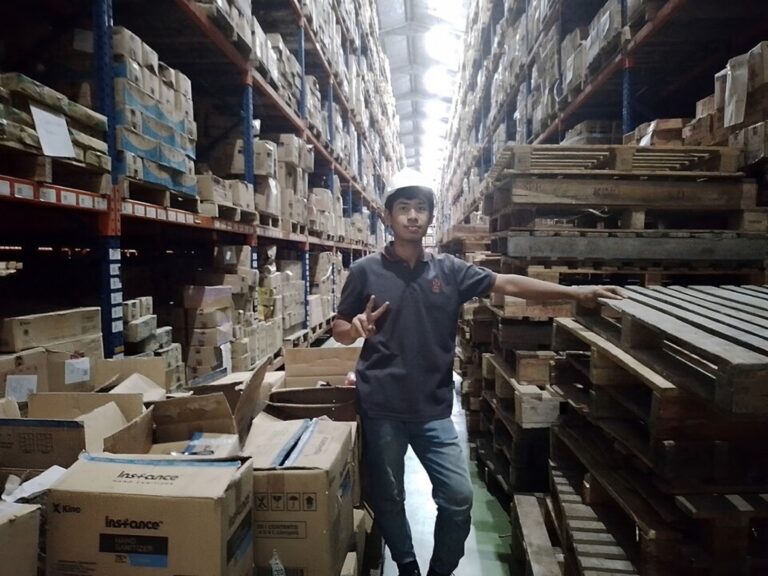
Etsy Dropshipping Business: Legal Models and Supplier Sourcing
Traditional dropshipping is banned on Etsy. Learn what’s actually allowed, which POD or supply models fit the rules, and how to source compliant suppliers.
Use when: planning a supplier, sample, MOQ, or repeat-order decision
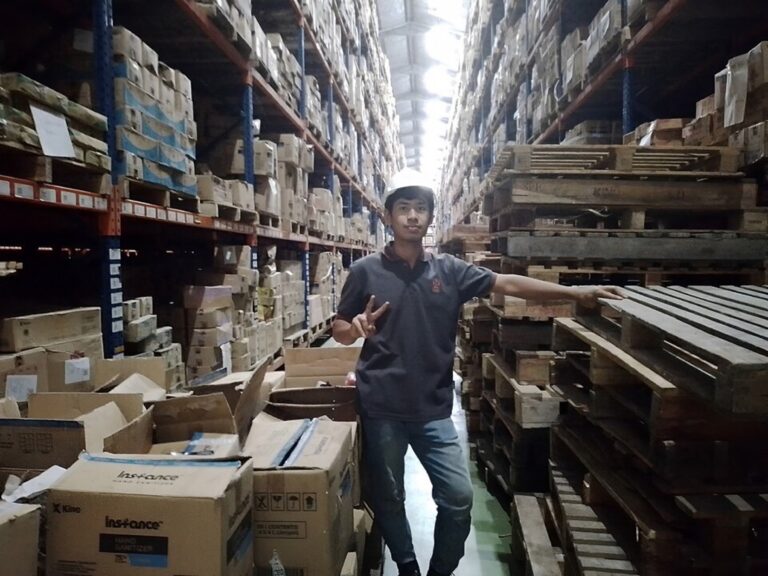
Sunbelt Manufacturing and Canvas: Wholesale Sourcing Guide
Learn how Sunbelt Manufacturing’s American-made canvases and panels compare with other suppliers, and decide if it’s the right wholesale source for you.
Use when: planning a supplier, sample, MOQ, or repeat-order decision
How to Find and Vet Pin Badge Suppliers on DHgate
Learn how Canadian buyers can use DHgate to source pin badges and components, shortlist suppliers, use ratings/badges, and estimate cross-border costs.
Use when: planning a supplier, sample, MOQ, or repeat-order decision
How to Find and Vet Velvet Ribbon & Wreath Supplies on DHgate
See how to search DHgate for velvet ribbons and wreath supplies, read real price snapshots, vet low-review sellers, and know when cross-border sourcing fits.
Use when: planning a supplier, sample, MOQ, or repeat-order decision
Shopify Product Import and CSV Management for Wholesale Catalogs
Learn how to import products into Shopify with CSV files and apps, evaluate supplier data quality, and keep cross-border wholesale catalogs accurate at scale.
Use when: planning a supplier, sample, MOQ, or repeat-order decision
R Dropshipping and Ecommerce for US Sellers
See how Reddit-style dropshipping fits into real ecommerce, how the cross-border supply chain works, and how to choose overseas suppliers and channels.
Use when: planning a supplier, sample, MOQ, or repeat-order decision
Continue the decision
Move to the next buyer task
Frequently asked questions
Questions that change the decision
What belongs in a supplier-ready product brief?
How many suppliers should be shortlisted?
Is the lowest MOQ always safer for a test?
What makes a sample comparable?
When is a sourcing agent useful?
When should a supplier be replaced?
Editorial standard
How this hub should be maintained
This page teaches a controlled sourcing workflow. It should not imply that a marketplace, agent, directory, manufacturer, or supplier is verified merely because it appears in a sourcing route. Editors should update examples when processes or policies change.