
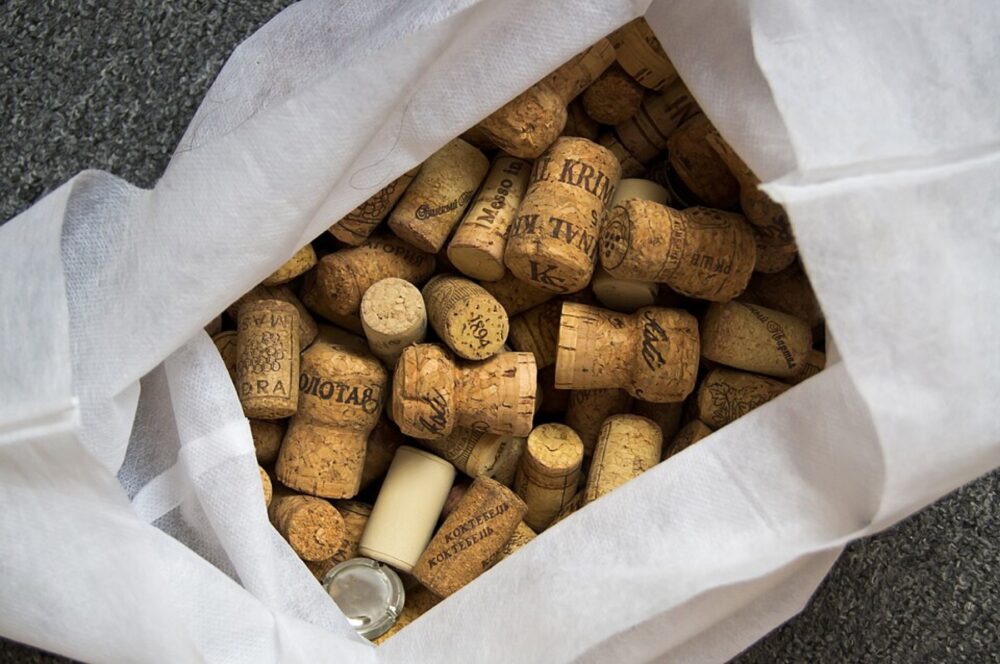
You should pick your sourcing route for bulk wine corks and eco-friendly supplies based on three concrete levers: how many corks you need per year, how customized or eco‑specific they must be, and how much supplier management you’re willing to handle. Domestic cork specialists like Reliable Cork Solutions, WidgetCo, or Wine & Beer Supply usually make more sense for ongoing winery runs and tight sustainability specs. Marketplaces from China, including DHgate, mostly fit small to mid‑size test batches, mixed accessories, or low‑risk experiments where you’re trading validation effort for price and SKU variety.
How Bulk Wine Cork and Supply Channels Actually Work
Bulk corks for wine bottles sit in a fairly specialized supply chain. Natural cork is harvested and processed in cork‑producing regions, then sold through manufacturers, regional distributors, and niche retailers. For US buyers, that often surfaces in the form of domestic specialists:
- Reliable Cork Solutions markets bulk natural wine corks and related closures, targeting professional bottlers and brands with industry‑focused assortments.
- WidgetCo lists cork stoppers, T‑corks, and wine corks with bulk pricing, showing options for both moderate and larger quantities.
- Wine & Beer Supply carries wholesale natural and synthetic corks, geared toward wineries and beverage businesses.
These channels are structured for repeat business: you get known grades, predictable diameters, and compatibility with standard bottling lines, often with access to branded or printed options via sites like Reliable Cork Solutions.
By contrast, China‑focused routes are built around marketplaces and factory networks. DHgate, Alibaba, and similar platforms connect you to many small and medium OEM manufacturers rather than a single curated distributor. You’ll see generic straight corks, T‑stoppers, and assorted bar tools bundled in tens or hundreds of pieces, sometimes alongside unrelated bar accessories.
Finally, factory/agent routes and trade shows work more like relationship sourcing: you or an agent identify a cork producer, negotiate directly, and may add other packaging components (capsules, labels, eco cartons) into a longer‑term supply program.
Matching Order Size and Customization to Supplier Type
Your best route changes quickly once you specify “how many” and “how specific” you need your corks to be.
Scenario callout: three common buyer profiles
- Home winemaker / hobby bottler – You need 50-500 corks at a time, maybe with basic synthetic options for convenience. Minimal branding, some curiosity about eco claims but not audited sustainability.
- Small US winery or craft beverage brand – You’re buying thousands of closures per year, often in consistent grades and diameters. Branding, oxygen transmission, and long‑term performance matter. You might need documentation about sourcing and materials.
- Eco‑focused ecommerce brand – You’re more likely using cork as a packaging or décor material (gift boxes, display stoppers, recycled‑cork accessories). You care deeply about recycled content, FSC or similar certifications, and storytelling.
How these map to channels
Here’s a concise comparison of where each channel usually fits, based on these profiles and the available supplier examples.
| Buyer need / trait | Route comparison |
|---|---|
| Typical order size per batch | Domestic cork specialists: hundreds to tens of thousands. China marketplaces: dozens to a few hundred per listing, often mixed with accessories. Direct factory, agent, or trade show: thousands to millions over time. |
| Customisation (branding, specs) | Domestic specialists: structured options and easier discussion of print, grade, and performance. China marketplaces: mostly generic sizes; customisation needs case-by-case negotiation. Direct route: high control over specifications, engineering, and packaging programs. |
| Eco or recycled validation workload | Domestic specialists: lower because documentation and materials are more often defined. China marketplaces: higher because claims require listing-by-listing verification and documents can be sparse. Direct route: depends on the factory; formal audits are possible but time-intensive. |
| Best-fit scenarios | Domestic specialists: small wineries, professional bottlers, and premium beverage brands. China marketplaces: hobby batches, experiments, low-risk accessories, and small ecommerce tests. Direct route: established brands scaling closures or multi-component packaging programs. |
For eco‑specific requirements (recycled cork, certified sustainable harvesting), domestic specialists and larger factories are usually easier to validate. You can ask for spec sheets or certification references and expect more structured answers than on a mixed marketplace listing.
If your current need is “I want to test 100 recycled‑style corks and some matching stoppers for an Etsy shop,” marketplaces can make sense as a starting point. Once you commit to a brand narrative or recurring inventory, migrating toward specialist or factory routes reduces the workload of checking every batch.
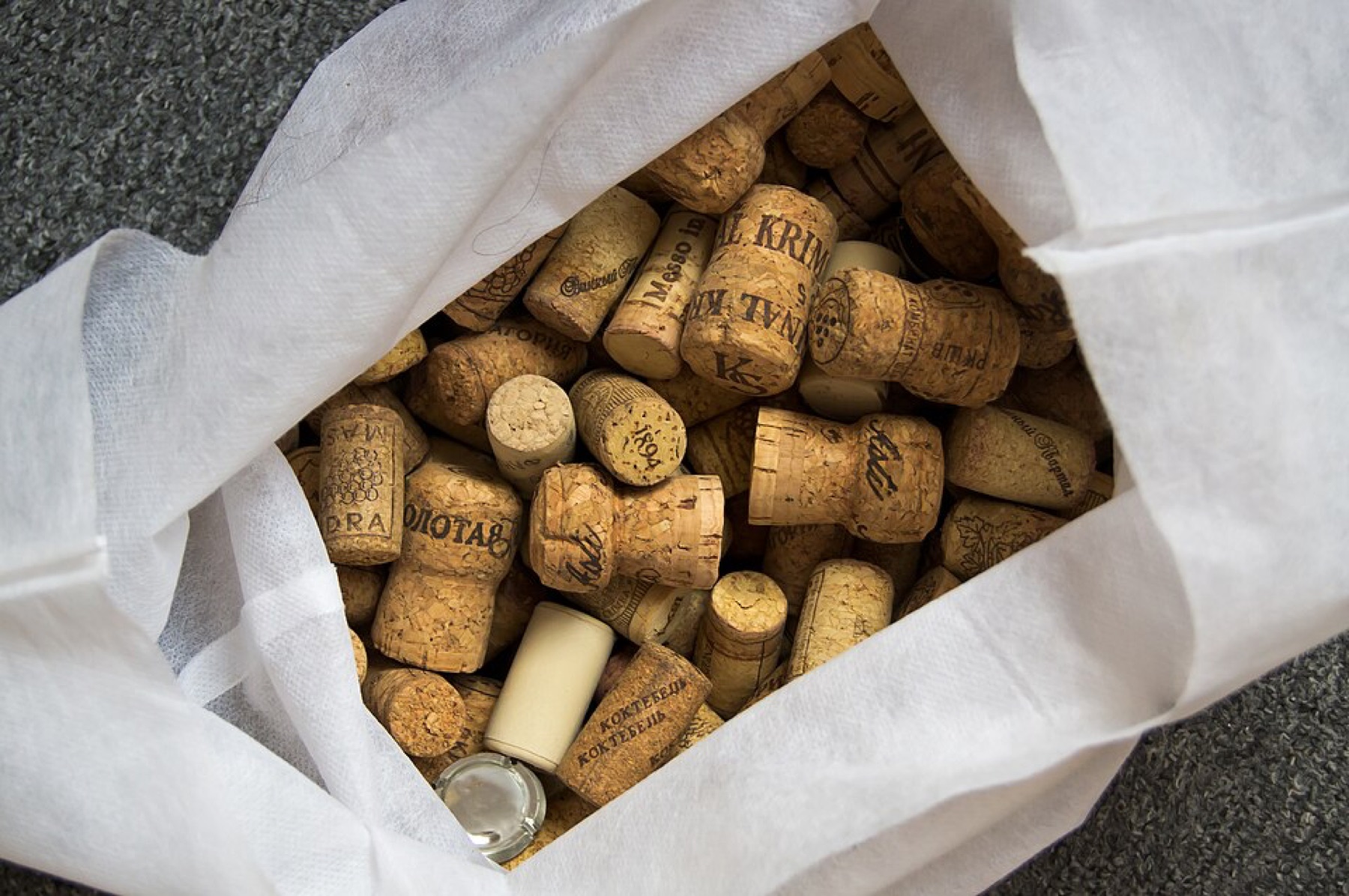
Query-time DHgate listing example
Observed on 2026-10-12, 100pcs Wine Corks Bungs Beer DIY Wine Bottle Sealing Stopper Bungs Plug 0.8×1.6 Home Brewing Wine Bottle Cork Bungs Supplies 250218 appeared in Bar Tools. This is a time-bound, illustrative listing example, not an endorsement; availability and listing details may change. Verify the specifications, seller evidence, applicable compliance, and any intellectual-property or commercial-use rights required for the intended use. A sample can test the physical product, but it cannot establish legal permission or licensing.
Using DHgate for Test Batches of Wine Corks and Accessories
DHgate’s niche for cork buyers is small to mid‑size, less‑engineered orders where you care about unit cost and flexibility more than deep customization. Existing DHgateWiki guidance on China sourcing notes that DHgate generally suits buyers who want wholesale‑style pricing without very large volumes or complex product specs, which matches hobby and test‑batch cork use.
What DHgate actually offers for corks (2026-10-12 snapshot)
Around 2026-10-12, DHgate’s Bar Tools category showed multiple cork listings with bundle sizes in the tens to low hundreds of pieces:
- Straight natural corks in 50-100 piece bundles – Several listings like “50 100 Pcs Wine Corks Stopper Natural Reusable Functional Portable Wine Cork Straight Stopper for Bottling of Wines or Crafting” from sellers such as luo09 priced roughly between $20–$45 per bundle depending on exact SKU and quantity. Examples include product IDs 1045884645, 1091500356, and 1045391937.
- Smaller accessory packs – Listings such as “10Pcs Household Bottle Corks Convenient Wine Stoppers” (product ID 1064862028) showed 10‑piece sets of replacement stoppers in a similar price band.
- Larger mixed bundles and T‑corks – “50/200Pcs wine bottle cork used for sealing wine cork reusable wine cork” (product ID 1036184105) and T‑shaped cork listings like 1036173004 or 1097152881 offered 50-200 units with price ranges that reflect the higher piece count.
Prices and availability can change, but the pattern is clear: DHgate skews toward low to moderate MOQs (on the order of 10-200 corks per listing) and assorted styles rather than deeply engineered closures. This is useful if you need test batches for home winemaking, DIY projects, or small ecommerce experiments and don’t want to commit to pallet‑scale orders.
Buyer workload and verification steps on DHgate
For corks and eco‑focused supplies, DHgate shifts more responsibility onto you:
- Read listing text critically – Many cork titles emphasize “natural” or “reusable” but may not specify grade, origin, or recycled content. Treat eco wording as marketing unless the seller provides supporting documentation.
- Order small first – With bundle sizes starting around 10-50 pieces in listings like 1069103951 or 1066778579, it’s reasonable to treat your first order as a sample run and only scale if the corks match your bottling needs.
If you find DHgate useful, you can lean on broader DHgateWiki sourcing guides such as Find wholesale suppliers on DHgate, Find DHgate suppliers, or Choose a DHgate wholesale supplier to sharpen your supplier selection process.
When DHgate is the wrong tool
For eco‑storytelling brands that plan to feature recycled cork heavily in marketing, long‑term credibility is easier to build through suppliers who can back their claims with third‑party certifications or at least detailed origin information. Cross‑border test batches from DHgate can still play a role while you prototype products or packaging, but they should be treated as experiments rather than your final, audited supply.