
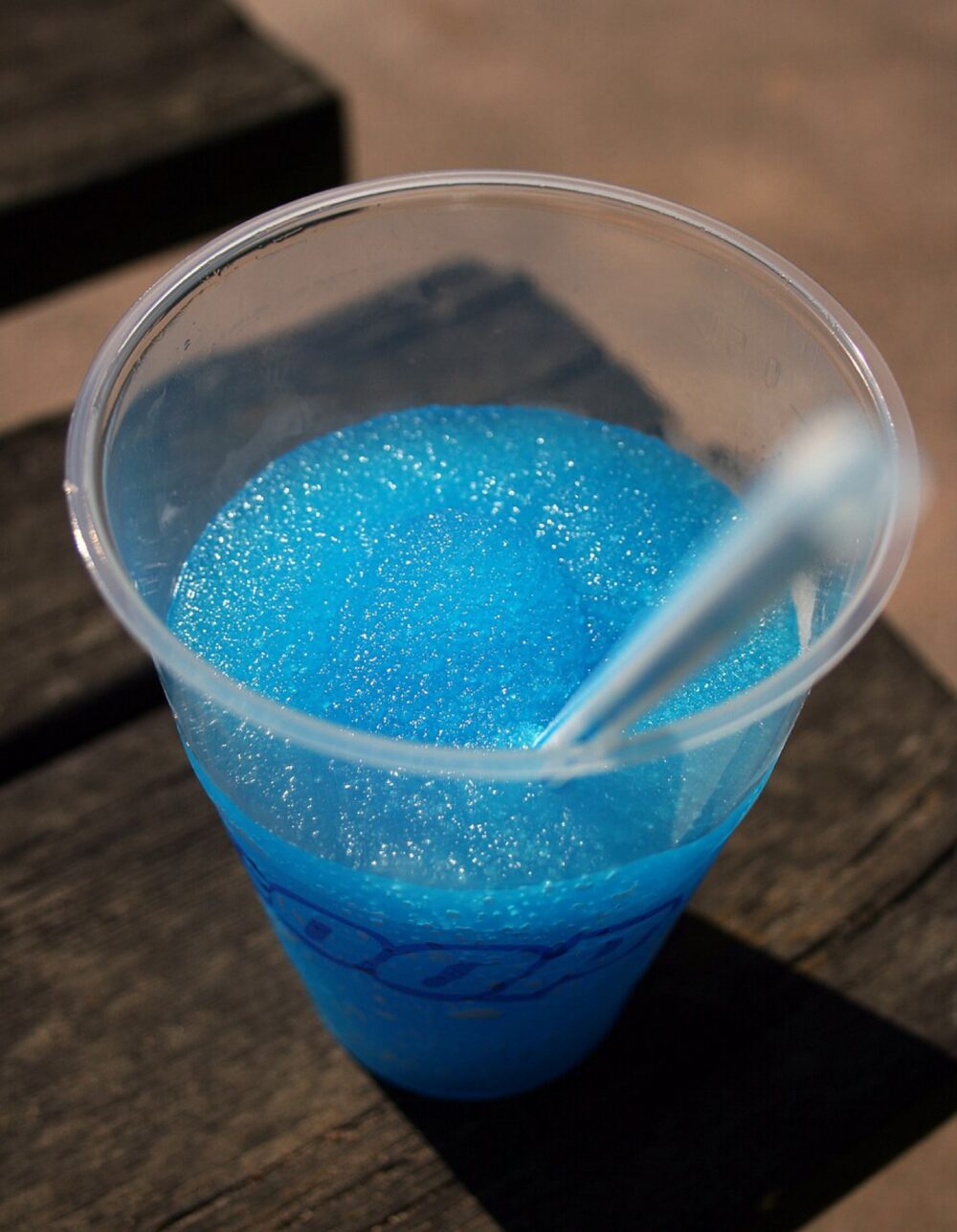
If you want a good price on bulk slush cups and lids, you need to look beyond the sticker cost. Your real cost per drink comes from the cup and lid price, shipping, any import duties, payment fees, and how much you waste through leaks or breakage. For a US small business or event, the best deal usually comes from matching cup type and order volume to your use, then comparing landed prices from local wholesalers, big-box/online retail, and at least one cross‑border marketplace before you lock in a supplier.
Slush cups and lids are purpose-built drinkware for frozen and icy drinks. Food‑service suppliers such as Wonderland Food sell clear plastic cups in multiple sizes and bulk packs, often paired with lids for cold beverages. Editorial coverage like Tom’s Guide on frozen cocktail glasses treats slush drinkware as distinct from standard cups: they’re designed to show off colorful slush and handle very cold, semi‑solid drinks.
What Slush Cups and Lids Cost: Breaking Down the Real Price
For budgeting, think in terms of cost per serving, not just cost per case.
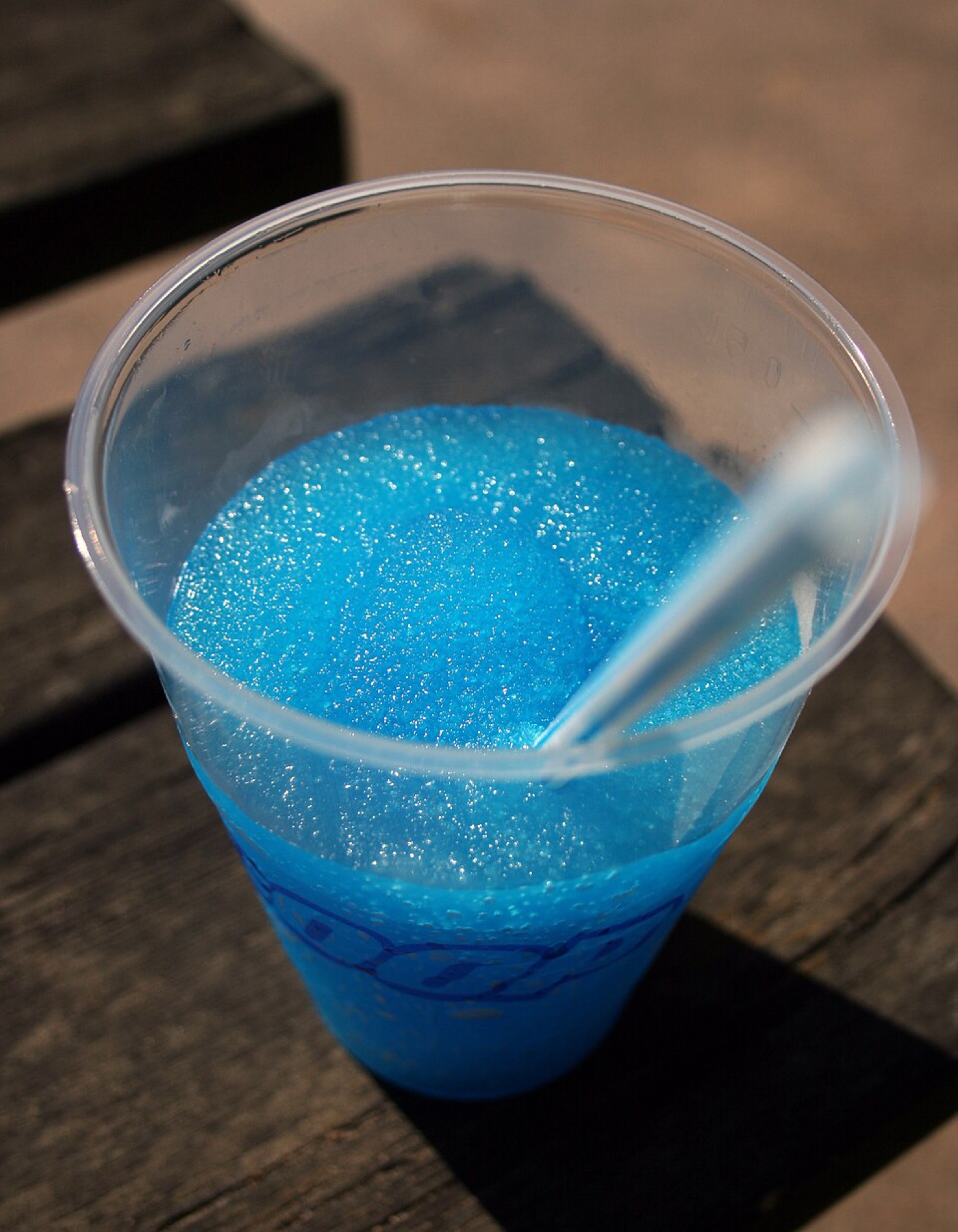
Photo: Entheta / Wikimedia Commons, licensed under CC BY-SA 3.0.
1. Product unit price (cup + lid, sometimes straw)
Suppliers price disposable slush cups and lids per piece or per case. Clear PET or similar plastic cups with either dome or flat lids are common. Food‑service providers like Wonderland Food sell them in bulk packs where the per‑cup cost drops as you buy larger quantities. US wholesalers such as Falls Wholesale group cups, lids, and straws for beverage and slush operators, typically in case quantities of several hundred.
Major retail sites including Amazon, Walmart, and Michaels carry disposable plastic cups with dome or flat lids marketed for slush, smoothies, and cold drinks, but often in consumer‑oriented packs (for example, dozens rather than hundreds). Those packs suit small events but usually have a higher per‑cup cost than wholesale cases.
2. Shipping and delivery
Cups are light but bulky. For local wholesalers or US retail, you’ll see parcel or LTL shipping added, or you’ll pay nothing extra if you can pick up in person. A school fundraiser or summer fair concession trailer that relies on parcel delivery needs to plan around delivery dates so cups arrive before the event; last‑minute rush shipping can quietly raise your cost per serving.
Cross‑border orders add international freight; if you’re importing, factor in longer transit times and the chance you’ll need to store more inventory to avoid stockouts.
3. Duties, taxes, and fees
When you buy from overseas suppliers, your shipment may be subject to customs duties, import taxes, and carrier handling fees. These charges are usually calculated on the declared value of the goods plus shipping and can turn an apparently cheap box of plastic drinkware into a more expensive landed shipment.
For a US concession stand testing cross‑border sourcing, it’s important to treat these amounts as part of the per‑cup cost. Understanding how customs, tariffs, and import fees work for your business—using resources like this overview of customs, tariffs and import fees—helps you compare imported cups with domestic wholesale orders on a fair basis.
4. Waste, leakage, and breakage
Cheap, flimsy cups or poorly fitting lids can crack or leak, especially with thick slush and kids squeezing the cup at a school carnival or county fair. Every lost drink is lost margin. A slightly higher‑priced, sturdier cup that cuts waste can lower your real cost.
5. Storage costs
Cases of slush cups take space. If you run a small café or concession trailer, storing 5,000 cups might mean renting extra space or cluttering your prep area. That’s a real, if indirect, cost—especially for seasonal operators who only run a stand during the summer and otherwise don’t need that storage.
Why Prices Vary: Specs, MOQ, Custom Printing, and Shipping Choices
Pricing swings a lot between suppliers because slush cups aren’t all the same.
Cup size and style
Small kids’ slush servings might use 8-12 oz cups; full‑size drinks run 16-20 oz or more. Larger cups use more plastic and cost more per piece. Dome lids, which give you “headroom” for piled‑up slush and toppings, usually cost more than flat lids but can boost perceived portion size and justify a higher menu price.
Tom’s Guide’s coverage of specialty frozen drink glasses highlights that frozen beverage drinkware often has design tweaks—shape, insulation, and rim structure—that support very cold or slushy textures. Disposable slush cups do the same in a simpler way: clear plastic walls to showcase color and a lid that manages melting and sipping.
Material and quality
Higher‑clarity PET plastic and thicker walls look better and resist cracking, but they’re pricier. Thin cups are cheaper per unit yet more likely to fail during a busy rush.
MOQ and pack size
Wholesale‑oriented suppliers, like Falls Wholesale’s cups, lids and straws range, lean toward case quantities suitable for beverage operations. Ordering larger quantities usually earns a lower per‑cup price but locks in more cash and storage space. Consumer‑pack products from Michaels or Walmart lean toward smaller packs aimed at parties or craft projects, with higher per‑cup pricing but less upfront outlay.
Here’s how some typical buying patterns compare:
| Scenario | Likely Cup Source | Pack Size Pattern | Cost per Cup Tradeoff | Quality/Consistency Notes |
|---|---|---|---|---|
| One‑off birthday party | Amazon/Walmart/Michaels retail | Dozens (multi‑size party packs) | Higher per‑cup, low total spend | Specs vary by brand; fine for casual home events |
| Summer fair concession | US beverage wholesaler (e.g., Falls) | Hundreds per case | Lower per‑cup, bigger cash tie‑up | More consistent cup/lid fit across repeat orders |
| Year‑round café or kiosk | Mix of wholesale + cross‑border trial | Hundreds–thousands per order | Lower per‑cup if inventory is fully used | Quality can be good but varies; test new suppliers |
Customization (logos, colors)
Custom printing (logos, full‑color wraps, themed designs) pushes up price and often imposes higher minimum order quantities. For tight budgets, many operators use plain clear cups and add branded stickers to selected drinks instead of printing the cup itself.
Shipping method
For domestic supply, switching from express parcel to standard ground changes shipping cost but rarely the product price. For cross‑border sourcing, your choice between slower, cheaper shipping and faster, pricier options has a bigger impact on landed cost—and on how much safety stock you need.
Quick example: A small event ordering 500 cups might choose domestic retail or wholesale: the per‑cup price is higher than a container‑level import, but they avoid duties, long lead times, and storage headaches. A busy slush trailer planning 5,000+ servings over a season might test a higher‑MOQ supplier—including cross‑border options—because even a few cents’ savings per cup adds up.
Choosing the Best Buying Channel and Cutting Your Slush Cup Spend
You have three main channel types to compare on real cost, not just price tags.
1. Local beverage wholesalers
Regional distributors and national wholesalers (like Falls Wholesale’s cup/lid/straw collection) aim squarely at beverage and slush operators. You’ll typically see:
- Case quantities of several hundred cups, often with matching lids and sometimes bundled straws.
- Spec sheets that match food‑service requirements.
- Predictable domestic shipping and no import duties.
This channel makes sense if you’re running a concession stand, café, or small chain and want consistent quality with fewer surprises. Your per‑cup cost may not beat a successful cross‑border experiment, but it often wins on reliability and time saved.
2. Big‑box and online retail
Amazon, Walmart, Michaels and similar sites stock disposable cups with dome or flat lids suitable for slush, smoothies, and cold drinks, usually in consumer‑friendly packs. Great for:
- Parties, pop‑up events, and testing new drink sizes.
- Operators who don’t want to manage pallet‑level inventory.
You pay a convenience premium on per‑cup cost, but you avoid high MOQs and complex freight. If your annual slush volume is a few hundred servings, this channel is often the most practical.
3. Cross‑border marketplaces (including DHgate)
Cross‑border B2C/B2B marketplaces give access to overseas suppliers of both disposable and reusable slush drinkware.
For example, as of 2026-10-08, DHgate shows multiple relevant products:
- “Disposable Clear Plastic Cups with Lids, Cold Drink Containers for Parties and Events” in Disposable Cups & Straws, with listing‑level price ranges around USD 32.15-61.94 per listing (DHgate product page).
- “Clear Disposable Plastic Cups with Lids – Beverage Containers, Clear Plastic Drinkware with Secure Lids, Disposable Cups for Parties and Events” in Disposable Cups & Straws, with price ranges around USD 30.49-37.63 (DHgate product page).
- “50PCS Disposable Plastic Cups with Lids Plastic Cups for Cold Drinks Coffee Juice Smoothies Birthday Party Supplies” in Disposable Cups & Straws, showing ranges around USD 21.40-26.91 (DHgate product page).
- “Slushy Maker Cups Portable Cup for Juices Milk and Ice Cream Make Double Layers Silicone DIY Squeeze Cup with Lid&Straw for Kids” in Ice Cream Tools, a reusable silicone slushy maker cup with lid and straw, at roughly USD 14.44-15.06 (DHgate product page).
These snapshots show that DHgate can be a source for both disposable cups with lids and reusable slushy cups, with listing‑level prices in the tens of dollars. Prices, availability, and terms can change, and each listing is managed by its own seller, so you need to:
- Check the product category to ensure you’re buying food‑contact drinkware, not unrelated lids or kitchen parts.
- Confirm pack size, material, and lid style match your slush menu and local regulations.
If you want broader marketplace context when weighing cross‑border options against domestic channels, you can also look at high‑level comparisons such as this overview of DHgate vs AliExpress, Alibaba and Temu.
Practical ways to cut your slush cup spend
You don’t have to chase the absolute lowest price to get solid value. Focus on these tactics:
- Size to your menu: Don’t over‑spec cups. If your standard slush fills 16 oz, a 20 oz cup with dome lid may waste product and cup cost.
- Separate “show” from “volume”: Use dome‑lid cups for premium, high‑margin drinks and flat‑lid cups for regular servings.
- Right‑size orders: For a 500‑cup season at a school fair, domestic wholesale or retail is usually cheaper overall than experimenting with small cross‑border parcels plus duties. For 5,000+ servings across a busy summer, price out at least one wholesale and one cross‑border option to see which wins on landed cost.
- Bundle accessories smartly: Buying cups, lids, and straws together from a wholesaler can lower unit cost compared with piecing them together across multiple retail brands.
- Test before committing: Order a small pack from your chosen channel and stress‑test it with your actual slush machine—does the lid stay put, does the cup crack in kids’ hands, does the clarity match your presentation goals? A failed test is cheaper than a failed full season.
For cross‑border sourcing in particular, understanding how customs, tariffs, and import fees get added to your invoice can make or break the deal. If that’s part of your plan, read up on how those charges work for your business using guides like Understand customs, tariffs and import fees before you decide where to buy.