
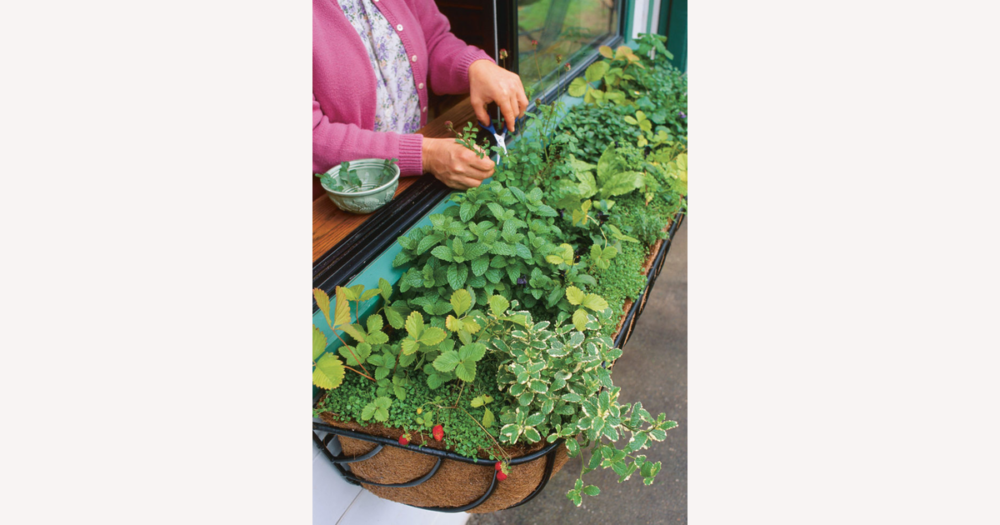
Finding the “best” mint or thyme for your garden on DHgate or elsewhere is less about discovering a magic store than matching named varieties to your light, space and climate, then using DHgate’s seller, shipping and refund information to avoid vague, generic listings that might disappoint.
Choose the right mint and thyme types for your garden
On DHgate or any other retailer, the “best” mint or thyme for your garden is the one whose growth habit, flavor and hardiness match your light, space and climate—not a single perfect store or bargain listing. Because many suppliers sell similar herbs, I would rather pay a little more for a clearly named variety that fits my patio, bed or windowsill than gamble on a generic “mint” or “thyme” with vague labels, especially when I cannot see the plant in person.
Think about what you want the plants to do. For everyday cooking, classic culinary types like spearmint and common (English) thyme are usually the workhorses. If you care more about teas and desserts, stronger-flavored mints such as peppermint or scented thymes like lemon thyme may suit you better. If you mainly want a soft, fragrant carpet between stones or along a path, creeping or ornamental thymes are designed for that role, even if their flavor is sometimes milder than upright culinary strains.
When you read any listing, including on DHgate, look for those specific variety names and a short description of flavor and growth habit. Clear naming that matches your goal—tea mint, everyday kitchen thyme, or ornamental groundcover—gives you far more control over the final result than chasing the lowest price on an unnamed plant.
- Spearmint (Mentha spicata): classic culinary mint with vigorous, spreading growth and a milder, sweet mint flavor that works well in salads, sauces and cold drinks.
- Peppermint (Mentha × piperita): stronger menthol flavor than spearmint, often preferred for herbal teas, desserts and recipes where you want a more intense mint note.
- Specialty mints such as mojito, apple or chocolate mint: distinct aromas grown for specific drinks, desserts or novelty plantings; they are often best kept in containers so their scent stays easy to enjoy and their spreading roots are contained.
- Common or English thyme (Thymus vulgaris): versatile culinary thyme with an upright to slightly bushy habit, widely used for general cooking, roasting and savory dishes.
- Lemon thyme: usually a compact plant with a noticeable lemon scent and flavor, well suited to fish, poultry and bright-flavored dishes as well as container gardens.
- Creeping and ornamental thymes (various Thymus species and cultivars): low-growing, aromatic groundcovers used between stepping stones or as decorative mats; they still smell pleasantly herbal but may be less intensely flavored than upright kitchen thymes.
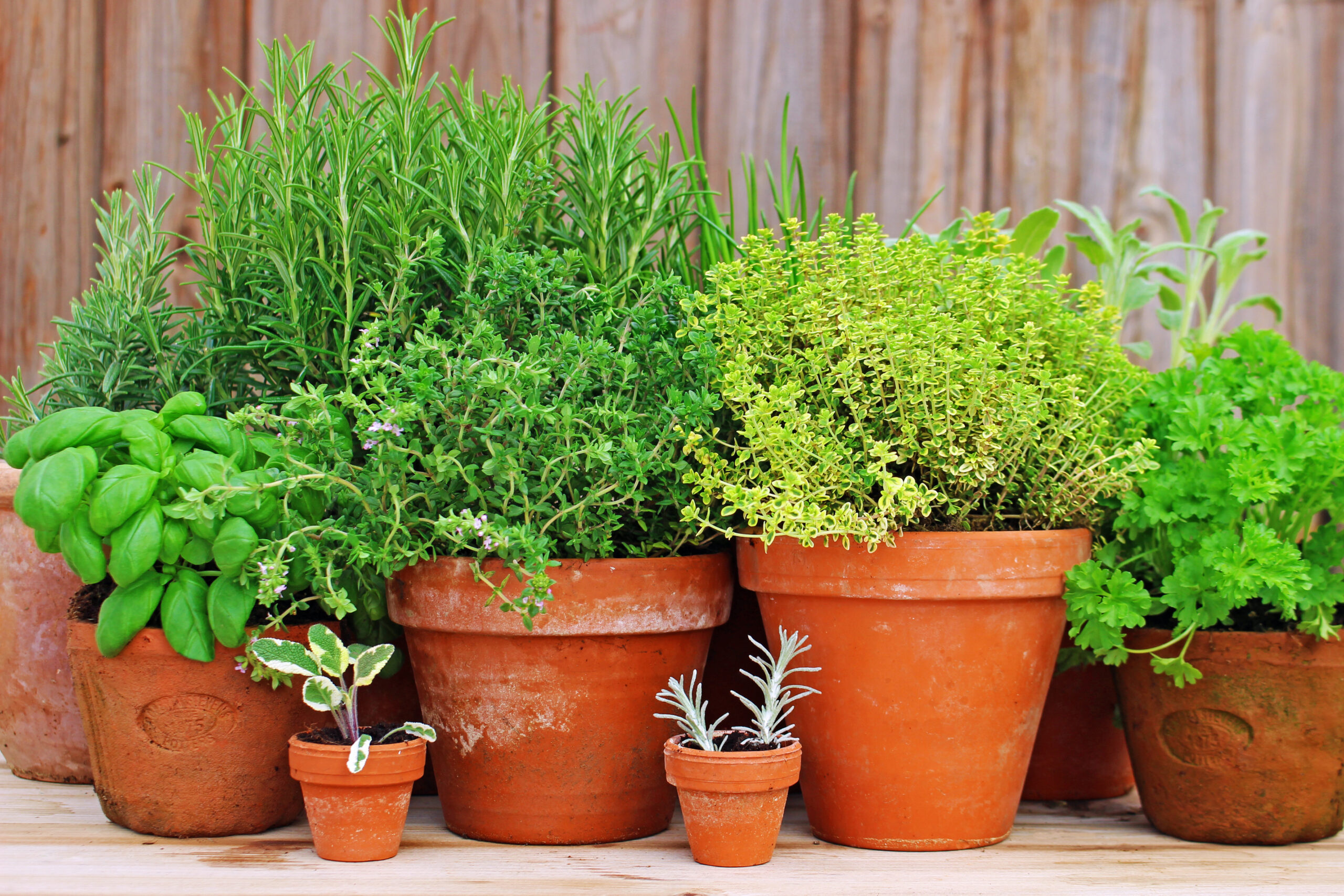
Seeing a pot of spearmint beside a pot of common thyme makes it easier to imagine how their different leaf sizes and shapes will look in your own containers or beds.
Match mint and thyme to your climate, light, and planting space
- Check climate hardiness: know your local USDA or equivalent hardiness zone, or at least your typical winter lows, and compare them with any zone or temperature range mentioned for the mint or thyme in the listing; if nothing is stated, ask the seller or treat the offer cautiously.
- Match the sun: estimate how many hours of direct sun your planting spot receives and look for phrases like “full sun” or “partial shade”; most culinary thymes prefer full sun and well-drained soil, while many mints tolerate partial shade and slightly more moisture.
- Decide on planting mode: choose whether you will plant in containers or in the ground, then check whether the plant is described as spreading, upright or creeping; vigorous spreading mints are usually safer in pots or contained areas so they do not take over beds.
- Place creeping thyme carefully: use creeping thyme as a sun-loving groundcover where the soil drains well, such as between stepping stones or in a raised bed, and avoid very wet, deeply shaded spots that conflict with its typical preferences.
- Treat missing basics as a warning: if a listing says little or nothing about hardiness, sun needs or growth habit, take that as a sign to ask questions or reconsider, because a plant that does not match your site is rarely a good value even at a low price.
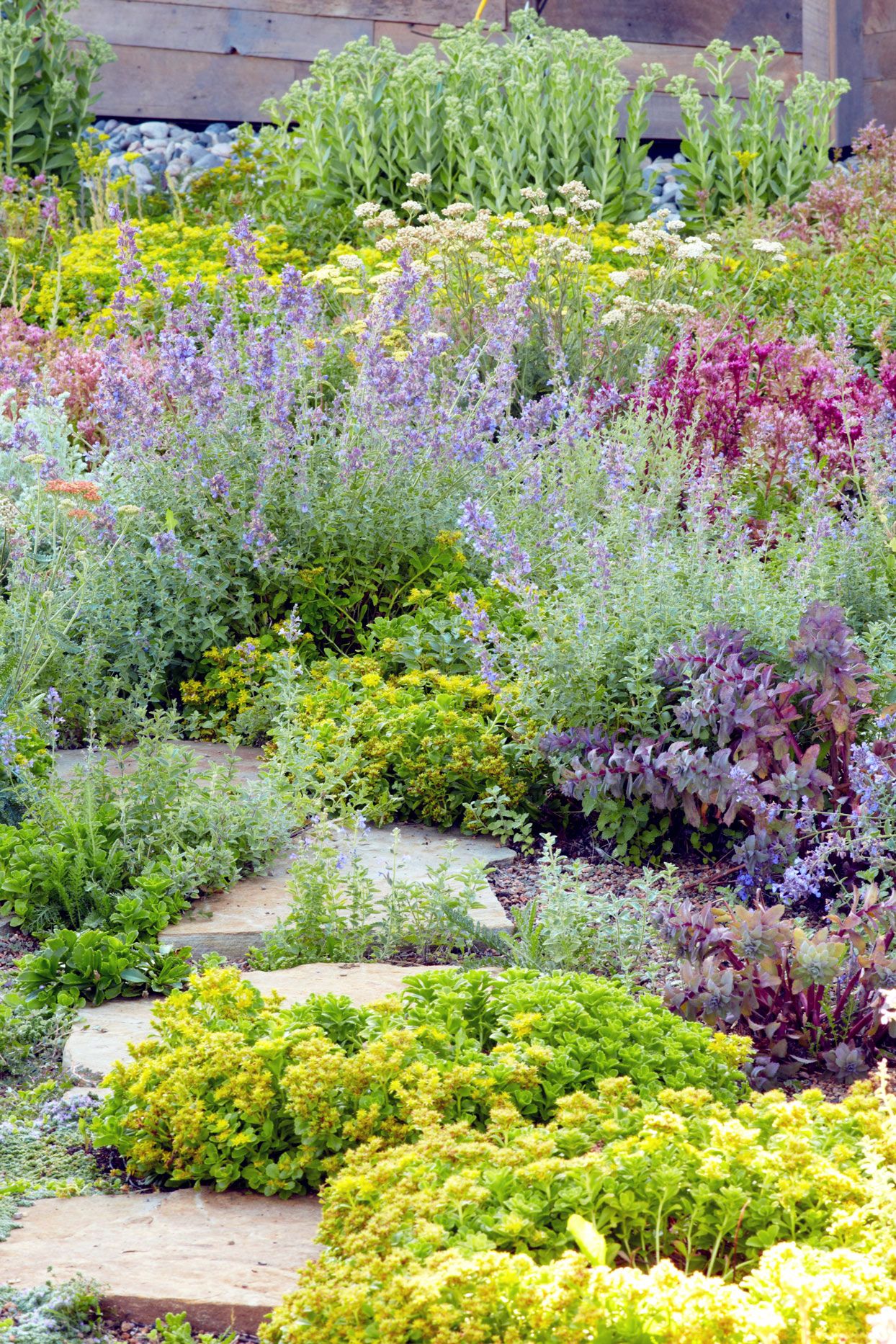
A pot of mint placed beside a path lined with creeping thyme reinforces the idea of containing spreading herbs in containers while using low-growing thymes as sunny groundcovers.
Use DHgate checks before ordering mint or thyme
- Confirm what is actually being sold. Check whether the offer is for live mint or thyme plants, rooted cuttings, or seeds, and look for clear variety names such as spearmint, peppermint, English thyme, or lemon thyme so you know which plant you are choosing.
- Check the basic specs. Look for approximate plant height or pot size for live plants, an estimated seed count for seed packets, and the quantity per unit so you understand how many plants or seeds you are paying for.
- Review seller ratings and history. Prefer DHgate sellers with a solid number of completed orders and consistently high ratings, especially when past buyers mention herbs, live plants, or seeds rather than only unrelated items.
- Read review details, not just the score. Scan recent comments for mentions of correct plant identity, healthy arrival, and good packing, and treat repeated complaints about dead plants, wrong varieties, or poor communication as a strong reason to move on.
- Check shipping method, packaging, and timing. For live plants, avoid very long or vague shipping windows; look for indications of protective packaging and choose listings whose estimated delivery falls outside your region’s heat waves or hard freezes. Seeds are more tolerant, but still benefit from timely, well‑packed shipping.
- Review payment, dispute, and refund terms. Confirm accepted payment methods, how DHgate buyer protection applies if plants arrive dead, mislabeled, or not at all, and what evidence—such as photos on arrival and message records—you would need if you opened a dispute.
- Calculate the real total cost. Add up item price, shipping, and any minimum quantity requirements so you can compare offers fairly instead of choosing the lowest headline price for a tiny quantity or risky listing.
On DHgate, rating numbers are only a starting point; I would give more weight to detailed, recent reviews that talk about receiving the right mint or thyme variety, healthy plants or viable seeds, and careful packaging than to short generic praise. A seller with slightly lower overall ratings but many specific, positive comments about herbs can inspire more confidence than one with a perfect score and almost no useful detail.
Patterns in the reviews matter more than any single story. If buyers repeatedly mention wrong varieties, dead arrivals, or poor communication, that is a strong sign the listing is not worth the gamble, even when the photos look appealing or the price is unusually low.
Before committing to fragile products like live mint or thyme, it helps to understand how DHgate’s buyer protection, dispute time limits, and evidence requirements work for your account, because that determines how comfortable you feel placing an order. I would skip any offer where ratings, reviews, shipping information, and protection details still leave major doubts—especially if I am buying several plants or relying on the order to fill a key spot in my garden—while someone experimenting with a single pot may knowingly accept more uncertainty.
- Plant or seed form and named variety are clear (for example, spearmint seeds or live lemon thyme plants).
- Growth habit information is given—such as spreading, upright, or creeping—and matches how you plan to use the plant in a container or bed.
- Quantity per unit is specified so you know roughly how many plants or seeds you will receive for the listed price.
- Seller ratings, number of orders, and recent reviews include mentions of herbs or live plants, not just unrelated products.
- Shipping window and packaging description make sense for your climate and setup, with delivery timed away from your harshest weather or backed by an indoor growing plan.
- Payment options, buyer protection coverage, and dispute or refund procedures are clear enough that you know how you would respond if plants arrive damaged, dead, or incorrect.
- Use this checklist as a final gate before ordering; if several points remain unanswered or worrying after you read the listing and ask questions, it is safer to choose a different offer or postpone the purchase.
Spot risks and red flags in online mint and thyme listings
- Vague or gimmicky naming such as “mint plant” or “magic thyme” with no clear species, cultivar, or flavor description.
- No clear statement of whether the product is seeds, cuttings, or live plants, leaving the form and care needs uncertain.
- Only stock‑style or heavily edited images, with no realistic photos of actual plants, seedlings, or packaging.
- Contradictory details between the title, description, and specifications about plant size, quantity, or variety.
- Customer reviews mentioning wrong plants, dead or rotted arrivals, serious delays, or repeated customs and shipping problems.
- Over‑the‑top promises such as “never dies,” “grows anywhere with no care,” or photos showing implausible neon foliage or exaggerated growth for ordinary herbs like mint and thyme.
- If a listing shows several of these red flags, it is usually better to walk away and look for a clearer offer, especially when you are buying live plants rather than experimenting with a few inexpensive seeds.
Focus on objective details, not hype, in plant listings
On DHgate, the most trustworthy parts of a mint or thyme listing are the concrete, checkable details. Clear species or cultivar names (for example, Mentha spicata for spearmint or a named lemon thyme), stated plant height or pot size, approximate seed counts, and straightforward notes about packaging or shipping all count as objective quality indicators because they describe something that can be measured or verified.
By contrast, phrases like “super vigorous,” “never dies,” or “guaranteed harvest anywhere” are marketing language rather than evidence. A listing that only calls something “magic mint, grows anywhere” without a Latin name, variety, or realistic size description gives you very little to rely on, even if the photos look appealing.
For mint and thyme in particular, named varieties plus realistic dimensions help you judge fit. A 3–4 inch pot of spearmint may suit a windowsill, while established English thyme in a larger container could be better for a patio planter; a seed packet with a clear species name and an honest seed count is easier to match to a raised bed or row plan than a vague “mixed mint seeds.”
Use these objective specs alongside your compatibility checklist: does the listed pot size fit your container, does the described height or spread make sense for your space, and does the named variety match the flavor or ornamental effect you want? If the details do not line up with your garden conditions, it is safer to keep looking, even if the listing claims exceptional performance.
Photos should support, not contradict, the written specs. Believable images show normal green herb foliage, realistic plant sizes for the stated pot or age, and ordinary packaging; heavily edited pictures, implausible colors, or growth that looks too dramatic for common mint or thyme are reasons to be cautious. When a DHgate listing combines precise specs with sensible photos, those records also strengthen your position if you ever need to open a dispute or ask for a refund, because they clearly document what was promised instead of relying on hype.
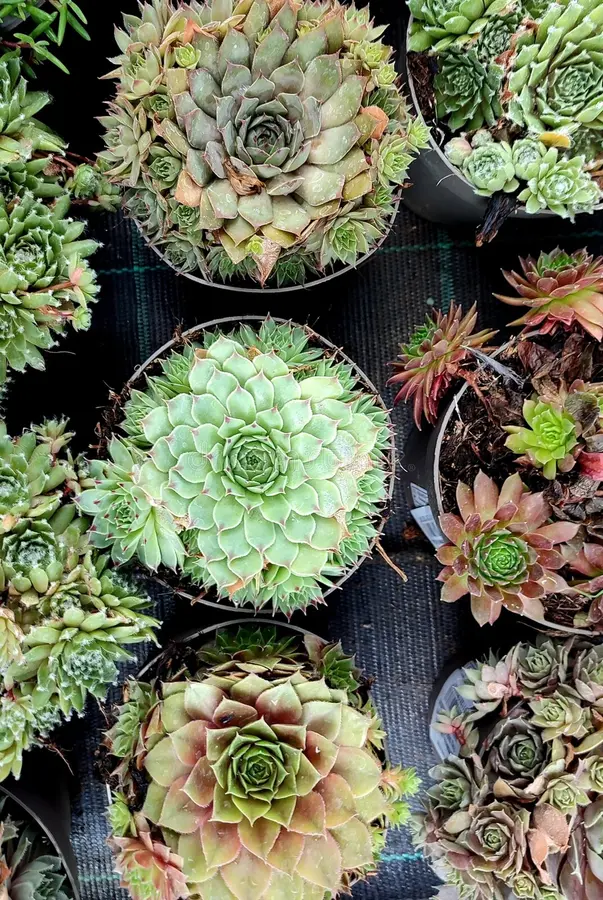
Look for listings where the variety name, pot or packet size, and a normal-looking plant photo all tell the same story; this usually signals a spec-focused offer rather than pure marketing.
Weigh DHgate against local herb sources
| Source | Variety range | Price and quantities | Control over plant condition |
|---|---|---|---|
| DHgate | Often a wider or more unusual range of mint and thyme varieties, especially for seeds and less common cultivars. | Can be cost-effective for seeds, bulk quantities, or multi-pack offers, though total cost depends on shipping and any customs or fees. | Less direct control; plants and seeds must survive shipping, packaging quality varies by seller, and transit time or distance can affect vigor. |
| Local nurseries and garden centers | Usually a curated but sufficient selection of common spearmint, peppermint, basic thymes, and a few specialty types. | Prices reflect local availability and handling; you typically buy smaller quantities at once but avoid separate shipping charges for each purchase. | Highest control: you can inspect, touch, and sometimes smell plants before paying, take them home immediately, and avoid long-distance shipping stress. |
If you are a newer gardener or care most about getting a few reliable mint and thyme plants established, relying on local nurseries, garden centers, or other in-person outlets for your core herbs is usually more comfortable, because you can see the plants’ condition before you buy them.
I would treat DHgate as a more cautious option for experiments or harder-to-find varieties, especially when I want specific flavors or ornamental forms that are not stocked locally. In that case, the earlier DHgate checks and risk filters become essential for balancing variety and price against the added uncertainty of shipping and seller variability.
More experienced or adventurous gardeners may decide that DHgate’s wider selection and potential savings are worth the tradeoff, as long as they accept that some orders may not arrive in perfect condition. In practice, DHgate often works best as a supplement to local buying rather than a complete replacement, with the right mix depending on how much risk you are willing to tolerate for the varieties you want.
Common questions about buying mint and thyme on DHgate
Should I buy mint and thyme as seeds or live plants on DHgate?
Seeds are usually cheaper, lighter to ship, and less fragile than live plants, so they tolerate DHgate’s longer shipping windows better, but they take more time and basic germination skill before you get usable herbs. Live plants give you a head start and let you see the growth habit sooner, yet they are much more sensitive to delays, rough handling, and extreme temperatures in transit. If you are cautious or new to gardening, I would lean toward clearly labeled seeds unless a seller shows strong evidence of good plant packing, realistic delivery times, and positive reviews that mention healthy live arrivals.
When is the best time to order mint and thyme online?
Aim for delivery just before or at the start of your local growing season, or when you already have a stable indoor setup with adequate light. For outdoor planting, factor in DHgate’s estimated delivery window and avoid ordering live plants to arrive during your region’s hottest or coldest periods, when boxes may sit in trucks or depots. Seeds are more flexible, but it still helps to align arrival with the weeks when you plan to start them, so check the listing’s expected ship and delivery dates and adjust your order timing accordingly.
What can I do if my mint or thyme order arrives damaged, dead, or wrong?
Handle issues methodically: take clear photos of the plants or seeds as they arrived, including labels and packaging, and keep all materials as evidence. Compare the shipment with the objective details from the original DHgate listing—plant or seed form, variety name, quantity, and any condition promises—then contact the seller promptly through DHgate messaging to explain the problem and share your photos. If you cannot resolve it directly, open a dispute within DHgate’s stated time limits so buyer protection can apply; having saved the listing details and your evidence strengthens your case for a refund or replacement.