
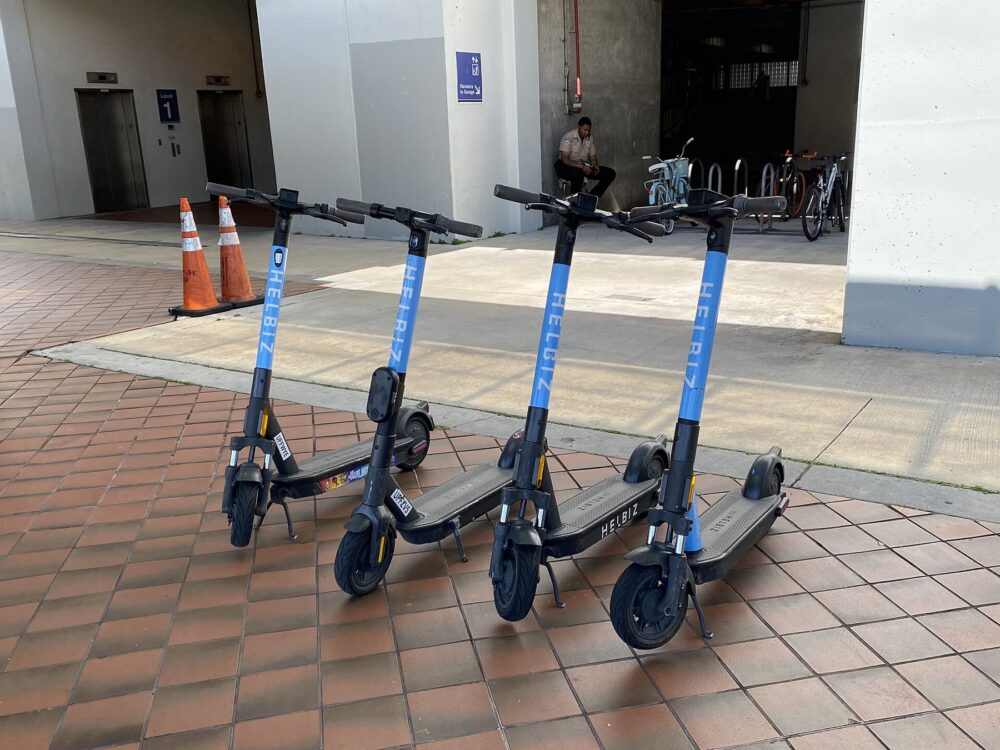
Yes, you can buy 6000W electric bikes and scooters online, but you won’t usually find them sitting next to commuter e-bikes on big US retail sites. High‑power models cluster on specialist brand stores (like Wilson eBikes, Mudliz, Yume), social commerce channels such as TikTok Shop, and cross‑border B2B marketplaces. Each route feels very different on price, risk, shipping, and whether you’re buying one unit or inventory.
If you’re a US rider looking for a single powerful off‑road bike or scooter, a brand‑direct site or reputable US reseller is usually the most straightforward option. If you’re a small ecommerce business trying to source or private‑label 6000W vehicles, you’ll likely end up comparing China‑based B2B platforms and accepting longer lead times plus more verification work.
The Online Landscape for 6000W Electric Bikes and Scooters
6000W is “big motor” territory. These bikes and scooters are typically sold as high‑performance or off‑road machines, not as everyday city commuters, and that shapes where they appear online.
On the bike side, Wilson eBikes sells the Segway Xyber electric motorbike through its own store, positioning it as a long‑range, high‑performance model rather than an entry‑level ebike. That’s a good example of a brand‑direct, premium listing in the 6000W class.
Mudliz takes a similar approach for dirt bikes. Its M6000 off‑road electric dirt bike is marketed explicitly as a 60V 6000W off‑road machine, aimed at riders who want serious power on rough terrain.
On the scooter side, Yume is one of several niche performance brands. The Hawk Pro Wide 6000W is sold via Yume’s own site and resellers, which shows that many 6000W scooters live in specialist ecosystems rather than mainstream marketplaces.
You can also see 6000W scooters starting to show up on social commerce. TikTok Shop hosts a dedicated “6000W electric scooters” category, where various sellers list high‑power models directly through shoppable videos.
By contrast, big generalist US retailers and typical urban ebike sites lean toward lower‑power commuter products. That’s why a search for “6000W” often takes you into niche stores, social feeds, or B2B marketplaces instead of the usual shopping apps.
How Different Platform Types Handle 6000W Models
You have four main online routes for 6000W bikes/scooters:
1. Consumer retail marketplaces (Amazon, eBay, etc.)
On large retail marketplaces, you’ll see occasional 6000W claims on “motorcycle‑style” ebikes or dual‑motor scooters, usually mixed into a huge catalog of lower‑power products. Listings can be inconsistent: some sellers quote peak wattage, others continuous, and some stretch specs for marketing.
These platforms are built for single‑unit consumer purchases. You get familiar checkout flows and fast shipping on some items, but bulk sourcing, customization, and direct factory relationships are not the focus. As a US buyer, this route can work if you’re happy with “take it as listed” and don’t need deep technical support.
2. Brand‑direct and specialist stores
Specialist sites are where 6000W starts to look intentional instead of bolted‑on marketing language.
- Wilson eBikes selling the Segway Xyber shows a brand/store that curates high‑performance models and presents them with detailed specs and positioning.
- Mudliz treats the M6000 6000W dirt bike as a flagship off‑road product.
- Yume focuses on powerful scooters like the Hawk Pro Wide 6000W.
- DakeyaBike operates an online store around fat‑tire electric bikes and scooters, illustrating a specialist retailer rather than an open marketplace: DakeyaBike home.
These sites generally:
- Price per unit, not per pallet.
- Ship directly from their own or regional warehouses.
- Offer branded support and parts, at least at the level of email and documentation.
For a single high‑power purchase, brand‑direct is often the least confusing path.
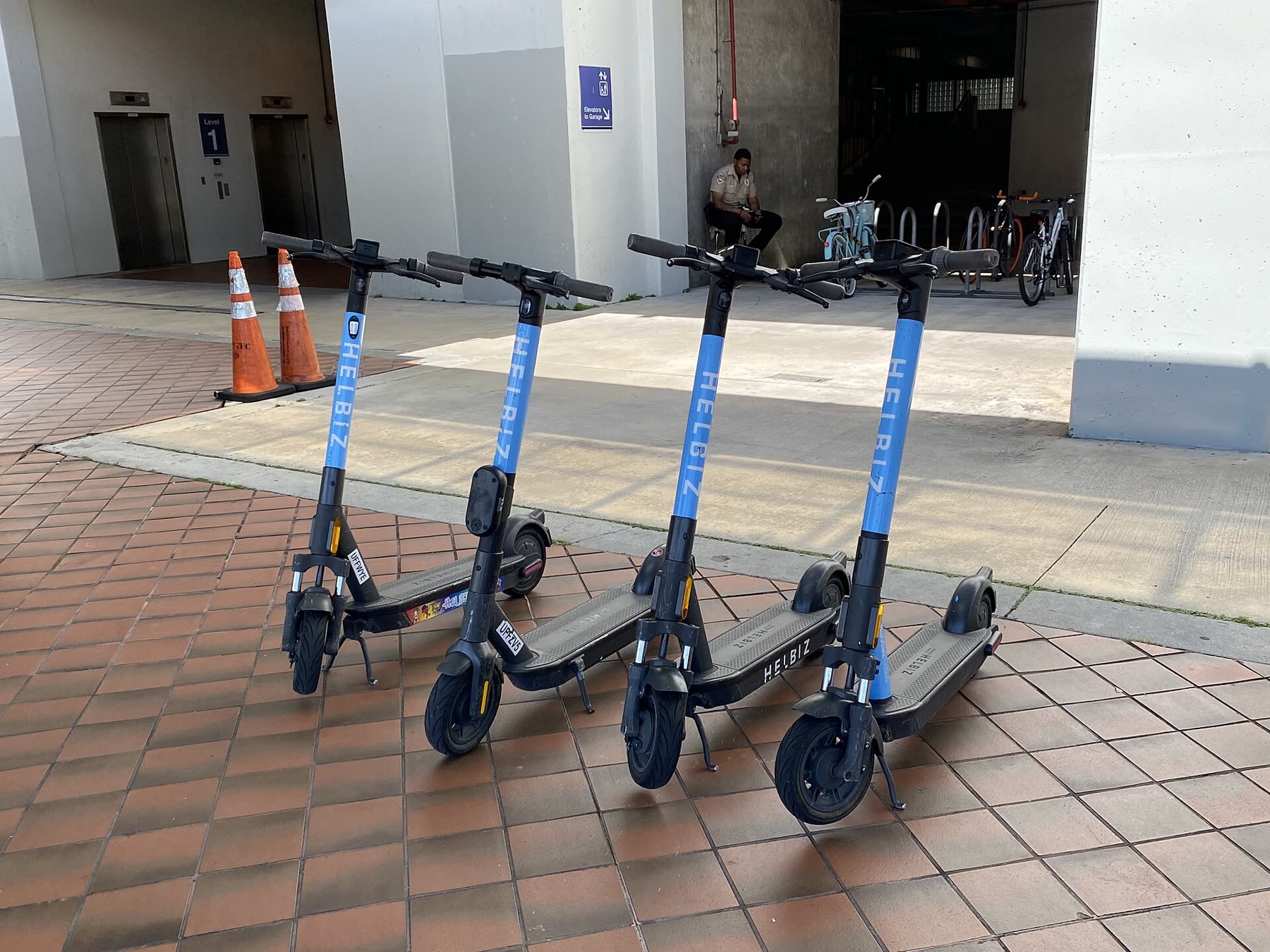
3. Social commerce platforms (TikTok Shop)
TikTok Shop blurs content and commerce. Its 6000W scooter category shows:
- Creators or brands promoting high‑power scooters via short videos.
- In‑app checkout and promotions tied to specific creators or campaigns.
This can be attractive if you want to see real‑world footage before buying, but you’re dependent on individual sellers. For inventory sourcing, TikTok is more marketing channel than supply chain; you’ll rarely see formal MOQs or OEM/ODM tooling discussions here.
4. Cross‑border B2B marketplaces
If you’re a small ecommerce business aiming to import 6000W bikes or scooters, you’ll quickly run into China‑based B2B platforms.
- Made‑in‑China hosts factories and trading companies offering 6000W electric scooters, often targeting distributors.
- Alibaba shows similar patterns, including high‑power electric motorcycles and ebikes aimed at bulk buyers.
These platforms are structured around:
- Negotiable pricing and bulk quantities.
- Long‑distance logistics and customs.
- Direct contact with suppliers for branding, minor customizations, or spec tweaks.
DHgate is another international B2B marketplace with electric scooters, described that way in its own editorial blog. On DHgate, you’re dealing with individual sellers rather than the platform itself, so you’d approach it like any cross‑border marketplace: identify specific scooter suppliers, check their catalog, and independently compare ratings, pricing, and stated warranties.
Because B2B marketplaces vary heavily by seller, a good starting point for understanding how they work is this neutral explainer: What DHgate is and how the marketplace works. For broader platform context, you can also look at Compare online marketplaces and shopping platforms and Compare DHgate with AliExpress, Alibaba and Temu.
Quick platform snapshot
This table focuses on how these platform types typically feel for 6000W buyers and small resellers:
| Platform type | Typical 6000W presence | Best for | Trade‑offs (editorial judgment) |
|---|---|---|---|
| Big consumer marketplaces | Scattered, mixed with lower‑power products | Budget‑minded single‑unit buyers | Variable specs, limited tech support |
| Brand/direct specialist | Intentional flagships (Xyber, M6000, Hawk Pro) | Riders wanting known performance | Higher per‑unit price, less bulk focus |
| Social commerce (TikTok) | Creator‑led 6000W scooter listings | Discovery and impulse purchases | Seller‑by‑seller reliability |
| Cross‑border B2B marketplaces | Multiple factory/trader 6000W offers | Importers and resellers | More verification, longer timelines |
Matching Your Use Case to the Right Platform Route
Because 6000W machines are powerful and often off‑road oriented, you need to match platform choice to how you’ll actually use or sell them.
Scenario 1: US commuter who “just wants power”
If you’re commuting in US cities, a 6000W scooter or bike may be overkill or restricted by local law. Many states limit power, speed, or where you can ride personal scooters and ebikes. Without giving legal advice: you should check your city and state rules before spending serious money on a 6000W vehicle.
For a commuter who wants strong acceleration but plans to ride on public roads and paths, a specialist brand site or reputable US retailer selling mid‑power models may be a better fit than chasing a 6000W spec on a marketplace listing.
Scenario 2: Off‑road rider wanting a single high‑power machine
Here, brand‑direct sites shine:
- The Mudliz M6000 6000W dirt bike is marketed for off‑road use, which aligns with this scenario.
- Yume’s Hawk Pro Wide 6000W targets riders seeking powerful scooters.
You pay more per unit than unbranded marketplace listings, but you’re buying into a defined product line with specs, parts, and some level of brand accountability. For most individual off‑road riders, that’s worth the premium.
Scenario 3: Small ecommerce business sourcing inventory
As a reseller, you’re juggling margin, MOQ, and support.
- If you want a branded, premium lineup, working with specialist brands (Wilson eBikes, Yume, Mudliz, DakeyaBike) as an authorized dealer or affiliate keeps product risk lower but margin tighter.
In this sourcing mode, your real work is:
- Shortlisting 6000W‑capable suppliers.
- Vetting their documentation, certifications, and sample units.
- Planning for after‑sales support in the US, since platform marketplaces themselves don’t run your warranty department.
High‑power vehicles carry more safety, regulatory, and reputational risk than low‑power commuter scooters. If you’re importing, build extra time and budget for testing and compliance, not just for price negotiation.
For some small sellers, the conclusion is that stocking a well‑known 3000-4000W brand model through a US distributor is safer than jumping straight into 6000W imports.