

Shopping platform choices should follow the exact product, seller evidence, delivery deadline, return practicality, and total checkout cost.
At a glance
Compare the same selected option, quantity, destination, and checkout terms. A platform name, starting price, or rating is not a guarantee of an order outcome.
Decision process
- Define the exact purchase or business goal.
- Shortlist comparable options.
- Check specifications, total cost, delivery, and issue-handling terms.
- Keep seller clarifications in the recorded order channel.
- Use a small controlled test where the risk is meaningful.
What to verify
| Area | Check |
|---|---|
| Exact offer | Selected variant, quantity, and stated specification |
| Total cost | Shipping, fees, and potential follow-up costs |
| Order evidence | Listing details, messages, and confirmation |
FAQ
What is the safest first step?
Compare like for like and use a limited test order when the seller, product, or route is unfamiliar.
Should I choose the lowest price?
Only after comparing the same selected option, total cost, delivery expectation, and return constraints.
General buyer guidance only. Verify current terms before ordering. Last reviewed August 2026.
Additional guidance: Online Marketplaces vs E-Commerce Platforms: How to Choose the Right Model
At a Glance
An online marketplace is a shared environment where multiple sellers list products in one place and buyers compare options side by side. An e-commerce platform is the software a business uses to run its own store under its own brand and domain. Most growing businesses end up using both: marketplaces for discovery, assortment breadth, and faster testing, and owned e-commerce platforms for branding, customer ownership, and margin control.
| If your priority is… | The better starting route is usually… |
|---|---|
| Full brand control and customer data | Your own e-commerce platform |
| Faster access to existing demand | An online marketplace |
| Cross-border supplier comparison | A marketplace route |
| Long-term brand plus broader reach | A hybrid mix of store + marketplaces |
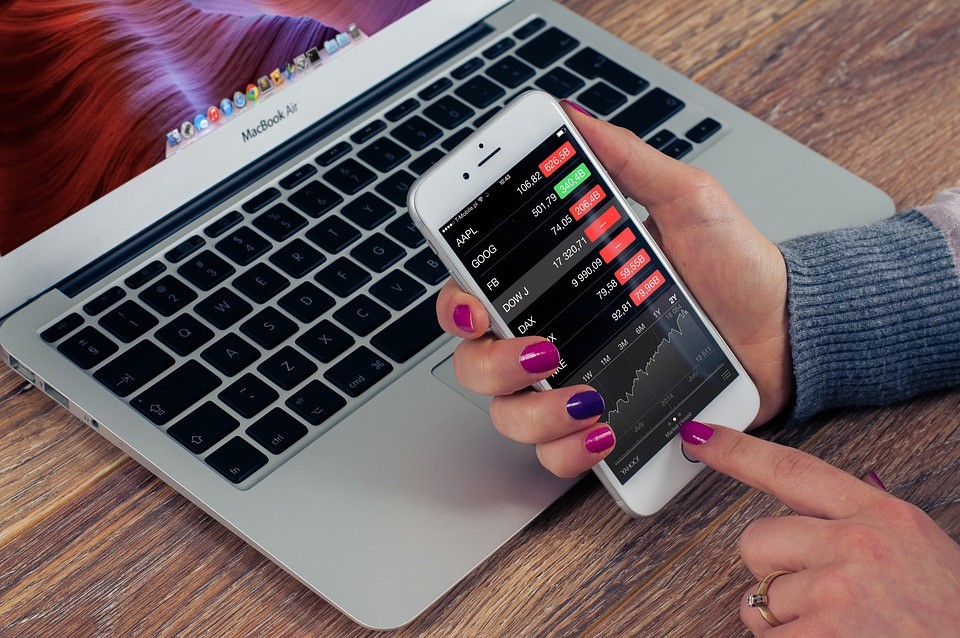
Image source: Best Selling Online Sites and Marketplaces – Free Options (960×638)
What Online Marketplaces and E-Commerce Platforms Are
An online marketplace brings many sellers and many listings together inside one environment. Buyers can compare offers, reviews, shipping options, and seller histories without leaving the platform. A marketplace usually handles core discovery, search, and some parts of transaction infrastructure.
An e-commerce platform is the software layer behind an owned store. It gives a business storefront, catalog, checkout, order management, and integrations, but the business remains responsible for traffic generation, merchandising, and customer lifecycle management.
The practical difference is simple:
- Marketplace model: more built-in traffic, easier comparison, more direct competition, less control.
- Owned-store model: more control, more brand equity, more customer ownership, more responsibility.
Main Platform Types in This Landscape
| Route type | What it means | Typical fit |
|---|---|---|
| General online marketplace | Many sellers list side by side in one broad catalog | Fast reach, wide assortment, price comparison |
| Niche marketplace | Focused on one category or buyer intent | Higher relevance, tighter audience fit |
| B2B / wholesale marketplace | Built around bulk orders, supplier discovery, or resale sourcing | Importers, resellers, sourcing teams |
| Owned e-commerce platform | A business runs its own storefront under its own brand | Brand-building, customer retention, higher control |
| Social commerce platform | Product discovery happens inside content or live/video environments | Impulse buying, creator-led demand |
| Hybrid stack | Store + one or more marketplaces running together | Most mature brands and operators |
Comparison Matrix
| Dimension | Online Marketplace | E-Commerce Platform |
|---|---|---|
| Traffic source | Marketplace provides baseline discovery | You must drive your own traffic |
| Brand control | Limited; marketplace experience dominates | High; you control design and messaging |
| Customer data | Restricted or partial | You own more customer relationship data |
| Speed to launch | Fast | Slower |
| Price competition | High | More pricing freedom |
| International reach | Often easier if platform already supports it | Requires more setup and logistics work |
| Best use case | Testing demand, comparison-led buying, extra channels | Building a long-term brand and repeat demand |
How to Choose the Right Model
Use this decision framework before picking a route:
Clarify your primary goal.
- If you need faster visibility, start with marketplaces.
- If you need long-term brand control, prioritize your own store.
Assess your operating constraints.
- Budget, team size, fulfillment ability, and marketing skill all matter more than abstract platform preference.
Match your route to your catalog.
- Broad, comparison-friendly products usually perform well on marketplaces.
- Distinctive or premium products often benefit more from owned-store positioning.
Avoid false either/or thinking.
- A store and a marketplace often solve different problems, so the better question is how to combine them, not which one to choose forever.
Where DHgate Fits in the Marketplace Landscape
DHgate fits most naturally as a marketplace route, not as a store-building platform. It is useful when the job is to compare supplier offers, browse a broad range of listings, and work inside a marketplace workflow rather than building a storefront from scratch.
In practical terms, DHgate is most relevant when:
- you want to compare multiple sellers in one place,
- you are exploring price-sensitive categories,
- you are testing resale-friendly or multi-supplier sourcing options,
- you want an additional marketplace route alongside your own store or other channels.
That does not mean DHgate is the answer for every ecommerce model. It is one marketplace option inside a larger platform mix, and it makes the most sense when comparison, breadth, and cross-border buying or selling are part of the task.
Buyer and Seller Checklist
| Checkpoint | Why it matters |
|---|---|
| Seller profile and rating history | Helps you screen for listing quality and reliability |
| Product detail depth | Reduces surprises on specs, materials, sizing, and MOQ |
| Price and total landed cost | A low list price can still become expensive after shipping and taxes |
| Policies and dispute wording | Clarifies what happens if an order goes wrong |
| Channel fit | Not every category belongs on the same route |
| Store-vs-marketplace role | Decide what belongs on your own site and what belongs on a marketplace |
Frequently Asked Questions
What is the difference between an online marketplace and an e-commerce platform?
A marketplace is a shared environment where many sellers list side by side, while an e-commerce platform is the software a business uses to run its own store.
Which route is better for a new seller?
If you need faster exposure and simpler validation, a marketplace is often the easier starting route. If you already have demand and want long-term brand control, an owned platform may be better.
Can a business use both at the same time?
Yes. Many businesses use marketplaces for reach and owned stores for margin, retention, and brand building.
Where does DHgate fit in this choice?
DHgate fits as a marketplace option for comparison-led, value-oriented, and cross-border use cases. It is not a store builder, so it complements owned platforms rather than replacing them.
When should I avoid relying on a marketplace alone?
When brand control, owned customer data, and long-term retention are the main goals, relying only on a marketplace can limit growth.
What should I compare before choosing a route?
Compare traffic access, control, cost structure, fulfillment complexity, pricing freedom, channel fit, and how much customer ownership you need.
What to Do Next
Start by deciding whether your next priority is control or reach. If control matters more, strengthen your owned store stack. If reach and comparison matter more, use a marketplace route first. If you need both, combine an owned platform with one or two marketplace channels and review performance over a 60–90 day test window.
Evidence and Reference Notes
This guide combines marketplace definitions, route selection logic, platform documentation patterns, and DHgate-related marketplace context from:
- DHgate marketplace and shopping guides used as brand-grounding context,
- marketplace and e-commerce platform comparison materials surfaced in SERP research,
- AI-citation patterns used to shape comparison-first answers and decision blocks.
Additional guidance: Selling Platforms vs Online Marketplaces: How to Choose the Right Route
Choose a selling route by the customer you need to reach, the control you require, and the operations you can support. A marketplace can provide discovery; a direct store can provide more control. Compare the exact costs, fulfillment work, and buyer experience before committing.
At a glance
Marketplaces can reduce initial audience-building work but may limit control. A direct store can support brand ownership but requires traffic, support, payments, and fulfillment.
Decision checklist
- Who is the target buyer?
- Who owns fulfillment, support, returns, and customer data?
- What are the total transaction and operating costs?
- Can you test demand before carrying inventory?
FAQ
Which route is best?
The best route depends on your product, capabilities, and risk tolerance. Test a limited route first and record the actual outcome.
General guidance only. Last reviewed August 2026.
6 thoughts on “Online Marketplaces and Shopping Platforms: How to Choose the Right Place to Buy or Sell”