
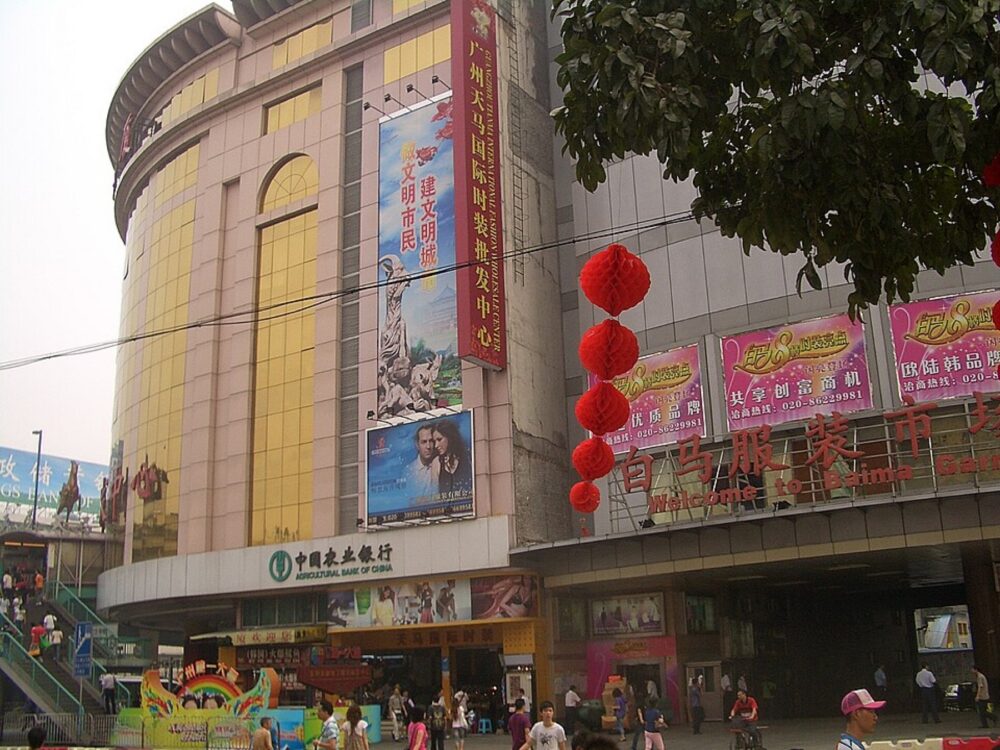
Guangzhou’s clothing wholesale scene doesn’t have a single official website you can just log into and start buying from the “Guangzhou Clothing Wholesale Market.” What people are really talking about are big physical districts like Shahe and Baima in Guangzhou, plus the online platforms that pull inventory from those hubs. As a US buyer, you usually reach Guangzhou-made apparel through broad China-focused marketplaces (Alibaba, DHgate, AliExpress, Made‑in‑China) or China‑domestic wholesale sites, not a city-run online market.
For a small ecommerce brand, the practical decision is which type of platform you use to tap into Guangzhou production: a global B2B marketplace where you negotiate directly with factories, a domestic Chinese site where prices are lower but navigation is harder, or a curated fashion/wholesale distributor that sits in the middle. Your budget, order size and appetite for hands‑on sourcing determine which route makes sense.
What People Mean by the Guangzhou Clothing Wholesale Market Today
In sourcing discussions, “Guangzhou Clothing Wholesale Market” is shorthand, not a formal entity. Community advice often points to specific physical areas—Shahe for mass‑market low‑price fashion, Baima for higher‑end styles—when people ask where in Guangzhou to find clothing suppliers in person. Those are streets and buildings packed with stalls and showrooms, not online platforms.
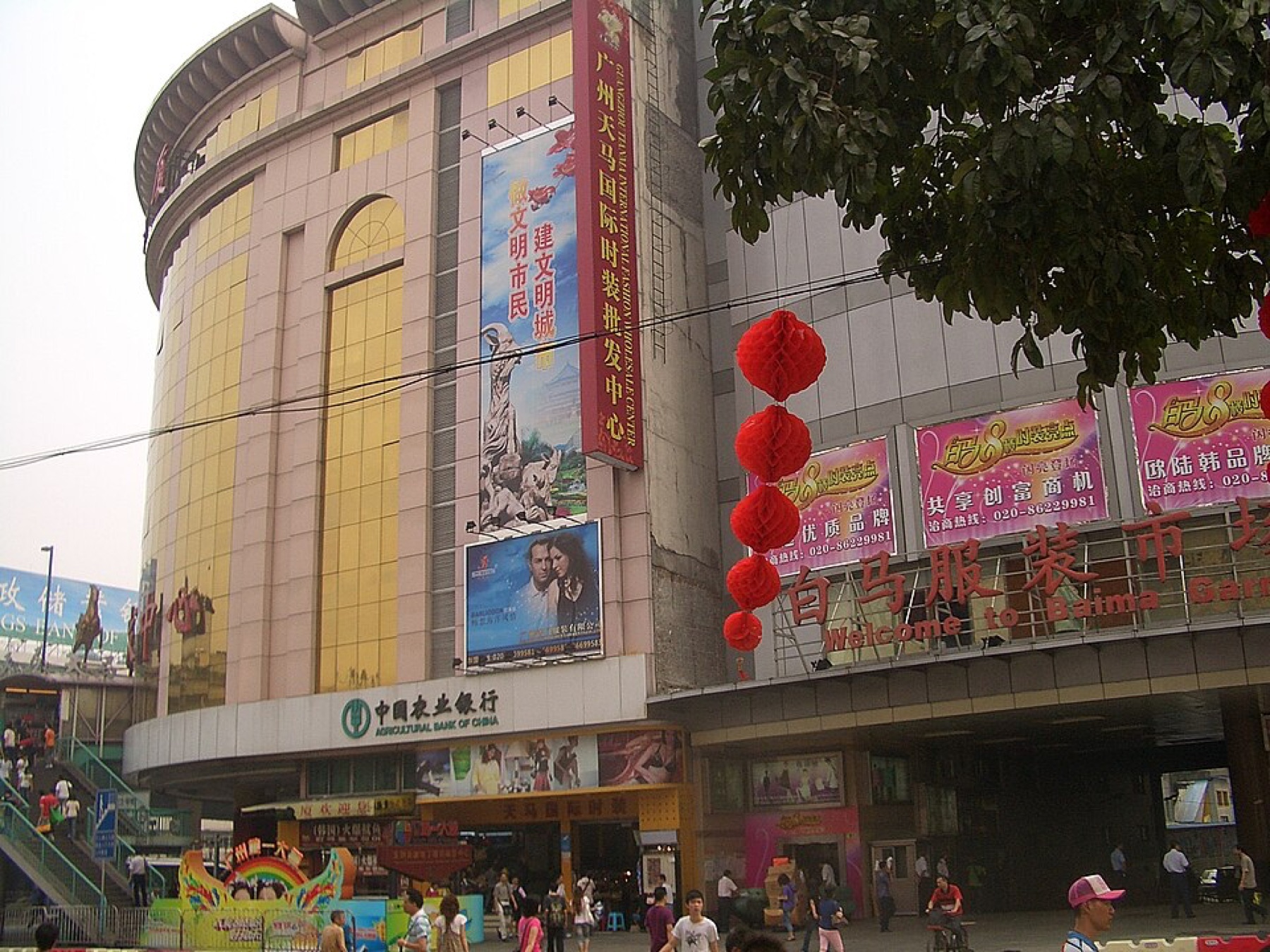
If you’re in the US, you usually don’t book a flight just to walk those markets. Instead, you:
- Treat “Guangzhou clothing” as a product origin (many vendors mention Guangzhou or Guangdong in their profiles).
- Use online marketplaces and wholesale sites that aggregate suppliers from Guangzhou and other fashion hubs.
Some blogs and smaller sites talk as if there were a dedicated “Guangzhou wholesale market online” platform, but those are independent projects or aggregators, not an official city system. For decision‑making, it’s more accurate to think in terms of platform models that happen to feature Guangzhou suppliers. DHgate’s own editorial overview of China wholesale sites, for example, groups Alibaba, DHgate, AliExpress and Made‑in‑China together as broad platforms where overseas buyers can reach Chinese apparel suppliers, rather than presenting any single site as Guangzhou’s official channel. You can see that positioning in their roundup: China wholesale platforms overview.
Online Platform Types That Give You Access to Guangzhou-Made Clothing
From a buyer’s point of view, most Guangzhou apparel online falls into three platform models.
1. Global B2B marketplaces (direct to factories and trading companies)
Think of broadly known sites that connect overseas buyers directly to manufacturers and trading firms. Editorial coverage of platforms like Made‑in‑China describes them as B2B sites where you can:
- Search by product type (e.g., “women’s dresses,” “sportswear”).
- Filter by region and find suppliers based in Guangdong/Guangzhou.
- Contact suppliers to negotiate pricing, MOQs and customization.
On these platforms, prices are usually indicative until you talk to the seller. You request quotes, share your spec sheet, and often go back‑and‑forth on fabrics, labels, and carton quantities. That suits you if you’re building a brand with repeat orders and want factory relationships.
Typical trade‑offs:
- Pros: Potentially sharper pricing at scale, access to OEM/ODM services, ability to customize.
- Cons: More legwork on vetting, communication, and sample management; less instant “add to cart” simplicity.
2. China‑domestic wholesale sites (lower prices, higher friction)
Community sourcing threads often mention 1688.com as an internal Chinese wholesale site with significantly lower prices than export‑oriented marketplaces. Vendors there target local buyers, including traders shopping Shahe and Baima.
If you can navigate Chinese‑language interfaces or work with an agent, these sites can expose very similar Guangzhou garments to what’s in the physical markets, often at:
- Lower listed unit prices (because they cater to domestic wholesale).
- Higher MOQs and less English‑language support.
This route can fit if you:
- Are comfortable using an agent or third‑party buying service.
- Want to chase rock‑bottom pricing once you’ve already tested a style elsewhere.
But it’s a poor first step for most US microbrands because you’re adding language, payment and logistics complexity right when you’re still figuring out product‑market fit.
3. Curated fashion and distributor‑style platforms
There’s a middle layer of platforms and distributors that aggregate clothing from multiple factories (including in China) and present it as ready‑to‑buy wholesale or dropship inventory.
Editorial descriptions of sites like Chinabrands frame them as worldwide wholesale/distributor platforms with wide product ranges—including clothing—where you browse a catalog and the platform handles much of the fulfillment. You’re not usually negotiating directly with every Guangzhou factory; instead, you pick from a curated set the platform decides to carry.
Typical trade‑offs:
- Pros: Faster onboarding, simpler ordering, often smaller MOQs per SKU; good for testing styles.
- Cons: Layer of margin added by the distributor, less direct control over factory relationships, limited customization.
This model is appealing if you want to validate demand (e.g., a new streetwear line) without immediately managing factory‑level sourcing in Guangzhou.
How these platform types differ in practice
Here’s a simplified comparison focused on how they help you reach Guangzhou clothing:
| Platform model | How you reach Guangzhou apparel | Typical MOQ feel* | Relationship depth |
|---|---|---|---|
| Global B2B marketplace | Search vendors by category/location; negotiate directly | Often medium–high per style | Direct with factory/trader |
| China‑domestic wholesale site | Chinese‑language listing; often via agent or local contact | Often high; bulk‑oriented | Indirect unless you visit |
| Curated fashion/distributor site | Preselected catalog; platform sits between you and factory | Often low–medium per style | With platform, not factory |
*Indicative editorial judgment: exact MOQs vary by seller.
Choosing Your Platform Route for Guangzhou Clothing Sourcing
Once you understand the models, the choice is about your current stage and risk tolerance, not which single site is “best.” Here’s how US buyers often align them with real scenarios.
Scenario A: Small brand testing styles
You’re running a Shopify store or selling on marketplaces, and you want to try 10-30 units each of several Guangzhou‑style pieces (e.g., trendy dresses, streetwear tops).
- Better fit: Curated fashion/distributor platforms or export‑oriented marketplaces that allow smaller bulk orders without complex RFQs.
- Why: You get access to China‑made apparel without immediately negotiating factory terms in Chinese.
In the marketplace segment, platforms such as Alibaba, AliExpress, DHgate and Made‑in‑China are commonly mentioned in editorial roundups as broad China wholesale/retail sites covering clothing. Your job is to:
- Filter for suppliers based in Guangdong or Guangzhou if origin matters.
- Compare price ranges, photos and descriptions across multiple sellers.
- Read existing feedback patterns and, before any larger order, ask for fabric details and measurement charts.
If you want a deeper dive on how broad marketplaces work in general, you can compare their mechanics here: online marketplaces and shopping platforms and see brand‑level differences in Compare DHgate with AliExpress, Alibaba and Temu.
Scenario B: Building a long‑term label with repeat production
You have a clear brand identity and expect to reorder the same Guangzhou‑made pieces for multiple seasons.
- Better fit: Global B2B marketplaces like Made‑in‑China, or direct factory access via sourcing agents who work the Shahe/Baima circuits.
- Why: You can standardize materials, negotiate long‑term pricing and book capacity.
In this route, you mainly:
- Shortlist 3-5 suppliers for each category (e.g., denim, knitwear) based in manufacturing hubs.
- Run paid samples and small trial orders.
- Lock in specs and move toward repeat POs.
This is more work up front, but you gain supply stability and better control over margins once your volume grows.
Scenario C: Chasing the absolute lowest price
You’re focused on price above everything else and are willing to accept more friction.
- Better fit: China‑domestic wholesale platforms (like 1688) combined with an experienced buying agent or logistics partner.
- Why: These sites are tuned to local traders and often surface the same Guangzhou goods at lower tags.
This path makes more sense after you’ve already validated specific SKUs via simpler platforms. At that point, you’re transferring known‑good styles to a leaner cost base.
Where to start from the US
If you haven’t sourced Guangzhou clothing before:
- Start with an export‑friendly marketplace or curated distributor to test demand and understand product quality.
- Use region filters, vendor profiles and community discussions to locate suppliers that appear to work out of Guangzhou or broader Guangdong.
- Only once you have winning SKUs consider stepping “closer” to the physical Guangzhou markets via B2B sites or domestic platforms.
If you later decide DHgate specifically might be part of your mix, first understand its general marketplace structure and how buyers interact with sellers here: What DHgate is and how the marketplace works. Then apply the same cautious, listing‑by‑listing evaluation you’d use on any other large Chinese marketplace.