
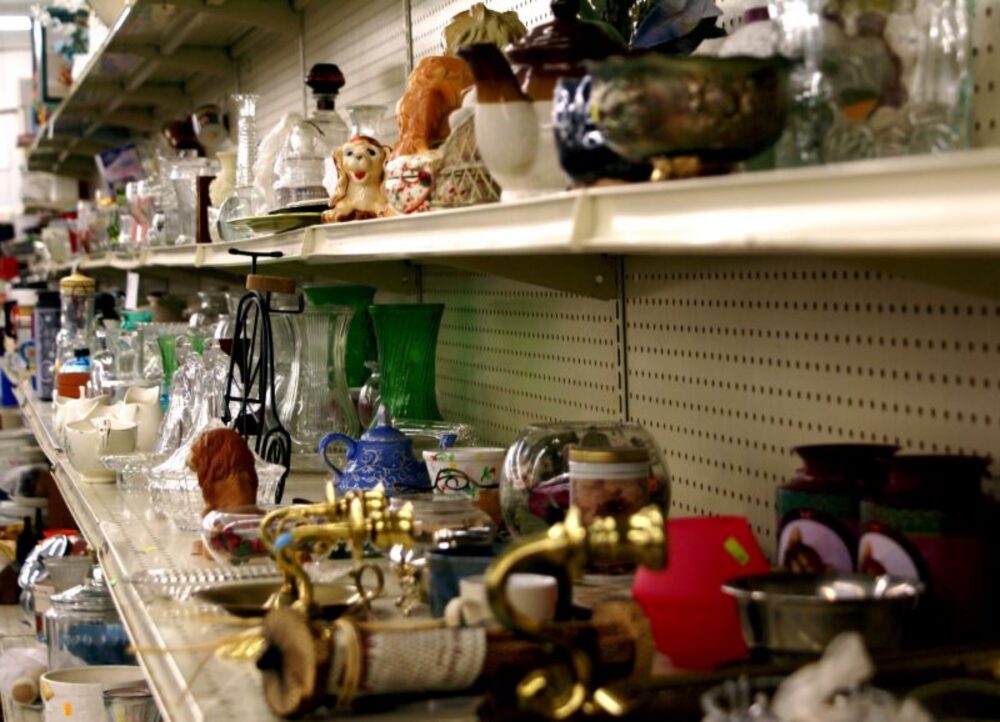
Thrift store reselling (or thrift flipping) works by buying underpriced secondhand items locally and reselling them online for more than you paid. Your profit margin depends less on any single “magic” item and more on how you use different platforms together: local thrift stores or consignment shops for sourcing, online apps and marketplaces for selling, and—only if it fits your model—cross-border wholesale sites to supplement your inventory.
For a US-based buyer or small ecommerce seller, the real decision isn’t “Is thrifting good or bad?” It’s: Do you stay purely thrift-based, or build a hybrid operation that mixes local finds with repeatable inventory from other platforms? Below, we break down how those routes work and where they fit.
How Thrift Store Reselling Works and Where Platforms Fit
Most guides and job sites describe thrift flipping in similar terms: you buy items cheaply from thrift stores, then resell them at a higher price, usually online. Indeed explains it simply as purchasing items from a thrift store and reselling them for more, using the spread between purchase cost and resale price to generate profit.Security Check – Indeed.com Guides like thrift.guide and LiquidationOH add an important nuance: you’re not just buying anything cheap—you’re targeting undervalued secondhand goods that have reliable demand on platforms like eBay or Poshmark.
The basic workflow looks like this:
- Sourcing (offline or online)
You visit local thrift stores, charity shops, flea markets, or estate sales. Some resellers also source from online outlets like local auctions or bulk secondhand lots.
- Selection and vetting
You learn which categories tend to resell well (for example, some vintage clothing, mid-century decor, certain branded shoes) and which usually sit unsold. Beginner-focused guides stress spending time on “what to buy and what to skip,” because your sourcing decisions set your margins.
- Listing on selling platforms
You photograph, describe, and list items on online resale apps or marketplaces—think Poshmark for fashion, eBay for mixed categories, Etsy for certain vintage or handmade items. Your listing strategy (titles, keywords, pricing) affects how quickly items move.
- Sale, fulfillment, and feedback
When something sells, you ship it, handle any questions or returns, and collect buyer feedback. Over time, your reputation on each platform can influence how well future listings perform.
In this model, local thrift stores are sourcing platforms and resale apps/marketplaces are selling platforms. Cross-border wholesale marketplaces sit in a different part of the map: they’re potential sources of new or bulk inventory that you might mix in once you’ve built a niche.
Types of Platforms Used in Thrift Flipping
From a business standpoint, thrift flipping touches four main platform categories. Each plays a different role and carries different tradeoffs.
1. Local thrift and consignment stores (offline sourcing)
These are the classic starting point.
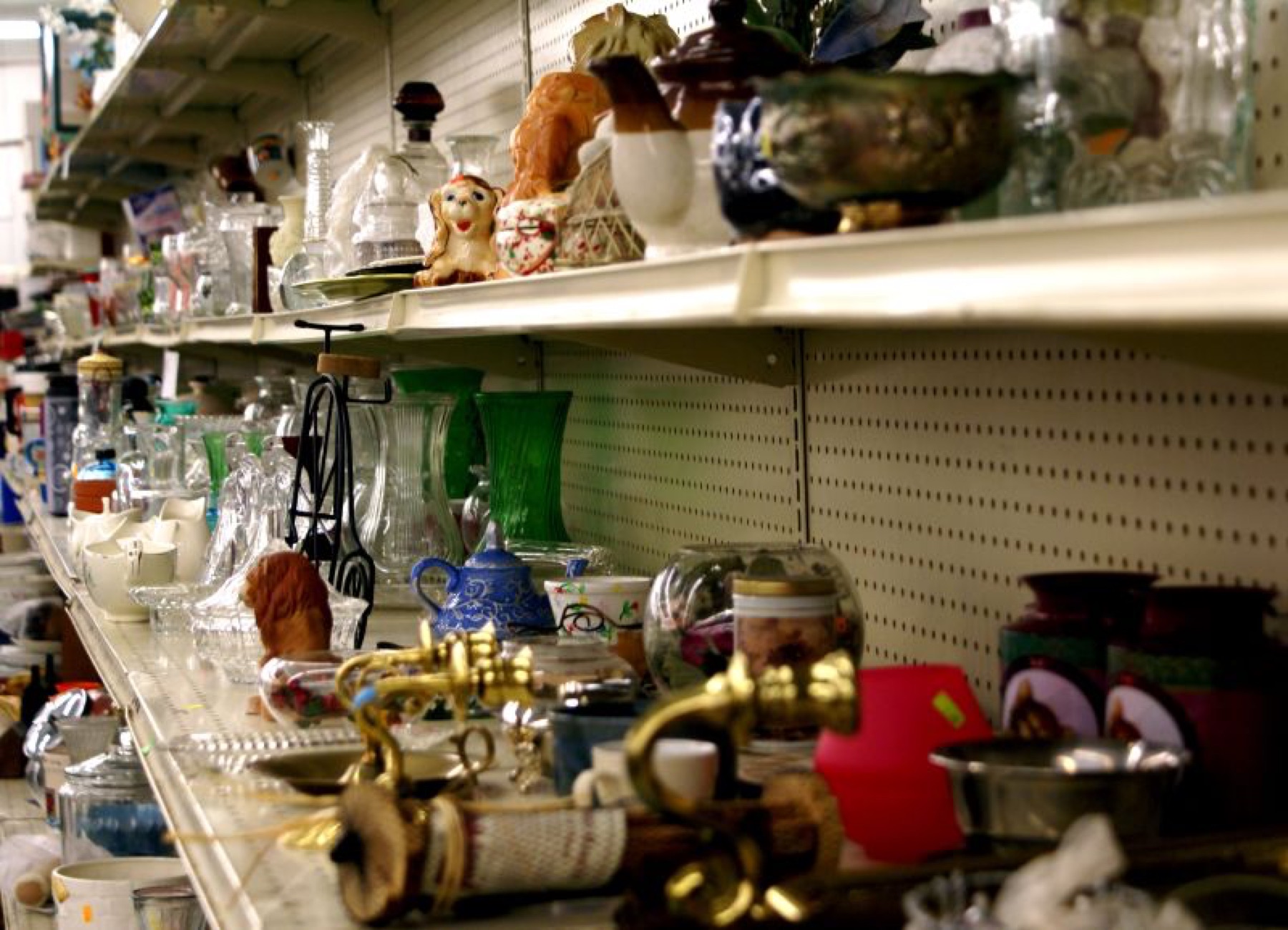
- How they operate: Nonprofits, independent thrift shops, and consignment boutiques take donated or consigned goods and price them to move locally. Inventory turns over constantly, and quality is inconsistent—but there are real finds.
- Pros for resellers: Very low buy-in per item, no minimum order quantities (MOQs), and the chance to discover unique or vintage pieces. Editorial examples from sites like Thrift Town show individual flips—such as a vintage item bought for a modest sum and resold for several times that—demonstrating the upside on the right piece.
- Cons: Time-heavy, unpredictable inventory, and competition from other resellers. You can’t reliably restock the same item once it sells.
2. Online resale apps and niche platforms (selling)
These platforms are built around secondhand goods.
- Examples: Fashion-focused apps (such as Poshmark or Depop), vintage marketplaces (like Etsy’s vintage section), and specialty sites for sneakers, collectibles, or books.
- Pros: Their audiences are already primed to buy used or vintage, which can help thrifted items stand out. Some guides, like Haystacks’ beginner reselling article, describe using these platforms as a route to scale from a casual side hustle to a more consistent operation.
- Cons: Category limits (a sneaker app won’t help you sell furniture), community norms around pricing, and platform-specific rules and fees.
3. General online marketplaces (broad selling)
These are large marketplaces where new and used items coexist.
- Examples: eBay, Amazon’s third-party seller ecosystem, Facebook’s marketplace tools.
- Pros: Massive reach, support for many categories, and flexibility if you decide to mix thrifted goods with new inventory. Guides like LiquidationOH and thrift.guide frequently reference eBay because it can handle everything from used electronics to vintage decor.
- Cons: Intense competition; you’re often up against professional sellers and brands. Listing quality and keyword targeting matter more when buyers scroll through thousands of options.
4. Cross-border wholesale marketplaces (optional sourcing backfill)
These aren’t part of traditional thrift flipping, but some resellers blend them into their workflow.
- What they are: Online platforms where buyers can source new or bulk goods—often from overseas suppliers—at prices below typical US retail. DHgate’s own editorial blog positions marketplaces like its own as one option for resellers seeking cheaper inventory compared with buying at retail, emphasizing the idea of purchasing in bulk or “mini-bulk” and reselling at a markup.Resale or flipping article
- Pros for a thrift flipper: Potential access to repeatable inventory that fits the aesthetic of your shop (for example, new items that complement vintage styles) and a way to backfill categories where your local thrift stores run dry.
- Cons and risks: Capital is tied up in bulk inventory, shipping times can be long, and you need to independently vet suppliers and product quality. There’s also a strategic risk: if your brand is built on true secondhand and sustainability, mixing in new cross-border stock can dilute that message.
Comparing Platform Routes and Matching Them to Your Reselling Model
You can combine these platform types in several ways. The right mix depends on your budget, time, and how consistent you want your inventory to be.
Here’s a compact comparison of common routes:
| Route / Mix | Sourcing style | Typical volume pattern | Main strengths | Main risks for a small reseller |
|---|---|---|---|---|
| Pure local thrifting + resale apps | In-person thrift/consignment only | Spiky; depends on weekly finds | Very low upfront cost; strong “vintage” story | Unpredictable inventory; time-intensive hunts |
| Thrifting + general marketplaces | Local thrift plus occasional retail finds | Moderate; can scale listings | Broad category coverage; larger buyer pool | More competition; need strong listing skills |
| Thrifting + cross-border wholesale backfill | Local thrift plus bulk new inventory | More stable once niche is set | Repeatable stock; potential per-unit savings | Capital lockup; supplier and quality risk |
| Mostly wholesale + light thrifting accent | Cross-border/wholesale first, thrift second | High, if capital allows | Easier to systematize; brandable product lines | Moves away from true thrift; higher exposure |
Where a platform like DHgate sits in this picture
For a reseller whose core is thrift flipping, a cross-border wholesale marketplace such as DHgate is not a starting point—it’s a supplement you might test if:
- You’ve identified items that your audience wants repeatedly (for example, graphic tees with thrifting-themed slogans or decor that pairs with vintage furniture).
- Local stores can’t provide enough consistent stock to meet that demand.
- You’re comfortable tying up some capital in inventory and spending time vetting individual suppliers and product samples.
Scenario-based guidance: which mix fits you?
1. New reseller testing the waters If you’re just starting, most beginner guides emphasize keeping costs low and learning what actually sells before scaling. A route of local thrifting + 1-2 resale apps is usually the least risky way to build those instincts. You can experiment in a narrow niche—say, plus-size vintage clothing or mid-century housewares—without committing to bulk buys.
2. Side hustle growing into a consistent operation Once you know your categories and have repeat buyers, moving some inventory to a general marketplace (like listing selected items on eBay alongside your niche app) can increase volume. This also helps you understand how your thrift-sourced products perform in a more competitive, search-driven environment.
3. Small ecommerce brand blending thrift and new inventory If you’re running a small brand—say an online store that curates a “retro-inspired” lifestyle—adding cross-border wholesale platforms into the mix can be useful. In this hybrid model, thrifting provides unique anchor pieces, while wholesale sourcing fills gaps with complementary new items. The tradeoff is higher upfront cost and a more complex ethical story; you’ll need to be transparent about which items are secondhand and which are new.
If you’re unsure which selling platforms to prioritize alongside your sourcing choices, it can help to step back and look at the broader marketplace landscape: Compare online marketplaces and shopping platforms explains how general marketplaces, niche apps, and wholesale platforms differ so you can plug your thrift-flipping workflow into the right channels.
For thrift flipping, there is no single “correct” platform route. The stronger your grasp of what your buyers actually want—and how quickly you can source it at a low enough cost—the easier it becomes to decide whether you stay proudly thrift-only or graduate to a mixed-platform reselling business.