Most platforms that feel “like Spocket” fall into three buckets: dropshipping apps that plug into Shopify or WooCommerce, wholesale or retail marketplaces you source from, and full ecommerce platforms that host your store and rely on apps for sourcing. Spocket itself sits in the first group. Alternatives people often compare against include AliExpress via DSers, CJdropshipping, Zendrop, AutoDS, Printful, Sellvia, and Doba, plus marketplaces such as AliExpress, Alibaba, DHgate, and Etsy for direct sourcing.
If you want US/EU shipping and easy automation, a Spocket-style app or a competitor like Zendrop or AutoDS usually makes more sense. If your priority is lowest possible product cost and you can tolerate more manual work and longer shipping, sourcing from marketplaces like Alibaba or AliExpress (and routing orders yourself or via an app) can be cheaper. Your job is to choose the mix of app + marketplace + ecommerce host that fits your budget, volume, and tolerance for complexity.
The current dropshipping platform landscape (beyond just Spocket)
Most Spocket comparison lists mash together three very different things:
- Sourcing and automation apps – These are what most people mean by “Spocket alternatives.” In Shopify community threads, merchants often name AliExpress via DSers, CJdropshipping, and Zendrop as the usual comparisons when Spocket feels too expensive or limited in supply, for example in this Shopify Community discussion of Spocket alternatives.
Third‑party review and editorial sites add tools like AutoDS, Printful, ShipStation, Sellvia, and Doba as notable competitors; one example is AutoDS’s overview of Spocket alternatives at autods.com.
- Wholesale and retail marketplaces – Platforms such as Alibaba, Made‑in‑China, Global Sources, AliExpress, Etsy, and DHgate are marketplaces you buy from, not automation layers. They’re frequently used as supplier sources, whether or not you run them through a dropshipping app. DHgate’s own editorial content describes Alibaba, Made‑in‑China, Global Sources, AliExpress, Etsy, and DHgate as established marketplaces used for sourcing.
- Ecommerce platforms with app ecosystems – Shopify, BigCommerce, and similar hosts power your storefront. Sourcing and dropshipping are handled through apps in their marketplaces rather than by the platform itself. Shopify, for example, has a dedicated Dropshipping category in its App Store listing many different sourcing and automation tools, visible at apps.shopify.com.
If you’re in the US and searching “Spocket alternatives,” you’re likely comparing options in the first bucket (automation apps) while also wondering whether to plug into one or more marketplaces in the second bucket for cheaper or broader sourcing.
How apps, marketplaces, and ecommerce hosts actually work together
Although they’re marketed differently, most dropshipping setups for US sellers look like some version of this stack:
- Ecommerce host – Shopify, BigCommerce, WooCommerce, etc.
- Dropshipping app – Spocket, DSers, CJdropshipping, Zendrop, AutoDS, Printful, Sellvia, Doba, and many others listed in Shopify’s dropshipping category.
- Supplier source – Either the app’s built‑in supplier network (for example, Spocket’s vendors) or external marketplaces such as Alibaba, AliExpress, Etsy, or DHgate.
Here’s how each layer usually behaves in practice:
1. Dropshipping apps (Spocket and close alternatives)
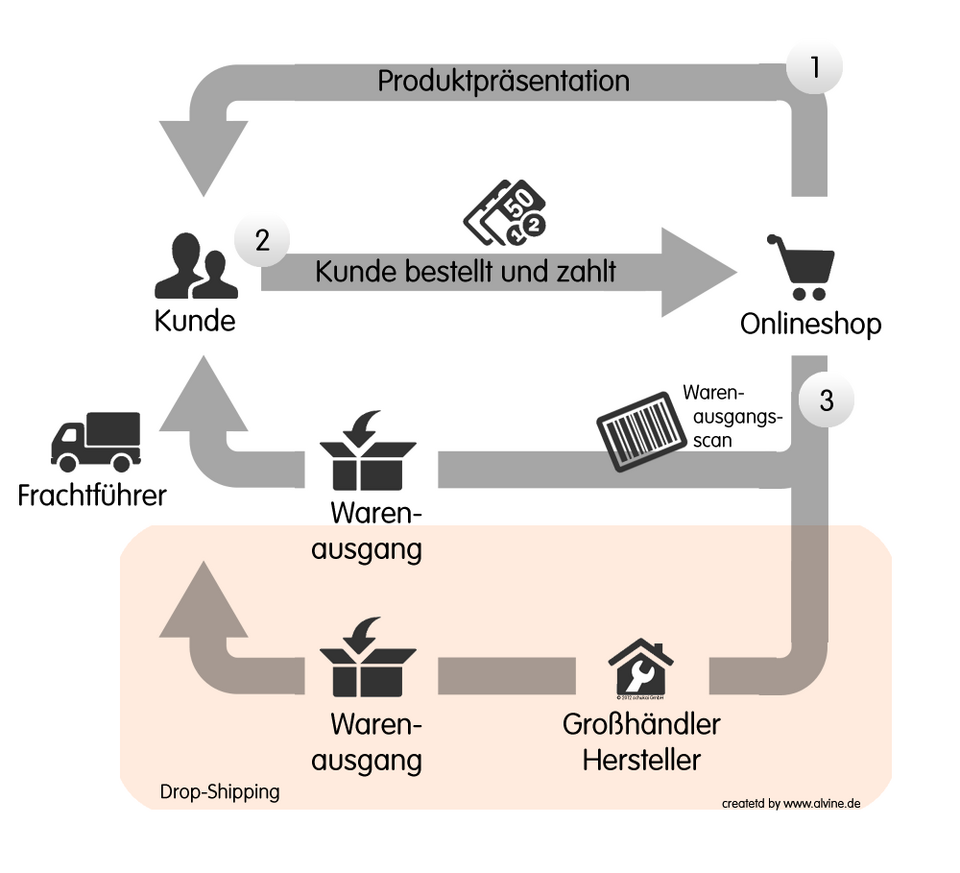
These apps sit between your store and suppliers.
- Product import: You browse a catalog inside the app, then push products (photos, descriptions, variants) into your Shopify or WooCommerce store with a few clicks.
- Order routing: When a customer orders on your site, the app forwards the order to the chosen supplier and syncs tracking back to your store.
- Automation: Many Spocket‑style tools now offer bulk price edits, stock sync, and in some cases AI‑assisted product naming or descriptions.
Community and editorial discussions repeatedly mention:
- AliExpress via DSers, CJdropshipping, and Zendrop as go‑tos for AliExpress‑style catalog depth.
- AutoDS, Printful, ShipStation, Sellvia, and Doba as options that emphasize automation, print‑on‑demand, or logistics.
The tradeoff: you get easy setup and automation, but typically less control over the underlying supplier relationship and sometimes higher product costs than if you sourced directly.
2. Marketplaces as supplier pools
Marketplaces such as Alibaba, Made‑in‑China, Global Sources, AliExpress, Etsy, and DHgate connect you directly with independent sellers and factories instead of selling products themselves.
In this model:
- You or your app identify sellers on a marketplace.
- You negotiate or at least accept their terms (pricing, minimum order quantities, customization rules) seller by seller.
- For true dropshipping, you either
- find sellers willing to ship one‑by‑one to your end customers, or
- use an app or third‑party service that can bridge from the marketplace into your store.
Because platforms like DHgate and Alibaba act as connectors, not single sellers, your due diligence happens at the seller level: catalog, reviews, communication speed, and what they’re willing to do for low‑quantity or single‑item orders.
For more background on how marketplaces compare as sourcing options, you can also look at DHgateWiki’s broader marketplace overview at online marketplaces and shopping platforms.
3. Ecommerce hosts and their app ecosystems
Finally, ecommerce platforms such as Shopify and BigCommerce provide the storefront, checkout, and themes. Dropshipping functions come from apps and integrations rather than the host directly running fulfillment.
- Shopify’s App Store has a dedicated Dropshipping category where you’ll find Spocket, DSers, AutoDS, Zendrop, and many others in one place.
- BigCommerce similarly relies on third‑party integrations for sourcing and order routing, as described in DHgate’s editorial content on different shopping platform types.
This matters because switching apps is much easier than switching ecommerce platforms. Many US sellers stay on Shopify or WooCommerce but rotate through apps as their needs move from “test ideas cheaply” to “automate at scale.”
Comparing popular options and matching them to your store
The question isn’t just “What’s like Spocket?” It’s which combination of app + marketplace + host fits your stage and risk tolerance. Here’s a simplified comparison of commonly cited options.
| Platform / type | What it is (editorial view) | Typical use case for US sellers |
|---|---|---|
| Spocket (app) | Sourcing/automation app with curated suppliers | Beginners wanting faster shipping than generic AliExpress |
| DSers + AliExpress | App plus retail marketplace | Testing many low‑cost products with minimal upfront spend |
| CJdropshipping (app) | Sourcing + fulfillment network | Stores that want a single partner handling most operations |
| AutoDS (app) | Automation‑heavy tool cited by review sites | Sellers prioritizing bulk automation and multi‑supplier sync |
| AliExpress (market) | Retail marketplace used for sourcing | Huge product variety at consumer‑level pricing |
| Alibaba (market) | Wholesale marketplace connecting buyers and sellers | Larger orders, private label, or long‑term supplier deals |
This table is not a ranking. It reflects how these tools are framed in community and editorial discussions, not lab testing.
Scenario 1: New US store testing ideas with no inventory
If you’re launching your first Shopify or WooCommerce store and want to validate product ideas without holding stock:
- A Spocket‑style app with low or no minimum order quantities and easy product import helps you move quickly.
- Community threads from Shopify users suggest looking at Spocket, AliExpress via DSers, CJdropshipping, and Zendrop in this stage.
- Focus on:
- Integration with your platform (Shopify, WooCommerce, etc.).
- Catalogs that include your niche (for example, home decor vs. electronics).
- Basic automation features so you’re not copy‑pasting every order.
Marketplaces like Alibaba or DHgate can still be useful for supplier research, but their strengths (bulk orders, negotiation) usually show later, once you know what sells.
Scenario 2: Scaling and needing heavier automation
As orders grow, manual work becomes the bottleneck.
Here, sellers often graduate to tools highlighted by editorial review sites like AutoDS’s comparison of Spocket alternatives at autods.com. Those pieces frequently call out AutoDS, Printful, ShipStation, Sellvia, and Doba for features such as:
- Multi‑channel support (selling on several marketplaces and your own site).
- Advanced automation (bulk price rules, stock sync across suppliers).
- Specialized capabilities (print‑on‑demand with Printful, shipping workflows with ShipStation).
In this stage, you typically:
- Keep your ecommerce platform constant (for example, stay on Shopify).
- Potentially mix different apps: one for general products, another for print‑on‑demand, another for logistics.
- Use marketplaces more strategically: sourcing a few bestsellers from Alibaba or AliExpress, possibly via a fulfillment partner, to improve margins.
Scenario 3: Brand‑focused or private‑label store
If your priority is building a brand with more control over packaging, product specs, and margins:
- You’re likely to lean harder on wholesale marketplaces such as Alibaba, Made‑in‑China, Global Sources, or DHgate to source manufacturers or higher‑volume suppliers.
- You may still run a dropshipping app for some parts of your catalog while you gradually shift bestsellers into semi‑stocked or bulk‑purchased products.
In this setup:
- Platforms like DHgate act as sourcing channels. Each seller is different, so you compare offers, review their profiles and communication, and test small orders before committing.
- Your automation needs may be satisfied by a more general tool (for example, AutoDS or a custom workflow) rather than a single Spocket‑style app.
If you want detailed comparisons that focus specifically on DHgate’s position among marketplaces, DHgateWiki covers that in other pages such as What DHgate is and how the marketplace works and DHgate vs AliExpress, Alibaba and Temu.
How to pick a platform mix in practice
For a US‑based cross‑border store, a practical way to choose is:
- Choose your ecommerce host first. Shopify and WooCommerce both have deep dropshipping ecosystems; BigCommerce is another option. This is your “home base.”
- Start with one Spocket‑style app that fits your niche and budget; check Shopify’s dropshipping category for options and read recent merchant reviews rather than relying on outdated lists.
- Layer in marketplaces thoughtfully as supplier sources when you need better margins, unique products, or more control. Treat each seller individually and test before depending on them for your main line.
Dropshipping platform comparisons tend to focus on single “best” tools. In reality, most sustainable US stores use a combination: one ecommerce host, one or two automation apps, and one or more marketplaces supplying the goods. Your job is to assemble that stack in a way that matches your volume, customer expectations, and willingness to handle operational complexity.