
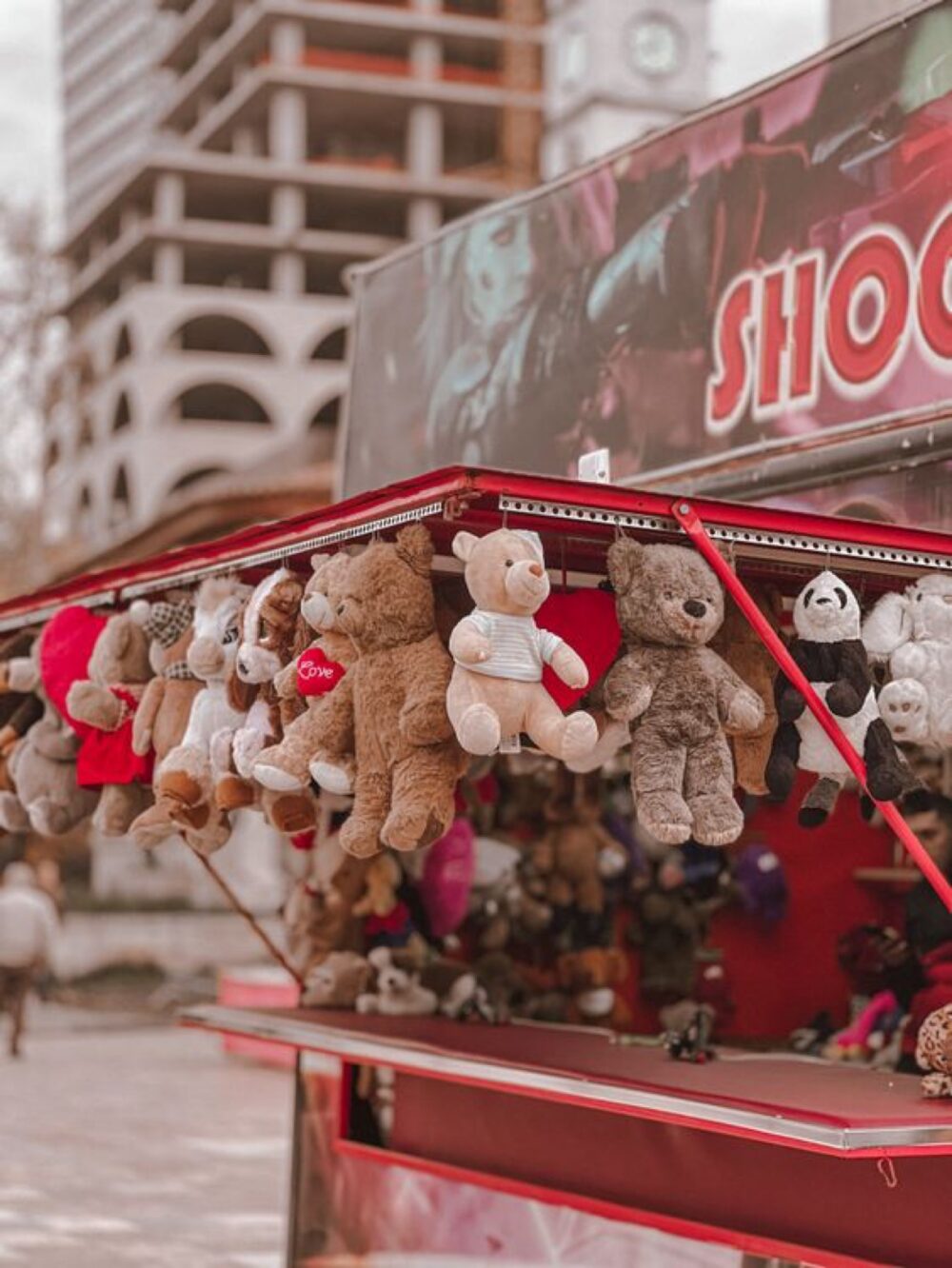
If you’re in Australia and want budget teddy bears in bulk, you’ll usually get the best value by matching your project to the right platform type. For a one‑off event with simple bears, local promo wholesalers and discount chains are often cheaper and easier. For unique or handmade bears in small runs, retail marketplaces and craft platforms work better. If you need very low unit prices, a wide range of styles, or ongoing stock for an ecommerce store, wholesale and cross‑border B2B marketplaces become relevant—even though they add complexity.
Below is how the market is structured and how to pick a channel that fits your budget, timing, and risk tolerance.
How the Budget Teddy Bear Market Works for Australian Bulk Buyers
For Australian buyers, “cheap teddy bears in bulk” usually sits across three overlapping markets:
- Promotional merchandise and corporate gifting – Australian promo merch firms sell soft toys with logos or event branding. For example, Chilli Promotions lists promotional soft toys that can be ordered in bulk and branded for businesses or events. This segment targets events, schools, charities, and corporate campaigns.
- General gift and party supply – Discount retailers and local wholesalers supply unbranded bears for florists, hampers, party bags, and small shops. Some sites, like Koch & Co’s small teddy bears category, show how bears are bundled for florists and gift businesses who need inexpensive add‑ons.
- Retail and wholesale marketplaces – Platforms aggregate multiple teddy bear makers and importers:
- Craft/creator marketplaces such as Etsy AU’s bulk plush toys results include sellers offering packs or bundles of soft toys suitable for small‑scale bulk.
- Wholesale marketplaces like Faire’s stuffed & plush toy suppliers section connect shops to toy brands and importers and are accessible from Australia.
Buyer discussions on forums such as Reddit’s teddy bear bulk thread show a recurring trade‑off: ultra‑cheap bulk bears versus perceived quality and safety. That tension shapes which platform makes sense—especially if your bears will go to children or represent your brand.
Platform Types for Budget Teddy Bears: Local, Retail, and Cross‑Border B2B
Different platform models solve different sourcing problems. Understanding how each works will keep you from over‑ordering from the wrong channel.
1. Australian promo merch and local wholesalers
Promo merch sites operate as B2B suppliers. You typically send a logo or event artwork, choose a bear style, and order a fixed quantity.
Typical traits (editorial patterns, not guarantees):
- MOQ: Often in the hundreds for decorated bears—designed for campaigns rather than small resellers.
- Consistency: Uniform style and branding, which is useful if you need the same bear across multiple venues.
- Use cases: School fundraisers, company giveaways, charity events, real‑estate welcome gifts.
Australian promo suppliers such as Chilli Promotions’ soft toys illustrate this model: you’re buying a promotional product, not general retail stock.
2. Domestic retail chains and specialty gift wholesalers
Domestic retailers (discount chains, toy shops, florist suppliers) offer budget teddy bears as part of wider ranges.
Common patterns:
- Ordering: Often carton quantities or multipacks rather than true wholesale contracts.
- Price level: Moderate unit prices but low friction—no import paperwork, local shipping, and familiar payment methods.
- Use cases: Florists adding a bear to bouquets, hamper businesses, party planners needing a few dozen bears.
Sites like Koch & Co’s teddy bears or discount chains’ plush sections show how small businesses can top up stock without dealing directly with overseas factories.
3. Retail marketplaces and craft platforms (including bulk listings)
Retail marketplaces like Etsy behave differently for bulk teddy bears:
- Supplier type: Small makers, crafters, or micro‑brands offering bears in small bundles or sets.
- MOQ: Often tens rather than hundreds—good for boutique ecommerce stores or themed events.
- Differentiation: Unique designs, handmade or niche styles, which can justify higher pricing.
On Etsy AU’s bulk plush toys, you can see listings advertising packs of plush toys rather than single units. This suits a shop that wants a distinctive bear line in limited quantities.
4. Wholesale marketplaces and cross‑border sourcing platforms
Wholesale/B2B marketplaces like Faire’s plush toy suppliers aggregate multiple brands and manufacturers and allow Australian shops to source at wholesale prices.
Patterns you’ll typically see:
- Relationship: Retailers register as business buyers and then place wholesale orders with multiple toy brands.
- Assortment: A curated set of brands rather than anonymous bulk imports, which can help positioning for mid‑tier stores.
Beyond curated wholesale, there are broader cross‑border marketplaces where overseas sellers list bears directly. DHgate, for example, hosts many teddy bear and plush listings from international suppliers; editorial product snapshots show mini teddy bear bulk packs and generic plush bears sold at low unit ranges. These platforms expand choice and can reduce unit costs, but they demand more due diligence on each individual listing and seller.
Comparing Channels and Choosing the Right Route for Your Bear Budget
You’re balancing four things: price, quantity, uniqueness, and complexity. Below is a practical comparison by platform type.
Quick comparison table
| Platform type | Typical MOQ (editorial pattern) | Customisation potential | Best suited for |
|---|---|---|---|
| Promo merch wholesalers (AU) | High (hundreds) | Strong – logos, colours | Corporate events, school/charity campaigns |
| Local retailers & gift wholesalers | Low–medium (packs/cartons) | Minimal – usually unbranded | Florists, hamper & party businesses |
| Retail/craft marketplaces (e.g. Etsy AU) | Low (small bundles) | High – handmade/unique designs | Boutique ecommerce, themed parties |
| Wholesale marketplaces (e.g. Faire) | Medium (true wholesale) | Brand‑level style, not promo logos | Independent toy/gift shops, repeat inventory |
| Cross‑border marketplaces (incl. DHgate) | Varies widely by listing | Often generic stock; some custom | Lowest unit costs, wide styles if you accept import complexity |
This table is based on observed behaviour across cited platforms and typical B2B patterns; individual listings and suppliers can differ.
Scenario guidance
1. One‑off event needing 200-500 simple bears If your goal is branded giveaways (open day, fundraiser, promotion), Australian promo merch sites are usually your most straightforward option. You trade slightly higher per‑bear costs for local communication, logo printing, and predictable lead times. Start with promo soft toy sections like Chilli Promotions.
2. Small shop or florist adding bears as an add‑on If you just need boxes of simple bears to pair with flowers or hampers, domestic retailers and gift wholesalers tend to be the least stressful route. Categories such as Koch & Co’s teddy bears show bears sized and priced for this job, and you can reorder as needed without minimums in the hundreds.
3. Boutique ecommerce store that wants distinctive bears For a small brand selling online, uniqueness matters more than rock‑bottom cost. Bulk handmade or niche plush packs on Etsy AU or wholesale brands on Faire’s plush section can give you designs your competitors don’t have, in quantities you can actually sell.
4. Price‑sensitive bulk buyer willing to manage imports
Conversations like the Reddit thread on cheap bulk teddy bears underline why this matters: buyers are wary of very cheap bears that feel flimsy or raise safety questions. That’s amplified when you go cross‑border.
Routing your next step
- If your bears will carry your logo or represent a school or charity, start with Australian promo merch and local wholesalers; you get branding and consistency.
- If you just need inexpensive, generic bears in modest quantities, lean on domestic retailers and gift suppliers first.
- If you care most about standing out, explore Etsy AU bulk plush and wholesale brands on Faire for distinctive styles.
- If cost per unit dominates and you’re comfortable with extra diligence, add a cross‑border marketplace like DHgate to your search, but keep it as one option in a broader comparison rather than a default.
To understand how cross‑border marketplaces work structurally, you can read our overview of online marketplaces and shopping platforms or, for DHgate specifically, what DHgate is and how the marketplace works. If you’re weighing DHgate against other import‑heavy platforms, this comparison of DHgate with AliExpress, Alibaba and Temu may help you decide whether cross‑border sourcing is the right route for your teddy bear budget at all.