
Finding winning dropshipping products consistently takes more than scrolling TikTok or copying a Reddit thread. You need a small, focused stack of tools: product‑research and ad‑spy platforms to surface ideas, store and funnel analytics to see what actually converts, and profit tracking to make sure those “winners” aren’t secretly losing money. The right mix depends on where you sell (Shopify store, Amazon, social), your budget, and how comfortable you are using data.
The goal isn’t to subscribe to every shiny app. It’s to build a workflow: discover products, check real demand and competition, test in your own traffic, then track margin and scale only what works. Tools don’t guarantee profitability; they give you better information so your decisions are less blind.
What Dropshipping Tools and Analytics Actually Do in a Product-Discovery Workflow
“Dropshipping tools and analytics” covers several jobs in one workflow:
1. Product discovery and market research
This is where you answer: What looks like a winning product right now?
You’re looking for items that are already selling or trending up, plus basic insight into who buys them and at what price. Product‑research tools scan marketplaces and storefronts, surface popular products, and often show rough indicators of demand such as listing age or relative popularity.
A platform like SellTheTrend illustrates how these pieces can be bundled for dropshippers. According to its tools overview, it focuses on:
- Product research databases that highlight trending items across marketplaces
- Shopify store intelligence to see what other stores are selling
- Profit calculators to estimate margins based on sell price vs. sourcing cost
That bundling matters because it turns a scattered process (TikTok, Google Trends, random supplier catalogs) into repeatable steps.
2. Spy and intelligence tools
Spy tools play a specific role: showing how other sellers are marketing products and how crowded a niche is.
As described in TrueProfit’s breakdown of dropshipping spy tools, these platforms typically surface:
- Which items are being heavily advertised on Meta, TikTok, and other channels
- Rough indicators of ad intensity (how many creatives, how long they’ve run)
- Competitor landing pages and angles
You can pair those paid tools with free ad libraries:
- Meta Ad Library – Search by keyword, brand, or page to see live and past ads, including creatives and messaging. Look for products with multiple active creatives and consistent ad history; that suggests sustained testing or scaling.
- TikTok Creative Center – Explore top ads or search by niche to see which creative styles and hooks are getting impressions. Pay attention to watch time and interaction indicators.
Used well, that data dramatically cuts down on manual hunting in social feeds or relying only on community tips that may be outdated.
3. Store and funnel analytics
Once you test a product in your store, analytics tools answer: Does this actually convert for my audience?
Key tools include:
- Your shop platform’s native analytics (e.g., Shopify reports) for product‑level conversion and repeat purchase
- Web analytics suites such as Google Analytics to see session behavior and funnel drop‑offs
- Marketing analytics dashboards inside ad platforms (Meta Ads Manager, TikTok Ads Manager) to link spend to results
Useful metrics:
- Product page views and add‑to‑cart rate
- Conversion rate per product or offer
- Average order value and upsell take rate
These aren’t “dropshipping‑only,” but they’re critical for deciding whether a product deserves more ad budget.
4. Profit tracking
Profit‑tracking tools reconcile revenue and costs so you can see net results.
Some research suites include simple profit calculators; others integrate with ad platforms and storefronts to aggregate:
- Product and shipping cost from your supplier
- Ad spend per campaign
- Fees charged by your ecommerce platform or payment processors
Without this layer, it’s easy to think a product is winning based on revenue and overlook that high shipping or ad costs have erased margin.
That’s exactly the problem highlighted in a Shopify Community thread: the poster found that a juicer sourced via a “wholesale” dropshipping provider cost about $62.59 (product plus shipping and handling), while similar juicers were widely sold online for less than that cost. Once they factored in advertising, there was no sustainable margin.
Types of Platforms for Dropshipping Data: From Marketplaces to Spy and Analytics Tools
There isn’t one “dropshipping analytics platform.” You’re choosing from several platform types that interact.
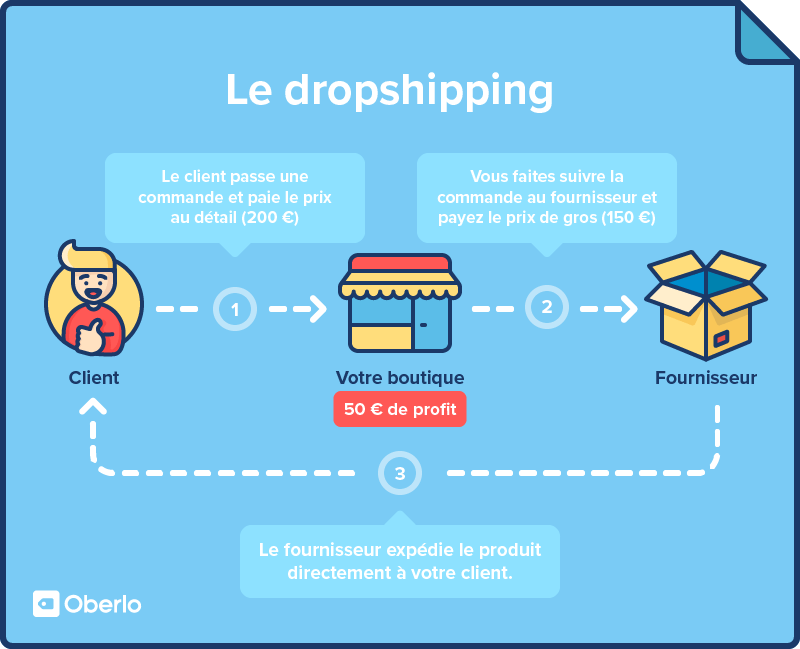
1. Product‑research and spy platforms
Tools in this bucket help you answer: What looks like a winning product right now?
Typical features:
- Databases of products pulled from Shopify stores, Amazon listings, or marketplaces
- Filters for sales velocity, price, niche, shipping region
- Spy views of competitor stores and ads
SellTheTrend and similar services sit here, bridging product lists, store intelligence, and margin calculators so dropshippers can prioritize a shortlist fast.
2. Sourcing apps and supplier platforms
Once you think you’ve found a candidate product, you need a supplier who can actually fulfill orders. Sourcing apps like Spocket connect supplier catalogs directly to ecommerce platforms.
Typically they:
- Let you import products and variants to your store in a few clicks
- Sync inventory and order data back to the supplier
- Provide basic analytics around order volume and product performance inside the app
You still need separate tools to understand market demand, but these platforms streamline the logistics layer.
3. Marketplaces and wholesale catalogs
Open marketplaces (large B2B platforms, regional wholesalers, niche suppliers) are where many cross‑border products originate. They usually offer:
- Large catalogs with broad price ranges and supplier quality
- Search and filtering by category, price range, and sometimes sales volume
Marketplaces don’t usually give you full marketing analytics; their data is more about product availability and sometimes rough popularity. You’re expected to export that candidate list and then analyze demand, competition, and margin in your own tools.
4. Store analytics and business intelligence
Once products are live, general analytics tools do a lot of the heavy lifting:
- Native storefront analytics for product‑level conversion and repeat purchase
- Web analytics (like Google Analytics) for session behavior and funnel drop‑offs
- Marketing analytics tools focused on ads (Meta’s reporting, TikTok Ads Manager, or third‑party dashboards)
These tools help you see how traffic from different channels behaves and where potential customers abandon the process.
5. Profit and margin tracking
Profit‑tracking tools aggregate your revenue and costs. Some research suites include profit calculators; others integrate with ad platforms and storefronts to reconcile:
- Product and shipping cost from your supplier
- Ad spend per campaign
- Platform and payment fees
Without this layer, you risk scaling products that look good on revenue but fail on margin.
That Shopify example is a cautionary scenario: without careful margin and competition analysis, dropshipping via certain suppliers can be unprofitable even when you’re getting orders.
Comparing Platform Types Briefly
Here’s a compact view of how these platform types differ:
| Platform type | Main job in workflow | Data focus | Typical upside | Typical risk |
|---|---|---|---|---|
| Product‑research & spy tools | Find and prioritize candidate products | Sales trends, ads, competitor info | Faster discovery, less guesswork | Can chase hype instead of durable demand |
| Sourcing apps (e.g., Spocket) | Connect suppliers to your storefront | Inventory, orders, basic performance | Easier catalog management and fulfillment | Limited market insight; margins still your job |
| Marketplaces & wholesale catalogs | Provide broad catalog of products | Price, supplier info, sometimes popularity | Huge selection, flexible sourcing | Must verify margins and competition separately |
| Store analytics tools | Measure how visitors behave on your site | Traffic, conversion, funnel data | Real performance metrics per product | Needs careful setup and interpretation |
| Profit‑tracking tools | Combine costs and revenue into net profit | Costs, fees, ad spend, net margin | Prevents scaling unprofitable products | Can be inaccurate if data connections are sloppy |
You don’t need every category on day one. You do need at least one tool in discovery/spy, plus reliable store analytics.
Choosing Your Tool Stack: Matching Platforms to Store Size, Channels, and Budget
You can treat your stack as layers rather than a shopping list. Here are practical mixes for common scenarios.
Starter store testing a few products via paid social
Budget is tight, and you’re likely on Shopify or another hosted cart.
- Discovery layer: Use a research/spy platform (for example, SellTheTrend or similar) plus free ad libraries like Meta Ad Library and TikTok’s creative center to spot trending products and angles.
- Sourcing layer: Connect a sourcing app such as Spocket or a comparable integration so you can import products quickly and see basic order stats.
- Analytics layer: Rely on your ecommerce platform’s native reports and Google Analytics to track product‑level conversion. Keep a simple spreadsheet profit calculator where you plug in supplier cost, shipping, and ad spend.
The discipline here is margin checks. Before committing real budget, sanity‑check that your planned sell price is high enough above landed cost to cover ads and overhead. The Shopify community juicer example shows how a product can technically get orders yet never be profitable if competitors are selling near or below your cost.
Small brand expanding SKUs for a US audience
You already have some traffic and maybe email flows.
- Discovery & spy: Combine specialized research tools with your own store data. Look at what existing customers buy and what upsells convert, then use product‑research platforms to find adjacent items.
- Sourcing: Blend domestic suppliers (for speed) with cross‑border marketplaces for tests.
- Analytics & profit: Consider graduating from spreadsheets to dedicated profit‑tracking software that integrates with your ad accounts and storefront so you can see net profit per product.
This setup treats tools as a way to extend what is already working rather than chasing entirely new fads.
Where cross‑border marketplaces like DHgate fit
Cross‑border marketplaces can be useful for testing products with low minimum order quantities and broad selection, including categories like garden tools, fashion accessories, or home gadgets. DHgate is one example of this type of sourcing marketplace.
For US‑focused dropshippers, the role of a marketplace such as DHgate is typically:
- Source a small batch or trial product without committing to large wholesale orders
- Explore variants, bundles, or niche items that aren’t in curated sourcing apps
Because marketplaces generally focus on catalog and price, you should pair them with external analytics:
- Use product‑research and spy tools to confirm that similar items have demand
- Check search interest and social content for the niche
That mix lets you use DHgate or other marketplaces as sourcing options without treating their listing data as proof of profitability. If you want more detail on DHgate itself, you can compare it to other marketplaces in our online marketplaces overview and then, if relevant, look at what DHgate is and how the marketplace works.
Keep the stack lean and evolve it
You don’t need to lock into a forever suite. For most small US dropshipping operations, a realistic starting stack is:
- One product‑research/spy tool
- Your ecommerce platform’s native analytics plus a general web analytics tool
- A basic profit calculator (built‑in or spreadsheet)
- A sourcing integration for your main suppliers
As your ad spend and SKU count grow, you can layer more specialized analytics or profit‑tracking software. The test of any new tool: can you clearly see how its data will change a real decision—whether to launch a product, raise a price, or cut an ad set—or is it just more dashboards?
Remember that no tool can guarantee a winning product. They help you apply structured research, testing, and margin checks so you can make clearer calls on what to scale and what to cut.