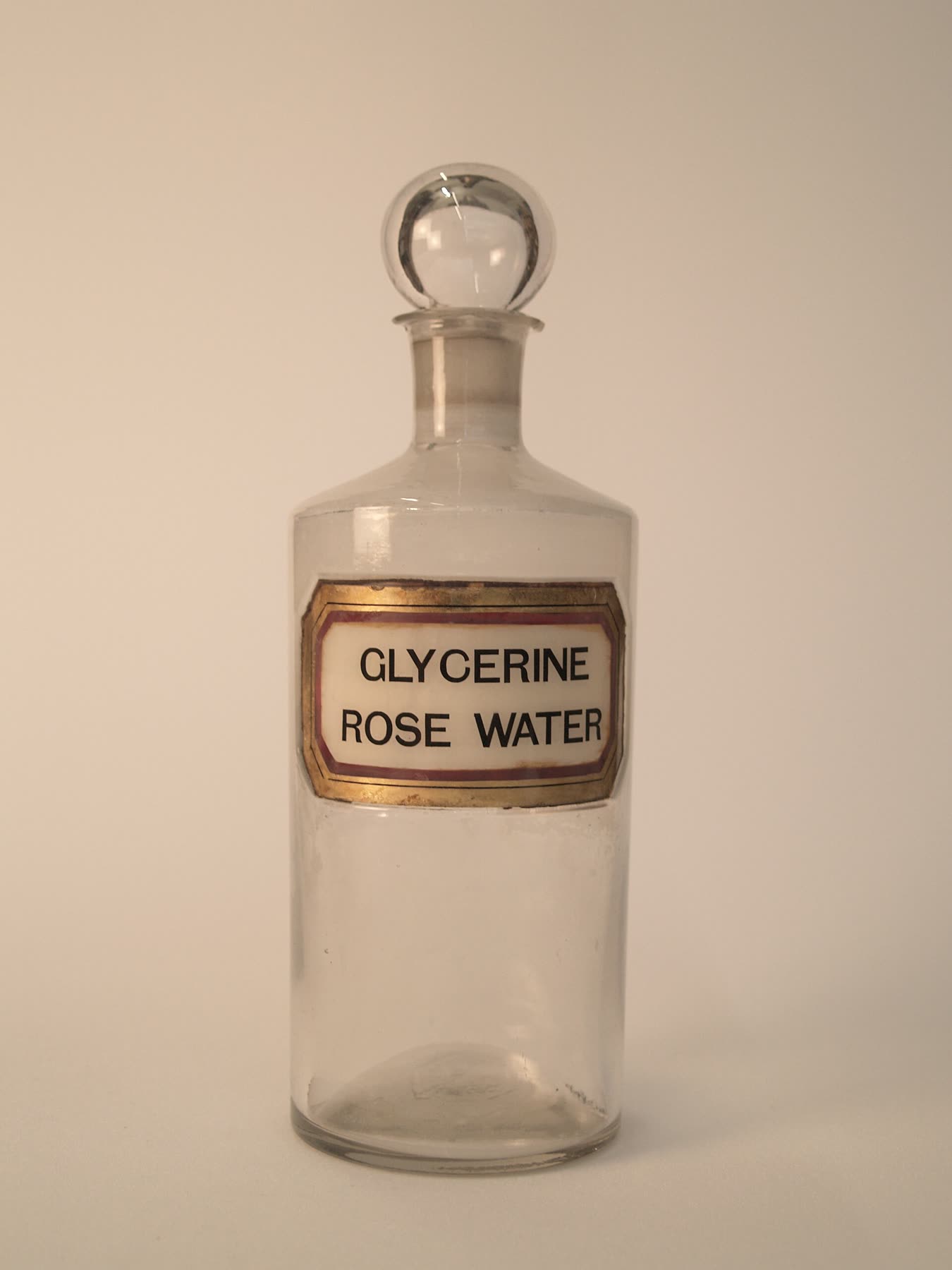
Authentic apothecary jars and bottles in bulk are easiest to source from two types of shops: (1) packaging suppliers that spell out glass type, capacity, and intended use, and (2) specialty or vintage sellers that show detailed photos and buyer reviews. For a DIY labeling project, start by deciding whether you need jars that are truly food- or cosmetic-contact safe (think herbs, bath salts, oils) or just decorative. Then favor suppliers whose product pages look more like technical spec sheets than decor blurbs.
Specialists such as Miron’s apothecary jars and Bottlestore’s health and beauty apothecary catalog are good benchmarks: they show capacities, material, and closure details clearly. Canadian shops like The Apothecary’s amber bottles and Watermatters’ violet glass apothecary jars illustrate how curated retailers position jars for essential oils or water storage. For decor-only projects, event-focused retailers such as QuickCandles’ apothecary jar sets or Etsy-style vintage listings can work well—if you accept more variation and focus your checks on condition and photos.
What Counts as a Legit Apothecary Jar or Bottle for DIY Projects?
Historically, apothecary jars held medicinal herbs, powders, and tinctures for apothecaries and early pharmacists, often in ceramic or glass containers designed to preserve contents and allow repeated access. Modern apothecary-style jars borrow that look but are used for everything from spices to bath salts to essential oils.
Key traits that signal a true apothecary style rather than a random jar:
- Wide mouth and usable opening. Miron’s apothecary jars are designed with wide mouths and tight-sealing closures so you can scoop or pour contents easily while keeping them protected.
- Substantial glass and classic silhouette. You’ll see thick, clear or colored glass, often with straight or gently curved sides and a noticeable shoulder, not a thin, jam-jar profile.
- Defined closure system. Classic apothecary jars use ground-glass stoppers or corks. Modern versions may use screw caps, glass lids, or wood/cork, but a snug fit is non-negotiable if you’re storing anything perishable.
Matching jar type to your project matters more than “authenticity” alone:
- Food / pantry use. A listing like Hastingsville’s 300 ml apothecary bottle explicitly describes the bottle as BPA-free, food- and dishwasher-safe. That’s the kind of language you want if you’re storing spices, teas, or edible gifts.
- Cosmetic / essential oils. The Apothecary’s amber bottles are positioned for essential oils, with amber glass to help shield contents from light. For small brands, that combo of tint plus use-case labeling is a strong sign the jar is meant for cosmetic/liquid contents.
- Decor and events. QuickCandles sells sets of clear glass apothecary jars specifically as event decor, with per-jar pricing aimed at wedding planners. These are perfect for candy buffets or sand art, less ideal if you need labelling space and guaranteed food-contact claims.
If you’re building a DIY labeling project for resale—herbal blends, bath salts, oils—lean toward suppliers whose pages look like Hastingsville or Bottlestore: exact dimensions, capacities, and explicit statements about intended uses.
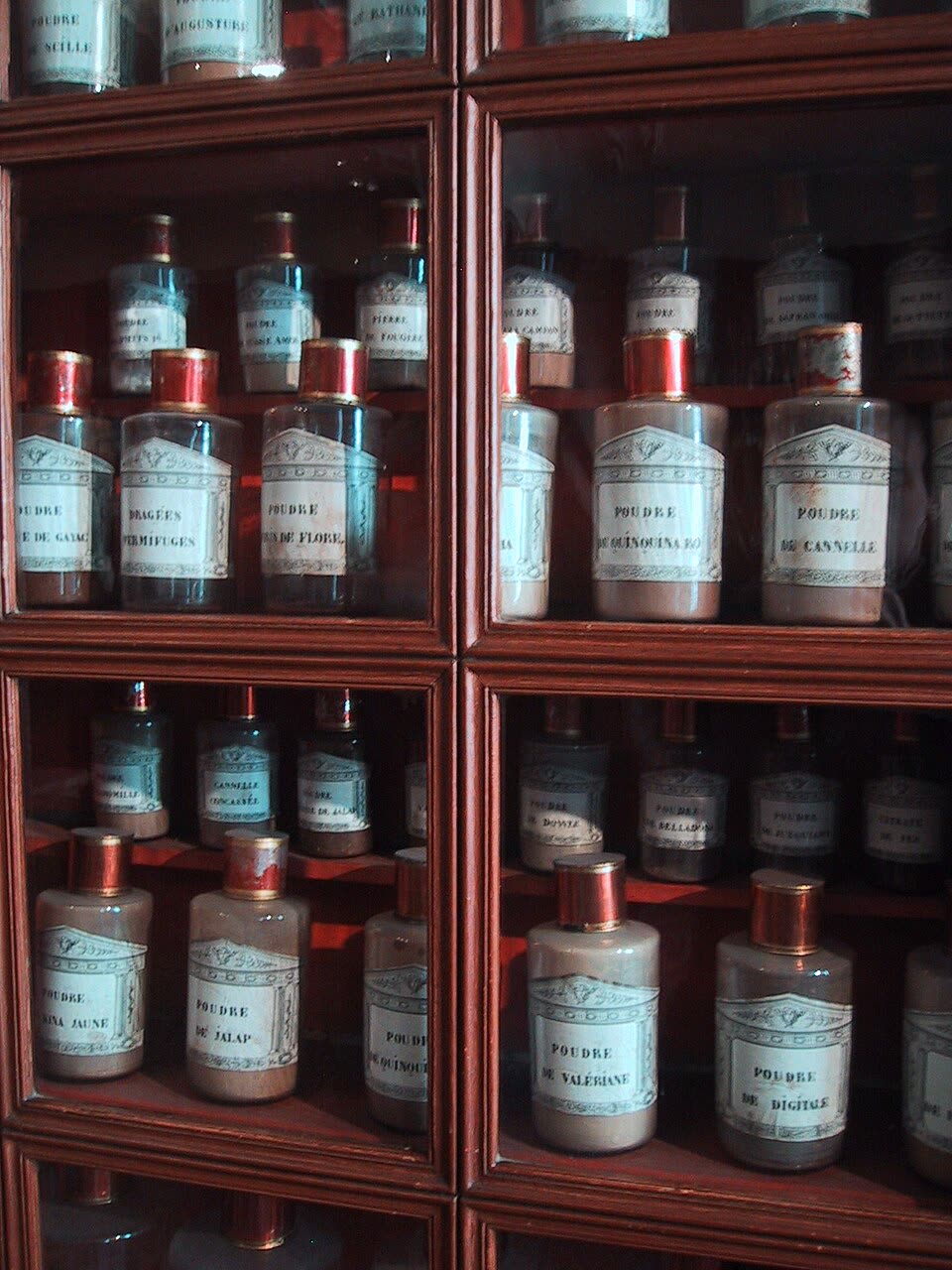
Universal Trust Checks Before Buying Apothecary Jars Online
Before you commit to a bulk order on any site, run through these focused checks. They’re specific to jars and bottles, not generic shopping advice.
- Capacity and dimensions match your label design. Packaging catalogs like Bottlestore’s apothecary section list capacity (e.g., oz/ml) and often neck finish and height. For a DIY labeling project, compare those numbers with your label template so you know you’ll have enough flat surface.
- Material and tint fit the contents. Clear glass works for dry goods or decor. Amber or violet glass—like the jars on Watermatters—is often chosen to reduce light exposure for liquids or light-sensitive contents. If a product page doesn’t say what kind of glass or plastic is used, treat that as a warning sign for anything ingestible or cosmetic.
- Food-grade or cosmetic-use language is explicit. Hastingsville calls its 10 oz apothecary bottle BPA-free and food-safe. That kind of phrasing is what you want to see for pantry or gifting jars. If you only see decor language (“stylish organizer,” “perfect for your shelf”) and nothing about food or skin contact, assume the jar is decor-only.
- Closure type and seal are clearly described. For cork or stopper lids, look closely at photos to see how deep the cork sits and how even the fit appears. For screw caps, check whether the listing mentions liners (foam, silicone) for an airtight seal. If the jar will hold liquids, avoid listings where the lid is barely described.
- Photos show the jar from multiple angles. An Etsy vintage-style apothecary jar listing is a good reference: you typically see front, side, and lid/stoppper detail. On marketplaces, skip bulk orders from sellers who use only one lifestyle photo or a stock collage.
- Seller identity and contact feel real. For specialty retailers (Watermatters, The Apothecary, Hastingsville), you can usually find business details and support contacts in the footer. On marketplaces, click through to the seller profile to see how many items they carry and how long they’ve been active. If you plan a large cross‑border order, saving screenshots and order details is smart in case you later need to document issues.
If you decide to explore DHgate more deeply for wholesale jars, pair these checks with a dedicated marketplace risk review such as Assess DHgate listing and seller risk before wiring your budget to a single supplier.
How Different Platforms Handle Trust for Apothecary Jars & Bottles
For bulk apothecary jars, trust feels very different depending on whether you’re buying from a curated packaging supplier, a decor marketplace, or a cross‑border sourcing site. This table sketches those differences using real examples.
| Channel type & example | Typical jar use focus | Spec & safety detail | Review / feedback pattern | Best fit for your project |
|---|---|---|---|---|
| Packaging specialists (Miron, Bottlestore) | Health & beauty products, herbal contents, oils | High: capacities, neck finish, material, closure described in catalog-style detail | Often limited to B2B feedback; trust comes from clarity of specs and brand reputation | Small brands needing repeatable, spec-consistent jars for food or cosmetic labeling |
| Canadian specialty retailers (The Apothecary, Watermatters, Hastingsville) | Essential oils, structured water, pantry storage | Moderate–high: material and use-case (e.g., essential oils, food-safe, BPA-free) usually stated | Standard ecommerce reviews; buyer comments on everyday use and quality | Canadian buyers wanting smaller bulk or mixed-use jars with local shipping and clear use positioning |
| Decor/event retailers (QuickCandles) | Weddings, parties, home decor candy buffets | Focused on dimensions and style; food-contact claims may be minimal | Reviews emphasize looks, breakage in transit, suitability for events | DIY decor projects and resellers offering non-ingestible contents like sand, shells, or non-edible fillers |
| Craft/vintage marketplaces (Etsy listing for vintage apothecary jar) | One-off vintage pieces, decor, props | Varies widely; vintage listings lean on photos and condition notes more than technical specs | Reviews cover seller reliability and item matching photos rather than lab-style safety | Small-batch, high-character projects where aesthetics matter more than standardized packaging |
| Cross‑border marketplaces (Cross-border multi-seller storage bottles & jars snapshot) | Mixed: storage, novelty, utility jars in plastic, glass, ceramic | Often basic: title/category may say “food grade” or “storage” but details are thinner than specialist sites | Ratings/reviews show buyer experience but can be sparse; you must read them critically | Cost-sensitive bulk buys where you’re willing to do extra verification and possibly test samples before full rollout |
For a Canadian DIY labeling project, a practical way to choose your channel:
- If your contents are ingested or applied to skin (tea, spices, oils, balms), start with packaging specialists or Canadian retailers that explicitly mention food-safe or cosmetic use. These sites make it easier to defend your choice if customers ask about safety.
- If your contents are decor-only (bath salts as visual decor, sand art, candy displays where food-contact claims are less critical), decor/event retailers and craft marketplaces open up more shapes and price points.
- If you’re exploring cross‑border bulk deals, view DHgate and similar platforms as high-variance options. Use them only after you’re comfortable vetting listing details and seller histories and, ideally, after ordering a small batch to test fit, seal, and label adhesion.
That mix-and-match strategy keeps “authentic” apothecary style while aligning each jar choice with the level of safety, documentation, and risk your project can realistically support.