
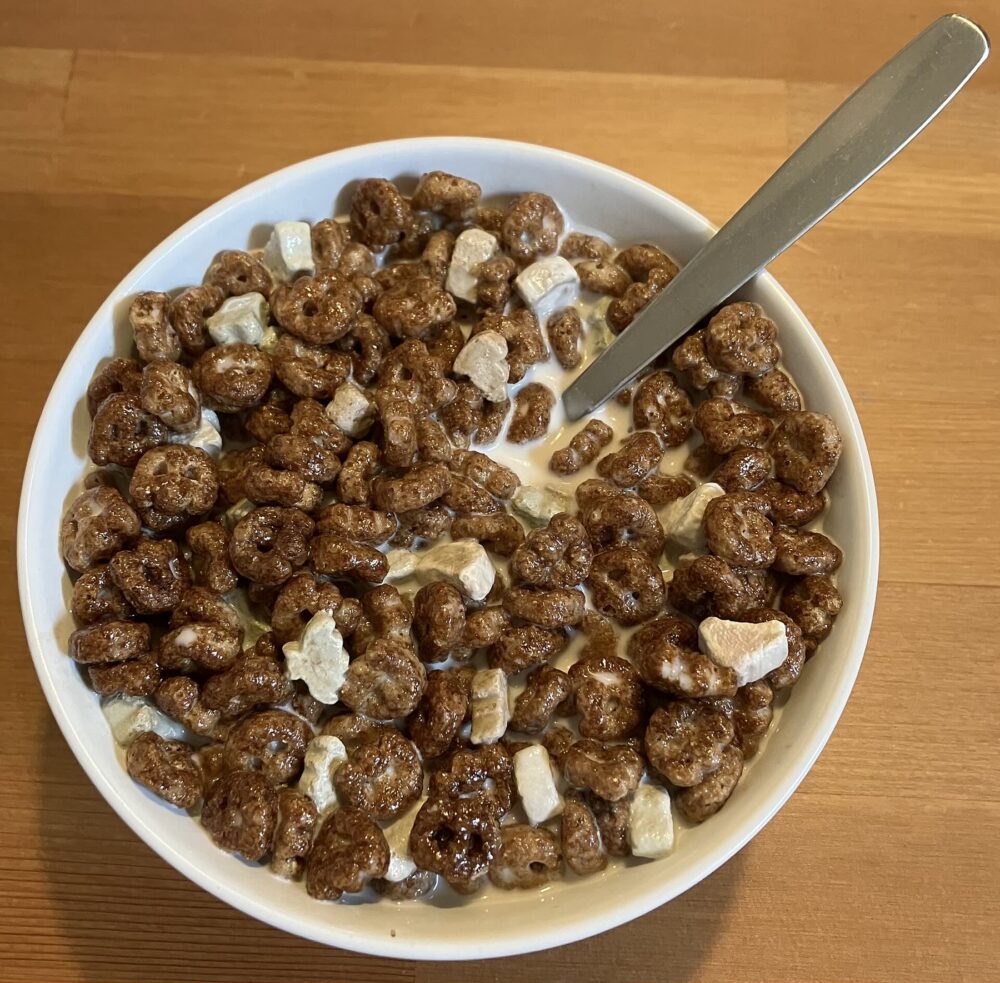
Bulk Lucky Charms marshmallows and cereal in the US usually means two different things: official General Mills foodservice packs of Lucky Charms, and separate bags of “cereal marshmallows” that mimic the shapes and texture. For branded cereal, the true bulk formats are General Mills Foodservice SKUs such as Lucky Charms Bulkpak cases (for example, 4 bags of around 35 oz each) sold through distributors and foodservice retailers like General Mills Foodservice or WebstaurantStore. For toppings, bakery use, or candy-style resale, specialty suppliers sell unbranded “cereal marshmallows” in bulk, such as Medley Hills Farm’s product marketed for baking and mix-ins.
If you’re a US café, hotel breakfast bar, school foodservice operator, or small ecommerce brand, your decision is really: do you need official Lucky Charms cereal with the brand on the pack, or just colorful cereal-style marshmallows? That choice drives your supply route, pricing, and risk profile.
What “Bulk Lucky Charms” Actually Covers in Wholesale
In wholesale, “bulk Lucky Charms” is less about giant warehouse pallets and more about pack formats designed for operators rather than grocery shoppers.
Official foodservice cereal formats. General Mills positions Lucky Charms bulk cereal for institutions via its foodservice line. The company lists Gluten Free Lucky Charms Bulkpak bags in multi-pack cases, such as 4 × ~35 oz bags intended for low waste and easy back-of-house handling for schools or cafeterias. General Mills Foodservice describes these as bulk cereal, not retail boxes.
Foodservice-focused retailers echo that positioning. For example, WebstaurantStore offers a case of Lucky Charms 35 oz bags (4 per case) framed as a cost-effective, low-waste option for operators.
Large value bags for “quasi-bulk” retail. Business portals from major retailers often carry large Lucky Charms bags that sit between retail and foodservice. Walmart Business lists a 32 oz resealable Lucky Charms value bag – convenient for small cafés, snack bars, or subscription snack services that want official branding but don’t need full foodservice cases.
Regional wholesalers sometimes pack standard cartons as multi-unit cases. Kelly’s Wholesale, for example, has a Lucky Charms carton case such as 12 × 300 g retail boxes, showing that a “bulk” unit may simply be a master carton of retail packs rather than loose cereal. Kelly’s Wholesale
Bulk “cereal marshmallows” (marshmallow-only). A separate category is marshmallow-only mixes that resemble Lucky Charms pieces but are not sold as official Lucky Charms. Specialty suppliers like Medley Hills Farm offer bulk “cereal marshmallows” marketed for baking, toppings, and mix-ins. These are typically sold in larger bags aimed at candy stores, bakeries, and online treat sellers.
Online marketplaces add another layer: TikTok Shop, for example, hosts third-party listings for Lucky Charms-branded marshmallow bags and similar products. TikTok Shop You should treat those as marketplace listings, not automatically as official General Mills supply.
Which format fits which buyer?
- School cafeteria or hotel breakfast bar: General Mills Bulkpak cases via foodservice distributors/retailers.
- Small café or ice cream shop wanting branded cereal pieces: 32 oz value bags from a business portal or master cartons of retail boxes.
- Online candy shop or bakery needing marshmallows as ingredients: unbranded bulk cereal marshmallows from specialty suppliers.
Your next step is choosing specific suppliers within those channels.
Choosing Suppliers for Branded Cereal and Marshmallow Mixes
For US buyers, sourcing bulk Lucky Charms is really about picking the right type of supplier for a branded, IP-protected food vs a marshmallow ingredient.
Foodservice distributors and operators’ retailers
If you’re serving breakfast in an institution, authorized channels are your safest starting point:
- General Mills’ own foodservice network, accessed via regional distributors or direct contacts on the General Mills Foodservice site.
- Foodservice-focused e-retailers like WebstaurantStore’s Lucky Charms case, which already package cereal in operator-friendly case sizes.
Signals to look for here:
- Clear product identification: official Lucky Charms naming, General Mills brand, pack size and case contents spelled out.
- Foodservice positioning: copy that explicitly mentions bulk, operators, schools, hotels, or cafeterias.
- Documentation: ingredient lists, allergen information, and nutrition facts that match what you expect from a US-branded cereal.
Big-box business portals and regional wholesalers
Business portals like Walmart Business and regional wholesalers such as Kelly’s Wholesale work well for smaller buyers who don’t meet foodservice MOQs.
Supplier- and listing-specific checks:
- Case vs single-unit: are you buying one 32 oz bag, a case of them, or a master carton of retail boxes?
- Labeling: photos and descriptions should show US-compliant nutrition panels and official General Mills branding.
- Turnover: for cereal, high-selling grocery or wholesale channels are more likely to move stock fast, which helps with shelf life.
Specialty bulk marshmallow suppliers
If your business model is toppings, baking, or candy resale, you may not need Lucky Charms branding at all. Suppliers like Medley Hills Farm sell unbranded cereal marshmallows in bulk with usage suggestions for baking and toppings.
Here you’re evaluating as an ingredient supplier, not a branded CPG distributor:
- Product description: does it clearly say “cereal marshmallows” and intended uses such as baking or toppings?
- Pack size: large bags suited to production, not just snack pouches.
- Consistency: for subscription boxes or recipes, ask about color/shape mix and batch consistency.
Red flags for any supplier of “Lucky Charms” products
Because Lucky Charms is a trademarked brand, be cautious with:
- Vague product names that suggest Lucky Charms but show no General Mills branding on the pack.
- Inconsistent or missing nutrition labels and ingredients.
- Claims of “Lucky Charms marshmallows” without clear images of retail or foodservice packaging.
For any business reselling food in the US, you’re responsible for what you put in your customers’ hands. Treat documentation and packaging photos as core evaluation tools, not marketing fluff.
Order Size, Pricing, and Channel Choices (Including Marketplaces)
You can’t pick a channel intelligently without being honest about how much you’ll really buy and what you’re doing with it. The table below sketches common scenarios and realistic channel fits for bulk Lucky Charms cereal and marshmallows:
| Buyer / use case | Typical order size | Fit-for-purpose channel | Product type |
|---|---|---|---|
| School or institutional foodservice | Multi-case, recurring | Foodservice distributors; Webstaurant-style retailers | General Mills Bulkpak Lucky Charms cereal |
| Hotel breakfast bar or cafeteria | Cases, scheduled reorders | General Mills Foodservice network; foodservice e-retailers | Bulk cereal cases with operator packaging |
| Small café / dessert or ice cream shop | A few large bags or 1-2 cases | Big-box business portals; regional wholesalers | Value bags or master cartons of retail boxes |
| Online candy store / bakery | Single or few large bags, repeat | Specialty marshmallow suppliers | Unbranded cereal marshmallows for ingredients |
| Social-media snack seller (US-based) | Small to moderate, variable | Mix of business portals and specialty suppliers | Branded cereal plus marshmallow-only bags |
Price per ounce will generally improve as you move from retail cartons to value bags to true Bulkpak cases, but logistics and waste also grow. For many small operators, 32 oz resealable bags from portals like Walmart Business are a practical middle ground.
Shelf life and turnover. Cereal and marshmallows have decent shelf life, but they aren’t timeless. If you’re tempted by a very large case format, be realistic about how fast you’ll use it. Institutional buyers scheduling regular breakfast service can justify bulk cases; niche ecommerce brands with sporadic sales often can’t.
Where general marketplaces fit (including DHgate)
General marketplaces excel at variety, but they’re not your first stop for branded cereal.
- TikTok Shop shows that marketplaces can host Lucky Charms-branded marshmallow listings and adjacent products. TikTok Shop You still need to vet each seller and product.
- DHgate is a global marketplace focused mostly on non-food goods; query-time listing snapshots around 2026-10-13 show “lucky” and “marshmallow” themed charms as jewelry, bag accessories, and other non-edible items, not cereal or marshmallows. If you ever encounter food or marshmallow listings there, treat them as high-risk and verify branding, labeling, and regulatory compliance carefully before even considering them.
For food, marketplaces are more realistic for Lucky Charms-inspired accessories (apparel, kitchenware, jewelry) than for cereal itself. If your business model includes non-food Lucky Charms-themed items, you can explore marketplace suppliers using resources such as wholesale suppliers on DHgate, finding DHgate suppliers, and choosing a DHgate wholesale supplier.
Practical next steps for a US buyer
- Decide whether you truly need official Lucky Charms cereal (for brand visibility) or just colorful cereal marshmallows (for taste and visuals).
- Match your use case to a channel: Bulkpak foodservice cases for institutions, business-portal value bags or master cartons for small operators, specialty marshmallow suppliers for toppings and candy.
- Shortlist suppliers in that channel and compare landed cost per ounce against your expected turnover and storage capacity.
- For any nonstandard source or marketplace listing, double-check packaging images, nutrition panels, and brand ownership before you commit.
If your answers point toward branded cereal in the US, a domestic distributor or business portal will almost always be a cleaner, safer route than cross-border marketplace sourcing.