
DHgate can work for bulk apothecary‑style jars and bottles for a DIY labeling project, but only if you treat each listing as unverified packaging and vet it hard. For Canadian buyers and small ecommerce brands, that means: checking real‑world photos, material type, wall thickness, closure fit, and seller history, then running a small test order and basic quality checks before you ever put product or branding inside. When listings are vague or reviews are thin, DHgate is usually better reserved for decorative jars than for anything food, cosmetic, or ingestible.
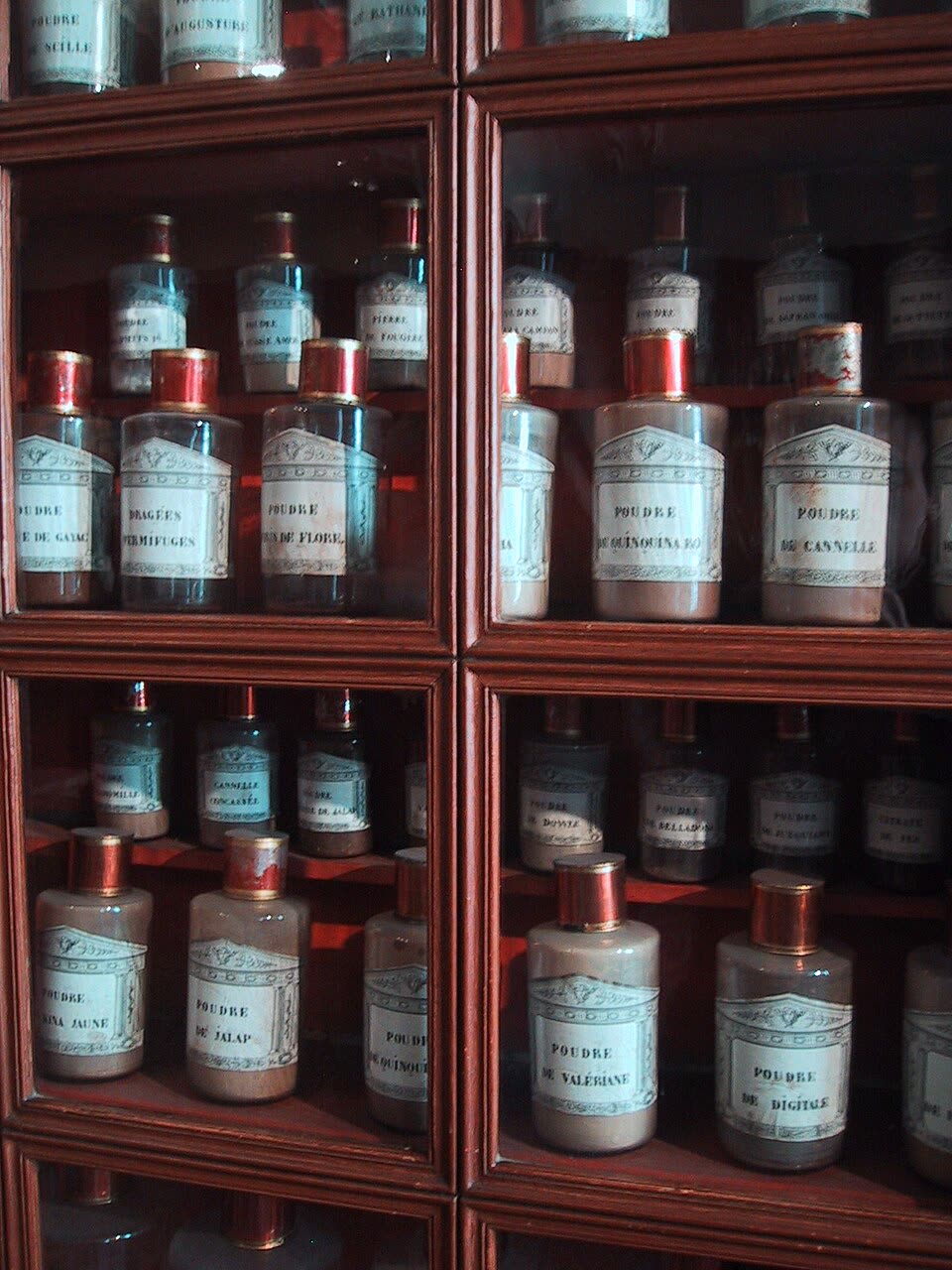
Apothecary containers are visual branding as much as packaging. If the glass arrives with bubbles, wavy walls, or rough lips, your labels and corks won’t sit right and your line can look cheap or even unsafe. Independent sourcing guides like Maplesourcing stress that DHgate requires extra vetting of sellers to avoid low‑quality or scam experiences; that’s amplified for jars and bottles because you’re trusting them with products and customers’ hands.
What Buyers Are Really Worried About When Sourcing Apothecary Jars on DHgate
If you’re sourcing jars on DHgate for a labeled product line or a big DIY project, a few specific things can go wrong:
- Quality and finish. Apothecary‑style usually implies thick, clear glass, consistent shape, and a clean lip or neck. Thin soda‑lime glass, visible seams, or uneven rims make labels harder to apply and can feel off‑brand.
- Food or cosmetic suitability. Many DHgate jar listings sit in generic “Storage Bottles & Jars” categories. Without clear material and usage statements, you can’t assume they’re safe for food, skin care, or candles—even if the photos look like kitchenware.
- Seller reliability. Some packaging sellers on DHgate have few reviews and no visible track record in jars. A bad batch can leave you stuck with unusable stock and re‑work on labels.
These risks don’t mean DHgate is unusable. They do mean you should decide up front whether you’re sourcing:
- One‑off decor or party favors – where cosmetic flaws and vague materials are acceptable.
- Branded product packaging – where you need tighter control, clearer specs, and better documentation than many DHgate listings provide.
Universal Checks Before You Even Think About DHgate
Specialty apothecary bottle guides emphasize looking closely at material, thickness, and finishing when you buy online.Source These checks apply anywhere—DHgate, Amazon, or a Canadian packaging distributor.
1. Match material and thickness to use For anything beyond decor, look for:
- Clear mention of glass type (e.g., borosilicate vs generic glass) or food‑grade plastic for non‑glass jars.
- Photos that show thick, even walls and a flat base. If the listing only shows stylized lifestyle shots, ask for close‑ups.
2. Inspect the finish and lip in photos Zoom in on the rim/neck:
- Rims should look smooth, not chipped or sharply angled.
- Cork stoppers should sit flush, not tilted or gapped.
- Screw‑top bottles should show clean threading.
3. Confirm closure type and dimensions For DIY labels, you need consistent sizing for both jar and closure. Check:
- Height and diameter in millimetres, not just capacity in mL.
- Whether corks or lids are included and matched to the vessel.
4. Align the jar style with your branding Decide whether you want:
- Tall test‑tube style vials with corks for spices or bath salts.
- Squat candy jars for sweets and decor.
- Cylindrical medicine‑style bottles.
If the listing uses “apothecary” loosely but looks like a kitchen container, assume it’s modern, not museum‑grade vintage.
5. Plan a small test order and QC Independent sourcing advice on DHgate packaging, echoed by Maplesourcing, recommends starting with small quantities from any new supplier. For jars and bottles, that test order should trigger a quick check:
Arrival QC mini‑checklist
- Count: quantity matches the order & no obvious breakage.
- Visual: glass is clear enough; no major bubbles or distortions.
- Fit: lids/corks fit snugly without force.
- Level: bases sit flat on a table; jars don’t wobble.
- Label test: apply one label and see if it adheres cleanly without wrinkles.
If a seller can’t pass this small trial, don’t scale up—and don’t put your brand name on the jars.
Query-time DHgate listing example
Observed on 2026-10-13, Storage Bottles Jars Kitchen Box Food Supplies Grain Tank Moisture-Proof Sealed Cans Transparent Organizers 220930 appeared in Storage Bottles & Jars. This is a time-bound, illustrative listing example, not an endorsement; availability and listing details may change. Verify the specifications, seller evidence, applicable compliance, and any intellectual-property or commercial-use rights required for the intended use. A sample can test the physical product, but it cannot establish legal permission or licensing.
Reading DHgate’s Signals for Apothecary‑Style Jars
DHgate’s own editorial blog encourages buyers to lean on seller ratings, feedback scores, and recent reviews to judge reliability and spot potential low‑quality offers. That’s useful, but in the apothecary jar category you’ll often find sparse reviews and generic product descriptions, so you have to read between the lines.
A 2026-10-13 Snapshot of DHgate Jar Listings
On 2026-10-13, a search of relevant DHgate categories showed several listings that could be used for apothecary‑style projects:
| Listing (2026-10-13) | Category | Price range (USD) | Reviews | What it suggests for DIY labels |
|---|---|---|---|---|
| European‑style Glass Candy Jars Transparent Glass Storage Jars Transparent Candy Jars Storage Supplies Wedding Decorations | Storage Bottles & Jars | 30.36-80.37 | 0 | Decorative glass candy/apothecary‑style jars for weddings; decent for non‑food labeling projects, but no buyer feedback yet. |
| Transparent Glass Jar Glass Candy Jar Dried Fruit Jars Tea Jars Miscellaneous Grain Jars Household Storage Jar Storage Bottle 240816 | Storage Bottles & Jars | 78.88-131.12 | 0 | Large transparent jars that visually fit an apothecary shelf; listing leans on household storage, not professional packaging claims. |
| Transparent Sealed Jar Glass Bottle Kitchen Storage Box Food Grade Transparent Jar Miscellaneous Grain Snack Tea Storage Jar 240711 | Storage Bottles & Jars | 22.64-43.84 | 0 | Described as “food grade” but with no visible third‑party certification in the snapshot—usable only after your own checks. |
| Storage Bottles & Jars 24Pcs 50Ml Size 30*100Mm Test Tube With Cork Stopper Spice Container Vials DIY Craft | Storage Bottles & Jars | 14.62-24.98 | 0 | Test tubes with corks that fit many DIY apothecary looks; dimensions are listed (50 mL, 30×100 mm), but no review history yet. |
| Outdoor Camping Cooking Apothecary Jars Spice Jar Seasoning Pot Stainless Steel Adjustable Size Port Rotate BBQ Shakers | Colanders & Strainers | 9.10-13.53 | 0 | Branded as “apothecary jars” but actually stainless steel spice shakers—illustrating how loose the term is on DHgate.
Listings and prices change regularly; these examples simply show the kind of signals you’ll be working with. Notice how most have zero reviews, and “apothecary” is used loosely. That’s why you have to rely on more than just the title.
How to Use DHgate’s Ratings and Product Pages
When a jar listing catches your eye:
- Check seller ratings and transaction volume. DHgate’s editorial content calls ratings and past buyer feedback one of the more dependable tools for assessing reliability. Aim for sellers with consistently high ratings and meaningful sales history, not brand‑new stores with no track record.
- Read any existing product reviews closely. Look for comments on glass thickness, packaging, and breakage. One example in the broader “Storage Bottles & Jars” category shows a product rated 1.0 out of 5 with a single review—exactly the kind of red flag you should respect when sourcing packaging.
- Scrutinize product details. DHgate’s blog specifically advises buyers to read shape, looks, and function carefully and to contact sellers for missing information. For jars, message the seller to ask:
- Are the photos of real production stock?
- What glass type is used?
- Are lids or corks included and matched?
- Can they share a close‑up of the rim and base?
- Be skeptical of buzzwords. “Food grade” or “apothecary” in a title doesn’t equal tested or certified. Without documentation, treat those claims as marketing language.
If a seller ignores questions or gives vague answers, that’s your cue to walk away or use the listing purely for non‑contact decor.
When DHgate Is a Poor Fit for Apothecary Jars
For many Canadian buyers, DHgate is appealing because of variety and low unit cost, but there are clear situations where another route is safer:
- You’re packaging consumables, skincare, or anything regulated. Here, you generally want a packaging supplier that explicitly states compliance, and ideally operates in your region or has clear documentation.
- You need consistent, repeatable stock for a growing brand. Sparse DHgate reviews and variable sellers make future restocks uncertain.
- You don’t have time for test orders and QC. DHgate almost always requires a trial‑and‑error phase.
In those cases, it’s worth paying more for jars from Amazon Business or Canadian packaging specialists with clearer specs and support. Use DHgate for props, photo shoots, and non‑contact decor, not critical packaging.
For the DHgate branch of your supplier check, use Find wholesale suppliers on DHgate.
If you do pursue DHgate for jars and bottles, pair the steps above with broader marketplace vetting like the guidance in Assess DHgate listing and seller risk and Find trusted sellers on DHgate. That way, your apothecary aesthetic doesn’t turn into a packaging liability.