
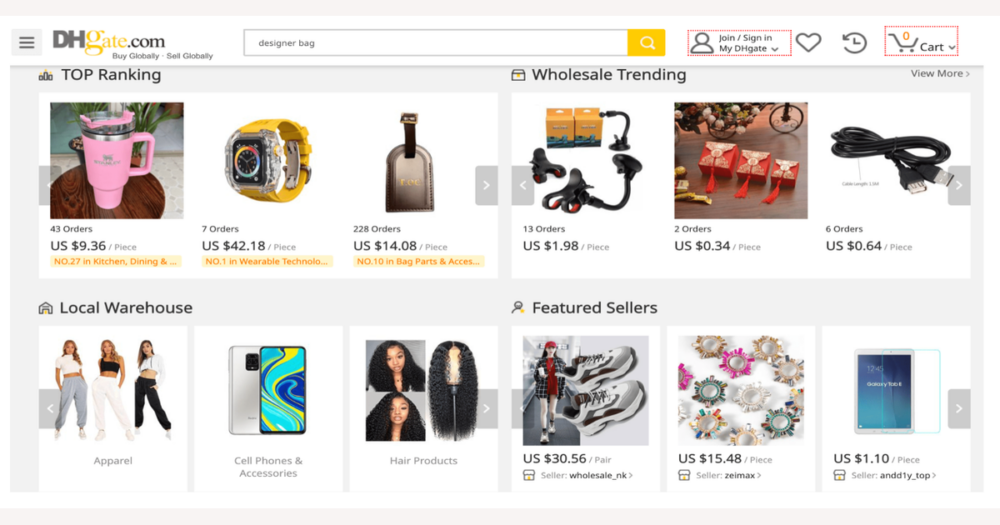
On DHgate, there isn’t one “most reliable” store for second-hand household items—reliability depends on each individual seller’s listings and track record. This guide focuses on how to read condition labels, photos, and specifications, then use DHgate’s ratings, reviews, and protections to decide whether a store is reliable enough for your next second-hand or refurbished purchase.
How does DHgate fit into the second‑hand and refurbished household items market?
DHgate is not a single store for second-hand household items; it is a marketplace where many independent sellers list their own stock. Some focus on brand-new goods, while others sell surplus, refurbished, open-box or occasionally clearly used items. Because inventory and sellers change over time, there is no universally “most reliable” DHgate store—reliability is judged seller by seller, using the information available on each listing and the seller’s track record on the platform.
In listings you may see terms like “used,” “refurbished,” “like new,” “open box,” or “overstock,” but sellers do not always use these labels in a strict technical sense. Sometimes they are marketing language rather than precise condition grades. For second-hand and refurbished household items, it is safer to treat them as clues and look for harder evidence: multiple clear photos of the actual item (or identical units), close-ups showing any wear or cosmetic marks, and straightforward condition notes rather than vague promises.
The listing’s objective details are what really help you judge whether a seller is careful and honest about condition. For household items, that includes basic specifications such as dimensions and materials, voltage and plug type for anything electrical, and a clear list of which parts and accessories are included or missing. A reliable seller will usually spell out flaws (scratches, dents, discoloration), explain whether the item has been tested, and show enough angles in the photos that you are not left guessing about its state.
Second-hand and refurbished items on DHgate carry extra risks compared with buying brand-new: the actual condition may be worse than the label suggests, accessories can be missing, and compatibility issues are more likely—for example, a device with a non-US plug or a fitting that does not match local fixtures. Careful reading of the specifications and close inspection of the photos can reduce these risks, but they do not remove them entirely. If a listing is vague about condition, shows only generic images, or leaves out key specs, I would personally skip that seller and look for another listing—or even a new item—rather than gamble on guesswork.
DHgate’s platform-level tools, such as seller ratings, written reviews, and payment protections, can support more reliable choices, but they cannot fully compensate for a store that is unclear or misleading about item condition. Think of ratings and protections as a safety layer on top of the basics: honest photos, detailed condition descriptions, and clear specs. Once you have found a listing that meets that standard, take a closer look at the seller’s history, payment route, shipping practices, and dispute and refund terms.
How can you check whether a DHgate seller is reliable before you buy?
- Check the seller’s overall rating and order history. A high score with only a handful of completed orders tells you less than a similar rating backed by many transactions. For second-hand or refurbished items, I prefer sellers with both solid ratings and a meaningful volume of past orders.
- Read recent text reviews instead of relying only on star scores. Look specifically for comments on whether the item’s condition matched the description, how well fragile or bulky items were packaged, how actual delivery times compared with the estimate, and how the seller handled any reported problems.
- Scan reviews for patterns rather than reacting to a single complaint or compliment. Repeated reports that items arrive more worn than described, or that accessories are missing, are a red flag. On the other hand, consistent praise for honest condition notes, accurate photos, and careful packaging is a strong reliability signal.
- Check how the seller responds to questions and reviews. Specific, constructive replies—especially when a buyer raises an issue—suggest the seller is engaged and may handle after-sale problems through DHgate’s channels. Generic or defensive responses, or silence, make me more cautious.
- Evaluate listing clarity alongside these metrics. For each second-hand or refurbished household item, confirm that the condition notes, real photos, list of included parts, dimensions, materials, and any voltage or plug details are detailed enough that you could realistically judge whether the item fits your home and expectations.
- When these checks leave you choosing between sellers, I would rather pay a bit more to buy from a store with clear, well-documented listings and strong review patterns than chase the absolute lowest price from a seller with vague descriptions and minimal feedback. Once a seller passes this ratings-and-listing test, the next step is to confirm that their payment route, shipping plan, and refund and dispute terms also feel safe for your purchase.
How should you handle payment and order details for second-hand items on DHgate?
- Keep every payment inside DHgate’s own checkout flow. Use DHgate-supported methods only, and ignore requests to send money via bank transfer, cash apps, or other off-site channels—those are harder to trace and usually outside platform protection.
- Before you confirm payment, pause to review the full order: reread the condition notes, make sure you chose the right variant and quantity, check the shipping method and cost, confirm your delivery address, and make sure any messages about condition or included parts match what’s in the listing.
- After paying, keep a clear record. Save or be able to retrieve your order confirmation, invoices, and all on-platform messages, including any photos the seller shared before purchase, so you can show exactly what was agreed if questions arise.
- Treat these habits as basic marketplace safety. They can’t guarantee a perfect outcome, but keeping payments on DHgate and documenting your order makes it much easier to explain problems and seek a resolution through the platform if something goes wrong.
What should you check about shipping and delivery for second-hand household items?
Shipping matters more for second-hand household items than for small new goods. Bulky or fragile pieces—like small furniture, glassware, or appliances—need stronger packaging and more careful handling, which adds cost and complexity and also increases the risk of damage if a seller cuts corners.
On each DHgate listing, scrutinize the practical shipping fields. Check which method the seller uses (standard post versus named courier), whether tracking is included, the estimated delivery window, and any notes about how the item will be packaged or handled. These details show how much thought the seller has put into getting the item to you safely.
Positive signals include specific mentions of reinforced packaging, double-boxing, bubble wrap, or foam; realistic delivery estimates for cross-border shipping; and clear information about which couriers are used and how tracking works. Reviews that praise careful packaging and deliveries arriving broadly within the promised timeframe are also reassuring.
Warning signs are the opposite: vague or missing shipping information, promises that a large or heavy item will arrive implausibly fast, or many reviews complaining about damage, delays, or parcels that never arrived. If I saw that pattern for a bulky or fragile item, I’d look for a different seller or even a different marketplace.
Some parts of delivery—courier performance, customs checks, local handling—are outside any seller’s direct control. Even so, consistent care in packaging and honest, conservative estimates are key reliability indicators on DHgate, especially when you’re trusting a second-hand household item to survive a long trip.
How should you use DHgate’s dispute tools if something goes wrong?
If a second-hand item from DHgate arrives substantially different from its listing or never shows up, treat DHgate itself as the place where the dispute happens. Keep every message with the seller inside DHgate’s own messaging system so the full conversation is recorded on the order, including any promises about condition, packaging, or delivery. As soon as you open the package and notice a problem, take clear photos or short videos that show the issue—extra wear, cracks, dents, stains, or missing accessories—along with the outer box and any visible shipping damage.
Save copies or screenshots of the original listing, your order confirmation, and any pre-sale messages where the seller described the item or agreed to specific terms. If you need to escalate, raise the issue through DHgate’s dispute or order-problem tools rather than trying to fix it privately over email or a separate chat app; using on-platform tools gives the platform visibility into what went wrong and ties your evidence directly to the order. Dispute mechanisms are there to mediate between you and the seller, not to guarantee a particular outcome, especially when you are arguing about how much wear counts as acceptable. That is why the earlier checks—choosing reliable sellers, insisting on clear photos and specs, and checking realistic shipping details—matter so much: they reduce the chances that you will need a dispute in the first place and give you stronger evidence if you do.
How do refunds and returns work for second-hand items on DHgate?
Refunds and returns for second-hand or refurbished items on DHgate are usually tighter than for brand-new goods, so reading each seller’s policy is essential. Many stores treat second-hand stock as final sale unless something is misdescribed, so check the listing and store page for when returns are allowed at all—only for clear defects or also for issues like undisclosed wear—and whether the seller mentions any conditions on packaging or use.
Look closely at who pays return shipping, especially for heavy or bulky household items where sending something back can cost as much as the item itself. Check how the seller says they will judge the item when it comes back: what counts as normal wear versus damage, whether they mention restocking fees, and any time limits for reporting problems or starting a return. DHgate’s buyer protection usually sits alongside these store rules rather than replacing them, and it comes with its own conditions, so compare the seller’s promises with DHgate’s general protection wording and keep screenshots if anything seems inconsistent.
For second-hand household items, I would rather buy from a store that clearly allows returns when an item is misdescribed or has serious undisclosed defects and that spells out who pays return shipping, even if the prices are a little higher. Clear, specific refund and return terms make it much easier to judge whether a store is reliable enough for a used or refurbished purchase and give you a more predictable path if you ever have to use DHgate’s dispute tools.
Should you prefer established DHgate stores or newer sellers?
| Seller type | Typical advantages | Typical trade-offs | When this fits your risk tolerance |
|---|---|---|---|
| Established, high-volume DHgate store | Many completed orders and reviews, clearer policies, and more consistent handling of second-hand or refurbished stock. | Often higher prices and fewer “bargain” listings; past performance still doesn’t guarantee every order will be perfect. | Best for costly, fragile, or hard-to-replace household items—this is the type of store I’d usually choose when I want predictable condition, packaging, and a clearer path if something goes wrong. |
| Smaller or newer DHgate seller | May offer lower prices, niche or unusual items, or more flexible communication. | Limited feedback and order history, so more uncertainty about condition accuracy, packaging quality, and after-sale support. | Fits when the item is inexpensive and easy to replace, the listing is very clear with photos and specs, and you’re comfortable with higher risk; if condition, reviews, or policies are vague, I’d rather walk away. |
A quick pre-purchase checklist for second-hand items on DHgate
- Confirm the item type and condition: do the photos and description clearly show that it is second-hand or refurbished, what cosmetic wear to expect, its dimensions, materials, and all included parts? If anything feels vague, skip the listing or message the seller before deciding.
- Check the seller’s track record: look at the rating score, number of completed orders, and recent reviews that mention condition accuracy, packaging quality, and delivery reliability, not just generic compliments.
- Review the store’s refund and return terms: whether returns are allowed for misdescribed second-hand items, who pays return shipping, any time limits, and whether those rules seem fair for the kind of household item you’re buying.
- Verify shipping details: method, estimated delivery window, tracking availability, and any packaging notes, paying extra attention if the item is bulky, heavy, or fragile.
- Secure payment and order details: keep payment inside DHgate’s checkout with supported methods, and double-check the variant, quantity, price, and delivery address before you pay.
- Plan for problems: know where DHgate’s dispute tools sit in your account, and keep order confirmations and on-platform messages so you have evidence if the item arrives misdescribed or not at all.
- If a store fails any of these core checks—especially on clear condition, solid feedback, or transparent policies—I’d rather walk away and choose a different listing than risk a frustrating second-hand purchase.
FAQ: common questions about second-hand household items on DHgate
Is DHgate mostly for new items, and does that make second-hand listings riskier?
DHgate is heavily focused on new and surplus goods, so clearly second-hand or refurbished household items are less common and more varied in quality. That doesn’t make every used listing unsafe, but it does mean you should rely even more on the concrete signals you’ve already seen: honest condition descriptions, multiple real photos, clear specs, and a seller with a solid track record. If a second-hand listing looks vague or out of step with that standard, I’d treat it as higher risk and move on rather than trying to read between the lines.
How can I tell if an item is truly second-hand versus ‘like new’ or open-box on DHgate?
Start with the wording: look for explicit mentions of prior use, refurbishing, or removed packaging rather than just marketing phrases like ‘like new’. Then study the photos for small signs of wear—scuffs, color changes, marks on cables or buttons—and check whether the seller points out specific flaws or testing history. If the label is unclear, use DHgate’s messaging system to ask directly whether the item has been used and what cosmetic and functional condition to expect. When a seller won’t give a straight, written answer, I’d rather skip the listing than hope it counts as open-box only.
What should I do if a store’s listing promises more than DHgate’s buyer protection seems to cover, or vice versa?
Save both sets of information before you buy: screenshot the listing, the store’s policy text, and DHgate’s buyer protection wording for that order. Use on-platform messages to ask the seller to confirm any generous promises in writing—such as broader return rights or specific guarantees on second-hand condition—so they sit in the order record. If a problem later arises and the store’s promises and DHgate’s protection seem to conflict, refer to the official DHgate policies and open a dispute through the platform, attaching your screenshots and messages as evidence. If the rules or answers still feel inconsistent at the browsing stage, I would simply walk away and choose a listing where the protection and promises line up clearly.