
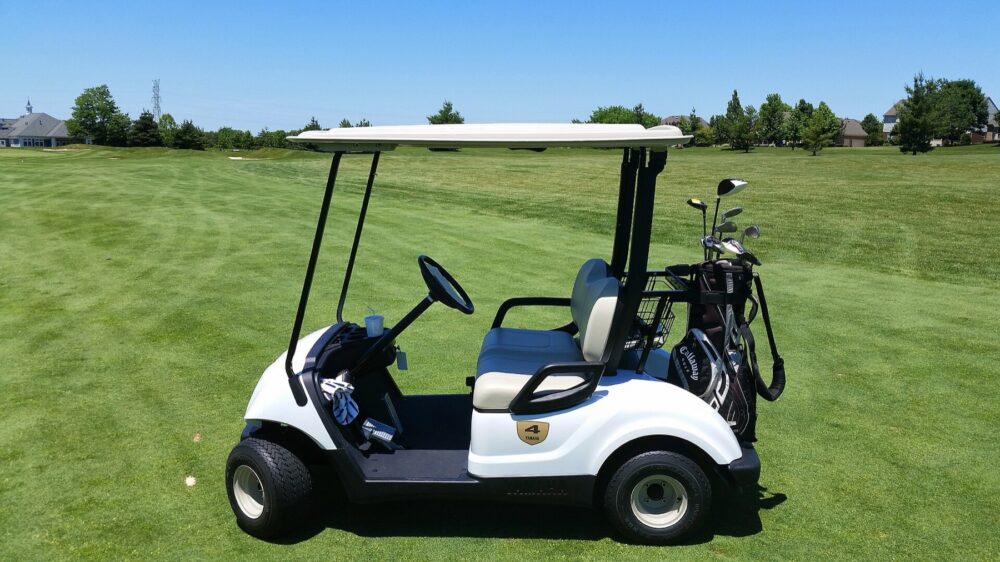
Phat Scooters are fat-tire, single-rider electric scooters that carry your golf bag on a rear rack and replace a traditional two- or four-seat cart. Instead of sharing a cart, each player rides their own scooter, drives straight to their ball, and often finishes rounds faster. If you’re looking for vehicles, you’ll usually go through golf scooter specialists and dealers; for replacement parts and batteries, you’ll rely on general scooter parts vendors and marketplaces, checking specs carefully to stay compatible and safe.
What Phat Scooters and Golf Carts Are and Who They’re For
Phat Scooters is a Phoenix-based company that makes all-electric, single-rider scooters for personal and commercial use, including golf courses. Industry coverage describes their golf models as an alternative to traditional golf carts: wide, “phat” tires for stability, a rear rack to hold a full golf bag, and a sit-or-stand riding position that feels more like a relaxed motorbike than a utility cart.
On a course, the idea is simple: each golfer gets their own scooter. Golf.com has highlighted them as a fun way to zip around the course, and courses have used them as a way to differentiate their experience and appeal to younger or more adventure-minded players.Source Large golf management companies such as Troon have promoted single-rider scooters as part of a broader “single-rider revolution,” partnering with Phat Scooters to bring fleets to managed courses.Source
These scooters tend to appeal to:
- Public and resort courses looking for a draw beyond standard carts
- Private clubs experimenting with pace-of-play improvements
- Individual golfers who want a personal single-rider vehicle instead of renting carts
They are not mobility scooters or medical devices; they’re recreational electric scooters tuned for golf-course speeds and terrain.
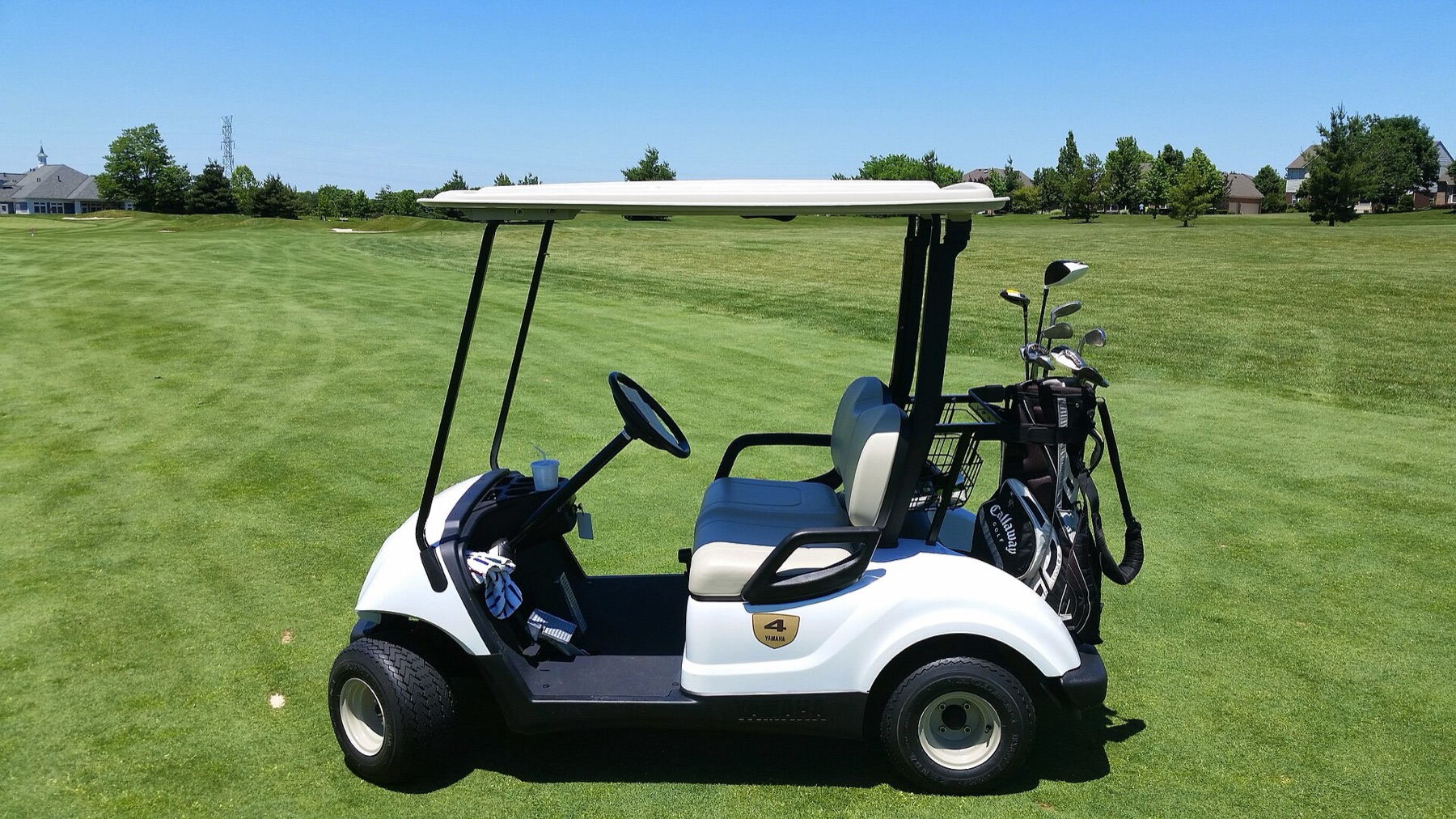
That distinction matters if you’re a buyer or small ecommerce business. You’re evaluating a golf transport product that sits somewhere between an e‑bike and a golf cart, with specific requirements for turf friendliness, stability, and bag-carrying.
Types of Phat-Style Golf Scooters, Carts, and Key Specs
Phat’s golf scooters sit within a wider category of single-rider golf vehicles. Reviews of “single golf cart” brands list Phat alongside other scooter and motobike-style options in the golf transport market.Source From a buyer’s standpoint, you’re comparing two broad formats:
- Single-rider fat-tire scooters (Phat-style) that carry one person and one bag
- Compact single-rider “carts” or buggies that look more like a shrunken cart with a seat and steering wheel
Within the Phat-style scooter format, you’ll see variations on a few core specs.
What varies from model to model
Most single-rider golf scooters share several design elements, but differ in performance and practicality:
| Feature | Typical Phat-style scooter behavior | Why it matters on course |
|---|---|---|
| Tires | Very wide, low-pressure “phat” tires | Spreads weight, reduces turf damage, adds grip |
| Motor | Electric hub motor in rear wheel | Determines hill-climbing and max speed |
| Battery | Removable or frame-integrated pack | Controls range per charge; affects fleet uptime |
| Golf bag rack | Rear-mounted rack or cradle | Keeps bag stable over bumps and side-hills |
| Brakes | Disc or drum, often both wheels | Safety on wet grass and slopes |
| Frame stance | Low, scooter-like step-through | Easier mounting for a wide age range |
Exact power, range, and dimensions vary by brand and model, which is why courses often demo a few single-rider options before committing. For Phat-style scooters specifically, coverage highlights their fat tires and rear rack as the defining golf features: they look more radical than a cart, but are built to be turf-friendly and stable for average golfers.Source
Scooters vs traditional multi-seat golf carts
If you’re deciding between scooters and carts, think in terms of:
- Pace of play: Single-rider scooters let each golfer go straight to their ball. Multi-seat carts force you to zigzag between players.
- Fleet dynamics: Scooters mean more vehicles to charge and maintain, but fewer “cart path only” bottlenecks if they’re gentle on turf.
- Perceived risk: Some golfers love the motorcycle-like feel; others prefer the familiarity and enclosure of a cart.
Courses that have adopted single-rider fleets often position them as an optional upgrade, not a wholesale replacement. For a small business considering reselling or renting them, the takeaway is that you’re serving a niche within the larger cart market—high engagement, but not universal.
How to Buy Phat Scooters, Replacement Parts, and Batteries
Buying complete scooters or carts
Phat’s own channels and golf scooter specialists have historically been the primary way to buy these vehicles. Golf-focused vendors and distributors highlight Phat-branded scooters as part of curated fleets for courses and resorts.Source For US buyers, realistic paths include:
- Golf scooter specialists and regional dealers that offer Phat and competing single-rider brands
- Golf-course equipment vendors that bundle scooters with cart fleets, chargers, and maintenance contracts
- Used-market listings on broad marketplaces (eBay, etc.) when courses or individuals resell units
If you’re a course operator, start with vendors who already serve golf facilities—they’ll understand issues like turf policies, insurance, and charger placement better than general powersports dealers.
Sourcing replacement parts and batteries
Support for niche vehicles can be spotty once warranties expire or if a manufacturer changes direction, so most owners move to generic parts channels for consumables:
- General scooter parts retailers (online and local) for tires, brakes, controllers, and throttles
- Battery specialists for replacement packs or rebuilds
- Broad marketplaces like Amazon and eBay for compatible components when exact OEM parts aren’t available
You should not assume that any marketplace listing offering a “golf scooter battery” is genuine Phat-branded or officially approved. Instead, treat the scooter like any other electric vehicle and match by specifications.
DHgate, for example, is one cross-border marketplace where sellers offer generic electric scooter batteries and parts. If you go that route, treat it as a way to source compatible components, not OEM-specific items, and vet each seller and listing carefully.Source
How to match a generic battery safely
Battery guidance from scooter resources emphasizes three checks before you buy a replacement:Source
- Voltage
Match the original system voltage (commonly 36V or 48V in many scooters). A mismatch can damage controllers or reduce performance.
- Capacity and chemistry
Capacity (often expressed in Ah or Wh) affects range and weight. Lithium-ion packs dominate modern scooters because they’re lighter and offer higher energy density than lead-acid. Doubling capacity purely for range can make a pack heavier than the scooter was designed to carry.
- Physical dimensions and mounting
Measure the battery compartment and mounting hardware on your scooter. The pack must fit securely without stress on cables. A battery that “almost fits” is a red flag—you don’t want movement or pinched wiring on uneven turf.
Also watch for signs that your current battery truly needs replacement: swelling, leaks, sudden range loss, or failure to hold a charge. Generic guidance suggests many scooter batteries last a few hundred charge cycles when treated well; if yours is far past that and struggling, replacement is realistic.Source
For a golf course managing a fleet, a practical approach is:
- Pull one scooter into the shop and document battery specs and physical layout in detail.
- Work with a battery dealer or experienced scooter repair shop to source or build packs that match those specs.
- Only then consider bulk purchases or cross-border orders, using the documented spec sheet as your filter for listings.
Parts beyond the battery
Non-battery components—tires, brake pads, switches, throttles, controllers—are usually easier to replace generically:
- Tires: Match diameter and width; for golf use, prioritize tread that balances grip with turf friendliness.
- Brakes: Confirm rotor diameter and caliper style if you’re replacing discs; test braking on hills before returning scooters to rental duty.
- Electronics: Controllers and throttles must match voltage and connector types; consider professional installation to avoid wiring mistakes.
Local “electric scooter repair” shops that appear in social posts and local directories often advertise work on a wide range of brands, including golf scooters. Their experience with generic parts can be more valuable than chasing elusive OEM spares, especially as a vehicle ages.
Phat-style golf scooters sit in a specific niche: single-rider, fat-tire electric vehicles built for the course. If that fits your needs—and you’re willing to manage specs closely for parts and batteries—they can be a compelling alternative to traditional carts. If you prefer standardized support and long-term parts continuity, sticking with mainstream multi-seat carts from established golf car manufacturers may be a better match.