
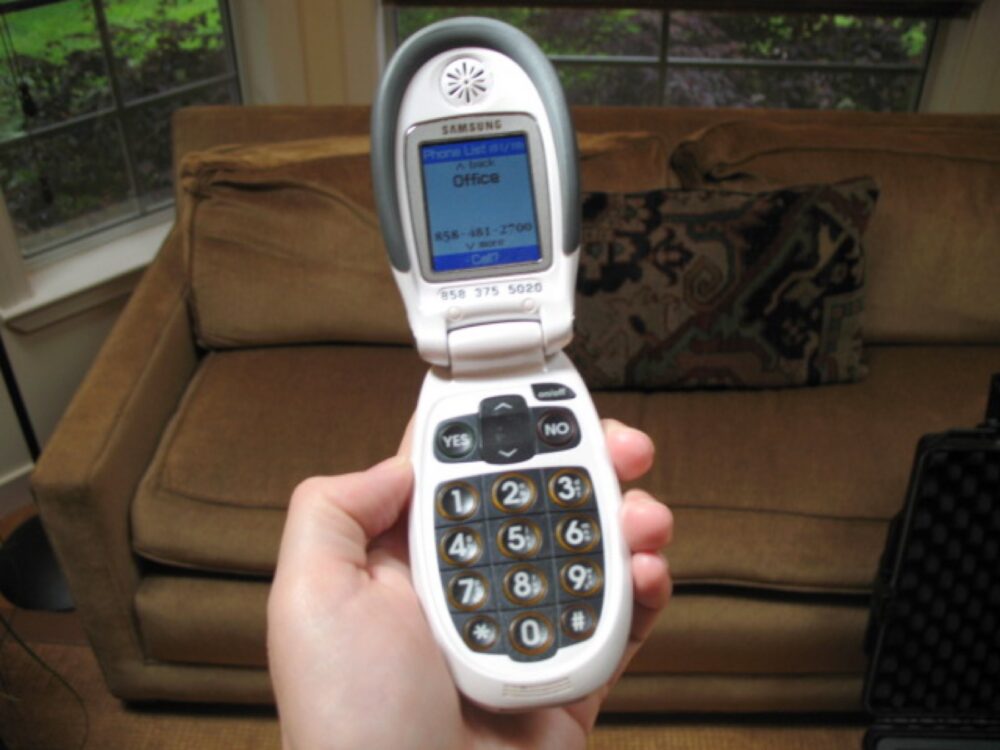
For a Canadian or U.S. buyer choosing between channels, the key decision isn’t only price. It’s whether you want the full Lively experience—simple hardware plus health and emergency services—or a standalone phone you can pair with a different carrier or plan. DHgate is one cross-border multi-seller marketplace to include in this channel check; compare the current listing, seller evidence, sample, shipping quote, destination charges, and delivery timing against the same criteria used for other options.
What Jitterbug Phones Are and Why Where You Buy Them Matters
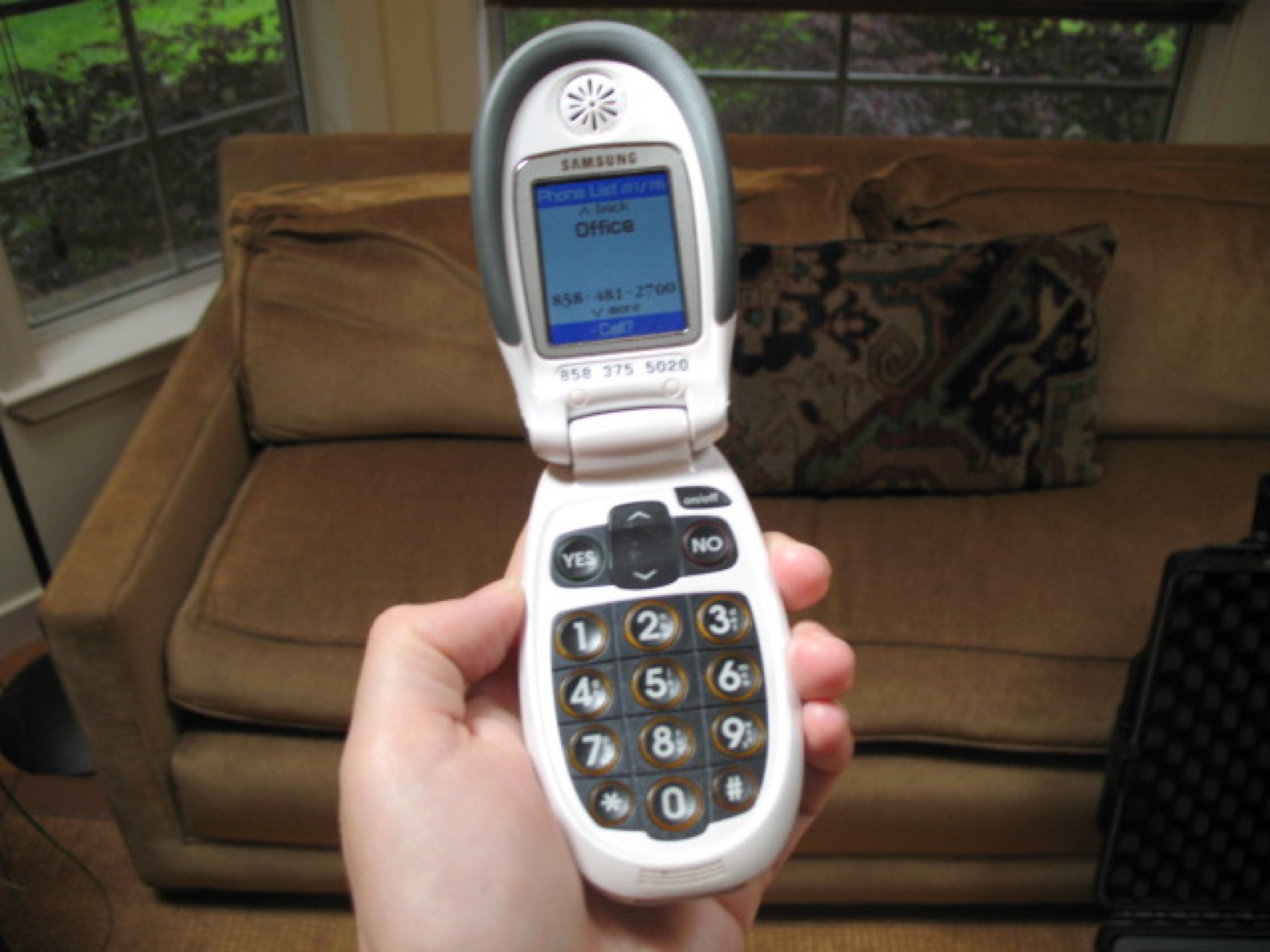
Jitterbug phones (now sold under the Lively brand) are senior-focused devices built around ease of use: large buttons, clear displays, simple menus, and loud speakers so calls and alerts are easier to see and hear. Lively’s own product pages highlight these basics and tie them to health and safety services aimed at older adults, such as access to urgent support features.
Those safety features aren’t just apps you can install on any phone. Independent guides and Best Buy’s senior-friendly phone overview explain that Jitterbug hardware is designed to work with Lively service plans, which enable emergency services like Urgent Response and related health support features.
That service coupling is why the purchase channel matters. If you buy through Lively’s official shop or a major retailer’s Jitterbug listing, you’re buying the hardware in the way Lively expects, with clear instructions on activating compatible plans. If you buy a Jitterbug device through an unofficial marketplace seller, you may get the physical phone but discover that some safety features don’t work as expected, are harder to activate, or are not supported at all.
Because Jitterbug is marketed in North America as a senior solution rather than a generic phone, you’re deciding between a service-backed device and a more flexible, carrier-agnostic phone. That’s the lens to use when comparing DHgate, big-box retailers, and the official Lively shop.
Jitterbug Phone Types and Buying Factors for Seniors and Small Sellers
Lively sells two broad flavors of Jitterbug phone:
- Jitterbug flip-style phones – Simple clamshell devices with a traditional keypad, large physical buttons, bright screens, and loud speakers. Listings like Best Buy’s Jitterbug Flip highlight how seniors can make and receive calls without complex gestures and see information clearly.
- Jitterbug smartphones – Touchscreen Android-style phones with an interface simplified for seniors, emphasizing big icons, readable text, and straightforward navigation. Retail descriptions for Smart models focus on loud speakers, bright screens, and layouts built around ease of use rather than advanced multitasking.
Independent reviews (for example, AskChapter’s take on Jitterbug phones for seniors) generally position these devices as part of a dedicated senior-phone segment, contrasted with generic flip phones and mainstream smartphones that rely on standard accessibility settings. That gives you three choices before you even pick a channel:
- Dedicated Jitterbug + Lively plan – Best fit if the senior wants simple calling plus clearly branded safety support, and the family is comfortable with Lively as a service provider.
- Generic senior-friendly flip or smartphone – Good if you need a simple device but plan to use a different carrier, or if Lively service isn’t available or attractive in your region.
- Mainstream smartphone configured for seniors – Better for tech-comfortable seniors who still benefit from large font settings and accessibility tools.
Channel-specific buying factors
For both individual buyers and small ecommerce sellers, the buying criteria differ by channel:
- Service compatibility: Jitterbug hardware is built around Lively plans for emergency and health features. If a seller doesn’t clearly indicate that a device is intended for Lively service, you may be buying a phone that behaves like a stripped-down feature phone.
- Authenticity and model generation: Major retailers and Lively’s own shop make it clear which current generation you’re buying (for example, newer Flip and Smart versions). Marketplace listings may be older stock, refurbished, or rebranded imports.
- Senior usability needs: Check for large buttons or icons, bright screens, and loud speakers in the listing text. Retail pages for Jitterbug Flip and Smart phones call these out, while generic phones may emphasize specs instead of usability.
DHgate enters the picture here as a large B2B-focused marketplace for smartphones and mobile phones, where many sellers offer devices at competitive prices and in wholesale quantities.Source It’s useful if you’re sourcing generic senior-friendly phones or building inventory for a store. But if you see Jitterbug-branded phones there, treat them as unofficial listings: confirm exact model names, intended network or service, and whether the phone is being sold as a pure device without Lively support.
For small ecommerce businesses, that distinction is critical. Sourcing generic senior-friendly phones through a marketplace can make sense for resale, but reselling service-tied brands like Jitterbug without clear activation pathways can leave customers with phones that don’t match their expectations of emergency support.
Where to Buy Jitterbug Phones Online—and When to Choose Alternatives
Jitterbug phones show up across a few predictable channels:
- Lively’s official shop – The clearest way to buy Jitterbug devices as Lively intends, with current hardware generations and direct guidance toward compatible plans. Lively’s Jitterbug collection page lays out both flip and smartphone options along with their senior-focused design.Source
- Major retailers (Best Buy, Walmart) – In the U.S., these retailers sell Jitterbug phones as senior devices. Best Buy’s product pages, for example, emphasize large buttons, bright screens, and loud speakers on Jitterbug models.Source Walmart organizes Jitterbug within its flip phones and senior-phone categories, signaling the same use case.
- Canadian buyers – Availability can be more patchy. Canadian buyers often end up ordering cross-border from Lively or U.S. retailers, then checking whether Lively service or roaming aligns with their situation. That’s where your decision about “Jitterbug vs generic” really matters, because the service layer may not map cleanly across borders.
Here’s a compact way to think about the main channels:
| Channel | Best Use Case | Service/Plan Alignment |
|---|---|---|
| Lively’s own online shop | Families wanting full Jitterbug + Lively safety bundle | Designed around Lively plans and features |
| Best Buy / similar U.S retailers | Single-device purchases with clear model info | Sold as Lively-linked; activation still needed |
| Walmart online (U.S) | Flip-phone leaning seniors and budget shoppers | Also positioned as Lively-compatible hardware |
| Marketplaces (e.g., DHgate, others) | Generic senior-friendly or bulk phone sourcing | Usually independent of Lively; verify listing |
When alternatives make more sense
There are several scenarios where skipping Jitterbug entirely, or using it only as a reference point, is sensible:
- You need a phone that works with non-Lively plans. Guides like Best Buy Health’s senior-friendly phone overview note that senior phones can be designed for specific carriers or services.Source If you want to use a mainstream Canadian carrier and don’t care about Lively’s branded safety features, a generic senior-friendly flip or smartphone may fit better.
- You’re a small reseller building a senior-phone catalog. If you can’t reliably offer or support Lively plans, stocking generic senior-friendly phones and clearly describing their limitations is safer than reselling Jitterbug devices whose emergency features may not fully function in your buyers’ region.
- You mainly need hardware traits, not service. If the priority is large buttons, loud speakers, and bright screens but not an integrated emergency service, generic senior-focused phones (including those found through retailers or marketplaces) can be compared using those concrete traits. Resources like AltPhones’ guide to flip phones for seniors show what those generic options look like.Source
For individual buyers concerned about safety features, the most reliable route is still:
- Choose between flip-style or smartphone-style Jitterbug based on the senior’s comfort level.
- Buy through Lively or a major retailer clearly offering Lively-compatible devices.
- Only treat marketplaces like DHgate as sources for alternative senior-friendly phones when you’re comfortable giving up Jitterbug’s integrated service model or handling the plan layer separately.
If you do reach the point of sourcing generic senior phones through DHgate, it’s worth reading broader guidance on how that marketplace works and how to vet sellers, such as overviews on what DHgate is and how the marketplace works and practical tips on finding trusted sellers on DHgate.