
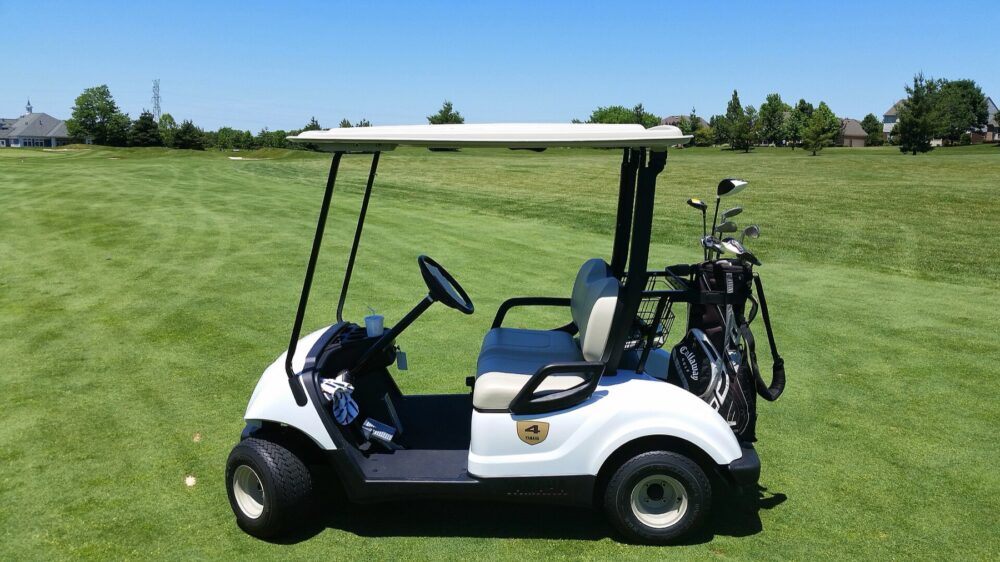
Phat golf scooters are fat-tire, single‑rider electric scooters built to carry one golfer and their bag as an alternative to a shared cart. You choose between a Phat‑style scooter and a traditional golf cart by matching three things: how you’ll use it (golf only, neighborhood/LSV, rental fleet, resale), how many people you need to carry, and whether your courses or HOA allow single‑rider scooters on their property. Genuine Phat Scooters are sold through the brand and dealers; DHgate mainly surfaces generic electric scooters and parts, so it’s usually a fit for look‑alikes or components, not for authentic Phat vehicles.
What Phat‑Style Golf Scooters and Carts Are, and Who They Suit
Phat golf scooters use very wide, low‑pressure tires, a step‑through frame, and an electric drive to carry one rider plus a golf bag. Independent reviewers highlight the big tires for stability and comfort and the quiet battery drive for moving around the course without the feel of a noisy cart.[WindtreeGolf review] These are intentionally single‑rider vehicles: you don’t split rides with your partner, you each have your own scooter.
Some US courses have started adopting single‑rider vehicles like Phat scooters as a pace‑of‑play tool and a “fun factor” upgrade rather than replacing all carts.[Park(ing) Day overview] They’re often positioned for:
- Courses that want a differentiated experience without rebuilding cart paths.
- Resorts that market “ride your own scooter” as part of the package.
- Players who value solo pace and a more active feel than sitting in a cart.
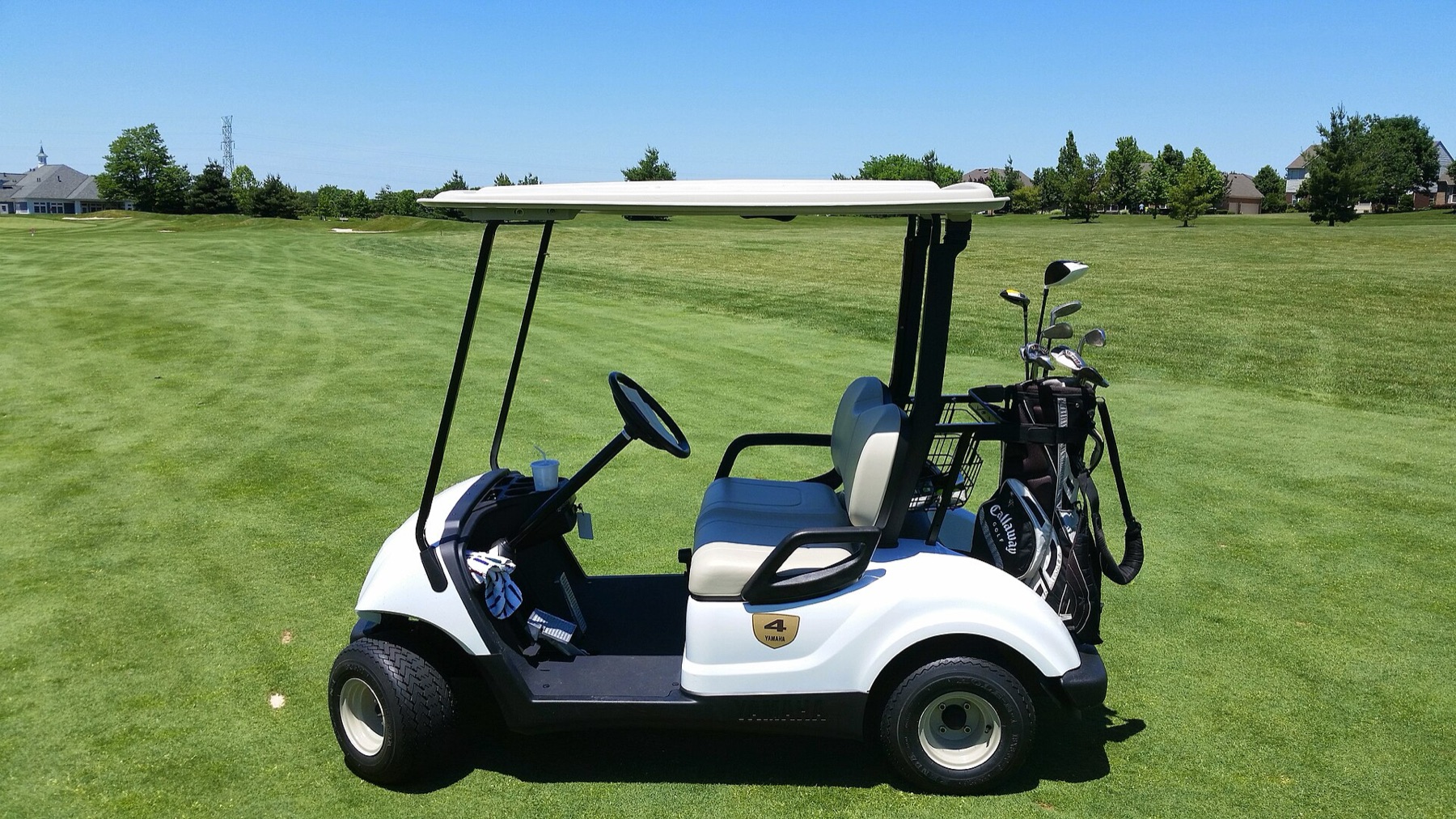
Traditional golf carts, by contrast, are multi‑seat vehicles with four wheels, a bench or bucket seats, and either lead‑acid or lithium batteries. They’re designed for shared rounds, marshaling, and utility roles around property.
If your primary need is 2-4 riders, lots of gear, and universal acceptance by courses and HOAs, a conventional cart (Club Car, EZ‑GO, etc.) remains the better structural fit. Phat‑style scooters make more sense when:
- You’re buying for a course that explicitly wants single‑rider vehicles.
- You’re a golfer with permission to bring a personal scooter.
- You’re a small reseller targeting niche golf scooter buyers rather than general cart shoppers.
Key Options and Specs: Phat Scooters vs Standard Golf Carts
Within the broad “golf vehicle” bucket, you’re choosing between two architectures and then dialing in batteries, motors, and tires.
1. Single‑rider scooters vs multi‑seat carts
Here’s a concise comparison you can use when shortlisting options:
| Vehicle type | Typical riders | Bag carrying style | Primary use cases |
|---|---|---|---|
| Phat‑style golf scooter | 1 | Side or rear rack for 1 bag | Individual play, resort novelty, rentals |
| Generic fat‑tire golf scooter | 1 | Similar racks, generic frame | Budget/alternative single‑rider option |
| Traditional golf cart | 2-4+ | Front or rear bag wells | Everyday course fleets, neighborhoods |
Phat‑branded scooters occupy the premium end of that first column, with purpose‑built frames and accessories for golf. Generic fat‑tire scooters (including many cross‑border offers) often imitate the silhouette but may cut corners on frame stiffness, wiring, or accessories. Carts, meanwhile, give you seating capacity and a known format that almost every course and HOA understands.
2. Batteries and motors: range vs speed
Golf scooters are usually spec’d for completing a round rather than highway speeds. Guides on electric golf scooters note that lithium batteries are common because of their lighter weight and better usable capacity per charge, paired with motors sized for course terrain and bag weight rather than aggressive acceleration.[HoverboardsGuide: electric scooters for golf]
When you compare models:
- Battery type: Lithium packs are typical on modern scooters and higher‑end carts; older or cheaper carts may use lead‑acid packs. Lithium often means less maintenance and more cycles.
- Motor power: Many golf scooters sit in a mid‑power band meant to handle hills and grass with a rider and bag, not urban top speeds.
- Stated range: Brands often market “18‑hole capable” scooters. Use this as a relative indicator, not a guarantee, since your weight, temperature, and elevation matter.
A practical rule: if you’re buying for a course fleet, favor scooters or carts that are clearly described by the seller as golf‑specific, not generic city scooters with a bag rack bolted on.
3. Tire design and stability
Phat‑style scooters lean on very wide tires at low pressure. Reviewers call out that footprint as the core comfort and stability feature: the scooter rides over mild rough and uneven turf without feeling twitchy, and the fat tires distribute weight to reduce turf damage compared with a skinny‑tire scooter.[WindtreeGolf review]
Generic scooters that only mimic the look may use different rubber compounds or cheaper wheels. With carts, your stability comes more from four‑wheel stance and suspension than sheer tire width, but tire tread still matters if you’ll cross wet slopes.
Buying Factors and Where DHgate Fits for Scooters, Carts, and Parts
Check course and neighborhood rules first
Single‑rider scooters are not automatically accepted everywhere. Before you fall in love with a Phat‑style model:
- Ask your home course specifically whether they allow personal golf scooters and if any brands are preferred or restricted.
- If you’re a course operator, confirm that your insurance and local regulations accommodate single‑rider scooters alongside carts.
- For neighborhood or LSV use, check state and city rules on low‑speed vehicles versus scooters; a Phat‑style golf scooter is not the same legal category as a street‑legal golf cart in many jurisdictions.
If the answer is “we only allow standard carts,” that moves you toward a multi‑seat cart purchase instead of a scooter.
Match the vehicle to terrain and battery expectations
Think through your worst‑case day, not just the marketing copy:
- Hilly or soft courses: Favor wide‑tire scooters or carts with good torque and appropriately treaded tires. Phat‑style scooters are designed with that stability in mind, but a generic thin‑tire scooter may struggle.
- Fleet vs personal use: Course fleets need consistent battery performance across riders and weather; that usually argues for well‑supported lithium systems and a clear service plan.
- Resale or rental: If you’re a small ecommerce business importing scooters, choose models with common battery formats and clear spec sheets so you’re not stuck sourcing obscure replacement packs.
Brand authenticity vs generic substitutes
Phat is a specific brand of golf scooter, not a generic category label. That matters for:
- Warranty and parts support: Branded Phat scooters purchased through official channels are more likely to come with defined support paths.
- Course marketing: If your resort is advertising “Phat Scooters,” you need authentic units, not look‑alikes.
For budget buyers and resellers, generic fat‑tire scooters can still be viable if you treat them as what they are: alternatives. Scrutinize frame construction detail in product photos, wiring quality, and accessory fit for golf bags rather than assuming every scooter shaped like a Phat will behave like one.
Where DHgate realistically fits
DHgate is a global online marketplace that connects buyers with many suppliers at competitive prices across categories including scooters.[DHgate blog on Xiaomi scooters] Evidence from DHgateWiki’s marketplace overview and cross‑border listings shows that DHgate’s scooter assortment skews toward generic electric scooters and self‑balancing models, not official Phat golf scooters.[DHgateWiki golf-cart marketplaces overview]
That makes DHgate more relevant for:
- Generic fat‑tire scooters that you position as “golf capable” after your own evaluation.
- Components like generic scooter batteries, chargers, or tires, where you can match specs yourself.
It is unlikely to be the right place to source authentic Phat‑branded scooters. If you do explore DHgate for substitutes or parts, treat each listing like a separate supplier project: dig into specs, request detailed photos, and cross‑check components with the scooter or cart you’re intending to support.
For broader context on how DHgate operates, you can look at What DHgate is and how the marketplace works and, if you proceed to actual orders, run any potential listing through the DHgate order‑readiness checklist and guidance on finding trusted sellers on DHgate.
In short: use Phat’s official channels when you truly need the brand and its golf‑specific design, look to domestic cart dealers for everyday multi‑seat carts, and consider DHgate only as a discovery channel for generic scooters or parts once you’re confident about the specs you need.