
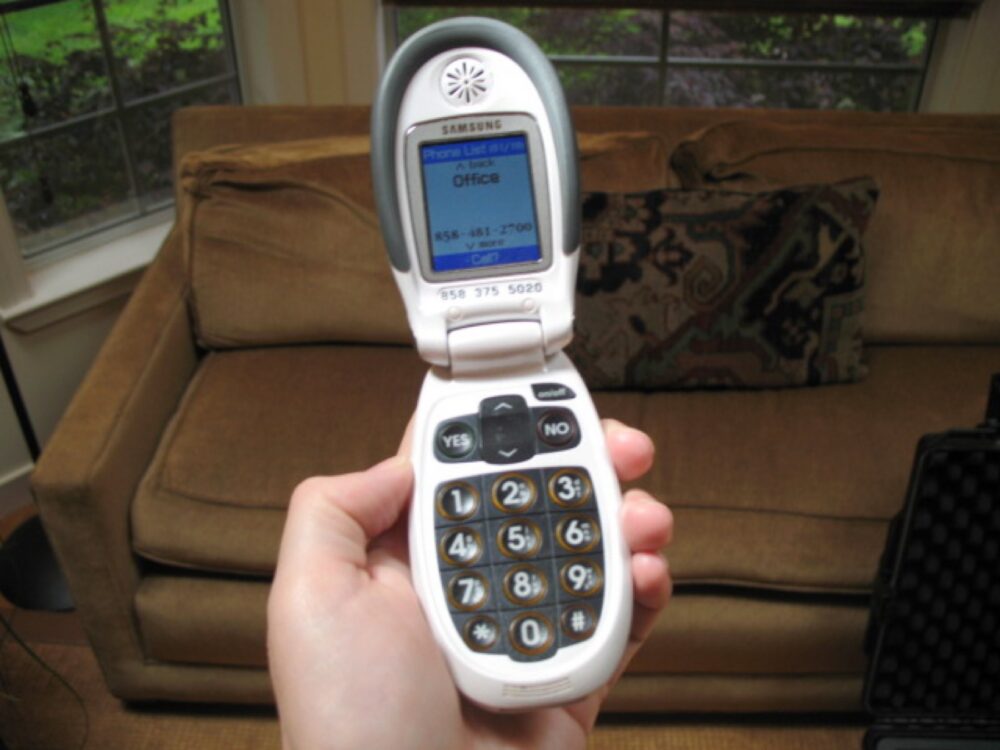
If you’re choosing a Jitterbug-style senior phone, start by deciding whether the user can handle a touchscreen smartphone or would do better with a simple flip phone, then match safety features and support needs. Jitterbug phones (now sold under the Lively brand) are built specifically for older adults, with large buttons, simplified menus, and optional medical-alert services. Global marketplaces like DHgate are generally sources for similar big-button phones, not for official Jitterbug/Lively devices, so they make more sense when you want generic senior-style inventory rather than the full Jitterbug ecosystem.
The current Lively lineup centers on two Jitterbug-branded models: the Flip3 and the Smart4. The Flip3 is a basic flip phone with large physical keys and a straightforward interface aimed at seniors who mainly call and text and like the muscle memory of real buttons. The Smart4 is an Android-based smartphone that keeps senior-friendly design but adds a larger touchscreen and app access, designed for older users who can manage swipes and taps but still want a simplified home screen and safety tools.
Senior-tech editors highlight that phones in this category are defined less by raw specs and more by design priorities: big keys or big touch targets, easy-to-read displays with clear fonts, loud speakers, and built-in emergency or SOS features.Best Buy Health senior phone overview and Lively’s own phone pages both position Jitterbug devices around those needs rather than around camera megapixels or gaming performance.
What Jitterbug Senior-Friendly Phones Are (and Who They’re Built For)
From an everyday buyer’s perspective, a Jitterbug senior phone is not just a “cheap phone with big buttons.” Lively markets the Jitterbug series specifically to older adults, bundling simple hardware with services like urgent-response calling and senior-focused customer support.Lively’s phone lineup and independent guides like Seniors Info’s comparison of Jitterbug and similar brands point out three big themes:
- Simplicity first. Menus are stripped down, icons are large, and there are fewer places to get lost. This is true both on the Flip3’s traditional interface and the Smart4’s custom Android home screen.
- Accessibility by design. Large keys or touch targets, high-contrast text, and louder-than-average speakers make calls and navigation easier for people with vision or hearing changes.
- Safety ecosystem. Jitterbug phones can be paired with Lively’s monitoring and urgent-response services, which is where they differ sharply from generic big-button devices.
For a Canadian or US buyer trying to match a phone to a person, think in terms of profiles:
- A senior who mainly needs to call family, prefers physical buttons, and finds touchscreens confusing usually fits the Flip3-style device.
- A senior who already uses a tablet or basic smartphone to look at photos, weather, or video calls may be ready for the Smart4-style experience, as long as the interface stays clean.
Flip vs Smart Jitterbug Models and Key Features to Compare
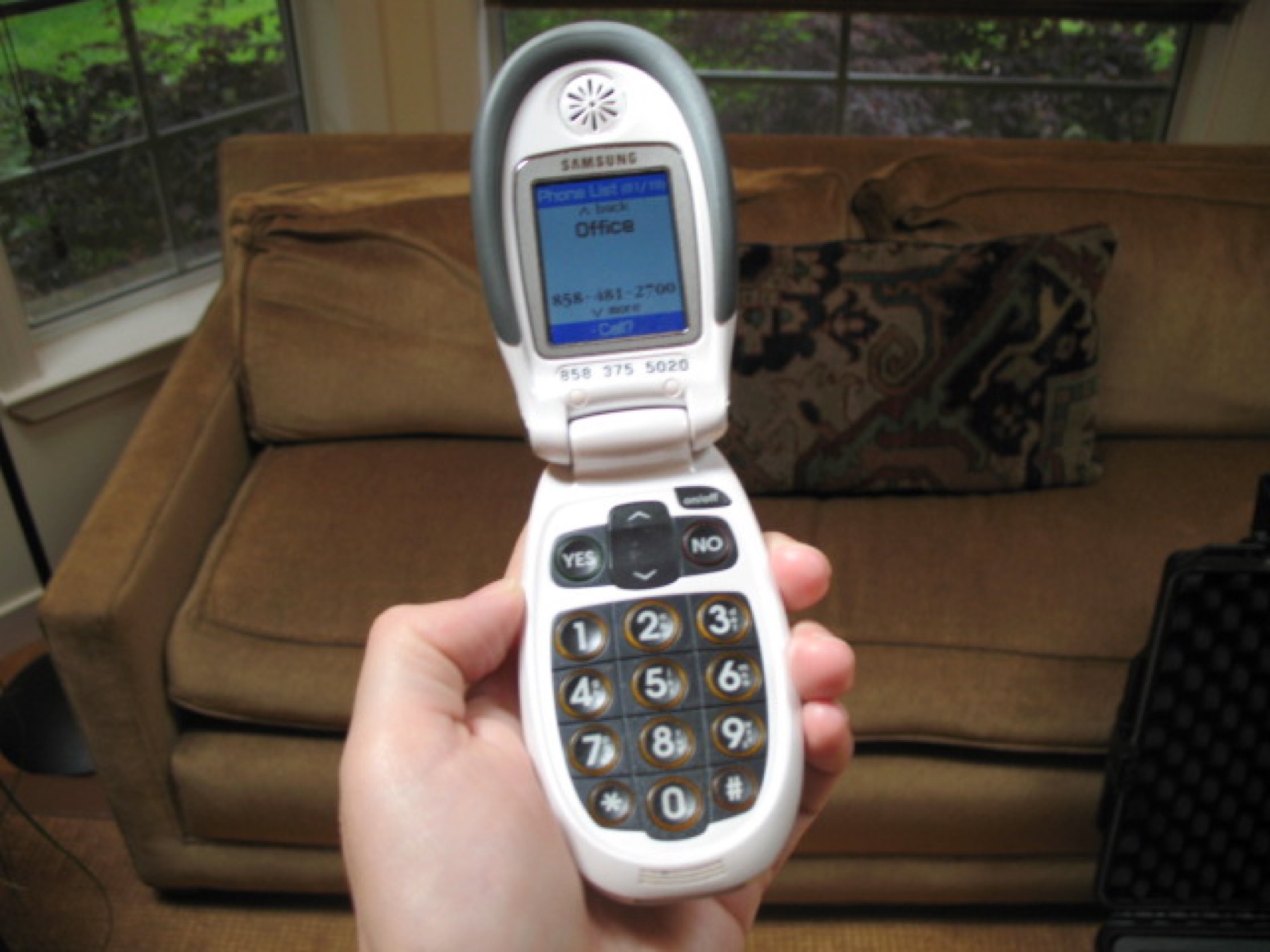
You’re essentially choosing between two form factors and feature sets: flip vs smart. Even if you end up buying a different brand, these Jitterbug models are useful benchmarks.
Here’s a high-level comparison of a typical Jitterbug-style lineup:
| Phone type | Form factor & interface | Senior design focus | Safety & support focus |
|---|---|---|---|
| Jitterbug Flip3 (Lively) | Classic flip; physical keypad; small outer screen | Very large buttons, basic menus, loud speaker | Built to work with Lively’s urgent-response ecosystem |
| Jitterbug Smart4 (Lively) | Touchscreen smartphone; Android-based | Large icons, simplified home screen, bigger display | Also integrates with Lively safety/health services |
| Generic senior flip (marketplace) | Flip phone; physical keypad, basic LCD screens | Large keys, simple menus, sometimes louder speaker | Often just an SOS button or 911 shortcut, no branded ecosystem |
A few specific decisions to make before you pick a model or look at alternatives:
1. Physical vs touchscreen input Ask whether the senior reliably hits small touch targets or struggles with accidental taps. Flip-style phones like Jitterbug Flip3 or similar devices give tactile feedback and clear separation between keys. Smartphone-style devices like the Smart4 bring flexibility (apps, video calls), but only if the user can manage swipes and on-screen keyboards.
2. Display clarity and size Senior-oriented phones prioritize screen readability over edge-to-edge glass. Look for larger text and simple layouts over packing multiple widgets onto one home screen. On a Flip-style device, that means clean, high-contrast menus; on a Smart-style device, it means a home screen with big tiles rather than rows of tiny app icons.
3. Loudness and ringer behavior Big-button phones often emphasize louder speakers explicitly.DHgate’s editorial on flip phones for seniors calls out loud sound and clear call audio as key buying factors. If the senior often misses calls, favor models that allow very loud ringers and vibrate modes, and keep the ringer customization simple so family can set it up once.
4. Emergency/SOS capabilities This is where Jitterbug-style phones diverge from generic models. Devices in the Lively ecosystem can be linked to branded urgent-response services; independent guides such as Seniors Info’s comparison emphasize that integration and dedicated support as the big differentiator versus basic SOS buttons on generic phones. For a user with health issues or living alone, that ecosystem may matter more than the phone hardware itself.
Looking Beyond Jitterbug: Generic Senior Phones on DHgate and Other Marketplaces
If you widen your search past Jitterbug/Lively, you’ll start seeing a lot of “senior flip phones” or “big-button phones” on global marketplaces.
Editorial coverage of mobile wholesale platforms notes that DHgate is a China-based marketplace used by buyers and small sellers to source smartphones and accessories at bulk or discounted prices, typically from independent suppliers rather than brand owners.DHgate’s own overview of phone wholesale describes a broad range of mobile devices, which often includes generic senior-style flips but not necessarily branded Jitterbug/Lively phones. Alibaba plays a similar role: factories and trading companies list phones that resemble senior designs, but they are usually house brands.
For an individual Canadian buyer, generic senior flip/smartphones from these marketplaces can be:
- Reasonable substitutes if your priority is a low-cost phone with large buttons, basic calling, and maybe a single SOS key.
- Poor substitutes if you specifically want Lively’s medical-alert integration, English-first support, and documented compatibility with North American carriers.
For a small ecommerce business, DHgate or Alibaba may be attractive if you’re building a catalog of unbranded senior-style phones at wholesale prices and plan to add your own support layer. In that case, use Jitterbug Flip3 and Smart4 as design benchmarks: large keys or icons, loud speaker, simple UI, and a clear, one-press way to call for help. Then evaluate marketplace listings against those benchmarks, and separately decide how you’ll handle customer service and any emergency support promises.
If you do explore DHgate, it’s worth understanding the marketplace structure before you treat it as a sourcing channel. Guides such as What DHgate is and how the marketplace works explain that you’re buying from individual sellers, not from DHgate itself, and resources like Find trusted sellers on DHgate and the DHgate order-readiness checklist can help you sanity-check listings.
In practical terms: if the senior in your life needs an integrated safety ecosystem and predictable support, stay within official Jitterbug/Lively and major Canadian/US retailers. If you mainly care about big buttons and a low per-unit cost—and you’re prepared to be the support contact—DHgate-style marketplaces and similar generic senior phones can be part of the search, with Jitterbug’s design choices as your reference point.