
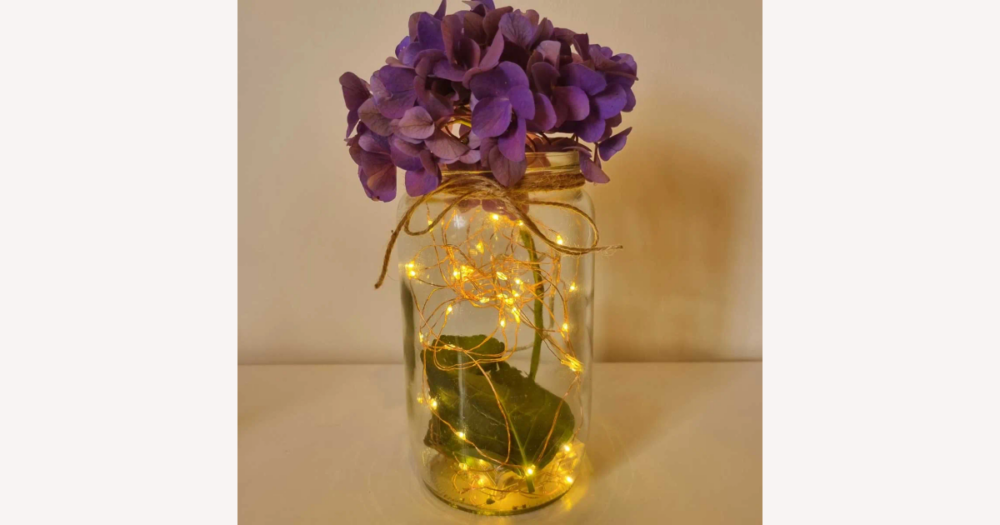
If you want affordable mason jar floral centerpieces and you’re using DHgate, the most reliable approach is to treat the site as a source of separate components—bulk glass jars, artificial flower bundles, lights, and simple accents—then combine them yourself. Clear specs, multiple photos, and sensible per‑piece pricing matter more than finding one flashy listing. This guide walks through the jar sizes, materials, styles, value checks, seller signals, payment, shipping, and buyer protections that help a cost‑conscious buyer in Canada turn DHgate search results into centerpieces that look presentable on the table without overspending.
Using DHgate to source affordable mason jar centerpiece components
On DHgate, it helps to stop looking for one perfect “mason jar centerpiece” and instead treat the site as a catalog of separate components you can combine. Think in pieces: glass mason jars, artificial flower bundles, LED fairy lights, twine or ribbons, and small tags or charms. Searching each component directly gives you more control over style and price than relying on a single all‑in‑one listing.
You can use concrete phrases in the DHgate search bar such as “mason jar centerpiece 16oz”, “bulk clear glass jars”, “glass vase for table decor”, “artificial flower bouquet for mason jar”, “LED fairy lights string”, or “twine ribbon for mason jar”. Adding event terms like “wedding centerpiece”, “party decor”, or “bulk” can surface multi‑jar packs and sets that are better suited to larger gatherings.
When you’re shopping for an event, it’s usually smarter value to focus on listings that offer multi‑jar packs or multi‑piece sets rather than single jars or one small bouquet. Competitor patterns like 3‑jar trays, 12‑ or 24‑packs, or jar‑plus‑wood‑box bundles show how buying in groups often lowers the per‑jar cost. On DHgate, you can look for similar bulk or set structures and quickly estimate what you’re really paying per centerpiece or per jar.
I’d only treat those bulk listings as a good deal if the seller still provides clear specs and several useful photos. Vague titles, missing size information, or a single heavily filtered image make it hard to judge thickness, finish, or flower quality, and for a big event one bad batch of jars can ruin a table layout. If a listing doesn’t show basic measurements and close‑ups, I’d skip it even if the headline price looks low.
The rest of this guide unpacks which jar specs, finishes, flowers, lights, and value checks matter most, so you can use DHgate search confidently instead of just chasing the cheapest mason jar centerpiece listing.
Key mason jar specs to check before you buy
- Capacity for table use: For most mason jar centerpieces, jars around 16oz (roughly 450–500ml) strike a good balance between presence and practicality. They’re large enough to hold a modest bouquet or a candle with some filler, without looking oversized on a standard dining table.
- Overall height and diameter: Many commonly used jars for decor sit around 5–6 inches tall with a diameter near 3 inches. Treat these as illustrative ranges rather than strict rules, but use them to sense‑check DHgate listings—very tall, narrow jars can feel top‑heavy, while very short, wide jars may look squat in a centerpiece.
- Explicit size measurements: Always check DHgate descriptions for capacity and dimensions in ounces/milliliters and centimeters. If a listing omits basic measurements or only shows one generic photo, it’s harder to plan your arrangements or trays, and I would treat that as a reason to move on to a clearer option.
- Mouth diameter and opening shape: The jar’s mouth determines how easily you can arrange stems or place tea lights and LED strings. Wider mouths (often a bit over 2 inches) give you room to adjust greenery and avoid crowding, while very narrow openings limit your flower choices and can make lighting fiddly.
- Glass thickness and sturdiness cues: Use photos to read thickness—look for a defined, heavier‑looking base and solid walls, especially around the rim. Thicker glass usually feels sturdier, chips less easily, and looks more substantial than very thin glass, which can flex, crack, or feel cheap when handled.
- Avoid unclear thickness or heavily filtered photos: If edges, rims, and bases are hidden or every photo is heavily filtered, it becomes difficult to judge how robust the jar actually is. When you’re ordering in bulk for an event, I’d avoid listings where thickness or finish is hard to read, even if the price is tempting.
- Finish type at a spec level: Check whether the listing says clear glass, tinted or amber glass, or painted/distressed. Clear glass is the most versatile and works with almost any flower or lighting choice. Tinted or amber glass warms the light and suits rustic or autumn themes. Painted or distressed finishes depend on good coverage and may be harder to clean inside, so look closely at close‑up photos and be wary of listings that don’t show the paint edges or interior.
Choosing jar finishes and decorative styles
Once you’ve found jars on DHgate that meet your basic size and thickness needs, the main choice is finish and decorative style. Plain clear vintage-style glass is the most flexible option: it works with almost any flower or ribbon, and the candle or LED glow is fully visible through the sides. You’ll also see jars with a simple twine wrap around the neck, amber or other colored glass for a farmhouse or mood-lit feel, silver-painted interiors for a more glam, reflective look, and distressed painted exteriors in rustic white, blue, or pastel pink.
Each finish changes how the light behaves and how the centerpiece reads on the table. Clear glass lets you see the flame or fairy lights directly and suits minimalist or classic styles. Tinted or amber glass softens and warms the light, which feels cozy and farmhouse, but can slightly mute bright colors inside. Metallic interiors bounce light around and can look dramatic in low light, especially for evening events, while opaque painted exteriors hide the contents and put all the attention on the outside color and texture—great for shabby chic, but less flexible if you want the flowers and lights to be visible from the side.
As finishes become more elaborate—pre-painted, distressed, twine-wrapped with labels, or bundled with tags and charms—the price typically rises because you’re paying for extra materials and labor. Plain clear jars with no added decor are usually cheaper and easier to repurpose for future events. I tend to prefer simple jars that clearly show decent glass thickness and the right dimensions, then add inexpensive accents myself, like DHgate-sourced twine, ribbons, and small tags. Paying more for fully finished jars makes sense when you need a very specific color scheme or don’t have time to DIY; otherwise, keeping the jar simple and customizing the decor around it usually gives better value and more styling freedom.
Selecting artificial flowers and greenery that look realistic
To complete the look of mason jar centerpieces, you’ll need artificial flowers or greenery that still look presentable at table distance, even if they aren’t premium. Common configurations include ready-made small bouquets sized for a single jar, seasonal stems such as roses, peonies, or lavender, airy pampas-style grasses for a soft, vertical effect, and bunches of filler greenery you can mix with feature blooms. These patterns show up across marketplaces and give you a good template for what to search and combine on DHgate.
Artificial flowers are usually made from silk or other fabrics, plastic, or foam. Fabric or “silk” flowers tend to photograph with a softer, more natural texture and often sit in the mid-range of pricing. Plastic parts can be more durable but may look shinier or harder in close-up photos, especially on leaves or stems. Foam elements are common in certain styles, like small buds or filler, and can add volume cheaply but sometimes look less refined. None of these materials guarantees realism; they simply change how the arrangement tends to look and how much you’re likely to pay for fuller, better-shaped bundles.
On DHgate, the listing details are your main clues. Check how many stems or flower heads are included per bundle, any stated height and approximate bouquet width, and whether there are close-up photos of petals, centers, and leaves so you can judge texture and color transitions. Buyer-uploaded photos, when available, help you see how the flowers look in normal lighting rather than only in staged shots. Very low-priced bundles that show just one distant photo and barely mention materials or quantities are more likely to look stiff, sparse, or uneven in person, so I’d avoid those for prominent centerpieces and reserve them, if at all, for background decor.
Think about proportions as you match flowers to jars: fuller bouquets work better with wider-mouth jars so they don’t look cramped, while taller stems or pampas-style grasses suit larger or taller jars where you want more height. As a rule of thumb, more realistic, fuller bundles generally cost more, so decide where you really need that extra fullness—such as the main tables—and where simpler greenery or smaller bunches are enough to keep your budget under control.
Deciding between integrated lights and separate lighting
Integrated lighted mason jar sets are appealing because everything arrives already coordinated: the jars, wood tray, flowers, and LED string lights are sized to work together, the battery box is usually tucked away, and you can often just place the centerpiece and switch it on with minimal assembly. For events where you’re short on time or need a consistent look across many tables, that convenience can be worth paying for.
The tradeoff is that lights and battery hardware are often the weakest link. Switches can be fiddly, batteries may drain faster than you expect, and a poorly placed or bulky battery box can spoil the look even when the glass and flowers are fine. If the lights fail, the whole effect changes, and replacing them isn’t always straightforward when they’re built into the design.
On DHgate, treat lighted centerpieces as higher-risk components and read their listings carefully. Look for clear details about power type (disposable batteries versus rechargeable packs or USB), whether there’s an on/off switch or timer, where the battery box sits in relation to the jars and tray, and any buyer feedback that mentions how bright the lights are and whether they still work after some use. Listings that gloss over these points or show only distant, heavily staged photos demand more caution.
Buying plain jars and separate lights—such as LED fairy strings, micro copper wire lights, or simple flameless tea lights—usually gives you more flexibility. You can reuse the same jars with different lighting for future events, replace failed lights without discarding the decor, and source lights either from multiple DHgate sellers or locally if you run short close to the date. The look may require a little more planning, but you aren’t locked into one fragile component.
I’d only pay extra for integrated lighting on DHgate when timing and ease matter more than flexibility and the listing gives solid detail about the power setup and switch. If I had more lead time or was working to a tight budget, I would buy sturdy jars and separate lights so a single faulty strand doesn’t jeopardize every centerpiece.
Buying full centerpiece bundles vs assembling your own
- All-in-one bundles: Typically include a wood tray or box, several jars (often around 16oz each), coordinated artificial flowers, and integrated string lights. The biggest advantages are cohesive style, fewer separate decisions, and faster planning—one listing can cover multiple tables with a consistent look.
- Bundles – main downsides: You usually pay more per centerpiece because you’re buying decor, jars, and lights as a package, and you have less control over exact colors, flower types, and light placement. If the flowers feel too sparse or the lights underperform, every centerpiece in the set shares that flaw.
- DIY assembly: Usually means ordering bulk jar packs (for example, 12 or 24 jars), separate flower bundles, and optional lights or candles. This structure gives you more control over color palette, textures, and how full each arrangement looks, and it can lower the per-centerpiece cost, especially for larger events where you repeat the same base components.
- DIY – main demands: You need to coordinate jar size, mouth width, flower stem length, and light type so everything fits, and place more than one order. There’s a bit more planning and checking of quantities, but a disappointing component (such as one flower style) can often be mixed with alternatives or kept to less prominent tables.
- How to compare value: For both bundles and DIY setups, divide the listing price by the number of jars or complete centerpieces to get an approximate per-piece cost, then weigh that against how much design flexibility you want and how many separate orders you’re willing to manage.
- Which approach to choose: If your budget is tight and you’re comfortable coordinating components, DIY assembly on DHgate usually wins on per-centerpiece value and customization. If your timeline is tight or you need a very specific theme nailed without extra planning, a well-described, well-rated bundle can justify the higher per-piece cost for the time and certainty it saves.
Judging price and value on DHgate for mason jar centerpieces
To decide whether a DHgate listing is genuinely good value, start by converting the total price into a per‑jar or per‑centerpiece cost. Divide the listing price by the number of jars or complete arrangements it includes so you can compare bulk jar packs, flower bundles, and full sets on roughly equal terms. Then read the description carefully to confirm what you’re actually paying for—some listings include only jars, while others bundle jars with flowers, wood trays, and lights—and avoid assuming a low headline price covers every component you need.
Decorative upgrades almost always push the per‑piece cost up: painted or tinted glass, pre‑wrapped twine and labels, wood trays or boxes, highly realistic artificial flowers, and built‑in LED lights all add convenience and style. My own priority is solid but simple jars and flowers that look presentable at table distance while keeping per‑piece cost low, and I’m willing to wait longer for shipping or assemble centerpieces from separate DHgate listings to get that balance. For large events, plain jars plus decent flower bundles usually give the best value; for smaller, last‑minute gatherings or when color coordination has to be perfect, it can be sensible to pay more for well‑photographed, detailed, strongly rated sets that arrive closer to ready‑made. In every case, treat “affordable” as a balance of per‑piece cost, included components, and acceptable styling—not just the lowest price on the page.
Reading DHgate listings for practical quality signals
Because you can’t handle mason jars or flowers in person on DHgate, use listing photos and descriptions as practical—but imperfect—quality clues. For jars, look for clear shots of the base and side walls so you can judge thickness, check that paint or tint coverage looks even rather than streaky, and find at least one image that shows the mouth opening from above so you can gauge width. For floral accents, study close‑ups for texture and density: fuller bunches with layered petals and greenery generally look better at table distance than sparse stems, and colors that appear soft or balanced are usually safer than extremely neon or flat, dull tones.
Favor listings that combine multiple photos (both close‑ups and table‑distance shots) with concrete written specs for dimensions, materials, and quantities, because that level of detail makes it easier to decide whether you’d be comfortable ordering in bulk. Treat very short descriptions, a single heavily edited studio image, or photos that never show thickness or finish clearly as risk flags—especially for event‑scale orders where a weak batch would be noticeable. These visual and spec cues only improve your odds of acceptable quality; they don’t guarantee perfection, so it’s wise to stay cautious and avoid relying on any one signal by itself when you choose centerpiece components on DHgate.
Checking DHgate sellers and listing history for decor purchases
On DHgate, seller history is your second line of protection after listing quality. Start by checking the overall seller rating and the percentage of positive feedback; higher numbers are generally reassuring, but treat them as signals rather than promises, because even well‑rated sellers can have the occasional flawed batch or delayed shipment.
Then look at how many orders and reviews the specific mason jar or floral listing has. A listing with a meaningful number of completed orders and written reviews gives you more real‑world evidence than a new, unrated item. Scan comments for details about glass thickness, how sturdy the jars feel, how realistic the flowers look, and whether buyers mention packaging quality or breakage—these decor‑specific notes matter more than generic praise.
Buyer‑uploaded photos are especially useful for centerpieces. They show how the jars, flowers, and lights look on actual tables, whether colors match the listing images, and how well items survived shipping. For large decor orders, I’d be much more comfortable choosing DHgate listings that include several buyer photos than ones with none.
Before placing a sizeable order, send the seller a brief message about specs, color options, or packaging—for example, asking how jars are wrapped or whether flower colors can vary. Clear, timely replies suggest the seller is engaged and easier to work with, while very slow, vague, or inconsistent responses are a caution sign, particularly if you’re relying on the order for an event.
Combine all of these cues—seller rating, order and review volume, decor‑specific comments, buyer photos, and communication responsiveness—rather than relying on any single metric. I would favor DHgate sellers with established ratings and some relevant feedback when ordering many jars, and treat low‑volume or newly listed items with extra caution, perhaps starting with a smaller test quantity before committing for a full event.
Payment and shipping considerations for fragile mason jar orders
Using DHgate buyer protections if something goes wrong
A simple planning sequence for your DHgate centerpiece order
- Decide how many centerpieces and jars you need and what overall style you want—such as farmhouse, minimalist, or glam—so your DHgate searches stay focused.
- Set target jar specs using the earlier guidance: a mid‑size capacity, approximate height and diameter that suit your tables, and a finish preference like clear, tinted, or painted.
- Choose whether you’ll rely on full centerpiece bundles or assemble separate jars, flowers, and lights, based on your budget, how much styling control you want, and how much time you have.
- Search DHgate with component‑focused terms for jars, artificial flowers, lights, and accents, adding bulk or event keywords when you want multi‑piece or wholesale‑style listings.
- Build a shortlist by comparing per‑piece or per‑centerpiece cost and checking exactly which components each listing includes, so you’re not assuming flowers or lights are bundled when they aren’t.
- Review listing photos, written specs, and any buyer images for quality cues, including glass thickness and mouth openings, paint or tint coverage, and how realistic and full the flowers look.
- Check seller ratings, order history, written reviews, and responsiveness to messages to gauge how much transaction risk you’re taking, especially for large or time‑sensitive decor orders.
- Confirm that you’ll pay through DHgate’s secure checkout, then review shipping options, estimated timelines, and any notes about protective packaging for fragile glass jars.
- Skim DHgate’s current buyer protection and dispute information so you understand key timeframes and what evidence you may need if an order arrives damaged or not as described.
- Place your order with enough lead time before the event to handle potential delays or reorders; I would personally favor clearer, well‑documented listings even at a slightly higher price for larger events where consistency matters.
Practical FAQs about timing, breakage, and mixing sources
How far in advance should I order mason jar centerpieces from DHgate before my event?
Order early enough that the estimated shipping window still leaves a comfortable buffer—ideally several extra weeks—between delivery and your event. Glass jars are bulky and can move slowly through carriers, and having that buffer gives you time to inspect everything, resolve issues, and place a replacement or supplementary order if needed.
What should I do if some jars or floral pieces arrive damaged or unusable?
Inspect the order as soon as it arrives, photograph any damage or obvious defects, and keep all communication with the seller on DHgate in case you need to open a dispute. Then decide whether to reorder the same items, switch to a different listing, or patch the gap by buying a few replacement jars or flowers locally. You can also reduce your centerpiece count slightly or place the best pieces on the most visible tables if budget or time is tight.
Is it sensible to mix DHgate jars with flowers or accents bought locally?
Yes. Treat DHgate as a cost‑effective base layer for jars and some decor, then use local stores to fine‑tune color matching, add last‑minute accents, or replace anything that arrived imperfect. This hybrid approach lets you keep per‑piece jar costs low while still having reliable access to exact shades of ribbon, fresh or artificial flowers, or extra lights close to your event date.
How would you personally balance DHgate orders with local backups for an important event?
I would use DHgate for the bulk of the jars and core artificial flowers to keep costs down, order with generous lead time, and assume I’ll top up or correct details locally. That means leaving room in the budget for extra ribbons, a few replacement jars, or color‑critical blooms from nearby shops so that any minor breakage or color mismatch doesn’t jeopardize the overall look of the centerpieces.