
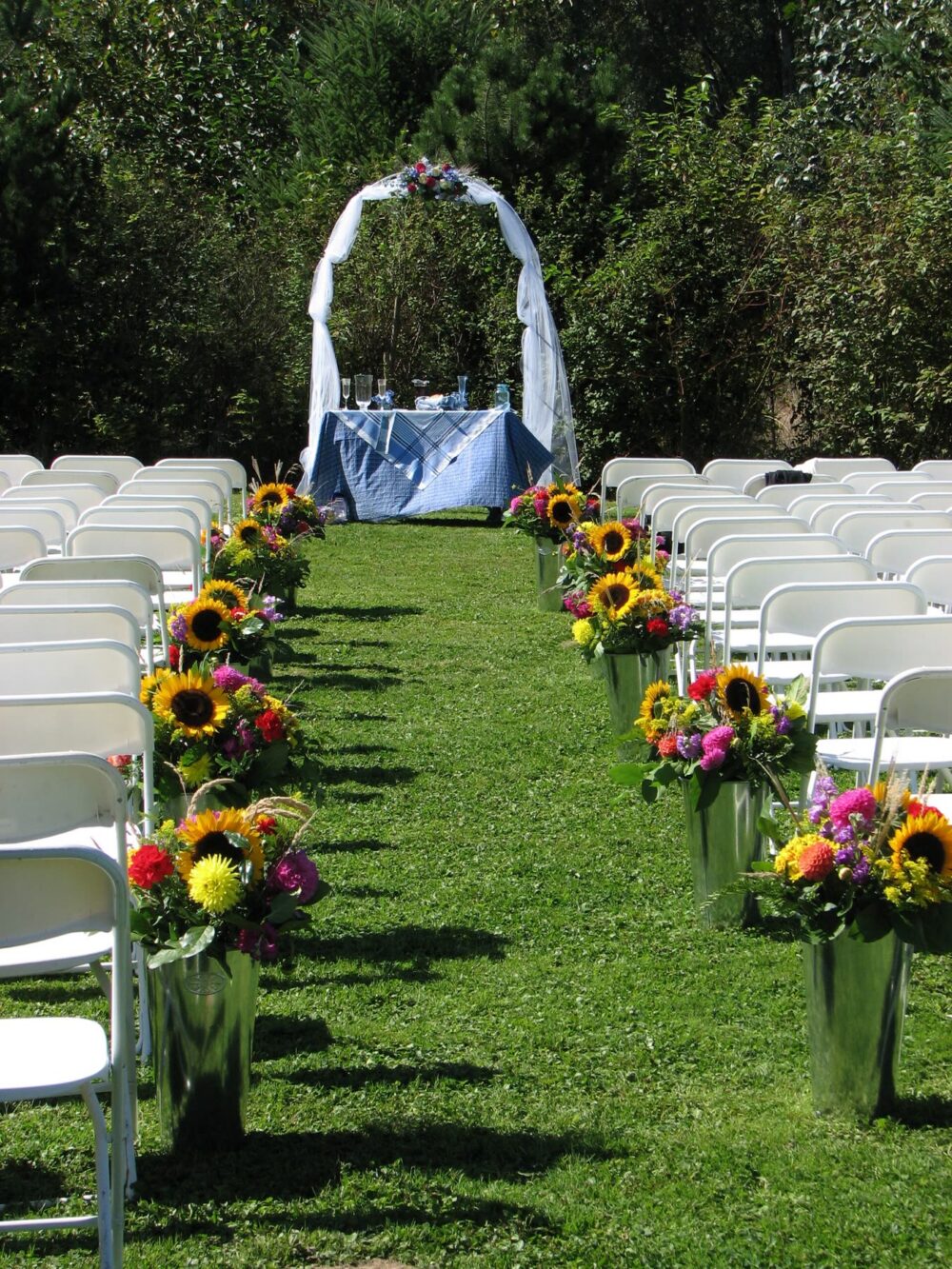
Country and rustic wedding dresses focus on relaxed silhouettes, natural-feeling fabrics, and small vintage or western touches that make sense in barns, farms, vineyards, and outdoor spaces. If you’re in Canada planning a country-style wedding—or testing rustic bridal inventory for your shop—the real choice isn’t just lace vs chiffon. It’s whether you want a soft, informal gown, a more structured western-inspired look, or something second-hand and highly altered, and which buying channel matches your budget and risk tolerance.
Below is a practical guide to the main styles, how they’re built, and where to find them without blowing the budget.
What Makes a Wedding Dress “Country” or “Rustic”?
Country/rustic collections from brands like Devotion Dresses and DorrisDress describe this style as rural charm plus simplicity: dresses that feel at home at an outdoor ceremony, barn reception, or countryside vineyard rather than a black‑tie ballroom.
Common traits you’ll see in these collections include:
- Natural-feeling fabrics: cotton blends, linen-like weaves, soft tulle, and chiffon that move easily in the wind and don’t look overly stiff.
- Lots of lace and crochet: not heavy beading, but delicate lace panels, eyelash lace trims, and crochet details that read romantic rather than glamorous.
- Relaxed silhouettes: A-line skirts, lightly flared fits, and soft boho cuts instead of extreme ballgowns.
- Understated embellishment: simple buttons, small appliqués, or subtle floral motifs instead of full-sequin bodices.
This aesthetic works best if your venue has natural texture already—wood beams, fields, vines, stone, or even a backyard with string lights. In a very formal hotel ballroom, these gowns can look underdressed; in a barn or on a farm lane, they look like they belong.
Key Country & Rustic Dress Types and How They Differ
Browsing country and rustic collections like DorrisDress’s country-rustic bridal dresses and Devotion Dresses’ country wedding line, you’ll see a few recurring types. Each has a different comfort level and vibe.
1. Lace A-line country gowns
These are probably the “default” rustic dress: fitted through the bodice, gently flaring from the waist.
- Look: All-over lace or lace over a plain underlayer, with a skirt that’s easy to walk across grass in.
- Comfort: Structured enough to feel bridal, but the flare means you can sit on hay bales or dance without fighting the skirt.
- Best for: Brides who want something recognizably “wedding dress” but not princessy.
They photograph well against wood and greenery because the lace texture shows up even in softer light.
2. Boho chiffon and tulle styles
Country‑boho dresses in collections like DorrisDress’s country boho line swap heavy lace for floating fabrics.
- Look: Flowing chiffon or soft tulle skirts, sometimes tiered, paired with lace bodices, off‑the‑shoulder sleeves, or open backs.
- Comfort: Very lightweight and breezy—good for summer fields or lakeside weddings.
- Best for: Brides who want movement in photos (think skirt swishes and wind) and a slightly more casual, festival-inspired feel.
Boho styles are also forgiving if you expect weight fluctuation; the flow usually leaves more room for small changes.
3. Western‑leaning country dresses
Country‑western collections such as DorrisDress’s western styles layer in subtle western motifs.
Common details:
- Fringe or tassel accents along sleeves or overskirts
- Embroidered yokes that echo western shirts
- Styling with boots, hats, or leather belts rather than delicate stilettos
These don’t all look like rodeo outfits; many are just standard country gowns that pair well with cowboy boots and a hat. They suit barn or ranch venues and brides who want the western influence visible in photos but not costume‑y.
4. Plus‑size rustic options
Dedicated collections for plus‑size country dresses (for example, plus‑size country lines on DorrisDress) usually keep all the same rustic hallmarks—lace, flowing skirts, natural fabrics—while adjusting structure.
Expect:
- More supportive bodices, sometimes with wider straps
- Slightly thicker linings to keep the dress opaque outdoors
- Skirts that flare from a spot that feels comfortable for your torso length
For plus‑size brides, rustic A‑lines and boho styles tend to be easier to alter than very fitted mermaids, especially if you’re buying online and making local adjustments.
Quick style comparison
| Rustic style type | Formality feel | Comfort for outdoor venues | Styling notes |
|---|---|---|---|
| Lace A-line country | Medium (traditional) | Good mobility, structured bodice | Works with veils and boots |
| Boho chiffon/tulle | Low–medium | Very light, best for warm weather | Flower crowns, simple jewelry |
| Western‑leaning country | Medium | Depends on fabric; boots are practical | Hats, fringe, leather accessories |
| Plus‑size rustic A-line | Medium | Supportive bodice, forgiving skirt | Focus on supportive undergarments |
Buying Country/Rustic Dresses: Materials, Fit Checks, and Where to Shop
Once you know the vibe, your biggest risk is quality and fit—especially if you’re ordering across borders or for resale.
Fabric and construction checks
Budget‑friendly rustic and boho dresses highlighted by outlets like The Knot’s country wedding dress coverage and DHgate’s editorial blog often lean on simple cuts and affordable fabrics:
- Stick to breathable fibers for outdoor weddings. Cotton blends, linen‑like weaves, chiffon, and lace keep you cooler and look more “country” than stiff satin.
- Check lace placement. On very cheap dresses, lace can be sparse or oddly placed. Look for consistent patterns across seams in product photos.
- Ask about lining. Thin polyester lining can cling or show shadows in bright sun. If you’re buying online, confirm whether the skirt is double‑lined.
For boho styles, DHgate’s blog suggests focusing on cotton, linen, and lace as affordable ways to get a bohemian feel, and avoiding very formal fibers like heavy silk if you want true laid‑back rustic. That advice transfers well to country gowns too.
Sizing and alterations (especially from Canada)
Most rustic online retailers use standard bridal sizing, which runs smaller than street wear.
Practical steps:
- Take bust, waist, and hip measurements in centimeters and compare to each brand’s chart—don’t guess based on your usual size.
- If you’re in Canada ordering from US or global sellers, build in time for a local seamstress to hem the skirt and adjust straps. Country A‑lines and boho gowns are usually easier (and cheaper) to alter than very stiff ballgowns.
- For resale testing, consider styles with minimal internal boning. They’re more flexible across multiple customers.
Channel choices: boutique, online, second‑hand, and marketplaces
You can find country and rustic gowns across several channels, each with its own trade‑offs.
1. Local and Canadian bridal boutiques Best for: one‑off brides who want in‑person try‑ons and professional alterations. Trade‑off: higher price, but you can see the lace and fabric in real light and test how the dress feels on uneven ground.
2. Online rustic/bridal specialists Collections from sites like Devotion Dresses and DorrisDress offer many country, rustic, chic, and western options in the budget‑friendly tier highlighted by The Knot. Best for: buyers who want a specific rustic cut at a lower price than many boutiques, and small ecommerce sellers testing inventory. Trade‑off: you’re relying on photos and size charts. Factor in cross‑border shipping time and possible duties when ordering into Canada.
3. Second‑hand and sample sales DHgate’s editorial blog and other bridal sources consistently recommend simple designs, sample sales, and second‑hand marketplaces for budget‑conscious brides. Best for: keeping costs down while getting higher‑end fabric; good for eco‑minded couples too. Trade‑off: limited sizes and one‑off pieces. Always inspect in person or request detailed photos (especially hem wear from outdoor use).
4. Global marketplaces (including DHgate) Global marketplaces carry a wide range of boho and rustic‑inspired dresses at aggressive prices, and DHgate is one such option. The upside is variety and low unit cost; the downside is variability in sellers and listings.
To keep risk under control:
- Spend time comparing multiple listings for similar dresses; look for real‑life customer photos rather than just studio shots.
- Read reviews closely for notes on fabric feel (scratchy vs soft) and true color.
- For any cross‑border marketplace order into Canada, plan for potential import charges and returns that may be slow or impractical.
If you’re not familiar with how DHgate works or how to vet sellers, it’s worth reading neutral trust guides like what DHgate is and how the marketplace works and how to find trusted sellers on DHgate before you commit to a wedding dress order. That kind of due diligence matters more for a one‑shot event purchase than it does for everyday clothing.
For many Canadian brides, a realistic path is mixing channels: try silhouettes at a local shop, then either buy a simpler version from a rustic‑focused online seller, or hunt second‑hand for a similar country style. Small ecommerce sellers can mirror that approach by ordering test pieces in different cuts (lace A‑line vs boho chiffon vs western‑leaning) and seeing what actually sells in their market before betting big on inventory.