
Harley and other motorcycle engine parts are sold through very different kinds of online platforms, and they’re not interchangeable. For U.S. buyers, OEM brand sites are usually the safest route for core Harley engine components, specialist V‑twin retailers work well for rebuilds and performance, and multi‑seller marketplaces are best reserved for non-critical or bulk sourcing once you’re comfortable managing fitment and seller risk.
If you match your job (fixing your own bike, building customs, or stocking an online store) to the right platform type, you’ll waste less time and avoid expensive mistakes.
How Online Platforms for Harley and Motorcycle Engine Parts Are Structured
Before you pick a site, it helps to understand the basic “channels” for Harley and engine parts.
1. OEM brand sites (Harley-Davidson and other majors)
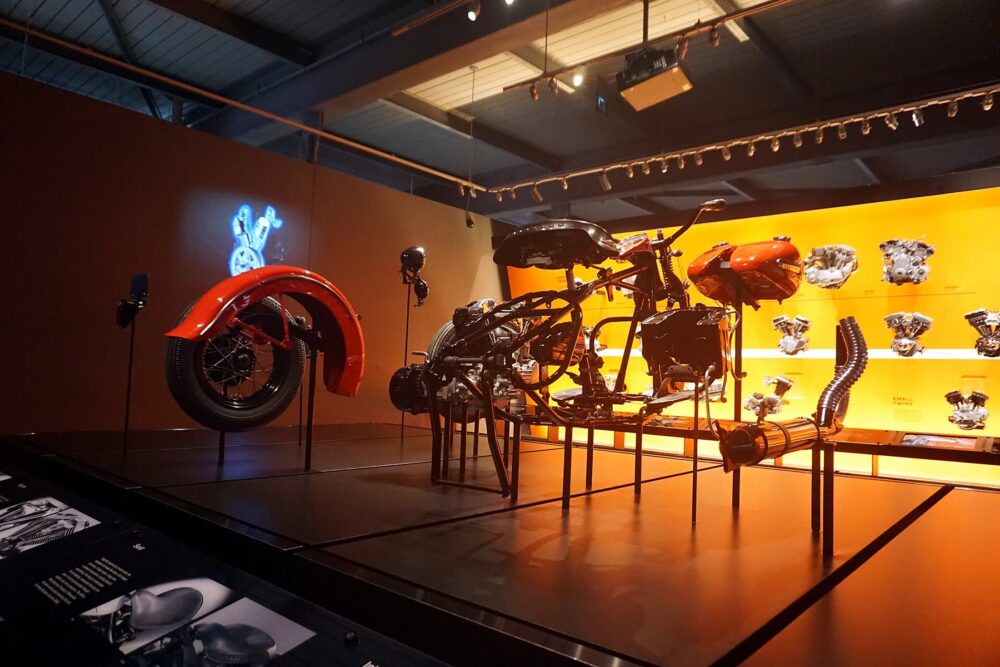
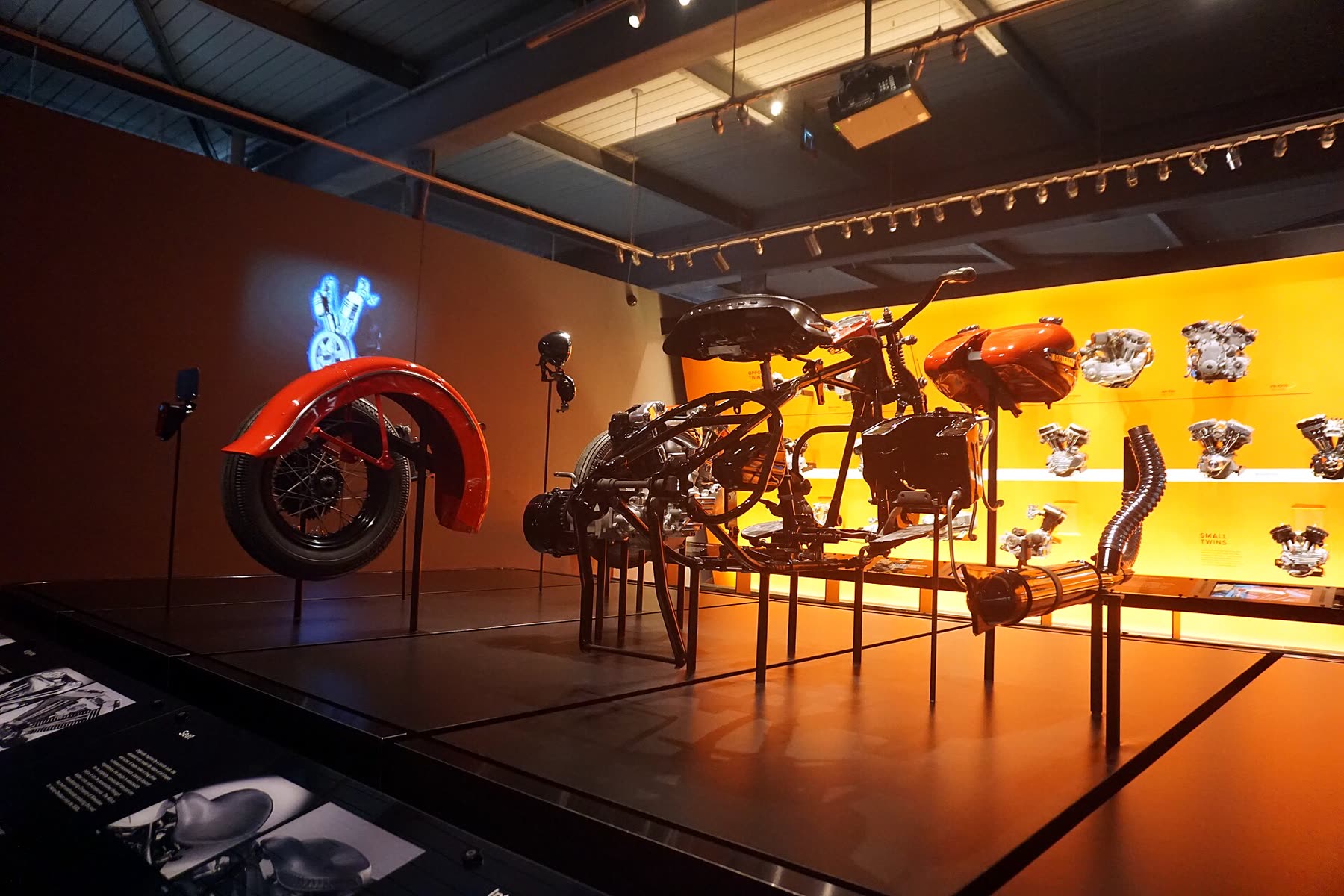
Harley-Davidson runs official U.S. sites that sell factory parts and engine-related components, including trim and longblock programs, directly under the brand name.Harley-Davidson motorcycle parts listings are organized by model and year, which matters because Harley has distinct engine families over time—Knucklehead, Panhead, Shovelhead, Evolution, Milwaukee‑Eight, and others.Harley-Davidson Evolution engine That lineage means a cam or piston set that fits an Evolution engine won’t necessarily fit a Shovelhead, and OEM sites are structured to reduce those mix-ups.
Use OEM sites when:
- You need guaranteed compatibility for stock repairs or warranty-sensitive work.
- Your bike is relatively new and genuine replacement parts still exist in Harley’s catalog.
2. Specialist Harley/V‑twin parts retailers
A second tier of platforms focuses heavily on Harley and V‑twin engines. For example, Iron Stable’s engine parts section showcases rebuild kits, rotating assemblies, and other components aimed at Harley engines. These sites usually:
- Organize inventory specifically by Harley engine type and displacement.
- Offer rebuild kits and performance parts that OEM sites may not carry.
- Provide more narrative fitment guidance than a general marketplace listing.
They’re built for people who know they’re working on, say, a Shovelhead or Twin Cam and want choices across OEM-style and aftermarket parts.
3. General motorcycle parts platforms with engine categories
Broader retail platforms carry engines and engine components for multiple motorcycle brands. On MotorcycleID’s engines page, you’ll see complete engines, top ends, and internals across different makes, with Harley-compatible options in a dedicated area.Harley-Davidson engines on MotorcycleID
These sites work well when:
- You cross-shop several brands, not just Harley.
- You’re comfortable filtering by displacement, model, and year yourself.
- You want access to both OEM-style and aftermarket parts in one catalog.
4. Multi-seller marketplaces and classifieds-style platforms
Finally, you have marketplaces where the platform hosts listings from many independent sellers: think eBay Motors for auto components. The eBay Motors USA example shows how buyers use search terms, filters (brand, year, condition), and seller ratings to navigate a huge catalog ranging from engine blocks to cylinder heads.
For motorcycle engines and parts, similar marketplaces can surface rare or discontinued components, but they put more responsibility on you to verify:
- The exact fitment against your engine family.
- The seller’s description quality and photos.
- The seller’s reputation across previous transactions.
Retail Parts Sites vs Sourcing Marketplaces: How They Work for Engine Components
Once you know the platform categories, the next distinction is retail parts sites versus sourcing-style marketplaces. They feel similar on the surface (search bar, product pages), but they’re built for different kinds of buying.
What a specialist or general retail parts site typically does for you
On Harley-focused retailers like Iron Stable or general sites like MotorcycleID, the store itself curates and sells the inventory. That usually means:
- Fitment structure: Parts are indexed by make, model, year, and often engine code. You can start with “Harley-Davidson” then drill down to your specific bike and see only compatible engine components.
- Catalog consistency: Product descriptions and categories tend to follow a standard house format. That reduces the odds that a camshaft is mislabeled as fitting the wrong engine family.
- Order quantities: You buy in consumer-friendly quantities—one gasket set, one piston kit, one longblock—without worrying about minimum order quantities.
These sites are optimized for replacement and upgrade projects, not for sourcing pallets or hundred-piece batches.
How multi-seller marketplaces operate for engine parts
Multi-seller marketplaces work more like a giant search layer over many independent sellers. Using the eBay Motors pattern:“Why eBay Motors USA is the Best Place to Shop for Auto Parts” blog
- Inventory comes from different businesses and individuals, so descriptions, photography, and fitment detail vary widely.
- You rely on search keywords, filters, and seller ratings to find what looks right.
- You may see both single units and bulk lots for engine components.
In the cross-border category, DHgate is an example of a China-based ecommerce marketplace connecting global buyers to sellers that include auto and mechanical parts, often at competitive prices.Top reliable websites to purchase auto parts If you ever consider using a cross-border marketplace for motorcycle engine components, you should treat each listing like a mini investigation: read the entire description, confirm part numbers against your service manual, and check seller ratings and history rather than assuming standardization.
Quick comparison: retail sites vs marketplaces for Harley engine work
| Dimension | Retail parts sites (OEM & specialist) | Multi-seller marketplaces (domestic & cross-border) |
|---|---|---|
| Fitment guidance | Structured by make/model/engine; curated by the site | Depends on individual seller description and your own checks |
| Typical order size | Single units or kits for one bike | Single units, used parts, or bulk lots |
| Brand focus | Often Harley/V‑twin specific or clearly segmented | Mixed brands and conditions side by side |
| Best use case | Repairs, rebuilds, predictable upgrades | Hard-to-find parts, experiments, or bulk sourcing |
If you’re fixing your own Harley and don’t want to chase part numbers across forums, the retail channel will almost always feel more straightforward.
For deeper background on how marketplaces themselves are structured, you can also look at DHgateWiki’s overview of online marketplaces and shopping platforms.
Matching Platform Types to Harley and Motorcycle Engine Parts Buying Scenarios
Different buyers should prioritize different platforms. Here’s how the channel choice usually shakes out for U.S. Harley and motorcycle engine parts.
Scenario 1: DIY Harley rider doing maintenance or a top-end refresh
If you’re maintaining your own Harley or tackling a moderate engine project:
- Start with OEM and Harley-focused sites. Use Harley-Davidson’s parts catalog for core components that keep the bike close to stock. Supplement with Harley/V‑twin specialists like Iron Stable when you want rebuild kits or performance upgrades tailored to your engine family.
- Avoid relying on marketplaces for critical internals. You don’t want to discover a mismatch after you’ve split the cases. Marketplaces are better for cosmetic pieces, used covers, or non-structural bits if you’re willing to research.
Scenario 2: Custom shop or builder working across generations
A small shop doing vintage builds, restomods, or cross-brand projects has a different pattern:
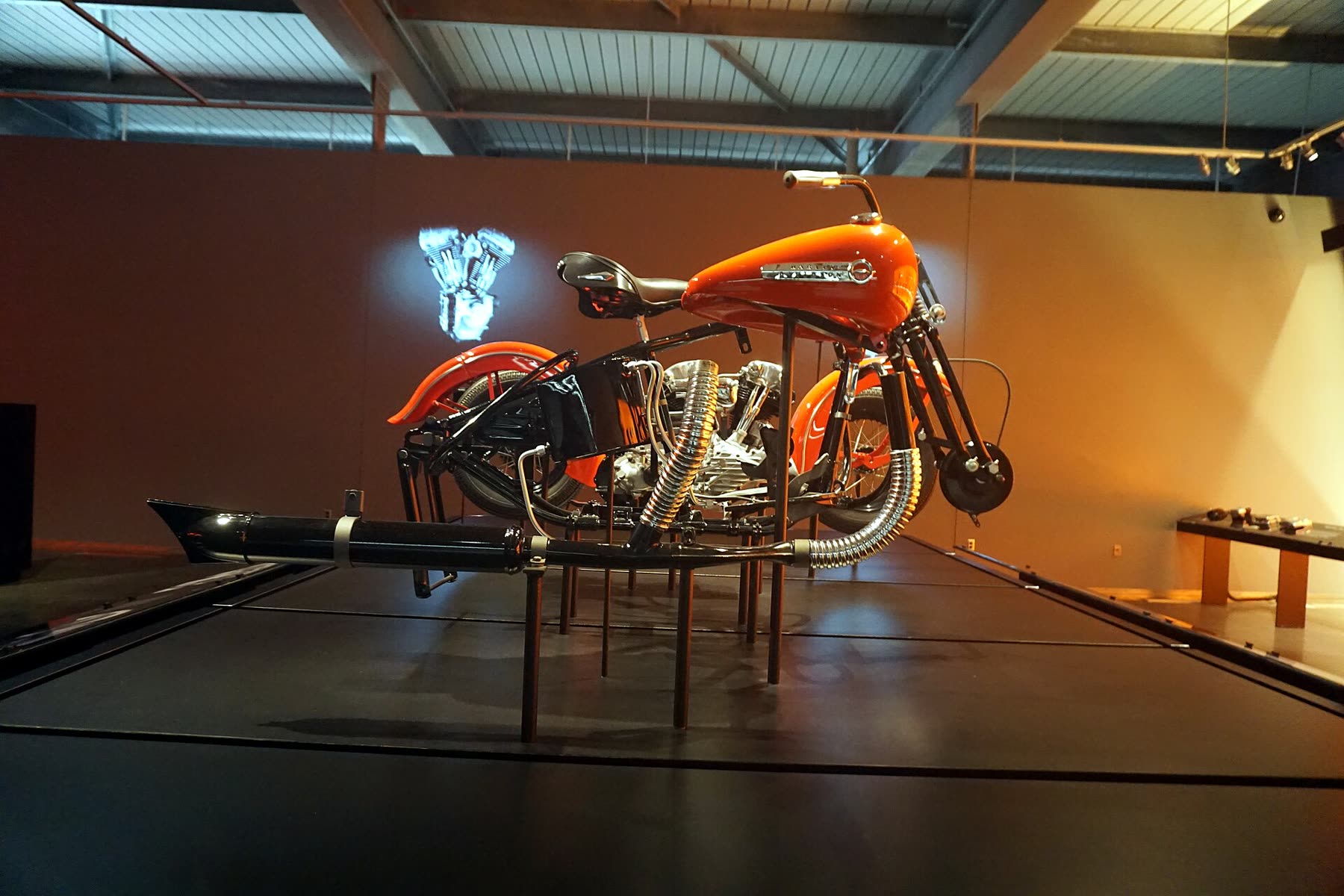
- Harley/V‑twin specialists help you source period-correct or compatible internals for older engines like Knucklehead, Panhead, or Shovelhead.Harley-Davidson Shovelhead engine
- General motorcycle platforms like MotorcycleID can supply engines or major components when you’re mixing brands or doing a non-Harley build.
- Marketplaces become useful for rare parts and discontinued items, but only after you’ve confirmed part numbers and cross-checked fitment in service manuals or trusted reference sites.
In practice, many builders run a hybrid approach: retail sites for the bulk of engine internals, marketplaces for occasional oddities or donor engines.
Scenario 3: Small ecommerce seller stocking engine-related inventory
If you run a small online shop and want to stock Harley or general motorcycle engine parts:
- Decide your niche first. If you specialize in Harley engines and rebuilds, sourcing from Harley-focused wholesalers or retailers with good fitment data (like Iron Stable-style platforms) reduces return risk because your catalog stays tightly defined.
- Use general motorcycle platforms for breadth, not depth. Sites like MotorcycleID show what kinds of engines and kits are actively sold across brands; they can guide your assortment strategy even if you eventually buy elsewhere.
- Explore marketplaces carefully for sourcing. Multi-seller marketplaces (including cross-border ones) may offer attractive pricing on certain mechanical parts, but you’ll need a repeatable process for verifying listings, testing samples, and handling mismatches.
If you’re comparing cross-border marketplaces structurally—how DHgate, AliExpress, Alibaba, and newer players differ as sourcing channels—the DHgateWiki comparison of DHgate vs AliExpress, Alibaba and Temu can help you think through which route fits your risk tolerance.
For most small U.S. ecommerce businesses focused on Harley and motorcycle engine components, a layered approach works best: retail-style platforms for high-risk fitment parts, marketplaces for lower-risk accessories or bulk orders after you’ve validated a supplier. Keeping those roles separate is what prevents engine parts sourcing from turning into a guessing game.