
If you’re hunting for the best Digimon keychains online, don’t start by asking which store is “number one.” Instead, focus on finding listings—on DHgate or other marketplaces—that show faithful Digimon or crest designs, use materials that feel solid in real life, and come from sellers with strong ratings, clear photos, and reliable shipping and refund records. This guide walks through the key style, material, and seller checks you can use to quickly tell which listings are worth your money and which are better to skip.
What “best” Digimon keychains really means when you’re shopping online
There isn’t a single “best” store for Digimon keychains. Fans buy them from many large marketplaces and smaller shops, and the best option for you is the listing that matches your favourite Digimon, crest, or digivice design, uses materials that feel solid in person, and comes from a seller with a clear, trustworthy history.
On DHgate and similar platforms, that means reading listings closely: look for sharp, well-lit photos, specific descriptions of the design and materials, and seller ratings plus consistent buyer feedback that the item arrives as described. If a listing’s photos are vague, the description is thin, or the seller’s history looks patchy, I’d rather skip it and keep browsing than gamble just to save a little money—especially for a collectible keychain I want to feel good about every time I see it on my keys or bag.
Common Digimon keychain styles and how they usually show up in listings
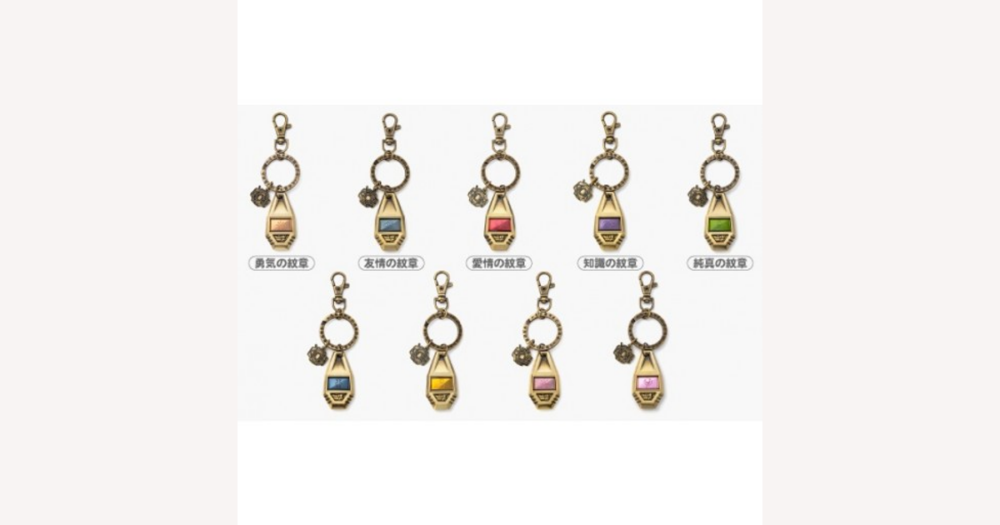
When you start browsing Digimon keychains, most listings fall into a few familiar styles. Character art keychains focus on specific Digimon or anime-style scenes, often as acrylic charms with colourful front-and-back printing or layered designs that pop against a bag or keyring. Crest or emblem keyrings draw from the Adventure crests and other symbols; these usually show up as simple, bold metal rings or pendants where the shape and outline matter more than detailed artwork.
You’ll also see digivice-inspired pieces, such as miniature replicas or flat acrylic charms shaped like classic devices, typically photographed hanging from keys or bags to suggest display use. Finally, some listings are mainly aftermarket replacement chains for actual Digivice or VPET devices—these tend to be straightforward metal chains shown in close-up hardware photos. Across all of these styles, materials cluster around acrylic for bright printed art, metal for sturdier rings and emblems, and occasional basic plastic charms, with listings using multiple photos, brief descriptions, and material callouts to help you recognise which category a keychain belongs to at a glance.
How acrylic, metal, and plastic keychains differ in feel and durability
| Material | Typical feel and weight | Design or finish details | Common drawbacks | Typical price positioning |
|---|---|---|---|---|
| Acrylic | Light and smooth; doesn’t add much weight to keys or bags. | Usually features sharp, colourful printed art, often double-sided or layered. | Printed surfaces can scratch, edges can chip, and very thin pieces may crack if bent. | Often mid-range: pricier than basic plastic but cheaper than most metal pieces. |
| Metal alloy | Heavier and more solid; feels like a traditional keyring or emblem. | Commonly engraved or filled with enamel, giving a more premium, polished look. | Enamel can chip or fade, and heavier pieces can scuff other items or feel bulky on light bags. | Typically higher-priced than plastic or simple acrylic, reflecting the more substantial feel. |
| Basic plastic | Very light and sometimes slightly flexible; easy to carry in bulk. | Designs are usually simple prints or molded shapes with less crisp detail than acrylic or metal. | More prone to scuffs, discoloration, and a less premium feel over time. | Usually the budget option, good for low-cost sets or casual extras. |
For display-focused use—hanging charms on a board, shelf, or a bag that doesn’t get tossed around—acrylic often strikes a good balance between vivid artwork and weight. Just keep in mind that printed surfaces can pick up scratches if they rub against metal hardware or other keys.
For everyday carry on keys or a backpack, metal alloy keychains usually feel more reassuringly solid. Engraved or enameled crests and emblems tend to handle frequent handling better, even though enamel may show wear or small chips over time.
Basic plastic charms fit casual or budget roles, like adding a few extra Digimon to a bag where you won’t worry about long-term finish. They’re light and inexpensive, but if you care about a premium feel or long-lasting colour, thicker acrylic or metal is generally worth the extra cost.
These patterns are typical rather than guaranteed. Individual listings can use thicker acrylic, higher-grade plastics, or different metal finishes, so treat material as one clue about how a keychain will feel and age, then confirm details in each description and photo set.
Matching Digimon keychain styles and materials to how you’ll use them
- Acrylic character or digivice charms are usually a strong choice when you want bright, detailed art to display on a wall board, shelf, or as a light bag charm where colour and design accuracy matter more than heavy-duty durability.
- Metal crest or emblem keyrings tend to suit everyday keys or backpacks, especially if you value a solid, weighty piece that feels more like a small collectible than a toy and can handle frequent grabbing and pocket use.
- Simple metal replacement chains are most useful when function comes first—keeping a Digivice or VPET securely attached—so you’re mainly checking length, thickness, and clasp style rather than decorative artwork.
- Basic plastic charms can work as budget-friendly additions when you’re experimenting with designs or building a larger set, and you’re less concerned if they scuff, fade, or feel less premium over time.
- As a rule of thumb, lean toward metal or thicker acrylic for anything you’ll carry every day, and reserve plastic or very light pieces for decorative or low-stakes use. Then cross-check each listing’s photos, material details, and reviews against these patterns, remembering that specific keychains might use different materials or finishes than you expect.
A step-by-step way to evaluate a Digimon keychain listing on DHgate
- Step 1 – Photos and description: Look for multiple clear images that show the keychain from different angles, including the Digimon art, crest or digivice shape, and the attachment hardware. Compare the style to what you prefer and use any listed dimensions to check whether the size matches how you plan to carry or display it.
- Step 2 – Materials: Find where the seller states the materials—such as acrylic, metal alloy, or plastic—and cross-check them against the feel and durability you have in mind. Treat vague labels like simply “keychain,” or listings with missing material details, as a caution sign that the item may not match your expectations.
- Step 3 – Seller ratings and history: Review the seller’s overall rating, the number of reviews, and how many transactions they have completed on DHgate. Prioritize listings from sellers with stable, high ratings and a visible history of successful orders over those with almost no track record.
- Step 4 – Shipping and delivery: Check the available shipping methods, costs, and estimated delivery window. Decide whether the timeline fits your needs, and keep in mind that slightly longer shipping can be acceptable when the design, materials, and seller history all look strong.
- Step 5 – Refunds and disputes: Look for information about returns, refunds, and dispute handling on the listing or store page. Clear, straightforward policies reduce your risk; thin, confusing, or hard-to-find details mean more uncertainty if the keychain arrives different from its description.
- If any step turns up vague information, mismatched details, or a very thin seller history, it’s usually better to skip that listing and keep searching for a Digimon keychain with clearer specs, stronger feedback, and trust signals that justify your money and waiting time.
Using ratings and buyer feedback to judge seller reliability
On DHgate, overall product and store ratings give a quick snapshot of buyer satisfaction, but the pattern behind those numbers matters more than a single score. Look for multiple reviews that talk specifically about the keychain’s print sharpness, colour accuracy, material feel, and whether it arrived as described and roughly on time.
Buyer-uploaded photos are especially useful because they show the keychain in real lighting rather than polished listing images. Compare these photos with the official pictures to see whether the colours, artwork, size, and hardware actually match what the seller promised.
When reviews are very few, overly generic, conflicting, or there are no buyer photos at all, you don’t automatically know the seller is bad—but you also can’t independently verify their claims. In those cases, treat the listing as higher risk: I would rather pay a little more to buy from a seller with clearer, detailed feedback and choose a different keychain than gamble on a poorly documented listing.
Red flags and risks to watch for in Digimon keychain listings
- Licensing and art accountability: Treat unclear branding as a warning sign—listings that never mention Digimon, Bandai, or licensing, or that use artwork that looks like reposted fan art without explaining it’s fan-made, often come with lower accountability if the design is misrepresented or removed later.
- Suspicious photos: Be cautious of listings that rely on very low-resolution images, have obvious colour differences between photos of supposedly the same keychain, or use pictures that look like generic stock images rather than the actual item. The less you can clearly see the real keychain, the harder it is to trust the listing.
- Vague or missing material details: If the description just says “keychain” with no mention of acrylic, metal, plastic, enamel, or hardware type, you have almost no basis for judging feel and durability. I would treat that as a higher-risk listing and look instead for sellers who clearly state what the keychain is made of.
- Pricing and shipping that seem too good to be true: Listings priced far below what similar Digimon keychains usually cost, or promising extremely fast international delivery without explaining the shipping method or conditions, can indicate corner-cutting or misrepresentation. Low prices and ultra-short estimates are not proof of a scam on their own, but they do reduce my confidence if other details are also vague.
- Stacked red flags: When several of these issues appear together—unclear licensing, blurry or mismatched photos, missing material information, and unrealistic price or shipping—I would rather skip the listing. In those cases it’s usually safer to search for a better-documented option with clear photos, specific materials, and a seller history you can actually evaluate.
A quick checklist for choosing Digimon keychains on DHgate
- Confirm your design target: Decide whether you’re looking for a specific Digimon character, a crest or emblem, a digivice-inspired piece, or a simple replacement chain so you can ignore listings that don’t match that goal.
- Set acceptable materials: Prefer clearly labelled acrylic or metal when you want a more solid, premium feel, and only accept unlabelled plastic if you’re comfortable with a budget, potentially less durable keychain.
- Check size against your use: Note roughly how big you want the keychain to be for keys, a bag, or a display board, then compare that expectation to any listed dimensions or scale cues in the photos.
- Apply a seller rating and history threshold: Favour listings from sellers with consistently good ratings and a reasonable number of past transactions or reviews, rather than thin or erratic histories.
- Define a sensible price range: Decide what feels reasonable for your chosen style and material, and treat listings that are dramatically cheaper than comparable options as higher risk unless the description clearly explains why.
- Decide on acceptable shipping time: Set a personal limit for how long you’re willing to wait, keeping in mind that overseas shipping often takes longer, and check that the estimated delivery fits that window before you commit.
FAQ: Licensing, sizing, and what if your keychain isn’t as described
Are Digimon keychains on DHgate usually official, or are they fan-made and unlicensed?
On DHgate and similar marketplaces, Digimon keychains can be a mix of official-style items and fan-made designs, and listings don’t always clearly state licensing status. Look for explicit mentions of Digimon, Bandai, or official licensing in the title or description, recognizable brand names, and consistent, non-blurry artwork that doesn’t look like a cropped screenshot. When branding is vague, licensing is not mentioned at all, or the art looks like reposted fan work with no explanation, it’s safer to assume the keychain is unofficial or fan-made. Many fans are comfortable buying fan-made art as long as they know that’s what they’re getting, so decide whether you’re personally okay with that before you order.
How can I judge the real-world size of a Digimon keychain if the listing photos or measurements are unclear?
Start with any measurements the seller provides, such as length in centimeters or inches; compare those numbers to a key, card, or device you know so you can picture the size. Then check photos for scale cues: a keychain in someone’s hand, hanging from a bag, or shown next to familiar objects gives a rough sense of how large it is. Hardware details also help—large clasps, thick chains, or bulky rings usually indicate a heavier, bigger piece. If no measurements are listed and photos don’t show clear scale, treat the size as uncertain and decide whether you’re comfortable with the risk that it might arrive smaller or larger than you imagined.
What should I do if my Digimon keychain from DHgate arrives damaged or very different from the listing description?
If the keychain is significantly different from what was described—for example, the wrong design, obvious damage, or major quality issues—the usual first step is to document the problem clearly. Keep your order records, save the listing description, and take photos that show the item, its defects, and any packaging. Contact the seller through DHgate’s messaging system to explain the issue and ask for a solution, such as a replacement or refund. If you can’t resolve it directly, DHgate generally offers dispute and refund mechanisms where buyers can open a case (for issues like “item not received” or “significantly not as described”) and submit evidence for review. Results depend on the specific situation and current platform policies, so use these tools as a structured way to seek a resolution rather than a guaranteed outcome.