
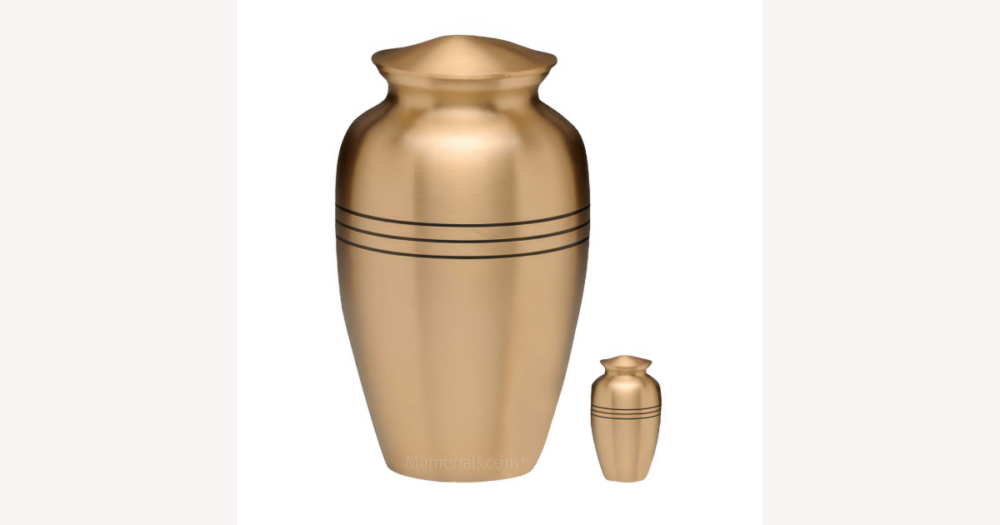
If you’re looking for a plain, respectful urn on a tight budget, the safest approach on DHgate is to treat “simple” as a functional standard, not just a style: focus first on clear material descriptions, adequate capacity, a secure lid, and straightforward seller terms, then use DHgate’s ratings, product details, payment tools, shipping information, and dispute options to decide whether a listing is trustworthy enough for such a sensitive purchase.
What does “affordable simple urn” really mean when you’re shopping online?
On most online marketplaces, an affordable simple urn means a plain, respectful container rather than a highly decorative piece. You’re usually looking at standard shapes (cylinders, boxes, rounded vases), neutral or muted colors, and little to no ornament—maybe a single band or subtle texture instead of elaborate patterns or heavy engraving. The focus is on doing its job quietly rather than standing out as a design object.
Functionally, a simple urn should still meet a few non‑negotiable basics: appropriate capacity for the person or keepsake you have in mind, a lid or closure that feels secure, and materials that are sturdy enough for how you plan to use it (display, storage, occasional handling). In budget ranges this often means more modest materials—lighter metals such as aluminum, common woods, ceramic, resin, or bamboo—rather than thick brass or premium hardwoods. Prices for these simpler, standard‑capacity urns tend to sit in lower bands than highly customized or theme designs, which can climb into much higher brackets once you add complex artwork or personalization.
DHgate is one of several global marketplaces where similar budget‑friendly urns may be listed, but it works as a cross‑border platform connecting many different sellers rather than a single curated store. This guide can’t confirm what’s available on DHgate at any given moment or vouch for specific listings or sellers. Instead, it treats DHgate as an environment where you might encounter simple urns and shows you how to judge whether a listing that looks plain and inexpensive actually meets those minimum standards for material, capacity, closure, and clear terms before you even think about ordering.
Key materials, finishes, and sizes to expect in simple urns
In the lower and mid price ranges, simple urns are usually made from practical, widely available materials rather than premium metals or rare woods. Common options include lightweight metals like aluminum or stainless steel, everyday woods (such as pine or generic hardwood blends), ceramic, resin, and bamboo. Finishes tend to be straightforward: plain polished or brushed metal, smooth painted surfaces, simple wood stains, or a single color glaze instead of intricate reliefs or multi‑layer artwork. When a listing shows very busy patterns, complex themes, or heavy metalwork, it’s likely aiming at a more decorative, higher‑priced segment than the basic urns this guide focuses on.
Capacity is just as important as material. Very small keepsake or mini urns are designed to hold only a token amount—often a few cubic inches of ashes, a lock of hair, or a symbolic portion reserved for sharing among family members. By contrast, a standard adult cremation urn is typically sized around 200 cubic inches of interior space, loosely following the rule of thumb of roughly 1 cubic inch per pound of body weight. These numbers are general marketplace norms rather than strict formulas, but they’re useful for spotting whether a listing is offering a full‑size urn or a much smaller keepsake, even when the photos look similar.
Because DHgate hosts many different sellers, none of these materials or capacities are guaranteed on any specific listing. I would treat them as reference points: if an urn is described only as “metal” or “small,” I’d want to see more detail before trusting it. For a simple, affordable urn, I’d personally rather accept a very plain aluminum or wood design with a clear capacity figure and a well‑described lid than a more ornate piece where the material, volume, and closure are vague. Someone working with a very tight budget should still insist on those basics, even if that means compromising on decorative themes or brand reputation.
- Check the material type: look for specific words such as “aluminum,” “stainless steel,” “wood,” “ceramic,” “resin,” or “bamboo,” not just a generic “metal” or “alloy.” If the material sounds unclear or overly vague, treat that as a warning sign.
- Read the finish description: note whether the surface is polished, brushed, painted, stained, or glazed, and whether it’s likely to show fingerprints, scratches, or wear. Plain, well‑described finishes are usually a better bet than dramatic effects with little explanation.
- Confirm capacity or volume: for a full‑size adult urn, look for a capacity figure around 200 cubic inches and compare it to the intended person’s approximate weight using the “about 1 cubic inch per pound” rule of thumb. For keepsake or mini urns, expect only a few cubic inches and don’t rely on photos alone to judge size.
- Check dimensions and weight: compare height, width, and depth (or diameter) to where you plan to place the urn, and make sure the weight seems reasonable for the material claimed. Very vague or missing measurements make it harder to trust the listing.
- Examine lid and closure style: look for mention of threaded lids, snap‑on or friction‑fit closures, or screw‑down panels, and avoid listings that never explain how the urn closes. For a sensitive purchase, a secure lid matters more than decorative detailing.
- Prioritize clarity over decoration: if a DHgate listing offers simple materials, a clear capacity figure, detailed dimensions, and a well‑explained lid type, that’s usually preferable to a more ornate design where the essentials are missing—even when your budget is tight.
Typical price bands for simple urns and what you trade off at each level
Those material and capacity choices map onto rough online price bands. Across major marketplaces, simple urns often fall into a few broad ranges that are time‑bound observations, not fixed rules or DHgate‑specific pricing: very low prices under about $25, a lower mid‑range around $25–$50, a solid mid‑range roughly $50–$100, and higher tiers from about $100 up into the low hundreds for premium or heavily customized pieces.
Under about $25, you’re usually looking at small keepsake or mini urns, or very basic full‑size designs. Tradeoffs at this level typically include smaller capacity, thinner or lighter materials, minimal accessories, and plain finishes. Listings in the $25–$50 band more often offer full‑size capacity with practical metals or woods, slightly sturdier construction, and perhaps a storage bag or simple box; decoration is still restrained, but the overall build tends to feel less fragile.
In the $50–$100 range, many adult urns add weight and durability, a wider choice of finishes, and more reliable hardware such as threaded lids or stronger base plates. Accessories (gift boxes, velvet bags, filling funnels) are more common, and designs may include modest patterns or themes without becoming ornate. Above roughly $100, and especially above $150–$200, you’re paying for upgrades: premium materials (solid hardwoods, brass, or more elaborate ceramics), detailed artwork, themes, or substantial personalization such as engraving, photo panels, or custom shapes.
Simple budget urns sit mainly in the lower and mid bands: they focus on basic shapes, neutral finishes, and clear capacity rather than on decorative storytelling. Highly decorative or personalized urns—with strong themes, intricate patterns, or extensive engraving—usually belong in the higher price and quality brackets, even when they appear on a marketplace like DHgate. If a listing looks very ornate yet is priced in the ultra‑cheap range, it’s reasonable to question whether the materials, workmanship, or accessories truly match the impression given by the photos.
For an urn, I would treat price as a signal but not a guarantee. Personally, I’d rather choose a very plain piece at the lower or mid price bands where the material, capacity, and lid closure are clearly described than a more decorative urn where those basics are vague. If I needed to keep costs down, I’d compromise on elaborate decoration or branding, not on sturdy construction, a realistic volume for the person it’s meant to hold, or a secure, well‑explained closure.
Checking DHgate seller credibility before you consider a listing
- Open the seller or store page on DHgate and note its basic signals: how long the store has been active, how many orders it has completed, and its overall rating. A longer history with a meaningful number of transactions is generally more reassuring than a brand‑new store with little activity.
- Read recent reviews carefully, paying attention to comments about product accuracy, shipping reliability, and customer service. Look for consistent patterns—multiple buyers confirming that items match the description and arrive within the expected window, or repeated complaints about wrong items, poor packaging, or unresponsive support.
- Scan ratings and feedback for red flags: clusters of low scores, vague one‑word reviews, or contradictory comments about the same seller can all suggest unreliability. Decent ratings and detailed feedback are helpful signals but never a guarantee, so treat them as part of your risk picture rather than proof that everything will go smoothly.
- Before trusting an urn listing, send a brief, polite question through DHgate messaging about something specific, such as the material or capacity. A clear, prompt reply in understandable language is a good sign; slow, evasive, or confusing responses should make you cautious, especially for a sensitive purchase.
- Combine these checks into a simple rule of thumb: for an urn, I would only proceed with sellers who have solid ratings, a real transaction history, and detailed, mostly consistent feedback. If a seller’s page feels sparse, contradictory, or heavily weighted toward negative reviews—even when the price looks very attractive—I’d walk away and keep looking rather than risk a disappointing or disrespectful outcome.
Reviewing DHgate product pages and order details for urn basics
- Open the DHgate product page and look closely at the title and main images to confirm it is truly an urn, not generic decor, and that the style matches what you need (for example, a small keepsake set versus a single full‑size adult urn).
- Scroll to the specification or details area and check material, capacity or volume, dimensions, weight, and lid mechanism. Compare these against your expectations for a simple budget urn; if anything important is missing, note it as a potential concern.
- Find any mention of included accessories such as storage bags, funnels for filling, inner liners, or presentation boxes, and make sure the listing clearly states what is and is not included so you’re not relying on assumptions.
- Cross‑check the claims in the description: if capacity looks too small for adult use but the wording suggests it’s an adult urn, or if material is described only as “metal” or “wood” with no type, treat those as reasons to ask the seller for clarification or consider skipping the listing.
- Before you place an order, insist on clear, consistent specs and order details. DHgate’s layout may differ from other marketplaces, so look for analogous fields rather than exact labels—but if you still have to guess about capacity or material, especially for a memorial urn, it’s safer to walk away and keep looking.
Staying safe with DHgate payments and order protection
Shipping, delivery times, and overall cost on DHgate
On DHgate and other cross-border marketplaces, shipping can easily turn a seemingly cheap urn into a slower or more expensive purchase than you expect. Delivery times are generally longer and more variable than domestic orders—standard international shipping can run to a few weeks, and economy options may take even longer, with possible customs or carrier delays along the way.
Before you judge a listing as affordable, check the shipping details on its page: the estimated delivery window, the stated shipping method (standard vs express), whether tracking is included or costs extra, and the exact shipping fee. Add that fee to the item price to see the true total; a low headline price can be outweighed by high postage or handling charges.
For a time-sensitive memorial, I would prioritize listings that show clear, conservative delivery estimates, named shipping methods, and confirmed tracking, even if they cost a little more. Vague timelines (“usually ships fast”) or very long windows with no mention of tracking are a signal to be cautious; in an emotionally important situation, I’d be inclined to skip those offers rather than risk a stressful delay or a parcel you can’t easily follow.
Handling problems: DHgate disputes, returns, and refunds
When a very cheap urn listing may be too risky to trust
Quick checklist before ordering a simple urn on DHgate
- Product basics: Material is clearly stated and believable for the price; capacity and size match your intended use (keepsake vs full-size); lid or closure is described as secure; any accessories you actually need (for example, bag, box, funnel) are listed in the description.
- Seller credibility: Store has a reasonable overall rating; enough past transactions to feel established; reviews are detailed rather than generic; any questions you ask through DHgate messaging receive clear, timely answers.
- Order conditions: The total cost including shipping still fits your budget; the estimated delivery window is acceptable for your timing; a trackable shipping method is offered rather than untraceable economy postage.
- Protection: Return or refund terms are visible and understandable; you know under what conditions you can request a refund; you’re prepared to use DHgate’s dispute tools and keep communication and payment on-platform if something goes wrong.
- Decision line: If a listing fails any of these core checks—especially material clarity, appropriate capacity, or decent seller rating—I would not place the order. For a simple, respectful urn, it’s better to choose a plainer but well-documented option or a different marketplace than to compromise on these fundamentals.
FAQ: timing, customization, and unclear DHgate listings
Is DHgate a good choice for urgent or date-specific urn needs?
DHgate works as a cross‑border marketplace, so delivery estimates can be more variable than domestic shipping and may slip because of carrier or customs delays. If you need an urn by a specific date—such as a service or ceremony—I would treat DHgate with extra caution: only consider listings with conservative delivery windows, clear shipping methods, and tracking, and have a backup plan in case of delay. For very tight timelines where a late arrival would be extremely stressful, choosing a faster, better‑documented option, even at a higher price, is usually safer.
How should I handle simple customization requests, like adding engraving to a DHgate urn?
Some DHgate sellers may offer basic customization such as engraving, but it’s important to keep everything clearly documented on the platform. Before you place an order, use DHgate messaging to agree on the exact text, font, placement, and any extra cost, and ask the seller to confirm these details in writing. Custom items often have stricter or limited return rights, so read the listing’s policies carefully and assume that highly personalized pieces may be harder to refund or replace. If the seller’s answers are vague or inconsistent, I’d avoid customization with that store and look for a better‑documented option.
What should I do if a DHgate urn listing has incomplete or confusing information?
Treat gaps in the description as a signal to slow down. If material, capacity, dimensions, lid type, or finish are unclear, send specific questions through DHgate messaging and ask for direct answers rather than general reassurances. Compare the seller’s replies with the listing; if details change, remain vague, or contradict the original text, I’d walk away instead of guessing. For a memorial item, a listing that can’t explain its own basics is too risky, even when the price is attractive.
When does it make sense to choose a different seller or marketplace, even if DHgate looks cheaper?
If you’re uncomfortable with the timing, clarity, or customization reliability of a DHgate listing—uncertain delivery windows, incomplete specs, vague engraving promises, or restrictive policies—it’s reasonable to treat the lower price as secondary. In that situation, I’d prefer a plainer urn from a seller or marketplace with clearer documentation, more transparent policies, and more predictable shipping, even at a higher cost. For a simple urn, reliable information and manageable risk matter more than saving a few dollars on a listing that leaves important questions unanswered.