
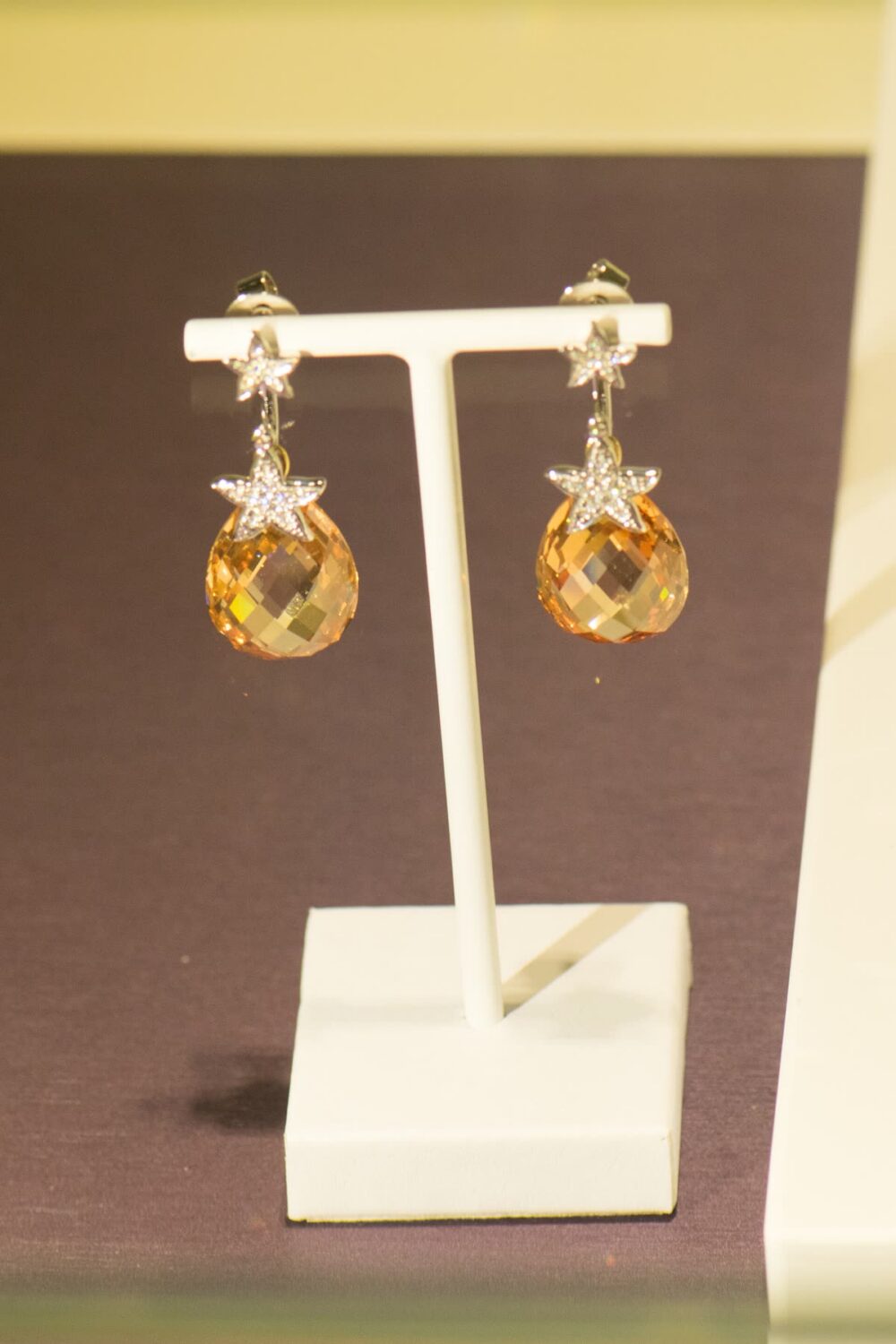
Gemstone earrings can be surprisingly affordable in Australia if you focus on the materials, scale of your purchase, and where you buy. For a single pair, basic sterling silver studs with smaller stones from chain jewellers are usually the cheapest. For several pairs or small resale runs, multi-pack sets, simpler designs, and cross-border marketplaces or wholesalers can drop the per-pair cost—but only once you factor in shipping, GST, and any import fees.
This guide walks through what actually pushes gemstone earring prices up or down, shows how local and global channels differ for Australian buyers, and gives simple scenarios for individuals and small ecommerce sellers.
What Really Makes Gemstone Earrings Cheap or Expensive?
Most of the price comes down to four things: the metal, the stone, the design, and the brand.
Metal choices. Budget-friendly gemstone earrings in Australia are often set in sterling silver. You’ll see this across mainstream chains and smaller galleries: for instance, Shiels lists colorful gemstone studs and drops in silver and basic gold-plated settings, while Diamond Imports and Diamonds Factory lean into gold for sapphire, ruby, and emerald pieces, which sit higher on the price spectrum.Shiels gemstone earrings and Diamond Imports gemstone earrings illustrate that silver with modest stones feels “accessible,” whereas gold with premium stones is positioned as a step up.
Stone type and size. Semi-precious stones like amethyst, citrine, topaz, and garnet are generally positioned as more budget-friendly than larger, fine emeralds or sapphires. Australian sites such as Gems and Jewellery offer 4mm gold gemstone studs (amethyst, citrine and others) that sit in a relatively attainable band, while brands like Aurum Jewels and Bowerbird Jewels frame coloured gemstones as mid-range or premium design pieces. Smaller stones and simpler cuts usually mean lower prices.
Design and workmanship. A plain stud or small drop with a single stone costs less to produce than intricate halos, multi-stone clusters, or elaborate chandelier earrings. Boutique brands such as Aurum Jewels or Jan Logan often highlight unique settings and design details, which you’ll feel in the price compared with very simple stud lines from broad retailers.Jan Logan gemstone earrings give a good sense of that premium, design-led feel.
Brand and positioning. Chain stores (Goldmark, Shiels, Diamonds Factory) tend to span from budget-friendly silver and smaller stone designs up through higher-priced gold and fine gemstones.Goldmark’s gemstone earrings section shows this spread clearly. Smaller Australian-born brands and galleries often position gemstone earrings as artistic or boutique, which usually nudges them into mid-range or premium territory.
In short: if you want to stay on a budget, look for sterling silver, semi-precious stones in modest sizes, simple designs, and non-luxury branding.
Why the Same Earrings Cost More or Less Across Orders and Seasons
For Australian buyers and small ecommerce sellers, the headline price on a product page is only part of the story. A few practical factors change the per-pair cost quite a bit.
Order size and MOQs. Suppliers often give better pricing when you buy multiple pairs or meet a minimum order quantity. Retail shoppers feel this mainly through multi-pair sets (three or more pairs in one pack), which spread the design and handling cost over several earrings. Budget jewellery frequently uses strategies like:
- Sterling silver instead of solid gold
- Cubic zirconia or other simulants instead of diamonds
- Smaller gemstones and simpler settings
- Multi-pair stud sets
This can significantly lower your cost per pair if you need several styles for a market stall or online shop.
Customization level. A standard design in a common stone (e.g., amethyst studs) is cheaper than custom sizing, unusual stones, or made-to-order designs. If you’re a small seller, sticking to standard catalog designs from wholesalers or marketplaces usually keeps your margins healthier than asking for unique specs in small quantities.
Shipping choices and timing. Moving from local retail to cross-border orders introduces shipping cost, longer lead times, and possible duties or GST on import. Express shipping raises your per-pair cost but may be worth it if you need stock quickly for a seasonal push. Slower, cheaper shipping makes more sense when you can plan restocks ahead.
Seasonal demand. Prices and discount depth often change around gift-heavy periods such as Christmas, Valentine’s Day, and Mother’s Day. Local retailers and global platforms tend to run broader promotions, while smaller boutiques may raise prices or sell out. If you’re cost-sensitive, buying just before peak season rather than on the actual dates can help you catch better deals.
Scenario callouts
- Single buyer (you want one or two pairs): Your main variables are metal, stone type, and brand. Shipping and MOQs matter only if you go cross-border.
- Micro-seller (10-50 pairs): Shipping, MOQs, and whether you buy sets or single pairs start to dominate. You’ll often save more by simplifying materials and designs than by chasing tiny unit-price differences.
Choosing a Sourcing Channel and Cutting Your Total Bill
Australians looking for budget gemstone earrings basically face three channel types: local retail, global marketplaces, and wholesale-style suppliers.
How channels typically compare for cost
Here’s a compact way to think about it, for both personal buyers and small sellers:
| Channel type | Best for | Typical cost profile (editorial judgment) |
|---|---|---|
| Local AU retail (stores & sites) | 1-3 pairs, gifts, easy returns | Higher per pair, no import admin; frequent promos on silver and small stones. |
| Global marketplaces (Amazon, Etsy, Cross-border multi-seller, etc.) | Choice, budget fashion, small batches | Wide price spread; can be cheaper per pair, but shipping and import fees apply. |
| Wholesalers / trade suppliers | 20+ pairs, ongoing resale | Lower per-unit prices, but MOQs and longer lead times; usually less branding. |
Large retailers like Amazon and Etsy carry huge ranges of earrings at varied price points, and editorial context often highlights Amazon in particular for accessible options across metals and simulant stones.DHgate’s coverage of top earring stores discusses this variety. That same logic applies when you look at marketplaces more broadly: they’re useful if you’re willing to trade convenience for lower per-pair costs and more styles.
DHgate itself is one marketplace that features fashion jewellery, including gemstone- and crystal-style earrings built with materials such as cubic zirconia and various coloured stones in budget-friendly designs.DHgate’s stud-set editorial calls out gemstone studs and mixed-material sets as common options. As a buyer or small seller, you’d still need to judge each listing on its own merits—checking materials, photos, and any available customer feedback—and compare total landed cost with alternatives like Amazon, Etsy, or direct wholesale before deciding it’s the right fit.
If you’re weighing marketplaces more broadly, internal comparisons such as DHgate vs AliExpress, Alibaba and Temu can help highlight how different platforms line up for cross-border purchases.
Simple tactics to keep gemstone earrings affordable
For both personal buyers and micro-sellers, a few grounded tactics usually move the needle more than hunting for the “perfect” platform:
- Simplify materials: Choose sterling silver or well-made plated settings and semi-precious stones (amethyst, citrine, topaz) instead of large fine emeralds, sapphires or diamonds.
- Use sets where it makes sense: Multi-pair stud sets or mixed gemstone packs lower the per-pair cost, especially for online sellers needing a small but varied range. Editorial jewellery content often points to sets of cubic zirconia and gemstone studs as a go-to budget strategy.DHgate’s stud guide is one example.
- Time your purchases: Watch Australian sales cycles and global platform promotions; buying slightly ahead of peak gifting periods can mean better access to discounts.
If you only need one pair of gemstone earrings and prefer minimal hassle, a local Australian retailer offering sterling silver and modest stones will usually land closest to your budget once you factor in shipping and time. If you’re building a small inventory of 10-50 pairs, marketplaces and wholesalers become more compelling—as long as you keep your designs simple and run the numbers on total landed cost before you commit.