
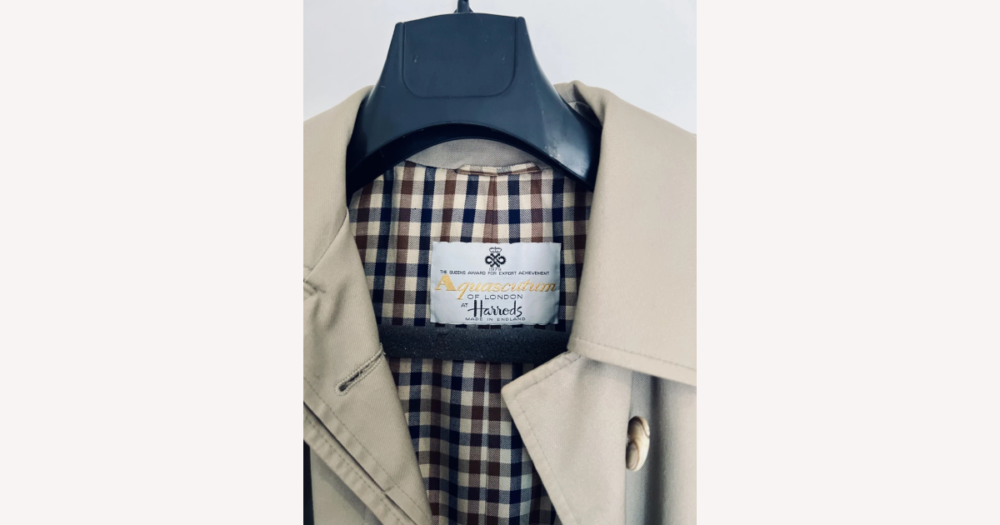
If you’re hunting online for an Aquascutum ladies coat, the best deal isn’t just the lowest price—it’s the listing where the brand details, fabric quality and buyer protections still look solid. Because prices and stock move quickly across DHgate, eBay and fashion aggregators, this guide focuses on the practical checks you can use to compare individual listings and spot when a discount still seems safely Aquascutum-level, rather than treating any one site as an authorised or permanently “best” place to buy.
Why there’s no single site for the “best” Aquascutum coat deals
There isn’t a single website that reliably has the “best” deals on Aquascutum ladies coats. Prices and stock change constantly across DHgate, eBay, fashion aggregators, and other marketplaces, so no one platform can be named as permanently cheapest or best.
On these sites you’re not buying from a single retailer; you’re choosing between many individual sellers and listings. Each offer can differ in how convincing its Aquascutum branding looks, how clearly it describes materials and construction, and how strong its buyer protections and returns are. Real value comes from judging those details listing by listing, not assuming a site name guarantees a bargain.
If you care about getting a coat that genuinely feels Aquascutum-level in quality, it’s usually worth trading a little extra money for clearer authenticity signals, full fabric specs, and straightforward refund terms. This guide treats DHgate and other marketplaces as places to research and compare, not as authorised Aquascutum retailers, and focuses on the checks you can use to tell whether any given “deal” is safely good value rather than simply cheap.
What defines an Aquascutum ladies coat
Aquascutum is best known for classic British outerwear, so most women’s coats from the brand sit in familiar tailored styles rather than experimental fashion pieces. You’ll typically see trench coats with structured lapels, shorter pea coats, and longer wool outdoor coats designed to look polished while still being practical for everyday wear.
At this level, the outer shell is usually wool or a wool blend for warmer coats, and cotton or cotton-gabardine for trenches, rather than very thin synthetics. Linings tend to feel substantial and smooth, not rough or see-through, and seams should lie flat with neat, even stitching rather than loose threads or puckering. Buttons, buckles and other hardware are expected to feel solid and well-secured.
Brand cues can help, too. Genuine pieces typically have inner labels with consistent Aquascutum spelling and logo styling, care labels that give clear fabric composition and washing instructions, and branding that isn’t scattered randomly across the coat. Some coats use the brand’s traditional check pattern in the lining or trims, and some may have logo-marked buttons, but not every style includes every cue—absence of one detail doesn’t automatically mean a fake.
When you’re looking at online listings, treat phrases like “great savings”, “luxury heritage” or similar marketing language as background decoration. The real baseline for an Aquascutum-style coat comes from what you can actually see and read: the materials listed, the quality of the lining and stitching in photos, and the consistency of the branding details on labels and hardware.
Checking Aquascutum authenticity on DHgate and other marketplaces
- Start by checking the photos. Favour listings on DHgate, eBay or other marketplaces that show clear, close-up images of the Aquascutum logo, inner labels and any check or pattern details. Be wary of offers that only use distant, generic or heavily filtered shots where you cannot see labels at all.
- Read how the brand name is used. Aquascutum should be spelled correctly and appear consistently in the title, description and any tags. Treat listings that mix the name with vague phrases like “designer-inspired”, “luxury style” or other brand names as higher risk for imitations or misleading branding.
- Look for care labels and sizing information in either photos or text. A genuine-style coat will usually have coherent, complete labels with fabric composition, care instructions and a clear size. Missing labels, cropped-out photos or obviously generic tags that could belong to any garment are warning signs.
- Compare the fabric description, pattern and cut with the Aquascutum baseline you already have in mind. If a supposed Aquascutum trench or wool coat uses very cheap-sounding materials, strange colour combinations or shapes that are far from the brand’s usual tailored outerwear, treat the listing cautiously.
- Assess how openly the seller talks about origin and condition. It should be clear whether the coat is new, second-hand or surplus stock, and photos should look like genuine product shots of the actual item rather than generic catalogue images reused across multiple listings.
- Remember that none of these checks can guarantee authenticity. They simply reduce risk. On mixed-origin platforms like DHgate and eBay, vague descriptions, inconsistent branding, few or no label close-ups and heavily generic marketing language usually mean a higher-risk listing, and it is often safer to walk away.
Judging fabric and construction quality from online listings
- Review the fabric composition in the description. Aquascutum-level coats typically lean on wool or cotton-rich blends rather than very thin synthetics. Notice the percentages of wool, cotton and synthetics; very low wool content or catch-all phrases like “mixed fibres” can signal a cheaper, less substantial coat.
- Check the lining details. A quality coat will usually mention the lining material and, ideally, show it in photos. Smooth, substantial linings that sit flat suggest better construction; linings that are thin, unmentioned or visibly rough can indicate corners cut on build quality.
- Study how the coat hangs in the photos. Dense, structured fabric tends to hold its shape through the body and sleeves, whereas limp or overly shiny material often points to lower-cost textiles. Compare what you see with the more tailored, polished drape you’d expect from Aquascutum-style outerwear.
- Zoom in on stitching, seams and hems wherever images allow. Even stitching, straight seams and neat finishing around pockets, shoulders and the hem are good signs. Loose threads, puckering or visibly uneven seams suggest rushed or lower-grade construction that may not justify the price, even with a discount.
- Inspect buttons, buckles and other hardware. Well-secured buttons, cleanly finished buckles and consistent metal or plastic finishes feel closer to Aquascutum’s usual standards. Flimsy, mismatched or poorly attached hardware can undermine the overall quality, especially on a coat that claims “designer” status.
- Treat incomplete or vague specifications as a quality warning. If a listing is very cheap but tells you little about fabric composition, lining or construction, it may be hiding compromises that pull it away from Aquascutum-level quality. A modest discount with clear, specific material details is generally a safer form of value than the lowest price attached to a sketchy description.
What a low price on Aquascutum coats usually means
Key DHgate purchase-process checks before you commit
- Check the DHgate seller’s feedback score and the number of completed transactions. Prefer sellers with a consistent history and decent ratings over brand-new or poorly rated accounts that only stand out because they’re offering the lowest price.
- Read recent buyer comments for mentions of how close the real item was to the description, whether quality felt acceptable, and whether sizing was accurate. Repeated complaints about misrepresentation, poor fabric or missing items are strong reasons to walk away.
- Review estimated shipping times and costs so you know how long the coat is likely to take to reach you in the UK and what the full delivered price will be. Factor in any indication of customs or import charges when judging whether the deal still makes sense.
- Study the return and refund policy in detail. Check who pays for return shipping, what DHgate and the seller treat as “not as described,” and any time limits or conditions that could make it hard to send a disappointing coat back.
- Remember that DHgate is a marketplace connecting independent sellers and buyers, not an Aquascutum retailer. If a coat turns out different from the listing, you’ll normally be relying on DHgate’s dispute and buyer-protection processes rather than Aquascutum’s own customer service.
- Give more weight to DHgate listings from sellers with clear policies, transparent descriptions and solid histories, even if their prices are only moderately discounted. An apparently bigger saving from a vague, poorly rated seller usually carries more risk than it’s worth.
Risks and red flags when chasing ultra-low Aquascutum prices
Comparing safer channels and bargain marketplace listings
| Channel type | Price and discounts | Information clarity | Authenticity confidence | Returns and protections | When this path suits you |
|---|---|---|---|---|---|
| Official brand channels and reputable, well-documented retailers/aggregators | Higher prices; discounts tend to be moderate and tied to sales or past-season stock. | Detailed product pages with clear fabric composition, sizing, care instructions and multiple close-up photos. | Generally stronger confidence that items match brand standards, especially when the seller is clearly authorised or well established. | Return policies are easier to find, more predictable and often more generous, with clearer processes if something arrives damaged or not as described. | Best if you value reliable quality and protections over the absolute lowest price. I’d usually choose this path or marketplace listings that closely resemble it in transparency. |
| Marketplaces like DHgate or eBay with mixed seller quality | Potentially deeper discounts, including very low prices on some listings—but savings vary widely by seller and condition. | Information quality ranges from excellent to very patchy; some listings give full specs, others rely on generic text and limited photos. | Authenticity is harder to judge and depends heavily on listing detail and seller behaviour; confidence is lower where branding and origin are vague. | Protections can be weaker or more complex, with platform policies layered on top of each seller’s own rules; restrictive returns are common on the cheapest offers. | Better suited if your budget is tight and you’re willing to accept more risk, but I’d only move toward these bargains when a listing provides unusually clear, verifiable details and acceptable buyer protections. |
Aquascutum coat deals FAQ
Is DHgate an authorised Aquascutum retailer?
No. DHgate is a marketplace where independent sellers list their own goods, not an official Aquascutum retailer. Seeing Aquascutum in a DHgate listing doesn’t prove any formal relationship with the brand, so you should treat each seller and listing as a separate offer and rely on the authenticity, material details and buyer protections you can actually see.
How can I tell from a listing whether an Aquascutum coat is new or second-hand?
Look for clear condition wording first: phrases like “new with tags,” “brand new,” or “unused” usually indicate a new item, while “pre-owned,” “used,” “vintage,” or condition grades (such as “excellent used condition”) point to second-hand. Photos should match that description—new coats typically show intact tags, clean interiors and minimal creasing, whereas used pieces may show signs of wear at the cuffs, collar or lining. If the condition isn’t stated and the images are too generic to judge, treat the listing as higher risk and consider skipping it.
What should I do if the Aquascutum coat I receive looks fake or doesn’t match the described material or condition?
Act quickly. Take clear photos of the coat, including labels, fabric, and any differences from the listing description. Contact the seller through the marketplace messaging system, explain the problem factually and ask for a resolution—refund, replacement or partial refund. At the same time, review the platform’s buyer-protection and dispute procedures (on DHgate, its order and dispute pages) and be ready to open a case if the seller doesn’t respond or refuses to help. Keep an eye on deadlines for disputes and returns so you don’t lose the option to escalate.
Can this guide or the marketplace guarantee a specific outcome if something goes wrong with my purchase?
No. This guide can only explain typical checks and next steps; it can’t promise legal results, brand involvement or that any claim will be decided in your favour. Marketplaces such as DHgate handle problems according to their published policies and dispute mechanisms, and your actual outcome will depend on those rules, the evidence you provide and how the platform assesses your case.