
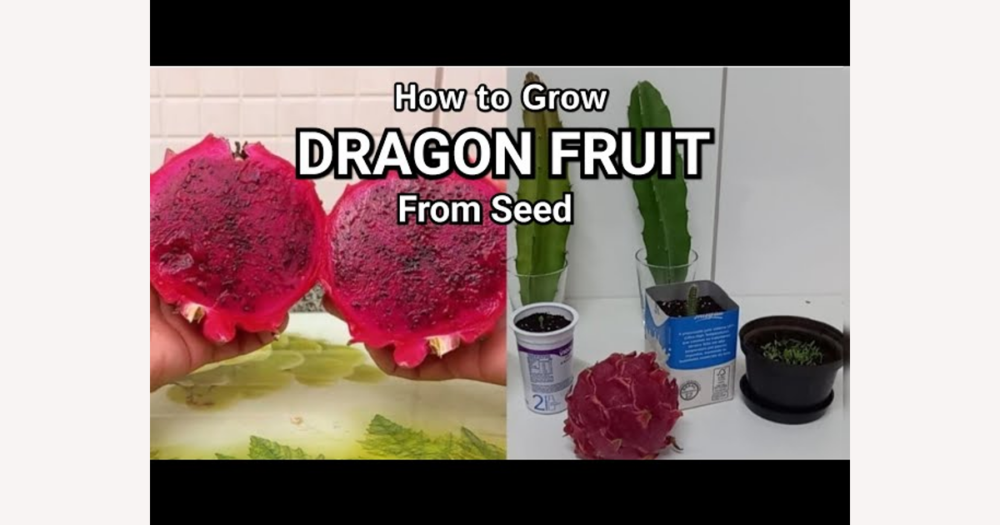
Dragon fruit seeds are easy to find on DHgate and other online marketplaces, but the real challenge is telling which listings and sellers are worth your money. This guide focuses on DHgate-specific checks—reading seed specifications carefully, weighing seller ratings and reviews, and understanding the platform’s buyer protections—so you can judge seed quality and reliability yourself before you place an order.
Where dragon fruit seeds fit into DHgate shopping
High‑quality dragon fruit seeds are widely sold through online marketplaces, including DHgate, though this guide does not point to specific stores, listings, or real‑time inventory. Instead, it uses DHgate as the example platform and focuses on reading seed listings with appropriate caution.
Here, you’ll learn DHgate‑specific checks that matter for dragon fruit seeds: understanding basic seed specifications, interpreting seller ratings and reviews, and knowing what buyer protections apply if something goes wrong with your order. These checks are meant to reduce the chance of wasting money on low‑quality or misrepresented seeds, not to promise perfect germination or eliminate uncertainty, so you can decide for yourself which DHgate listing feels trustworthy enough to try.
Understanding dragon fruit seed types and listing specs
On DHgate, dragon fruit seed listings typically highlight flesh color (such as white, red, or yellow), sometimes a named variety, and a pack size ranging from small trial packets to larger bulk quantities. Many listings also mention where the seeds were produced or which climate they are suited for, giving you a rough sense of origin or growing conditions. These concrete details—quantity, stated variety, and any clear origin or region information—are the parts of the listing you can rely on most when comparing options.
Alongside those specs, you’ll often see broad marketing phrases like “non‑GMO,” “organic,” “premium quality,” or “fast‑germinating.” On DHgate, these claims are usually advertising rather than independently verified attributes, unless the seller provides credible third‑party certification, so they should be treated as soft signals, not guarantees. I would rather pay slightly more for seeds with detailed, coherent specifications—consistent variety naming, clear pack size, and sensible origin notes—than for a vague listing that leans mainly on big promises. Because variety names and spec formats are not fully standardized between sellers, treat them as helpful guides for choosing seeds, not as strict scientific labels that can guarantee identical plants every time.
Practical indicators of seed quality on DHgate
Once you’re familiar with DHgate’s basic specs, ask whether a listing provides enough seed‑level information to trust it. High‑quality dragon fruit seed listings usually describe the variety and flesh color consistently—using the same name and color throughout the title, description, and any images—rather than switching between red, white, or “mixed” without explanation. They also tend to mention how the seeds are stored or packaged, such as being dried and sealed in a moisture‑resistant packet. That at least shows the seller has considered how to preserve seed condition during shipping.
Germination claims are another signal, but they work best when they are realistic instead of perfect. A listing that explains expected germination in general terms—such as noting that rates vary with temperature and handling, or giving a broad range instead of “100%”—usually feels more trustworthy than one that promises guaranteed sprouting with no nuance. I pay more attention when the description acknowledges normal variability and encourages proper storage and planting, because that suggests the seller understands that seeds are living material, not a fixed widget.
Buyer reviews are often the most useful real‑world check you have. Multiple reviews that specifically mention seeds sprouting, seedlings looking healthy, or plants matching the advertised flesh color are more reassuring than a handful of generic comments like “good product” or “fast shipping.” Detailed feedback, sometimes with photos or notes about how many seeds germinated, gives you a better sense of how the seeds behave in practice across different buyers, even though those experiences still vary by climate and care.
At the same time, it’s important to treat every indicator as a way to tilt the odds in your favor, not as proof. Even if a listing looks coherent and many buyers report good germination, your own results can still differ because of factors like temperature, light, watering, and how long the seeds spent in transit. Natural variation within a variety also means that not every plant will look exactly like the photo. That’s why I avoid listings that are vague, inconsistent, or full of absolute promises—“100% germination,” “guaranteed performance,” or dramatic claims with no detail—no matter how tempting the price. On DHgate, clear information and grounded buyer feedback are worth more than big marketing phrases when you’re judging dragon fruit seed quality.
Reading seller reliability signals on DHgate
Quality signals in the listing itself only go so far; the seller behind those seeds matters just as much. On DHgate, I look first at seller‑level indicators like the overall rating score, how many orders they’ve completed, and how long the store has been active. A seller with a solid rating over many transactions, including repeat buyers, generally feels lower risk than a new account with only a handful of sales, even if that newer seller is slightly cheaper.
It also helps to scan patterns in feedback across similar seed listings from the same store. Consistent comments that mention accurate varieties, viable seeds, and timely delivery suggest the seller handles seed orders reliably. In contrast, a mix of complaints about wrong colors, poor sprouting, or missing packets across multiple listings is a warning sign, especially if those issues go unaddressed. I pay attention to whether the seller engages with buyers—answering questions, clarifying descriptions, and updating product information when something is unclear—because that visible responsiveness is valuable when you’re buying something as variable as seeds.
Store policies are another piece of the reliability picture. Clear statements about shipping times, how they handle delays, and what happens if the order doesn’t match the description make it easier to judge whether the seller is prepared to sort out problems. A seller who spells out these terms in plain language and keeps them consistent across listings usually feels more trustworthy than one with vague or contradictory policies.
Because dragon fruit seeds are inherently uncertain, I would rather pay a bit more or wait longer for shipping from a well‑rated, established seller with transparent policies than chase the absolute lowest price from an unproven store. The only time I’d consider a newer or less‑tested seller is for a very small, clearly low‑stakes test order where I’m comfortable with higher uncertainty. Thinking about seller reliability this way helps turn DHgate’s ratings, reviews, and policies into a practical filter, so the seed‑quality indicators you saw in the previous section are backed by a seller whose behavior makes you more confident in placing the order.
A quick checklist before you buy dragon fruit seeds
- Confirm the seed variety, flesh color, and pack size, and make sure the title, description, and any photos describe the same thing consistently.
- Scan the listing for realistic quality and germination expectations, treating absolute promises like “100% germination” or vague claims as marketing rather than guarantees.
- Review the seller’s overall rating, order count, and feedback on similar seed products to see whether buyers report seeds arriving as described and sprouting reasonably well.
- Check estimated shipping times, delivery windows, and fees, and factor in that long international transit can add delays even when the order is shipped on time.
- Read the store policies and DHgate information about refunds and disputes so you know how to contact the seller and what steps to take if the order is late, missing, or clearly not as described.
- Start with a small test order from one listing or seller, then use how that batch arrives and performs to decide whether to reorder more or look for a different option.
A cautious first-order strategy on DHgate
- Begin by narrowing your search to listings from well‑rated sellers whose seed descriptions, colors, and pack sizes are clear and consistent.
- Before paying, double‑check the shipping estimates, total costs, and available refund or dispute options so you understand how long delivery may take and how problems are handled.
- Place a single small test order instead of buying multiple packs or large quantities from a seller you have never used, keeping your first experiment low‑stakes.
- When the seeds arrive, inspect the package for clean, intact wrapping and readable labels, and note whether the seeds themselves look dry, reasonably uniform, and free of obvious damage or debris.
- Use this first batch—including its delivery time, packaging, and any early sprouting results—to decide whether you’d feel comfortable reordering from the same seller or would rather try a different one. If you’re experimenting casually, you can accept more variability, but you should still expect mixed results from any single order.
How DHgate’s buyer protections apply to seed orders
On DHgate, seed orders are supported by several buyer protections that focus on how the order is fulfilled and whether it matches the listing. You can usually track the shipment’s progress, message the seller through the platform, and—if something goes clearly wrong—open a dispute or request a refund within the platform’s timelines.
These processes are most appropriate when there is a concrete issue, such as a package that never arrives, a delay that extends well beyond the stated shipping window, or receiving seeds that obviously differ from what was advertised—for example, a much smaller quantity than listed or seeds labeled as red flesh that arrive mixed with other types. In those situations, the combination of order records, tracking information, and listing text can support your case that the order was not fulfilled as promised.
It’s important to recognize that DHgate’s protections focus on delivery and misdescription, not on how well the seeds perform after you plant them. Germination rates and plant vigor depend on many factors outside the platform’s control, including storage, growing conditions, and your own cultivation choices, so you should not treat buyer protections as a guarantee of gardening success.
For international seed orders, I see understanding these tools—and being ready to use tracking, messaging, and dispute options if needed—as part of responsible buying. They can’t remove all risk, but they give you a structured way to respond when a dragon fruit seed order clearly fails to match the listing or never arrives at all.
Risks and uncertainties when buying dragon fruit seeds online
FAQ: home-saved seeds and variety expectations
Can I just use seeds from a grocery-store dragon fruit instead of buying seeds on DHgate?
You can sometimes sprout seeds taken from a grocery-store dragon fruit, but they are generally more unpredictable than purchased seed lots. Fruit from shops may come from hybrid or mixed plantings, so the seedlings can vary in color, sweetness, and growth habit, and there is no clear record of how the fruit crop was managed for disease or seed quality. If you enjoy experimenting, I would treat grocery-store seeds as a low-stakes project—fun to try, with modest expectations—rather than a reliable way to reproduce a specific variety. When you buy seeds on DHgate, you at least get an explicit variety or color label and a defined pack, even though results are still not guaranteed.
How much can I trust DHgate listings that label dragon fruit seeds by color or variety, like red, white, or yellow flesh?
Color and variety labels on DHgate—such as red, white, or yellow flesh types—reflect what the seller intends to supply, not a guaranteed outcome. Reputable sellers usually try to match their labels to their seed stock, but natural genetic variation, mixed seed lots, and occasional labeling or sourcing errors mean your plants may not match the advertised color or variety exactly. I would use these labels as a guide when choosing between listings and combine them with seller ratings, detailed descriptions, and buyer feedback, while still accepting that you might see some variation in the fruit you eventually harvest.