
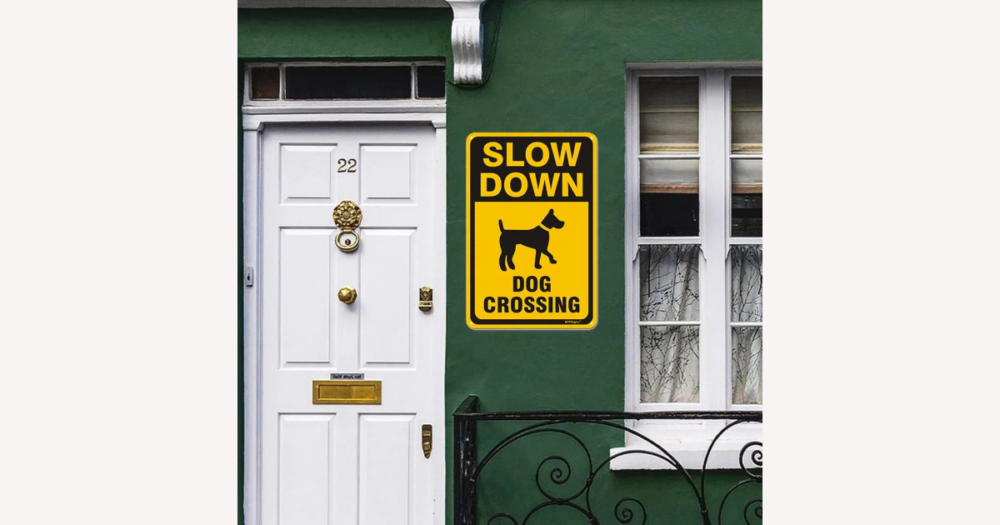
Durable, visible dog crossing signs are widely available on marketplaces like DHgate and other online signage shops, but you’ll get better results by shopping for materials, thickness, visibility features, and seller reliability instead of store names. This guide explains which constructions hold up outdoors and how to combine those specs with DHgate’s buyer tools so you can order a sign that’s easy to see and less likely to disappoint.
Start by shopping for sign quality, not store names
Durable, visible dog crossing signs are easy to find on large marketplaces like DHgate, general e‑commerce sites, and specialty sign shops, so the real challenge isn’t where to buy—it’s what you buy and who you buy from. Instead of chasing store names, treat these signs as outdoor hardware: focus on the material, thickness, rust and fade resistance, visibility features like size, color contrast, and reflectivity, and how reliable the seller appears.
When I choose a dog crossing sign for any area with vehicle traffic, I care most about visibility and durability. I’d rather pay a bit more for a high‑contrast, reflective, rigid sign that will stay readable in sun, rain, and low light than save a few dollars on something flimsy or hard to see. I only consider cheaper, more decorative signs for low‑traffic spots or purely fun displays where performance matters less.
The rest of this guide applies those criteria—materials, construction, visibility features, and seller reliability—to help turn general signage advice into a practical, safer purchase on DHgate or similar marketplaces, without relying on specific brands or storefronts.
Choose materials and construction that survive outdoor use
For long‑term outdoor use, aluminum and aluminum composite are usually the strongest choices for dog crossing signs. Under typical weather conditions they resist rust and corrosion, stay relatively rigid, and are less likely to warp, which makes them well suited to exposed spots like driveways, private roads, and fence lines.
Rigid plastics such as high‑impact polystyrene or similar commercial‑grade plastics can work well for moderate outdoor exposure. They’re generally weather‑resistant and lighter than metal, but they may feel a bit less stiff or prove less long‑lived than a good aluminum or composite sign, especially if they’re very thin or placed where they can flex in the wind.
Vinyl decals or stickers rely entirely on the surface you apply them to, and they’re more prone to peeling, bubbling, or fading over time. They can be useful for short‑term markings or decorative reminders, but for a driveway or frequently used path they’re best treated as a secondary option rather than your main safety sign.
Whatever material you pick, look for a reasonably thick, rigid construction—often described as commercial‑grade or similar—rather than an ultra‑thin sheet that can bend easily. Under normal outdoor conditions, thicker and stiffer signs combined with UV‑resistant printing or coatings will generally hold up better, without promising a specific lifespan or performance in extreme environments.
Pick visibility features that drivers can’t miss
Once you know the sign will survive outdoors, focus on whether drivers can actually see it. Larger panels are easier to spot from typical driving distances than small plaques, and familiar traffic-style shapes like rectangles or diamonds tend to catch the eye because they resemble standard warning signs.
High color contrast is just as important. Bright backgrounds—often yellow or another vivid color—paired with dark dog graphics and simple, bold lettering stand out quickly, while pale backgrounds, thin fonts, or busy artwork blend into the scenery. Clear symbols of a dog and crossing icons help people understand the message at a glance, even if they don’t read every word.
For night or low-light conditions, reflective finishes or sheeting make a big difference. When headlights hit a reflective dog crossing sign, its colors and graphics pop compared with a non-reflective print, which can stay dull and hard to read after dark. You don’t need to chase a particular standard number; just treat reflectivity as a practical upgrade anywhere cars move after sunset.
Put it together and highly visible designs are typically large, high-contrast, and reflective. In contrast, small, low-contrast, non-reflective signs are much easier to overlook, and they’re better reserved for decorative use or very slow-speed areas where performance matters less.
Match sign specs to where you’ll install it
- Define where the sign will be installed. A garden fence, house exterior, private driveway, parking area, or spot near a road all present different traffic speeds and exposure. The faster and busier the area, the more robust and attention-grabbing the sign needs to be.
- Choose material and thickness to match that environment. For driveways and private roads, I would favor aluminum or aluminum composite in a reasonably thick, rigid gauge; for moderate exposure around yards or parking areas, a sturdy rigid plastic may be enough; decals are best kept for low-stakes surfaces or purely decorative reminders.
- Select visibility specs based on how far away people need to notice the sign. In areas where drivers approach at speed, go larger, use bright high-contrast colors, clear dog and crossing symbols, and a reflective finish; for close-up pedestrian use, a smaller non-reflective sign can still work if the design is bold and legible.
- Confirm mounting details before you buy. Check for pre-drilled holes, rounded corners, and whether the sign is designed to attach to posts, fences, or walls. Match those features to whatever hardware you already have or plan to install, without assuming an exact setup like a specific post size or bracket type.
- As a rule of thumb, in higher-speed or busier areas I would choose sturdier, larger, reflective signs even if they’re plainer or more expensive, and reserve lighter or decorative options for slow-speed zones or mostly aesthetic placements where absolute visibility is less critical.
Decide between heavy-duty and decorative dog crossing signs
For dog crossing signs, performance-focused options are built like outdoor hardware: rust-resistant aluminum or aluminum composite, a substantial rigid thickness, and high-contrast graphics on a larger panel, often with a reflective finish. These signs are designed for drivers to notice quickly from a distance and to keep their shape and legibility after years of weather exposure.
Decorative signs, by contrast, are usually about appearance first. They might be wood, thin metal, or novelty designs, often smaller and non-reflective, with playful graphics that work better as porch, garden, or fence decor than as serious warnings at speed. They can be perfectly fine where people move slowly and see the sign up close, but they are easier to miss from a car.
If you’re placing a sign on a driveway or private road with regular vehicle traffic, heavier-duty, highly visible signage is usually worth the extra cost and simpler look, because drivers need enough time to see and react to the message. In garden areas, porches, or low‑traffic paths where the sign is mostly for charm or a gentle reminder, a decorative style is often adequate and can suit the surroundings better.
Personally, anywhere a driver’s reaction matters, I would choose the performance-focused category every time, even if it means a plainer design and a higher price. I only lean toward decorative dog crossing signs when the purpose is mainly visual character or a light nudge for slow-moving visitors rather than a true safety signal.
Use DHgate’s marketplace safeguards to reduce risk
DHgate is an online marketplace where many independent sellers list products, including hardware-style items such as dog crossing signs. When you place an order, you’re using the DHgate platform but buying from an individual seller rather than a single centralized store.
To reduce risk, DHgate typically provides marketplace-level tools like seller ratings and reviews, order records, and dispute or refund mechanisms that help document transactions and give you a way to raise issues if an item doesn’t match expectations. These features can be useful when you’re ordering signs from lesser-known or overseas sellers.
However, platform safeguards are general protections, not guarantees that any specific listing or seller is reliable. They don’t replace careful spec checking, and they can’t turn a vague or poorly documented sign listing into a clear, trustworthy purchase on their own.
For dog crossing signs in particular, it makes sense to combine DHgate’s marketplace tools with the sign-quality criteria you’ve already defined: use ratings, order history, and dispute channels to support your purchase, but only order from sellers whose listings spell out material, thickness, size, and visibility features clearly enough that you know what you’ll receive.
Checklist: vetting dog crossing sign sellers on DHgate
- Check the seller’s overall rating and the number of completed transactions to gauge their experience and past buyer satisfaction.
- Read several recent reviews, focusing on whether products matched the description and how actual shipping times compared with expectations.
- Inspect listing photos and text for clear dimensions, material descriptions, thickness details, and any mention of reflectivity so you know whether the sign will be rigid, sizable, and visible enough.
- Confirm the stated shipping methods, estimated delivery time, and any notes about packaging so you understand how and when the sign is likely to arrive.
- Look for information about returns, refunds, or dispute resolution through DHgate so you know what options you have if the sign arrives damaged or significantly different from the listing.
- Remember that these checks are general best practices that reduce the chance of unpleasant surprises but cannot guarantee outcomes for any particular seller or order.
Avoid common spec and listing pitfalls
FAQ: quantity, sign features, and handling DHgate order problems
How many dog crossing signs make sense for a long driveway or private lane?
There’s no universal rule, but more than one sign usually improves awareness. As a practical pattern, place at least one sign far enough before the crossing that drivers have time to notice and react, and another closer to the area where dogs actually cross. On longer lanes, you can add extra signs where sightlines are limited by curves, hills, or trees so there’s always a clear warning in view as people approach.
Are double-sided dog crossing signs worth it?
Double-sided signs are useful on posts or poles where vehicles or pedestrians approach from both directions, because the message is visible no matter which way traffic flows. They’re especially helpful on private roads, shared driveways, or paths that carry two-way movement. If your sign will be mounted flat to a wall or fence that people only see from one side, a single-sided design is usually enough.
What should I do if a dog crossing sign ordered from DHgate arrives damaged or very different from the listing?
Start by keeping all packaging and taking clear photos of the damage or mismatch, including the sign, box, and any labels. Then contact the seller through DHgate’s messaging system so there’s a record of the issue on the platform, and follow DHgate’s process for disputes or refund requests if you can’t resolve it directly with the seller. Avoid trying to sort everything out entirely off-platform, and don’t assume a particular outcome—platform tools are there to help document and handle problems, but each case is assessed on its own details.
Do I need to worry about local rules when installing dog crossing signs near public roads?
Yes. Official traffic signs in the United States follow standards such as those compiled in the Manual on Uniform Traffic Control Devices (MUTCD), and many local authorities have rules about placing any signs that look like traffic control devices on or near public roads. A novelty “dog crossing” sign for your yard or private drive may be fine, but if you plan to install signage close to a public street or in a way that resembles official warnings, check local regulations or consult the relevant authority first instead of assuming it will be treated like standard traffic signage.
How do solid sign-quality criteria and DHgate buyer checks fit together in practice?
Treat sign specifications and marketplace checks as two sides of the same decision. First define what you need—durable material, adequate thickness, high-contrast graphics, and any reflective finish that suits your location—then look for DHgate listings that clearly state those details. At the same time, use seller ratings, reviews, shipping information, and DHgate’s dispute or refund tools to reduce risk if something goes wrong. Combined with a quick check of local rules for signs near roads, this approach makes it easier to choose dog crossing signage that both performs well and is backed by a transparent buying process.