
If you’re launching a soap business, the real decision isn’t “What’s the single best platform?” but “Which type of platform fits how I want to run my shop?” DHgate is one example of a global marketplace that emphasizes built‑in buyer traffic, standardized seller protections, and clear payment and dispute processes, while craft marketplaces, independent e‑commerce sites, and social commerce give you different mixes of reach, fees, and control. This guide explains how those platform types differ and what to check—especially around seller accounts, payments, shipping, and refunds—before you commit.
Main ways to sell soap online and how they differ
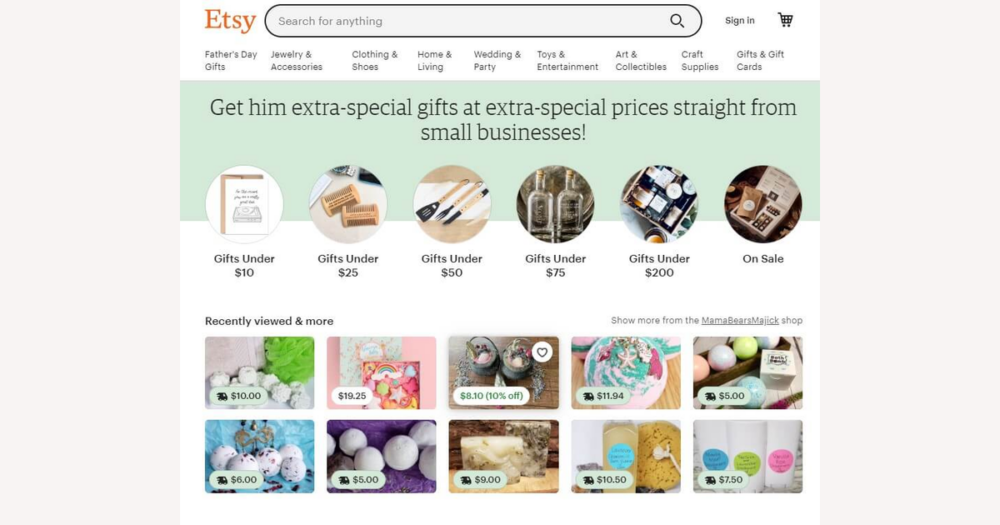
There isn’t a single “best” place to sell soap online; there are a few predictable platform types, and each one trades reach for control in a different way. Global marketplaces like DHgate or large general platforms bring significant built‑in buyer traffic and standardized rules. You work inside their fee structures, listing formats, and policies, and you have limited control over branding and store policies, but you gain clear processes for orders, payments, and disputes. Craft-focused marketplaces (similar to Etsy-style sites) usually attract shoppers already interested in handmade goods, offer moderate tools for customizing your shop’s look, and still charge platform fees and enforce their own product and conduct rules. Independent sites built with e‑commerce tools (such as using a store builder on your own domain) give you the most control over design, pricing, and policies, but they provide almost no built‑in traffic—you are responsible for marketing, payment setup, and compliance. Social commerce options let you sell directly through social platforms’ shop features; they can tap into your existing followers but often have simple, template-like storefronts and evolving rules and fees. DHgate fits firmly in the global marketplace category: it favors international reach, standardized processes, and platform-defined rules over deep customization of your own brand experience, which can be an advantage if you want structured support more than full design freedom.
What running a soap shop on DHgate looks like
Running a soap shop on DHgate starts with opening a seller account and passing basic checks. You typically register with your contact and business details, then provide documents that confirm your identity and, where required, your business status. DHgate uses these checks to protect both buyers and sellers, and you should expect that missing or inaccurate information can delay or limit your ability to list products until it’s resolved.
Once your account is set up, you create soap listings within the categories DHgate provides. Each listing normally needs clear titles, descriptions, prices, images, and any relevant variants such as scent, bar size, or bundle quantity. Like other global marketplaces, DHgate maintains rules about what can be sold and how it is described, including a list of banned or restricted products and ingredients. Because policies and local regulations change, you must confirm directly on DHgate whether your specific soaps, additives, and cosmetic claims are allowed, and follow any requirements around safety statements, labeling, or documentation before publishing listings.
Payments on DHgate follow a marketplace-style flow: the buyer pays the platform using one of the supported payment methods, the funds are held while the order is processed and delivered, and DHgate releases payment to you once certain conditions are met (for example, confirmed shipment or receipt, or the end of a protection period). Platform fees are deducted from the payout according to DHgate’s current fee schedule, so your cash flow depends on how quickly you ship, how long delivery takes, and how soon orders are confirmed. As a seller, you need to monitor your balance, expected payouts, and fee impact on your margins, and keep a financial buffer because money is not usually released immediately on the day of purchase.
For shipping, DHgate-style marketplaces generally expect you to choose shipping methods, set or confirm shipping costs, and provide tracking details once you dispatch an order. The platform may integrate with common carriers, show estimated delivery times to buyers, and track whether you meet shipping and delivery expectations. Late shipments, missing tracking, or repeated delivery problems can affect your store metrics and, in some cases, your account status. If you sell soap, you also need to design packaging that protects the product in transit and complies with any carrier or destination-country rules, because damaged or leaking parcels can quickly lead to complaints or disputes.
Disputes, returns, and refunds on DHgate are governed by platform rules rather than your own custom policy. When a buyer reports an issue—such as not receiving an order, receiving damaged goods, or claiming the product differs from the listing—DHgate can ask both sides for evidence, including photos, tracking information, and message records. The platform then follows its procedures and timeframes to decide whether to refund the buyer, require a return, or uphold the transaction. These outcomes can affect your funds, your store rating, and in serious cases your ability to keep selling. Practically, this means you need to communicate clearly in DHgate’s messaging system, keep accurate order and shipping records, and align your handling times, packaging, and product descriptions with the platform’s policies. For many new soap sellers, that structure—clear rules for payments, shipping standards, and dispute handling—can be helpful, but it also means you must study DHgate’s current seller terms and fee pages before opening a shop so you know exactly how those rules will shape your day-to-day operations.
DHgate vs craft marketplaces and your own site
Once you’ve seen how a DHgate-style account works, the main choice is between three broad platform types: global marketplaces like DHgate, craft or handmade marketplaces, and independent sites you build yourself with e‑commerce tools. All three can host a soap business, but they differ sharply in fees, audience, branding freedom, and how hard you have to work to bring in traffic.
Global marketplaces such as DHgate usually rely on commissions and transaction fees, and may add listing or service fees in some categories. In return, they provide substantial built‑in buyer traffic, standardized listing formats, and clear rules for orders, payments, shipping, and disputes. You have limited control over store design and policies—your soap shop lives inside the marketplace’s framework—but you benefit from established protections and processes. For a new soap seller without much existing audience, that tradeoff often makes sense: you accept the platform’s fees and constraints in exchange for exposure and predictable mechanics.
Craft or handmade marketplaces tend to charge listing fees and transaction or commission fees, sometimes alongside optional subscription tiers. They bring a more targeted audience of shoppers who already care about handmade goods, and they usually offer a bit more room for branding—shop banners, story sections, and curated collections—while still enforcing their own product rules and community standards. You still rely on the marketplace for traffic, but competition within a niche can be intense, and you must fit your soap branding into their templates and policies rather than writing all the rules yourself.
Independent sites built with tools like hosted store builders or self‑managed e‑commerce plugins shift the tradeoff. You may pay subscription and payment processing fees instead of marketplace commissions, and you gain maximal control over your store’s design, product presentation, and policies. However, there is essentially no built‑in audience: you must drive visitors through your own marketing, content, and SEO, and you are responsible for choosing payment gateways, setting shipping methods, and handling customer issues within the law and any provider agreements. For a soap seller, that level of control is powerful only if you already have some demand or are ready to invest serious time and money into promotion and operations.
Personally, I would usually start a new or low‑audience soap business on a marketplace that offers clear protections, stable traffic, and transparent rules—DHgate‑style global marketplaces or a well‑run craft marketplace—rather than jumping straight into a completely independent site. Marketplaces help you learn how your soaps perform, how fees affect margins, and how buyers respond to your listings before you take on full responsibility for attracting traffic and managing every aspect of payments and disputes. Independent sites become more attractive once you have repeat customers, a recognizable brand, and the capacity to handle marketing and operational complexity yourself. In every case, actual profitability and traffic depend on your specific products, prices, and audience, so treat these patterns as structural differences rather than promises of income.
Steps to vet a platform’s seller account before you join
- Review fee documentation. Find the platform’s official seller fee and help pages, and list every relevant cost: listing fees, transaction or commission percentages, subscription charges, payment processing or currency conversion fees, and any optional service costs. Sketch how those fees would apply to a typical soap order—product price, shipping charge, and expected payout—so you can see how much margin you are likely to keep.
- Confirm that soap and related bath products are allowed. Search the platform’s product guidelines and restricted items list for soap, cosmetics, and bath goods. Check for ingredient rules, labeling requirements, and limits on claims (for example, therapeutic or medical language). Because these policies differ by platform and can change, treat what you read today as the current rules and plan to recheck them directly before publishing new formulas or marketing statements.
- Check seller onboarding and verification requirements. Look at what information the platform needs to open and maintain a seller account: identity documents, business registrations, tax IDs, bank account details, and any minimum performance or compliance standards. Make sure you are comfortable providing this documentation and that your business structure matches the platform’s expectations for soap or cosmetic sellers.
- Evaluate payment options and payout rules. Identify the payment methods buyers can use and how payouts reach you (for example, bank transfer or wallet). Note how long funds are typically held before release, what happens if an order is cancelled, and how disputes or chargebacks affect your balance. Choose platforms whose payment timelines and rules fit your cash‑flow needs and your tolerance for funds being temporarily locked during issue resolution.
- Assess shipping tools and expectations. Review which carriers and shipping services the platform supports, whether you can buy labels through the marketplace, and how delivery estimates and tracking are shown to buyers. Check any packaging and tracking requirements, and whether you or the platform set shipping rates. For soap, consider how these tools will work with protective packaging, weight‑based pricing, and any international restrictions on cosmetic products.
- Read dispute, refund, and chargeback policies carefully. Look at how buyers open cases, what evidence you must provide (photos, tracking, messages), how decisions are made, and how outcomes affect your funds and account status. Pay attention to deadlines for responding and any situations where the platform may refund buyers from your balance. Keep notes for each platform—fees, product rules, payments, shipping, and disputes—so you can compare options side by side. Following these steps won’t guarantee perfect results, but it will greatly reduce unpleasant surprises and help you choose a selling environment that matches your comfort level with risk and responsibility.
Pitfalls to watch for when choosing where to sell soap
Checklist: match platform types to your soap business
- Budget and fee tolerance. If your monthly budget is tight and you need predictable costs per order, lean toward marketplaces (including DHgate) or craft platforms with transparent fee tables and no heavy upfront subscriptions. If you can absorb higher fixed costs in exchange for keeping more of each sale, an independent e‑commerce site may make more sense once demand is steady.
- Desired reach: local, national, or international. If you mainly want local or national buyers for small batches, craft marketplaces or a simple site you promote yourself can work well. If you want international customers and cross‑border logistics handled within a standard framework, a global marketplace like DHgate is usually a more practical starting point.
- Comfort with packaging, shipping, and customer service. If you prefer platforms that guide you through labels, tracking, and delivery expectations—and help structure how disputes are handled—start with marketplaces that integrate carriers and set clear rules. If you are comfortable designing your own packaging standards, choosing carriers, and managing every customer interaction, you can take on more responsibility with an independent store.
- Importance of branding control. If full control over your site’s look, messaging, and policies is a top priority, you will eventually want an independent e‑commerce site on your own domain. If you are willing to work within marketplace templates and rules in exchange for built‑in traffic and buyer trust, global and craft marketplaces are a better fit, especially early on.
- Existing audience you can direct to a shop. If you have little or no audience yet—no email list, modest social following, few repeat local customers—I would generally start on a marketplace with clear rules and seller protections, because you’re less dependent on your own marketing. If you already have a meaningful audience that will follow you to a dedicated site, and you’re ready to manage payments, shipping, and disputes yourself, shifting more volume to an independent store becomes a stronger option.
How payments and shipping work across platform types
For payments, marketplaces such as DHgate-style platforms usually rely on built‑in gateways: buyers pay the platform, funds may be held until certain order stages, and standardized dispute procedures govern refunds and chargebacks. This can simplify setup for a soap seller, because you follow the marketplace’s rules rather than configuring your own gateway, but you also accept its payout schedules, currency handling, and evidence requirements if a buyer raises a complaint.
On an independent e‑commerce site, you choose your own payment processors and wallets. That gives you flexibility over which methods to offer and how fees are structured, but it also means you are directly responsible for gateway contracts, fraud checks, chargebacks, and compliance. Social commerce sits somewhere in between: some platforms route payments through their own tools, while others connect to external e‑commerce services, so you need to read how each one treats payouts, disputes, and seller obligations before relying on it for soap orders.
Shipping follows a similar pattern. Marketplaces often integrate carrier tools, encourage or require tracking numbers, and set expectations for delivery windows and basic packaging standards. Independent sites and many social commerce setups require you to choose carriers, define regions and rates, and manage labels, drop‑offs, and updates more manually or through plugins. Whatever platform you use, protect yourself by keeping clear documentation: order details, payment confirmations, invoices, tracking numbers, delivery proofs, and all messaging with buyers. These records support you if a dispute, refund request, or chargeback arises, and they should remain part of your platform-vetting process and your day‑to‑day routine once you start selling.
FAQs for new soap sellers choosing an online platform
Can I list both finished soap bars and DIY kits or supplies on the same platform?
Many platforms allow you to list different product types—finished soaps, gift sets, and DIY kits or supplies—but they may treat them as separate categories with different rules. For example, finished cosmetic products can face requirements around ingredients, labeling, and claims, while kits or raw materials may fall under general merchandise with fewer restrictions. Always read the platform’s current product guidelines, restricted-item lists, and any cosmetic or chemical policies to confirm what is allowed, how each product type must be described, and whether you need extra documentation before publishing listings.
What should I consider when selling to international buyers on global marketplaces like DHgate?
Selling to international buyers on a global marketplace can expand your reach but adds complexity. You need to account for longer shipping times and higher costs, packaging that can survive long transit, and customs rules in destination countries—especially if soap is treated as a cosmetic or chemical product. Clear communication about delivery windows, tracking, and what buyers should expect is crucial, and you should check the platform’s cross‑border selling guidance for any country‑specific restrictions, required documentation, or prohibitions. Because policies and import rules change, rely on the marketplace’s latest help pages and, where needed, official carrier or customs information before offering international shipping.
How can I move from starting on a marketplace to adding my own site or social commerce presence later?
A common path is to begin on a marketplace with clear rules and built‑in traffic, then gradually add an independent site or social commerce once you understand your buyers and operations. You can reuse what you learn—typical order sizes, popular scents, fee and shipping impacts, and common customer questions—to design your own store, choose payment gateways, and set policies that fit your real experience. When you add new channels, make sure your terms, pricing, and product information stay consistent with any platform rules you still operate under, and confirm in each platform’s current policies that off‑platform promotion, external links, and multi‑channel selling are permitted. Scale only as fast as your capacity to manage payments, shipping, and disputes across all your sales channels.