
Online Furniture Platforms: Price, Risk, and Best Uses

See how retail sites, marketplaces, outlets, and cross-border platforms differ for buying and sourcing furniture and decor, and which model fits your needs.
See how retail sites, marketplaces, outlets, and cross-border platforms differ for buying and sourcing furniture and decor, and which model fits your needs.

See how DHgate fits into your options for buying treasure boxes from Australia, and compare materials, size, design, price and policies across marketplaces to avoid surprises.

Learn when Payoneer’s multi-currency accounts and marketplace integrations truly help with DHgate-style cross-border payments, and when simpler wallets are enough.
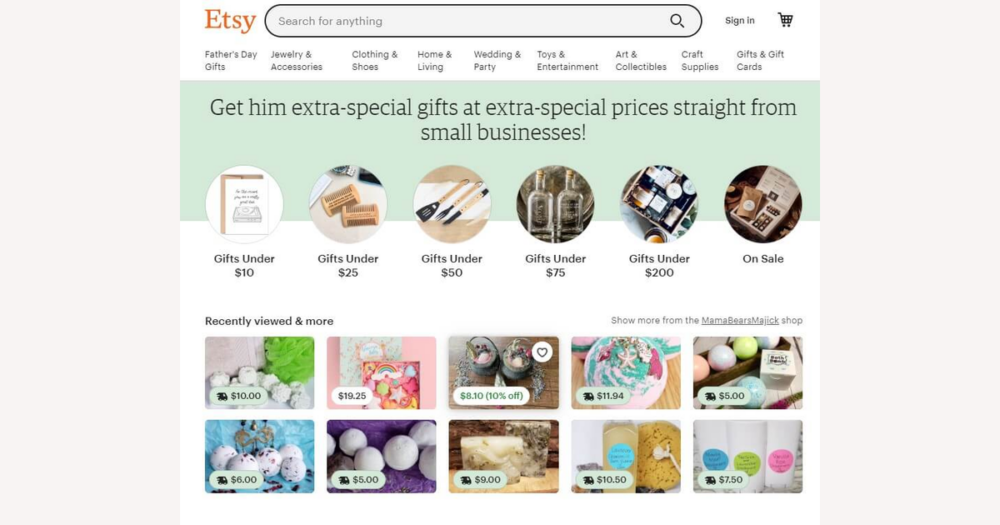
Learn how DHgate compares with other ways to sell soap online, including craft marketplaces, independent e‑commerce sites, and social commerce, and the tradeoffs each platform type involves across reach, fees, rules, and control.
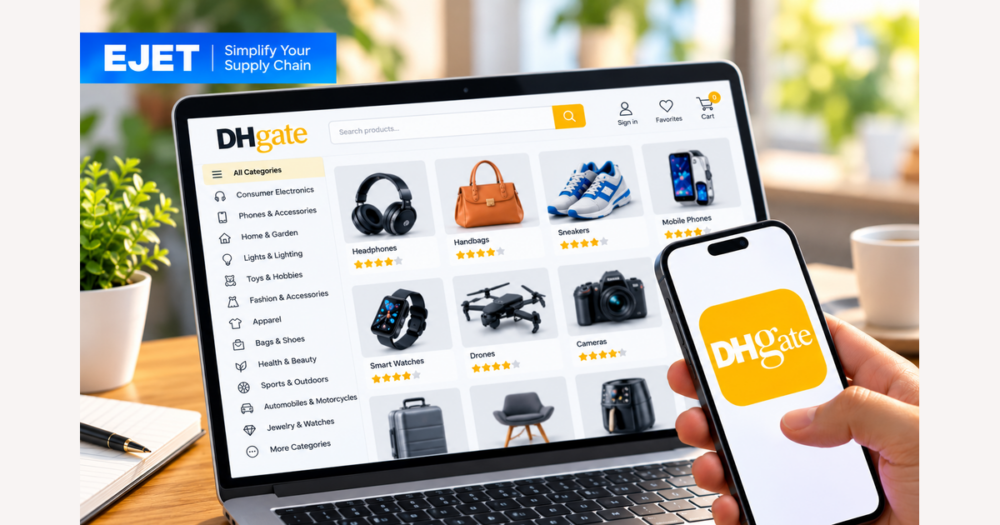
Learn how to judge whether an online market app like DHgate fits your shopping needs by focusing on seller reliability, listing details, payment security, shipping, and dispute/refund protections instead of popularity lists.

Learn how online marketplaces and classifieds in Uzbekistan and Kazakhstan are structured, including where DHgate fits as a global cross-border platform rather than a local classifieds site.
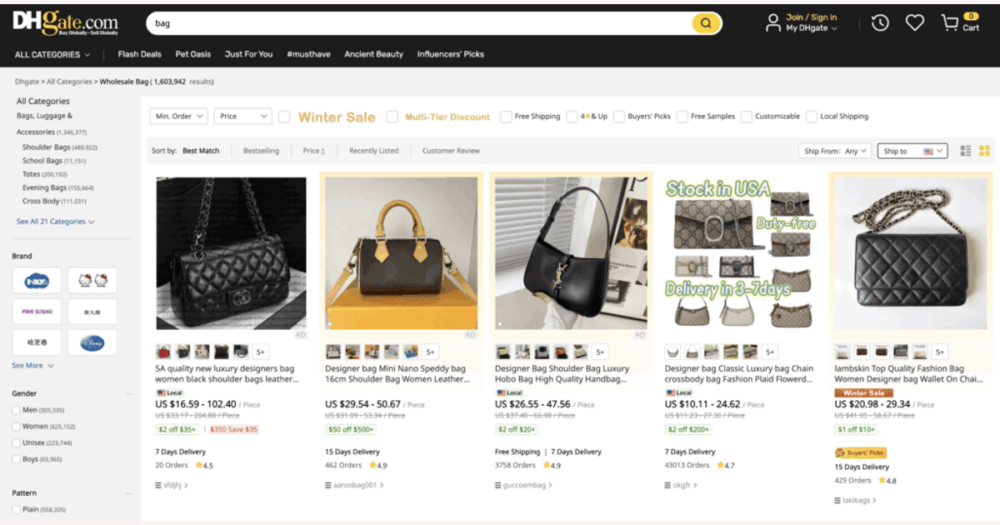
Learn how DHgate works as a multi‑seller marketplace for gingham handbags, and understand how its ordering, payment, shipping, and dispute processes compare conceptually with platforms like Etsy and Amazon.
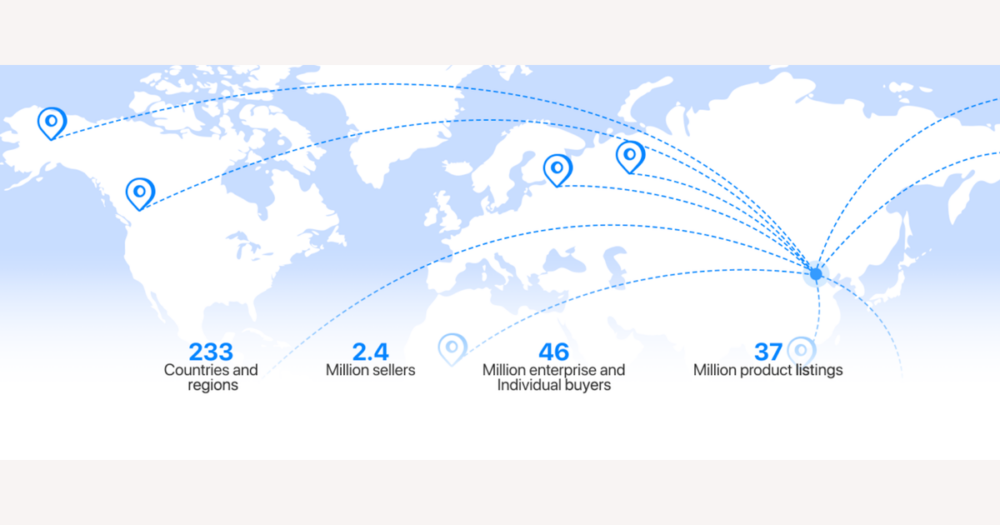
Learn how DHgate’s role as a global cross‑border marketplace compares to local marketplace and community platforms, and what buyer checks matter when using it to explore small or niche businesses.
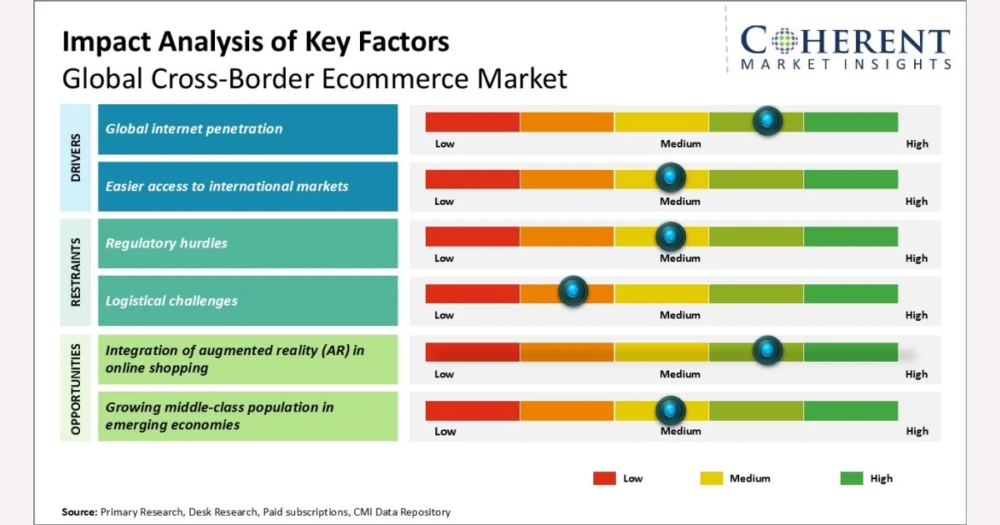
Learn how Etsy’s UK-facing marketplace of independent creative shops differs structurally from DHgate’s cross-border catalogue-style platform, and why that means treating each Etsy shop as its own mini-business when you research orders, shipping and policies.
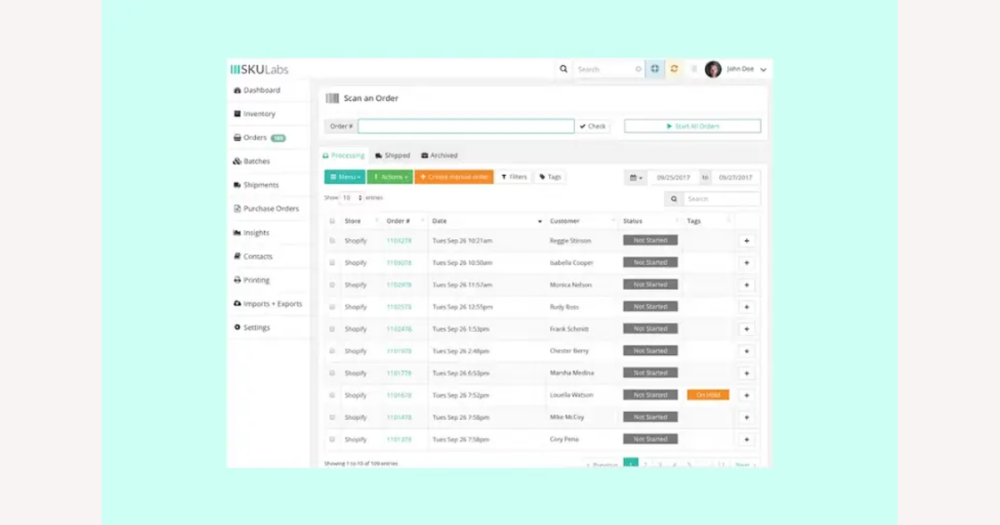
Learn how DHgate sellers can evaluate eBay inventory management software by focusing on core pillars like stock tracking, listing control, order and return handling, and pricing/reporting instead of flashy extras.