
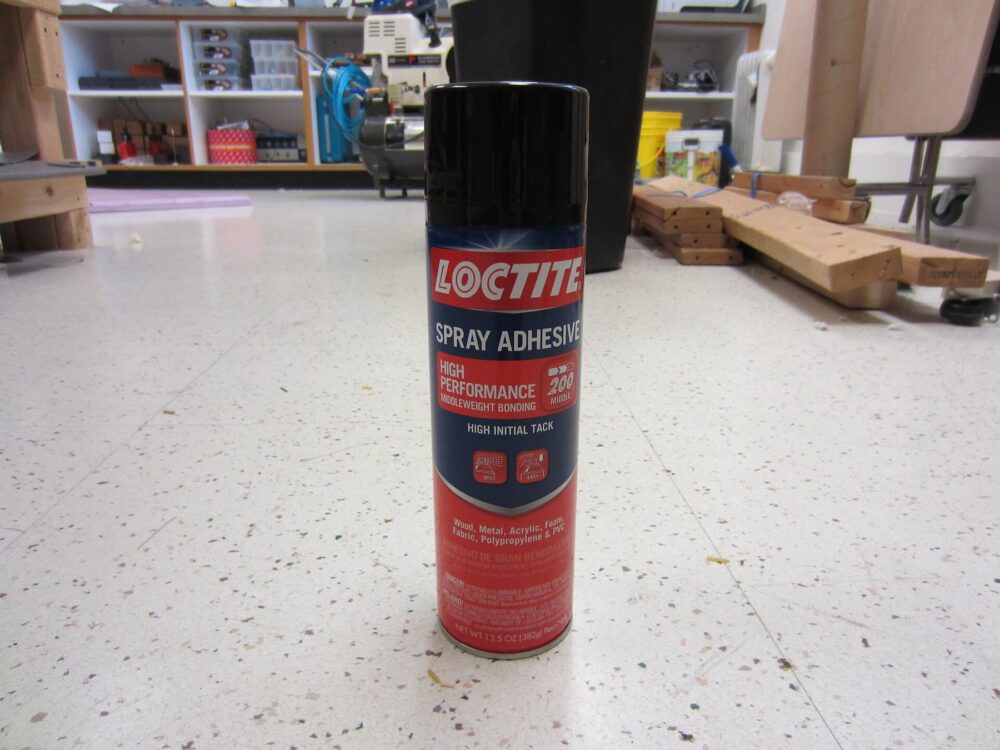
If you’re buying Loctite adhesives and primers in Canada—especially industrial primers/activators like SF 770 or other surface prep products for instant adhesives—you’ll mostly be shopping through Canadian industrial distributors, North American catalogues, or large retailers. Unit prices tend to be mid-range: not bargain-bin, but not specialty-chemistry expensive either. Your real cost swings come from shipping, minimum order quantities (MOQs), and cross-border fees, not the sticker price on the bottle.
Industrial Loctite grades (anaerobic threadlockers, cyanoacrylates, epoxies) and separate surface primers are sold as distinct SKUs in industrial-style packaging through distributors and catalogues rather than only consumer retail. Henkel’s Loctite brand in Canada spans instant glues, epoxies, anaerobic adhesives and surface treatments for metals and plastics, so expect a wide range of formats and prices rather than one “Loctite cost.” Henkel’s Canadian overview of the brand at LOCTITE® | Henkel Adhesives shows just how broad that portfolio is.
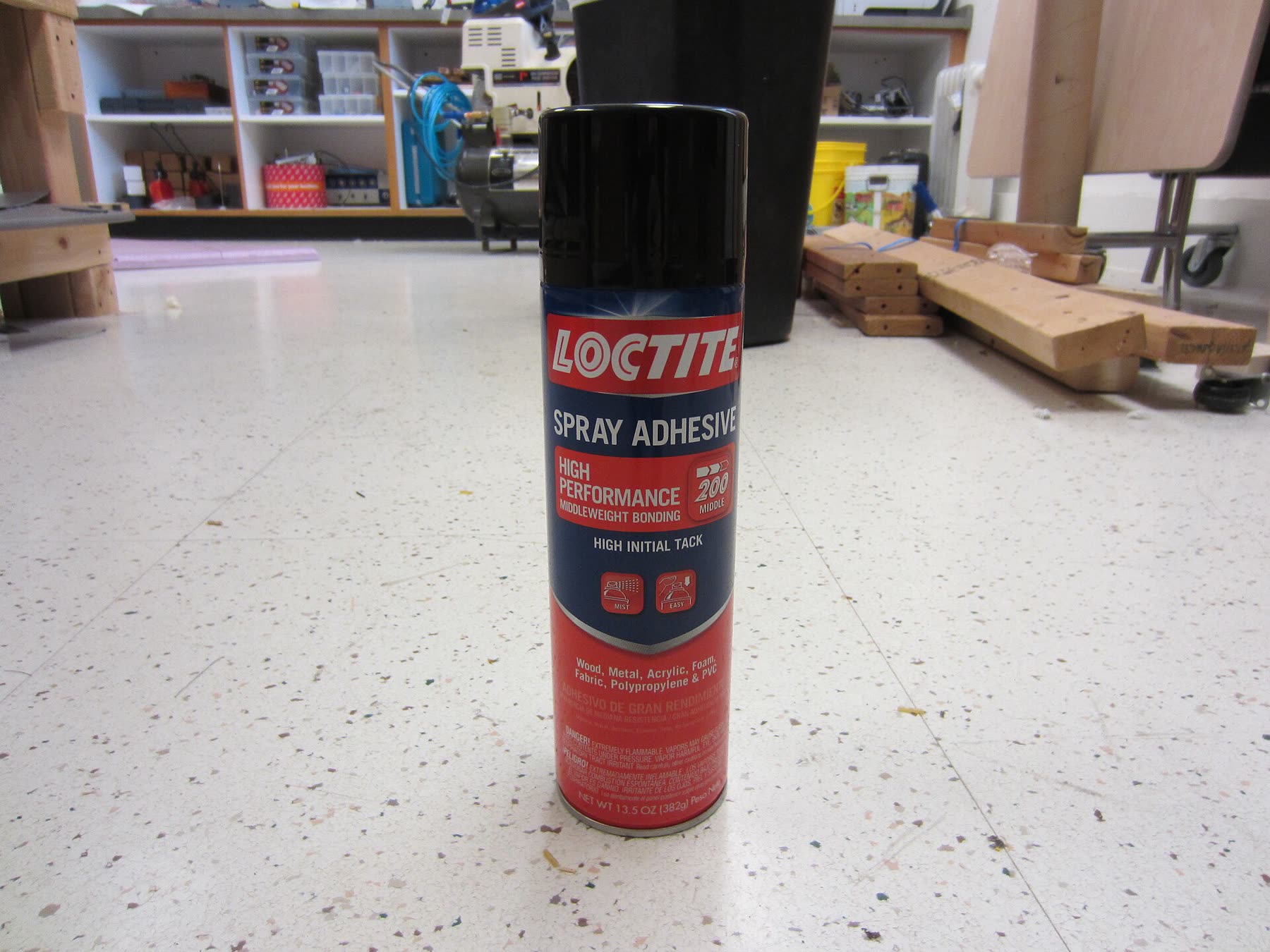
What Loctite Adhesives & Primers Cost in Canada
For a small shop or ecommerce business, the practical question is whether Loctite fits your budget per job.
Broadly:
- Consumer super glues and construction adhesives (small tubes, cartridges) are usually priced like mid-tier hardware-store brands—fine for repair work but rarely economical if you’re relabeling or using them in production.
- Industrial cyanoacrylates and anaerobic adhesives ordered via catalogues such as Loctite® Glue Adhesives | McMaster-Carr sit in a mid-range price bracket. You’re paying for consistent performance, packaging that suits production, and access to many chemistries.
- Adhesive primers and activators (like Loctite SF 770 for low-energy plastics) are separate SKUs sold in small bottles or cans through industrial channels. Distributor categories such as Loctite | Adhesive Primers show that these are treated as distinct products, often with higher per-millilitre cost than basic glues because they’re specialty consumables.
The sticker price is only part of what you’ll pay. Your landed cost per unit typically breaks down into:
- Product price (base Loctite SKU cost)
- Shipping or freight (ground courier vs LTL, remote-area surcharges)
- Taxes and, for cross-border orders, duties and brokerage
- Currency conversion if you’re paying a US catalogue in USD
For small Canadian buyers, the difference between “reasonable” and “surprisingly expensive” Loctite often comes from these extras, not from Henkel’s list price.
A quick example cost breakdown
Imagine a small batch order for production:
- 10 bottles of industrial cyanoacrylate
- 2 cans of Loctite plastic primer
- 6 cartridges of construction adhesive
From a Canadian distributor, you might see mid-range unit prices plus modest ground shipping within your province and GST/HST. From a US-based catalogue, the unit price could look similar—but currency, freight, and duties quickly add up, especially on chemical products that don’t ship cheaply.
Why Prices Vary: MOQ, Shipping Method, and Order Mix
If you’re puzzled by why Loctite quotes don’t line up between suppliers, there are three main levers: how much you buy, how it ships, and what’s in the mix.
Industrial vs retail and MOQs
Industrial distributors often treat Loctite as a production chemical, not a consumer glue. That translates into:
- Minimum order quantities or case packs. You may need to buy multiples of a bottle or case when ordering primers or industrial adhesives, especially from North American catalogues like McMaster-Carr’s Loctite selection. That can push you into buying more than you need if you only have occasional jobs.
- Volume price breaks. Unit prices typically drop once you hit a certain quantity tier. For a small business, ordering just under that break point can mean you pay a noticeably higher per-unit cost than a bigger shop.
Retail channels—local hardware or home improvement stores—tend to sell single tubes or bottles with no MOQ, but with fewer industrial primers and a narrower range of SKUs.
Hazmat treatment and shipping method
Some adhesives, activators, or primers may be treated as hazardous for transport. Distributors often bake that into their options:
- Ground-only shipping, which limits carrier choices and can raise freight for remote Canadian addresses.
- Extra handling fees or the need to consolidate shipments.
For small orders, those fixed fees can dwarf any per-bottle saving you see by shopping cross-border.
Order mix and payment terms
Your basket composition matters:
- Combining several Loctite consumables into one order helps amortize freight and fees.
- Paying in CAD versus USD affects your real cost once your bank’s FX spread is included.
- Prepay credit-card orders vs invoice terms may change what discounts a distributor offers.
Thinking about these factors in advance lets you shape your order to the pricing structure rather than getting surprised later.
Choosing a Sourcing Channel and Cutting Your Landed Cost
You have several realistic channels for Loctite adhesives and primers into Canada. Each has a different cost profile.
Main channel types for Canadian buyers
The table below compares the main channels in terms of how they typically handle Loctite adhesives and primers for small Canadian buyers.
| Channel type | Typical Loctite offering | Cost pattern for small Canadian buyers |
|---|---|---|
| Canadian industrial distributors/catalogues | Broad Loctite range, including industrial adhesives and primers, with CAD invoicing | Mid-range unit prices, predictable pricing, no FX; shipping and taxes are straightforward within Canada |
| US/North American online catalogues | Very wide SKU range with strong technical documentation, including primers and activators | Similar base prices but FX, duties, and higher freight can raise landed cost for Canadian deliveries |
| Big-box / hardware retail in Canada | Mainly consumer Loctite glues and construction adhesives in small packs | Higher per-unit cost but easy single-unit purchases and local pickup; limited access to industrial primers |
| Global marketplaces | Mixed-brand adhesive listings; Loctite-branded items may appear alongside generics | Sticker prices can look attractive, but buyers must independently verify brand authenticity and calculate shipping, duties, and import costs before comparing with traditional channels |
If you need specific industrial primers (e.g., for bonding low-energy plastics with instant adhesives, as with Loctite SF 770 described in Loctite Primers & Activators | Finer Power Transmissions), Canadian distributors and catalogues that explicitly list “adhesive primers” are usually the most straightforward route.
US catalogues can be appealing if a specific Loctite SKU isn’t readily available in Canada or you need technical variants in a hurry. Before you jump, factor in currency, duties, and the possibility that adhesive and primer products ship under stricter rules, which can boost freight.
Marketplaces like DHgate sit more on the exploratory end of the spectrum for this type of purchase. You may find adhesive listings, but to keep your landed cost predictable and reasonable you should:
- Check seller documentation and product descriptions carefully to confirm the brand and type.
- Compare the total of item price, shipping, and estimated import charges with quotes from Canadian or North American distributors.
For buyers who want to understand broader marketplace tradeoffs or import-cost mechanics, internal comparisons of sourcing platforms and import-fee explanations can help you frame DHgate and similar marketplaces against more traditional channels.
Practical ways to trim your Loctite budget safely
You don’t have direct control over Henkel’s price list, but you do control how you buy. For Canadian small businesses, these tactics usually move the needle the most:
- Bundle adhesive and primer consumables. If you’re using instant adhesives plus a plastic primer/activator, order both together from the same distributor. That makes freight more efficient and can help you hit better price tiers.
- Standardize on common grades where possible. Loctite has a very wide portfolio. Sticking to a small set of standard cyanoacrylates and anaerobic threadlockers simplifies inventory and lets you buy slightly larger quantities at better effective unit cost.
- Avoid hazmat surprises. When you add a new primer or activator, check how the distributor ships it and whether it triggers a different fee structure. That might swing your choice between marginally different Loctite products.
- Keep cross-border orders for truly unavailable SKUs. If a Canadian distributor lists the primer or adhesive you need, buying locally usually keeps your landed cost lower once duties and FX are accounted for.
If you plan to build a resale business around adhesives, and especially if you mix channels, it’s worth spending an evening with your recent invoices and applying the ideas above. The same Loctite bottle can either be a predictable mid-range cost or a high-friction import item depending entirely on which path you choose to bring it into Canada.