
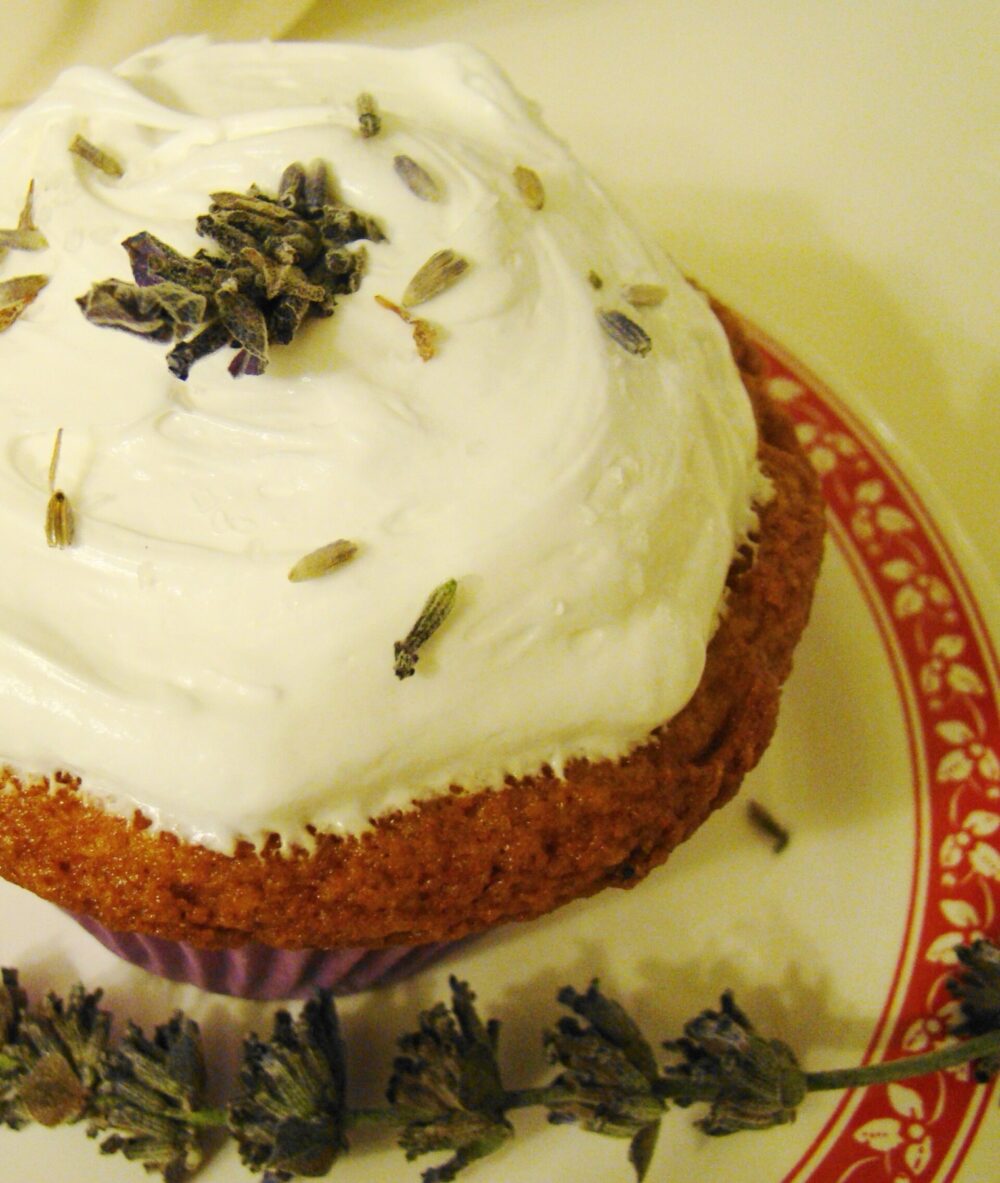
If you can’t smell a lavender vanilla candle before buying, your best move is to treat every listing like a spec sheet and a hypothesis. For US buyers and small ecommerce brands, DHgate can be useful for lavender vanilla candles if you see it as a cross‑border sourcing marketplace: you compare wax and fragrance details across multiple suppliers, order small tests, and scale up only when the scent, burn, and documentation match what you need. For plug‑and‑play home use or a brand that needs tight ingredient control, US retail and specialty candle suppliers are often simpler.
What really matters when you can’t smell lavender vanilla candles before buying
Lavender vanilla seems straightforward, but brands interpret it differently: some lean floral and herbal, others dessert‑sweet. Since you can’t smell online, focus on five things that actually show up in listings:
- Scent profile and strength
Look for more than just “lavender vanilla” in the description. Better listings break out notes (e.g., fresh lavender, creamy vanilla, maybe wood or musk) and sometimes call out intensity (light/medium/strong). Candle-buying guides emphasize avoiding weak scent throw despite premium positioning, so any mention of “high fragrance load” or “strong scent” is useful — but you still need to test because those phrases are unregulated.
- Wax type
Quality guides point out that soy, coconut, and beeswax tend to burn more cleanly and let fragrance develop well, while paraffin is cheaper but can feel harsher and sometimes sootier. Online, look for explicit phrases like “100% soy,” “soy blend,” “coconut wax,” or “paraffin.” A lavender vanilla candle that hides its wax type completely is harder to trust if you care about clean ingredients.
- Wick material and format
Clean-ingredient candle advice stresses wick transparency, because marketing words like “natural” don’t guarantee anything. Check whether the listing specifies “cotton,” “paper core,” “wooden wick,” or “lead-free”. Wood wicks can suit a cozy lavender vanilla profile but need careful testing to avoid tunneling or uneven burn.
- Burn performance indicators
Before you ever light a test candle, the best clues are:
- Stated burn time for a given size (e.g., 7 oz vs 12 oz jar);
- Photos that show melt pool reach and wick thickness;
- Reviews mentioning “even burn,” “no tunneling,” or “smokes a lot.”
Serious candle guides emphasize that long burn time means little if the scent is faint, so you’re always juggling the trade‑off between performance and fragrance strength.
- Documentation and ingredient clarity
Clean-ingredient articles recommend reading basic label fields: wax, wick, and fragrance source (essential oils vs synthetic fragrance, or a mix). On cross‑border marketplaces, documentation varies wildly, so a lavender vanilla candle with clear materials, batch or lot references, and use instructions has an edge over a generic “scented candle” listing.
If you’re buying for resale, treat poor documentation as a red flag. You may need to build your own customer‑facing ingredient description from whatever you can confirm.
How DHgate listings for lavender vanilla candles stack up against mainstream channels
On US retail sites and niche candle brands, lavender vanilla listings tend to highlight lifestyle and ingredient choices. You’ll often see photos of the jar, a polished description of the scent story, and explicit wax type and size. Specialty brands sometimes go deeper into eco claims or aromatherapy angles.
DHgate works differently. It’s framed in its own editorial materials as a global B2B marketplace connecting China-based manufacturers with buyers around the world, and it hosts thousands of fragrance-related listings, especially fragrance oils and scented products. That means you’re usually dealing with suppliers who can produce private-label or bulk lavender vanilla candles, not just a single consumer brand.
Here’s how typical DHgate candle/fragrance listings compare to US retail channels on the factors that matter for lavender vanilla:
| Factor | DHgate listings (editorial pattern) | Mainstream US retail & niche brands |
|---|---|---|
| Scent description | Often basic: “lavender vanilla,” sometimes with extra notes; more variation across suppliers. | Usually polished scent stories; clearer description of lavender vs vanilla balance. |
| Wax transparency | Mixed. Some suppliers specify soy or paraffin; others just say “scented candle.” | More consistent wax labeling (soy, coconut, blends) on product pages. |
| Wick details | Commonly omitted or briefly listed; wood wicks appear but may lack specs. | Wick type and sometimes sustainability claims are often highlighted. |
| Documentation | Variable; bulk and OEM listings may list materials but little consumer labeling. | Retail-ready labels, ingredient positioning, and usage details more common. |
| Scale options | Strong: multiple sizes, bulk cartons, private-label/OEM potential. | Good for consumer use; wholesale usually via separate B2B programs. |
This variation is not unique to lavender vanilla; DHgateWiki’s own comparison of platforms for lavender sandalwood fragrance products shows that DHgate is one of several viable channels, but with more fragmented documentation than many US brands.Lavender sandalwood fragrance platform guide
For a single personal candle, a mainstream US retailer may be easier because quality and labeling are more standardized. For a small brand willing to do testing, DHgate’s breadth can be useful — but only if you’re proactive about specs and samples.
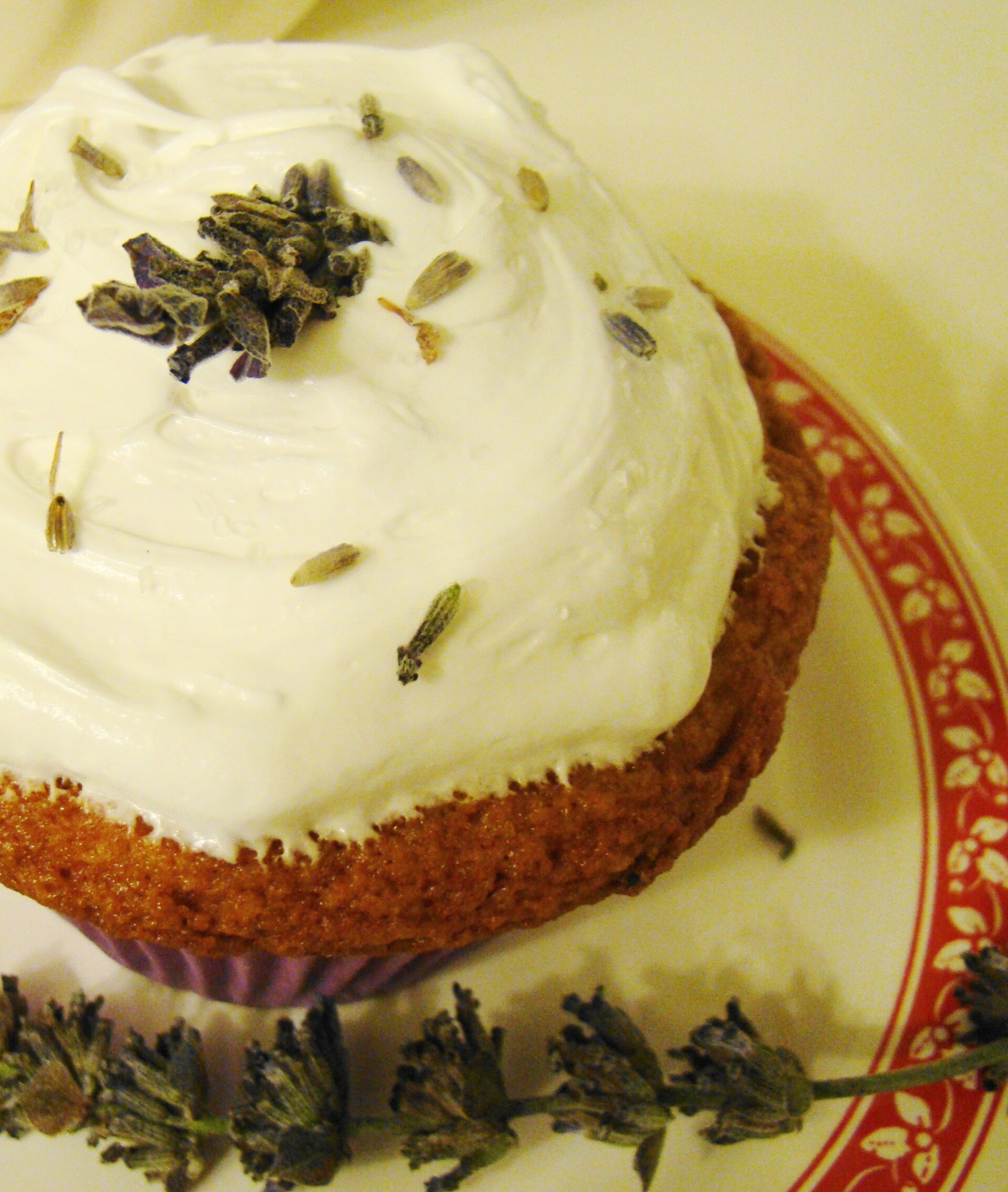
When DHgate is the right tool for lavender vanilla candles—and how to test suppliers
DHgate is best treated as a sourcing lab for lavender vanilla, not a one‑click solution. It tends to make sense in three scenarios:
- A small ecommerce brand building its own lavender vanilla line. You want control over jar design, label, and scent balance, and you’re prepared to run burn tests.
- A gift business or subscription box testing recurring themes. Lavender vanilla fits many seasons, so you want a reliable supplier after trials.
- DIY makers looking for fragrance oils and components. Instead of finished candles, you might source lavender vanilla fragrance oils and empty jars.
DHgate’s own editorial on fragrance oils highlights that the marketplace hosts thousands of fragrance oil catalog entries at competitive prices, positioned for buyers who want variety and value. That scale is useful if you’re experimenting with lavender vanilla blends.
A practical testing plan for DHgate suppliers looks like this:
- Filter listings by usable specs. Search for “lavender vanilla candle” and then narrow to suppliers that clearly state wax type, size, and at least some wick info. Treat vague listings as lower priority.
- Ask direct scent and ingredient questions. Message suppliers about:
- Whether the fragrance is essential oils, synthetic, or a mix;
- Approximate fragrance load percentage in the wax;
- Available scent variations (more lavender‑forward vs sweeter vanilla).
Their willingness and ability to answer specifically is part of your quality screen.
- Order small, varied samples before any bulk. Instead of committing to a large carton based on catalog photos, request a small batch across:
- Different waxes (e.g., soy vs paraffin) if offered;
- Different wick types (cotton vs wood);
- Possibly two lavender vanilla variants from the same supplier.
Run burn tests: check scent strength in a normal room, how evenly the wax melts, and whether smoke or soot appears.
- Check repeatability and labeling. For ecommerce resale, you need candles that behave the same from batch to batch. Ask about batch tracking and whether the supplier can print your labels that match your ingredient claims. If that’s not possible, you may need to handle labeling yourself or reconsider the supplier.
- Compare DHgate results against a US benchmark. Buy a few lavender vanilla candles from a US retailer or specialty brand — for instance, a soy lavender vanilla travel tin from a niche shop like Terralite’s vanilla lavender or a more mainstream option from Home Depot’s lavender vanilla candle category. Use these as scent and burn benchmarks. If your DHgate samples can’t get close to your acceptable range after a couple of supplier rounds, sourcing domestically may be more efficient.
DHgate’s editorial blog likes to emphasize that millions of repeat buyers trust the marketplace, with variety and value as key selling points. That perspective is useful context, but your decision for lavender vanilla candles should be grounded in your own testing and documentation needs. For many US buyers who just want a reliable, pleasantly scented candle, a local retailer is simpler. For small brands willing to invest in sample rounds and cross‑border communication, DHgate can be a flexible sourcing tool — as long as you treat scent, ingredients, and burn performance as things you validate, not promises in a listing.
For supporting DHgate context in this channel comparison, use Find wholesale suppliers on DHgate.
If you’re new to DHgate itself, it may help to read an overview of what DHgate is and how the marketplace works or broader marketplace comparisons like DHgate vs AliExpress, Alibaba and Temu before committing to a sourcing path.