
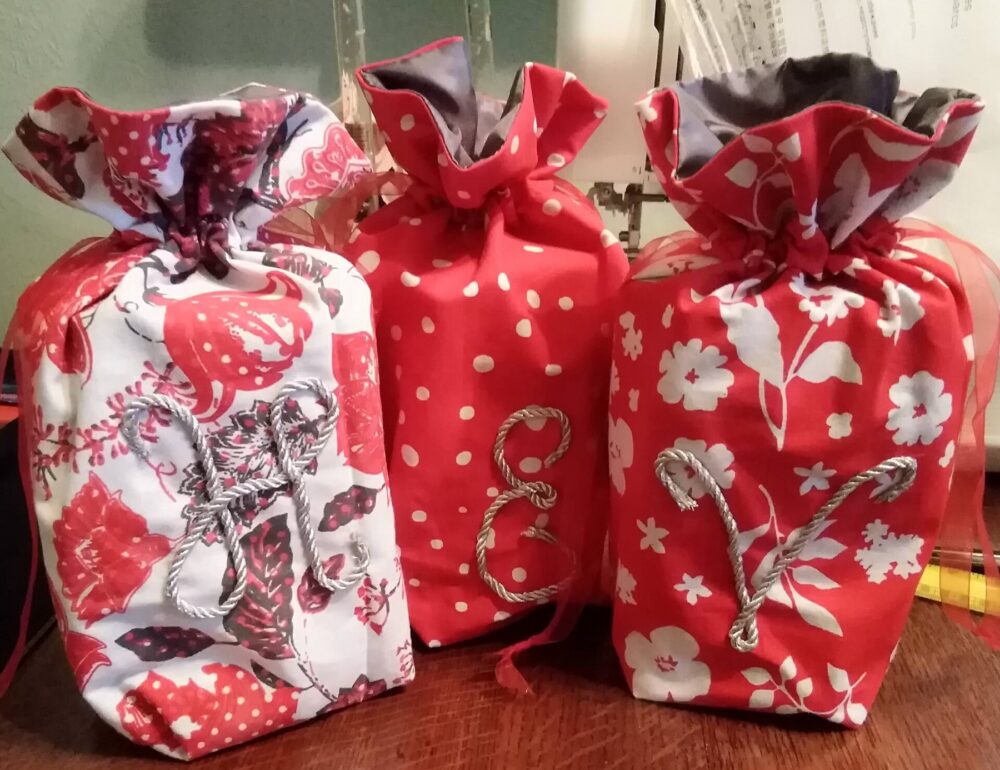
If you’re a household buyer, local stores like BIG W or Kmart will usually cover you with simple calico or velvet sacks and multi-pack gift bags. If you run a small ecommerce shop, you’ll likely mix channels: personalised sacks from local printers for higher-margin sets, and bulk unbranded sacks from wholesale sites such as Dansarosa or marketplaces including DHgate for volume.
What Santa sacks and Christmas gift bags are – and how Aussies actually use them
Santa sacks and Christmas gift bags are just festive containers for presents, but the format matters.
A Santa sack is typically a fabric drawstring bag, often in cotton, calico, linen, canvas, velvet or burlap. It’s meant to sit under the tree stuffed with one person’s gifts or a family’s haul. Australian listings at general retailers show common sizes around 40-60 cm in height for standard sacks, with bigger 60 cm and up versions marketed as XL gift sacks.
A Christmas gift bag is usually smaller and more rigid in shape – often paper or light fabric – designed for individual presents or party favours. These come as single bags or in multi-packs so you can wrap lots of gifts quickly.
Typical use cases:
- Families at home use one sack per child or one big sack for the whole household, plus smaller gift bags for odd-shaped items.
- Small ecommerce businesses use sacks and bags as part of the product: selling personalised sacks themselves, or using themed gift bags for packaging their own goods.
Australian retailers such as BIG W list velvet drawstring Santa bags in pairs, which shows how common the “two sacks per household” pattern is.
Key buying decisions: material, size, print and quality (with DHgate-style caveats)
When you’re scanning listings, the design is only half the story. Four practical checks matter more.
1. Material and feel
You’ll see a few recurring fabrics:
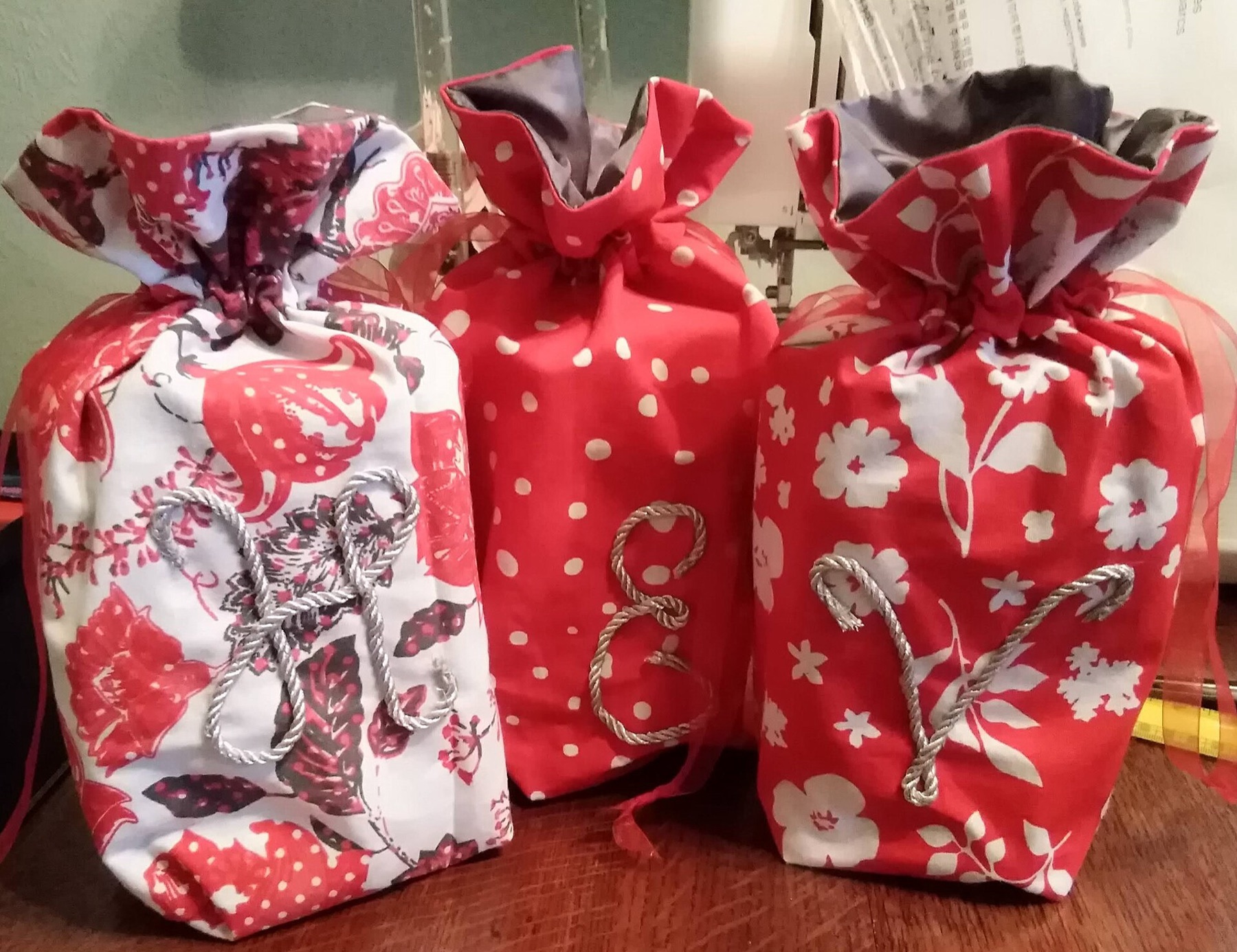
- Calico/cotton drawstring sacks – common in Australian chains. These have a natural, slightly rustic look and are light but reasonably sturdy.
- Canvas or linen sacks – often used in wholesale listings and cross-border marketplaces. Good for bulk if you want neutral, printable surfaces.
- Velvet sacks – more premium, with a soft feel. BIG W’s 2-pack velvet Santa bags are an example of this mid-range, giftable look.
- Burlap/jute – rougher texture, stronger rustic aesthetic, often in bulk listings.
For kids who will drag the sack around, favour heavier cotton, canvas or velvet over very thin calico or paper.
2. Size and capacity
Australian calico sacks often sit around 40 cm wide and 60 cm tall, as in BIG W’s natural calico drawstring Santa sack. That’s fine for a mix of toys, books and clothes.
Common sizing decisions:
- 40-50 cm tall: one child’s gifts or a modest adult set.
- 60 cm+ tall: “jumbo” sacks for big toys or shared family gifts.
- Small fabric gift bags: suitable for candles, mugs, cosmetics or party favours.
If you’re ordering from DHgate or other cross-border suppliers, check the size chart carefully. Some listings use approximate measurements or mix cm and inches, and the actual capacity can be smaller than the lifestyle photos suggest.
3. Print style and personalisation
Australian local sacks often emphasise personalised prints – names, addresses to the North Pole, or branded motifs. Specialist Christmas sites like Christmas Elves stock themed designs well beyond the generic supermarket styles: think vintage postage graphics, character motifs and matching stockings.
Wholesale channels, including Dansarosa’s Christmas sacks, tend to focus on:
- Bulk mixed designs – cartons with multiple patterns in one order.
- Blank canvas/linen sacks – intended for you to print or DTF-transfer your own artwork.
Decide whether you need names printed at the factory, or you’re happy to personalise locally with vinyl, screen print, embroidery or DTF transfers.
4. Quality signals and cross-border checks
Because DHgate and similar marketplaces aggregate multiple sellers, product quality isn’t uniform. Practical checks:
- Read buyer photos and reviews, not just star ratings.
- Compare fabric GSM or weight where stated; heavier fabrics will hold shape better as sacks.
- Look for clear material descriptions (e.g., “100% cotton canvas” vs vague “cloth”).
For local Australian sites, quality is easier to judge from brand reputation and clear product photography, though you should still check return options separately.
If you’re unfamiliar with DHgate, the explainer on what DHgate is and how the marketplace works plus guidance on finding trusted sellers are useful pre-reading before placing a bulk order.
Best online channels for Santa sacks into Australia
Here’s how the main sourcing routes stack up for Australian buyers and small ecommerce businesses.
| Channel type | Typical products & use case | Order size sweet spot | Example sites |
|---|---|---|---|
| General retailers | Ready-made calico, canvas and velvet Santa sacks; multi-pack gift bags for household gifting. Good for families wanting simple designs fast. | 1-6 sacks, a few packs of gift bags per season. | BIG W, Kmart |
| Specialist Christmas stores | Themed and character sacks, often coordinated with stockings and décor. Suits households or boutiques wanting a more curated look. | Small batches; enough for a household or a boutique display. | Christmas Elves, Christmas Warehouse |
| Local custom makers & printers | Personalised sacks with names, business logos or custom artwork. Ideal for selling as premium products or gifting specific people. | Dozens to a few hundred units, often per design. | Etsy sellers, local print shops, photo-gift sites |
| Global wholesalers | Bulk canvas/linen sacks and mixed-design gift bag cartons. Designed for resellers who will brand or bundle them. | Carton-level orders suitable for ecommerce stock. | Dansarosa |
| Cross-border marketplaces | Wide variety of generic Christmas sacks and bags from many sellers; good for price-testing bulk generic stock if you vet listings carefully. | Flexible: from small test batches to larger bulk. | DHgate, other global marketplaces |
When each route makes sense
For household buyers in Australia
- Start with general retailers for convenience and predictable sizing. For example, BIG W’s velvet 2-pack gives you two roomy sacks in one click.
- If you want something more special, browse specialist Christmas sites like Christmas Elves for coordinated designs that match broader décor.
For small ecommerce brands
- Use local custom makers or printers for your flagship personalised sacks. You can price these as premium products, and the turnaround and colour matching are easier to control.
- Source blank or simple-printed sacks in bulk from wholesale suppliers like Dansarosa or vetted sellers on DHgate for lower-priced product tiers or packaging.
For any cross-border marketplace order, review the DHgate order-readiness checklist style questions before checkout: confirm specs, understand your own lead-time tolerance, and decide how much variance you can live with.
Quick tips for cross-border Santa sack sourcing
- Order a small test batch first to inspect fabric weight, stitching, and print alignment.
- Time your orders early (late winter or early spring for Australia) if you’re importing stock for the December rush.
- Keep a local backup: even if you plan to rely on bulk imports, have an Australian supplier you can lean on if overseas stock arrives late or off-spec.
If you map your use case to the right channel – home gifting vs resale, personalised vs generic, small vs bulk – you can use Australian retailers for reliability and sites like DHgate and Dansarosa for price-efficient volume without sacrificing the look and feel your customers expect.