
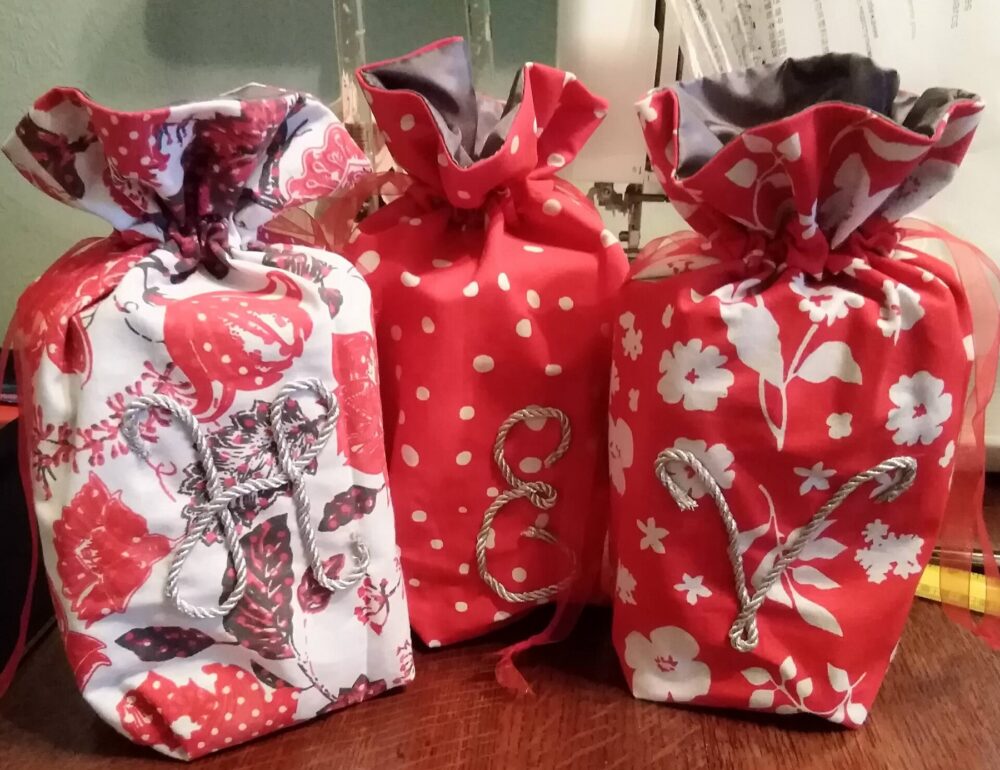
What Santa Sacks and Christmas Gift Bags You’re Actually Looking For
“Santa sack” can mean a few different things, and getting specific upfront saves time on DHgate:
- Family/household Santa sack: Large drawstring bag (often cotton, canvas, or jute) that holds all of a child’s or household’s presents. Often printed with “Special Delivery from the North Pole” or similar.
- Retail or ecommerce Santa sacks: The same basic bag, but bought in bulk to resell as seasonal décor or as part of gift bundles.
- Small Christmas gift bags: Smaller fabric or paper bags used for individual gifts, teacher presents, corporate gifting, or party favors.
That use case changes how you shop:
- Personal use: You can accept more variability in print quality and minor delays; you probably only need a handful of sacks and care most about the look and feel.
- Small ecommerce business: You need repeatable quality, consistent sizing, and reliable color between batches. You might need tens or hundreds of units and care about whether the seller can repeat your design next year.
Before you even open DHgate, decide:
- Do you want plain sacks (to decorate yourself) or pre‑printed designs?
- Are you trying to match a premium canvas sack look, or will jute/non‑woven be fine?
- Do you need names or logos printed (for kids, schools, corporate clients), or is generic Christmas artwork enough?
Having that short spec list in front of you will drive your search terms and help you skip hundreds of irrelevant listings.
Key Bag Types and Buying Criteria Before You Search DHgate
DHgate lists many bag products in different materials and sizes, from shopper bags to small party bags. The same trade‑offs apply when you’re sourcing Santa sacks and Christmas gift bags.
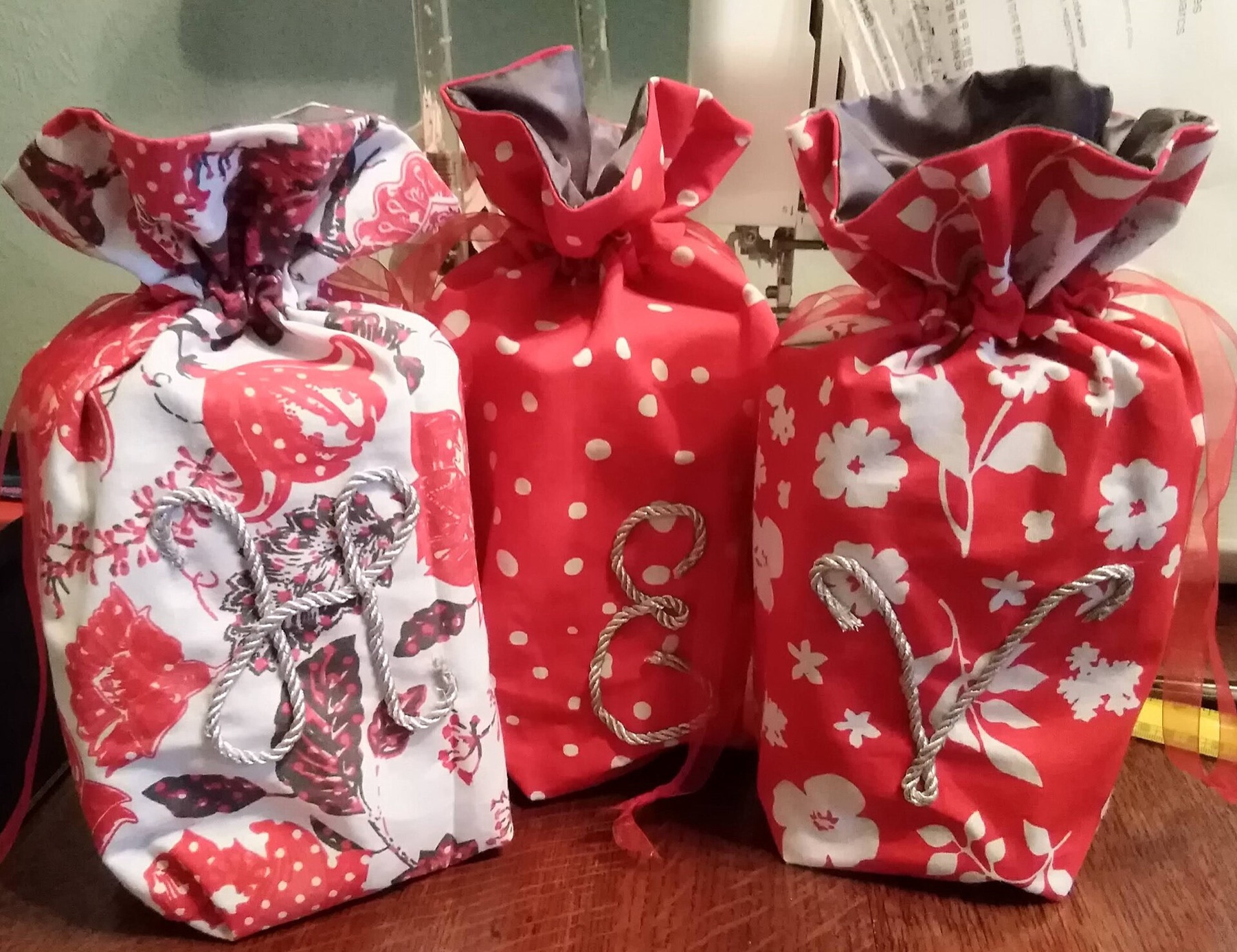
Here’s a compact comparison of common materials you’ll see:
| Bag type / material | Typical feel & look | Pros for Christmas use | Watch out for |
|---|---|---|---|
| Cotton / cotton canvas sack | Soft fabric, often off‑white | Reusable, easy to print, feels more premium | Thickness and seam strength |
| Jute / burlap sack | Rustic, textured, brownish | Strong, very on‑theme for a traditional “Santa sack” | Scratchy feel, fiber shedding |
| Non‑woven PP gift bag | Lightweight synthetic, bright colors | Low cost in bulk, good for party favors | Can look flimsy, less eco‑friendly |
| Paper gift bag | Glossy or kraft paper with handles | Fine for small gifts and corporate packs | Not suited to heavy or very large gifts |
Before searching DHgate, set some non‑negotiables:
- Size and capacity: For a household Santa sack, think in terms of how many boxed toys or clothing items must fit; for gift bags, match the size to what has to go inside (e.g., a wine bottle, boxed toy, skincare set).
- Material trade‑off: Cotton canvas or jute if you want reusable décor; non‑woven or paper if you mainly care about low cost for one‑off gifting.
- Customization level: Decide if you only need generic Christmas prints or if you’ll pay extra for names, dates, or logos.
- Risk tolerance and timing:
- If Christmas is weeks away, you can accept more risk: try DHgate listings, possibly order a test batch and see.
- If Christmas is right around the corner, cross‑border parcels from China to Australia can slip past your deadline, so local retail or domestic wholesalers are safer for the main order.
Principles from online guides on custom party bags apply here too: match materials and personalization to how the bags will be used, and combine that with a clear view of seller reliability.
For more general party‑bag selection ideas that you can adapt to Christmas sacks, see DHgate’s own custom party bags guide.
Step‑by‑Step: Finding and Evaluating Santa Sacks & Gift Bags on DHgate
This is the practical workflow for using DHgate specifically for Christmas sacks and bags, with decision points built in.

1. Start with focused search terms
Go to DHgate’s homepage and use the main search bar. Try specific phrases instead of just “Christmas bag”:
- “Santa sack canvas” – for plain or printed cotton/canvas sacks.
- “Christmas gift bags fabric” – for reusable drawstring bags.
- “Christmas paper gift bags” – for small gifting or corporate packs.
- “personalized Christmas Santa sack” – if you’re hoping for name or logo options.
Scan the first page of results and adjust terms if you mostly see unrelated products. Adding words like “plain”, “blank”, or “custom logo” can help refine.
2. Use filters to narrow to realistic options
DHgate lets you filter and sort products, which is useful across thousands of bag listings. While exact labels can change, you typically can:
- Set a price range that matches your budget per bag.
- Filter by broad material or category where available (for example, textiles vs paper products).
- Sort by seller rating or popularity to bring higher‑rated or more‑ordered listings to the top.
For personal buyers, a modest price range and a sort by rating can quickly narrow things down. For ecommerce buyers, treat filters as an initial pass, then read listing specs closely.
3. Read the listing as if you’re proofreading a contract
Open any promising Santa sack or bag listing and go through it line‑by‑line:
- Check the exact variant you’d receive: Some listings bundle multiple sizes, colors, or print designs on one page. Make sure the variant photo and description match what you’re picturing for your Santa sack.
- Look for material details: Does it clearly say “cotton canvas,” “jute,” or “non‑woven”? Is there a weight or thickness mentioned? Vague “cloth” or “eco bag” descriptions are higher risk.
- Quantity and options: Confirm if the price shown is per piece, per set, or based on a minimum order quantity. If customization is mentioned, check whether it’s limited (for example, one logo area) or fully custom artwork.
If the listing leaves basic points unclear, plan to ask the seller before ordering.
4. Vet the seller with specific signals
Guidance on DHgate sourcing and external checklists highlight the same practice: vet the seller, not just the product page.
On the DHgate seller/store page and listing:
- Ratings and reviews: Prefer stores with a consistent history of decent ratings. Read reviews on bag or textile products specifically, not just electronics or unrelated items.
- Transaction counts: Higher order numbers on that listing or store suggest more buyer feedback, which helps you spot patterns (for example, complaints about thin material or misprinted designs).
- Photo reviews: For Santa sacks and gift bags, buyer photos are extremely useful. Compare the actual bag shape, color, and print quality to the polished product photos.
Many sellers on DHgate offer customization on Christmas‑related items, but options vary. Reviews and ratings are a simple way to see whether previous buyers were satisfied with the decoration quality.
5. Ask questions the listing doesn’t answer
Before you click “buy,” send the seller a concise message covering what isn’t clear:
- Exact dimensions and material thickness for your chosen variant.
- Whether they can supply plain sacks without any print if that’s your goal.
- How they handle customization (names, logos, or custom artwork) on Christmas items, and what files they need from you.
- Whether they expect any production delay for personalized sacks during peak season.
You don’t need a scripted email—just make sure these points are covered so you’re not guessing.
6. Decide if you need a sample first
DHgate’s own ecommerce sourcing advice suggests ordering samples before larger buys where possible. For Australian small businesses planning to resell Santa sacks or branded Christmas gift bags, a sample is often worth the extra time and cost:
- It lets you check fabric feel, seam strength, and print alignment before paying for a larger batch.
- You can photograph the sample yourself for your own store, instead of relying on the supplier’s renders.
For personal buyers who only need one or two sacks and aren’t fussy, you might skip this step—but recognize you’re accepting more risk.
7. Make a timing call for Australia
Cross‑border parcels into Australia can be unpredictable, especially heading into December. Without claiming specific shipping speeds, you should assume that:
- Any DHgate order for Christmas use is time‑sensitive and may face delays.
- Customs inspection or carrier backlogs can push delivery beyond your ideal date.
Practical scenario:
- If it’s early in the season and you’re experimenting with DHgate, place your order with a comfortable buffer and keep an eye on updates.
- If it’s late in the season and you absolutely must have sacks or bags in hand, treat DHgate as optional or future‑year sourcing, and buy from Australian retailers or domestic wholesalers for this Christmas.
8. Decide if DHgate is the right channel for you
For personal buyers in Australia, DHgate is most useful if you’re:
- Happy to try less‑common designs or plain sacks at lower per‑piece costs.
For small ecommerce businesses, DHgate can work when:
- You have time to request samples and refine specs with a single supplier.
- Your margins account for occasional misprints or delayed batches.
When you’re weighing whether DHgate fits your order, it can help to read broader marketplace guidance and then apply it to Santa sacks and gift bags. DHgate’s buyer‑focused article on starting an ecommerce business explains how to use filters, evaluate suppliers, and request samples; the same mechanics apply to seasonal textile bags even though Christmas sacks aren’t mentioned directly.
For additional DHgate platform context, use What DHgate is and how the marketplace works, Find trusted sellers on DHgate, and Review the DHgate order-readiness checklist.
If you want to go deeper into seller vetting or general DHgate risk management beyond Santa sacks, DHgateWiki has platform‑level guides like the DHgate buyer’s overview and pre‑order checklists; you can reach them from the site navigation and apply that process to the specific Christmas bag listings you shortlist.