
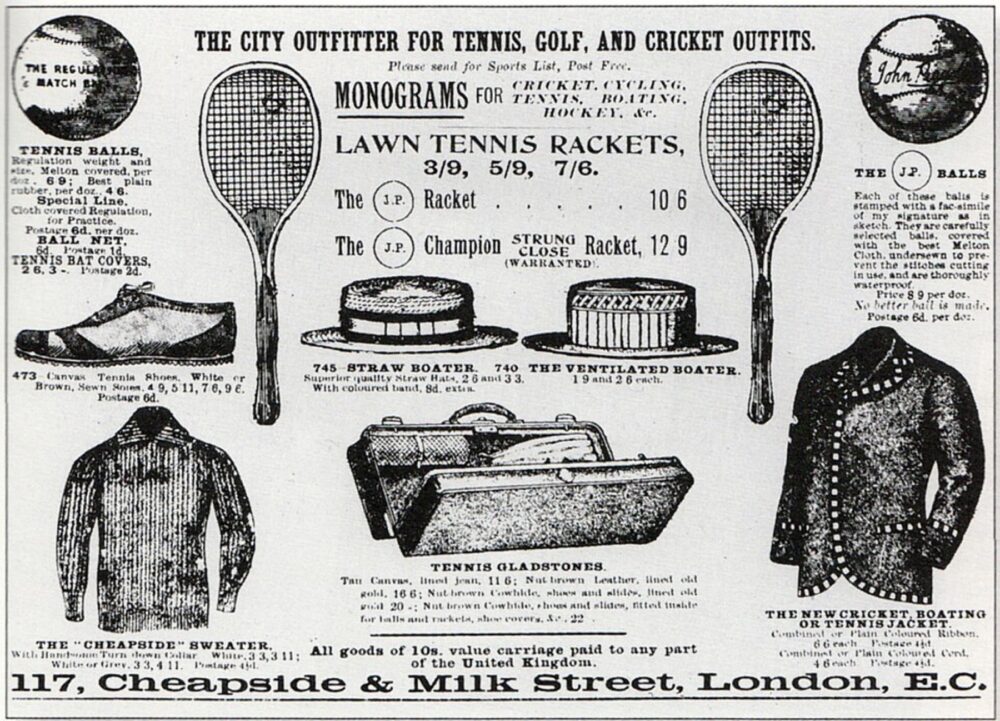
Wholesale tennis apparel and equipment sourcing is straightforward in concept: you buy tennis clothing and gear in bulk at reduced per‑unit prices from manufacturers or distributors, then outfit players or resell at retail. The hard part is picking the right channel and supplier. US clubs that need brand‑name rackets and apparel lean toward domestic tennis distributors; online sellers who care more about margin often look at cross‑border marketplaces like DHgate, which self‑describes a catalog of millions of listings including sportswear from global sellers.
The smart way to approach this is the same regardless of channel: choose a clear tennis niche, treat supplier vetting as seriously as your marketing, start with small test orders, and only scale once you understand total landed cost and reliability.
How Wholesale Tennis Apparel and Equipment Sourcing Works
Wholesale tennis apparel and equipment means purchasing tennis‑related products in bulk from manufacturers or authorized distributors at reduced unit costs, typically to stock a shop or outfit teams and academies.https://www.fromuthtennis.com This ecosystem roughly breaks into two layers:
- Production/branding: big brands (Nike, adidas, Wilson, Babolat, etc.) and unbranded or private‑label factories, many of them in Asia.
- Distribution: specialist tennis distributors in the US, multi‑sport wholesalers, and global B2B marketplaces.
Common wholesale product groups include:
- Apparel: skirts, shorts, polos, dresses, warm‑ups, team uniforms.
- Footwear and socks.
- Hard goods: rackets, balls, strings, grips, vibration dampeners.
- Accessories: bags, hats, wristbands, training aids.
US‑based distributors and wholesalers focus heavily on branded goods and support tennis clubs, pro shops, and retailers who need official assortments and consistent sizing.https://www.fromuthtennis.com Some tennis‑specific or performance apparel brands also run wholesale club partnership programs aimed at teams and academies.https://aletapparel.com/pages/wholesale-club-partnerships-1
By contrast, global B2B marketplaces like DHgate aggregate millions of listings from many independent sellers, spanning categories such as apparel, sportswear, electronics, and more.https://www.dhgate.com/blog/?p=5753 For tennis, this often means more private‑label and generic gear rather than the big brands you’d see in a US tennis catalog.
Wholesale makes the most sense for:
- Club pro shops that need inventory on hand (balls, grips, basic apparel).
- Academies and school teams ordering uniforms and practice gear.
- Online stores or marketplace sellers looking to build a tennis niche without manufacturing their own products.
Choosing and Managing Tennis Gear Suppliers Across Borders
For a small US business, supplier choice is a tradeoff between brand access, margin, and complexity. Here’s how to make the decision and then manage it.
Decide your tennis niche first
Before you contact anyone, define:
- Buyer type: local club members, junior teams, or anonymous online buyers.
- Product focus: branded rackets and shoes versus value‑priced apparel sets, bulk balls, or accessories.
- Price band: entry‑level vs performance.
A club pro shop that sells to long‑term members may accept lower margins in exchange for recognizable brands and official strings. An online seller competing on Amazon or their own site often prioritizes higher margins and distinctive designs, even if the logo isn’t famous.
Vet suppliers with tennis‑specific signals
General wholesale advice like “check reviews” isn’t enough. For tennis apparel and equipment, look for:
- Category focus: Does the distributor or seller clearly specialize in tennis or racquet sports (range of rackets, balls, apparel), or is tennis a tiny add‑on?
- Level of branding: Are they offering big global brands via authorized distribution, smaller performance brands, or fully generic gear? Your marketing and pricing depend on this.
- Team/club programs: Many tennis‑oriented wholesalers mention dedicated programs for clubs or academies, often with sizing runs, logo application, or coordinated color stories.https://aletapparel.com/pages/wholesale-club-partnerships-1
- Communication quality: For cross‑border suppliers, judge how clearly they discuss fabric weight, racket specs, ball type (pressureless vs standard), and carton packing.
On a marketplace like DHgate, where millions of listings and sellers coexist,https://www.dhgate.com/blog/?p=6125 you have to treat each seller as its own business: compare multiple listings in your niche, read feedback carefully, and favor those with a long history and consistent buyer comments about product matching the description.
Use samples and small trials
Never jump straight to a season‑long order. For tennis apparel and gear:
- Buy size runs for apparel (XS–XL) and test fit, fabric feel, and laundering.
- Test several racket and ball SKUs under real play to check durability and performance.
- For cross‑border orders, pay attention to how items are packed and labeled—this affects returns and resale.
If you’re using DHgate or similar marketplaces, expect seller‑specific MOQs (minimum order quantities) and sample policies; because we don’t have listing‑level data here, you’ll need to message sellers directly to clarify whether they’ll sell paid samples and at what quantity.
Think in landed cost, not unit price
Your profit lives in the gap between total landed cost and retail price. For any supplier, especially overseas, factor in:
- Product unit price.
- Shipping, customs brokerage, and duties where applicable.
- Packaging, labeling, and potential rework (re‑tagging, inserting size labels that US buyers understand).
A generic short might look 40-50% cheaper per unit from a cross‑border source, but that advantage shrinks if freight is high or if you have to discount because sizing is inconsistent.
Here’s a simple comparison you can use while evaluating channels:
| Buyer scenario | Best‑fit channel type | Typical upside (editorial judgment) | Key risk to manage |
|---|---|---|---|
| Club pro shop needing big brands | US tennis distributors / brand wholesalers | Reliable branded assortments and clear MAP pricing | Lower margin; account setup requirements |
| School team uniforms on a budget | Smaller tennis apparel brands or cross‑border factories | Custom colors and logos at mid‑range prices | Lead times, sizing consistency |
| Online seller focused on margin | Cross‑border marketplaces like DHgate | Wide product variety and lower entry unit costs | Quality variation between sellers |

DHgate vs Other Channels for Wholesale Tennis Gear
DHgate positions itself as a global B2B marketplace for wholesale consumer products, with millions of listings across categories including clothing and sportswear.https://www.dhgate.com/blog/?p=5753 That makes it a realistic option for certain tennis businesses—but not all.
Where DHgate tends to fit
DHgate is generally better suited to:
- Margin‑focused online sellers building a tennis niche with private‑label or generic apparel, bags, and accessories.
- Test orders when you’re exploring new product types (for example, novelty dampeners or tennis‑themed casualwear) and don’t need big brands.
A typical use pattern is: search for tennis‑related keywords, shortlist several sellers with sportswear or racquet‑sport assortments, request product and fabric details, buy samples, then negotiate MOQs and pricing for the SKUs that perform well. Because policies and product depth vary by seller, you must manage risk listing by listing, not assume platform‑wide guarantees.
If you go this route, it’s worth reading our DHgate‑specific sourcing guides on finding and vetting suppliers:
Where US distributors or other channels are stronger
US‑based tennis distributors and performance apparel brands are usually the better choice if you:
- Need official brand assortments for a club or specialty shop.
- Want clear line sheets and wholesale terms tailored to tennis, plus domestic returns handling.
- Value shorter, more predictable lead times and straightforward communication.
These channels often require an account application and a business focus on tennis or sports retail, but they simplify brand authorization and assortment building.https://www.fromuthtennis.com
Other global B2B platforms (such as Alibaba or Made‑in‑China, referenced in DHgate editorial context) operate with similar cross‑border mechanics: lots of factories and trading companies, variable quality, and negotiation over MOQs and pricing.https://www.dhgate.com/blog/?p=6125 If your priority is a long‑term relationship with a single tennis‑focused manufacturer, those channels and direct factory sourcing can be worth exploring alongside DHgate.
Two quick scenarios
- Club pro shop in suburban US: You sell branded rackets, balls, and name‑brand apparel to members who expect familiar logos. In this scenario, US tennis distributors and brand wholesalers are a better fit; DHgate is more of a side option for low‑risk accessories like fun dampeners or casual tees.
- Small online store targeting budget tennis players: You don’t need major brands; you want decent‑looking outfits and accessories at strong margins. Here, DHgate and similar marketplaces become more attractive, provided you’re prepared to evaluate sellers carefully, invest in samples, and accept some trial‑and‑error before scaling.
If you treat sourcing as a sequence—define your niche, compare channels honestly, vet suppliers with product‑specific checks, and grow orders only after testing—DHgate can be one useful tool in a broader tennis wholesale strategy, not the only answer.