
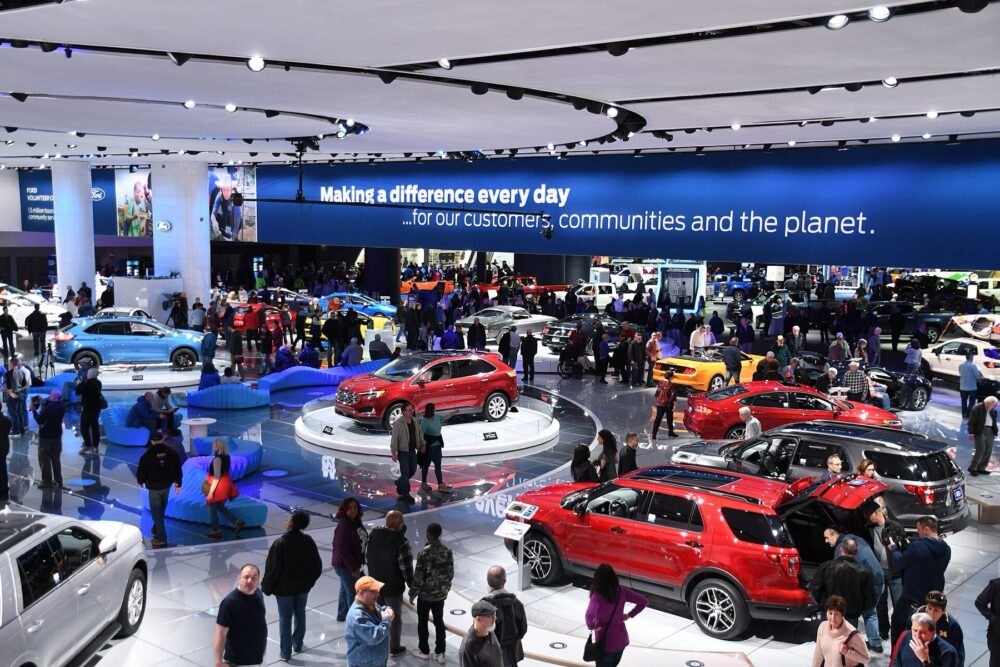
Most search results for “International Auto Wholesalers” today are US used-car dealers using “wholesale” branding, often in Virginia, Alabama, Ohio and similar markets.https://bhphfinder.com/virginia/virginia-beach/international-auto-wholesalers They sell domestically and don’t ship fleets overseas. If you’re a US buyer or small ecommerce business, your core decision is: do you actually need cross-border sourcing, or will sticking with domestic wholesale channels — plus selective imports of accessories via platforms like DHgate — give you better value and less risk?
What Really Makes International Auto Wholesalers Expensive or Cheap?
Before you compare channels, separate vehicle sourcing from auto inventory sourcing. Their cost drivers differ sharply.
1. Vehicle price vs. inventory price A US “wholesale” car dealer is basically a used-car lot positioned for volume buyers. Their margin is built into the sticker price and financing. When you import vehicles cross-border, you’re negotiating unit prices with exporters or auction agents, but any savings must survive shipping and taxes. In contrast, importing accessories (seat covers, LED lights, tools) or standard parts spreads shipping over many small, high-margin items.
2. International shipping and handling Shipping whole vehicles usually means roll-on/roll-off (RoRo) or container shipping, plus port fees, inland transport and insurance. Those costs do not exist when you buy from a domestic dealer branded as “International Auto Wholesalers” or similar, because the vehicle is already in the US. For small auto products, international parcel or consolidated freight is typically much cheaper per item, especially for light or compact stock.
3. Customs, duties, and taxes Bringing a vehicle into the US involves customs clearance, federal import rules, and state-level registration requirements that can add thousands of dollars in duties, testing, and paperwork. Those costs simply don’t appear when you buy from a domestic wholesale lot.https://naicslist.com/company-profile/international-auto-wholesalers-llc-midfield-al-35228 Auto accessories and generic parts still face tariffs and customs fees, but the process is simpler, more predictable, and often manageable for small businesses. That’s why cross-border sourcing is usually better budget fit for inventory than for vehicles themselves.
4. Platform and payment costs Working with exporters or auctions may involve broker fees and international wire costs. Marketplaces like DHgate add standard ecommerce costs — payment processing fees from your bank or card — but not the bespoke brokerage overhead you see with vehicle imports. DHgate’s own editorial content describes it as a China-based B2B cross-border marketplace listing tens of millions of products and emphasizing competitive bulk pricing.https://www.dhgate.com/blog/?p=12297
Put together, a US small business is rarely saving money by importing complete cars versus buying domestically. However, that same business can often improve margins on accessories or non-critical parts by importing at scale.
How MOQ, Customization, and Channel Choice Drive Your Price
Once you move beyond single-vehicle buying, three things dominate your budget: minimum order quantity (MOQ), how customized your product is, and which channel you use.
MOQ and order structure
Domestic used-car dealers don’t really use MOQs — you buy one car at a time, maybe with a fleet discount negotiated off-book. True wholesalers and marketplaces operate differently.
On platforms like DHgate, you can often buy small quantities or bulk from the same supplier, with deeper discounts at higher volumes.https://www.dhgate.com/blog/?p=12965 That’s ideal if you’re testing a new product line (for example, 50 steering-wheel covers) before committing to pallets.
Customization vs. standard stock
Custom products — branded seat covers, logo floor mats, unique lighting kits — cost more per unit and often require higher MOQs. Suppliers tapped through cross-border marketplaces may use OEM factories for branded or tailored products; DHgate’s editorial content highlights access to OEM manufacturing for custom and private-label work.https://www.dhgate.com/blog/how-to-start-an-ecommerce-business-on-dhgate-a-comprehensive-guide/ Standard, unbranded items are cheaper and easier to source repeatedly, whether from domestic distributors or overseas factories.
Channel comparison: where the price really moves
Here’s a simple comparison of how channel choice changes your budget for auto-related sourcing:
| Channel type | Typical use-case | Main price levers | Budget strengths |
|---|---|---|---|
| US “wholesale” used-car dealer | Retail or small fleet vehicles | Sticker price, financing terms, local demand | No import cost; fast purchase; easy inspection |
| Domestic parts distributor/warehouse | OEM-equivalent parts, safety items | Brand, certification, inventory depth | Compliance clarity; quick delivery; predictable |
| Cross-border marketplace (e.g., Cross-border multi-seller) | Accessories, non-critical inventory | MOQ, shipping method, supplier location, season | Low unit cost at volume; sample-first flexibility |
This is why your quote from a US dealer can be higher on paper than an exporter’s, yet lower in reality once you factor in import costs — and why a cross-border marketplace might be cheap for accessories but unrealistic for core safety-critical parts on a tight timeline.
For cross-border marketplaces specifically, you should budget time to evaluate supplier ratings, reviews, and transaction history, and to request samples before buying in bulk — a workflow DHgate’s own guidance emphasizes for wholesale sourcing.https://www.dhgate.com/blog/maximizing-profits-a-guide-to-sourcing-wholesale-from-dhgate/
Optimizing Budget and When DHgate Is the Better Auto Sourcing Play
From a pure budget perspective, most US buyers should think of international auto wholesaling in two layers:
- Vehicles: treat international sourcing as a niche move requiring expert help; expect high total cost and regulatory overhead.
- Auto-related inventory: treat cross-border marketplaces as a tool to pull down unit costs on parts and accessories once you’ve tested quality.
Practical cost-optimization tactics
For vehicles:
- Favor domestic “wholesale” dealers or auctions unless you have a clear, documented cost advantage importing and a plan for compliance. Listings for dealers like International Auto Wholesalers in Virginia Beach and Alabama show they operate as conventional used-car businesses, not exporters.https://iawalabama.com/aboutus
- Build total landed cost models before chasing overseas prices; include port fees, shipping, customs, testing/compliance, and your time.
For inventory:
- Consolidate orders into fewer, larger shipments where feasible to spread fixed shipping and customs over more units.
- Start with samples, then small test orders, before committing to container-level buys. DHgate’s sourcing guides explicitly recommend requesting samples to validate product quality.https://www.dhgate.com/blog/how-to-start-an-ecommerce-business-on-dhgate-a-comprehensive-guide/
- Use marketplaces’ search and filter tools to compare suppliers on price and specification instead of jumping at the first listing.
You can find more detail on import cost components in DHgateWiki’s guide to customs, tariffs and import fees.
Where DHgate makes sense for auto-related sourcing
Based on its own editorial positioning, DHgate is structured as a B2B marketplace bridging global buyers to Chinese manufacturers and suppliers, with millions of products across categories including automobiles and motorcycle-related items.https://www.dhgate.com/blog/?p=10277 It lets you buy small quantities or bulk from many suppliers and offers stronger discounts at higher volumes.https://www.dhgate.com/blog/?p=12297
That profile makes DHgate a better fit for:
- Accessories and cosmetic upgrades you can inspect via samples and tolerate minor variation in (seat covers, decorative lighting, phone mounts, cleaning kits).
- Non-critical add-ons for dealership lots — items that increase perceived value but aren’t safety-critical, such as branded keychains or promotional merchandise.
- Ecommerce-focused auto accessories brands that want to private-label or customize products using OEM factories, once they’ve validated one or two reliable suppliers.
It is a poor fit if you’re trying to:
- Import complete vehicles for retail sale or fleet use.
- Source regulated safety components where domestic certification and liability are central to your business.
- Buy one-off parts urgently for repair jobs.
If you’re weighing DHgate against other marketplaces, DHgateWiki offers a broader comparison of DHgate vs. AliExpress, Alibaba and Temu, and a focused guide on finding wholesale suppliers on DHgate.