
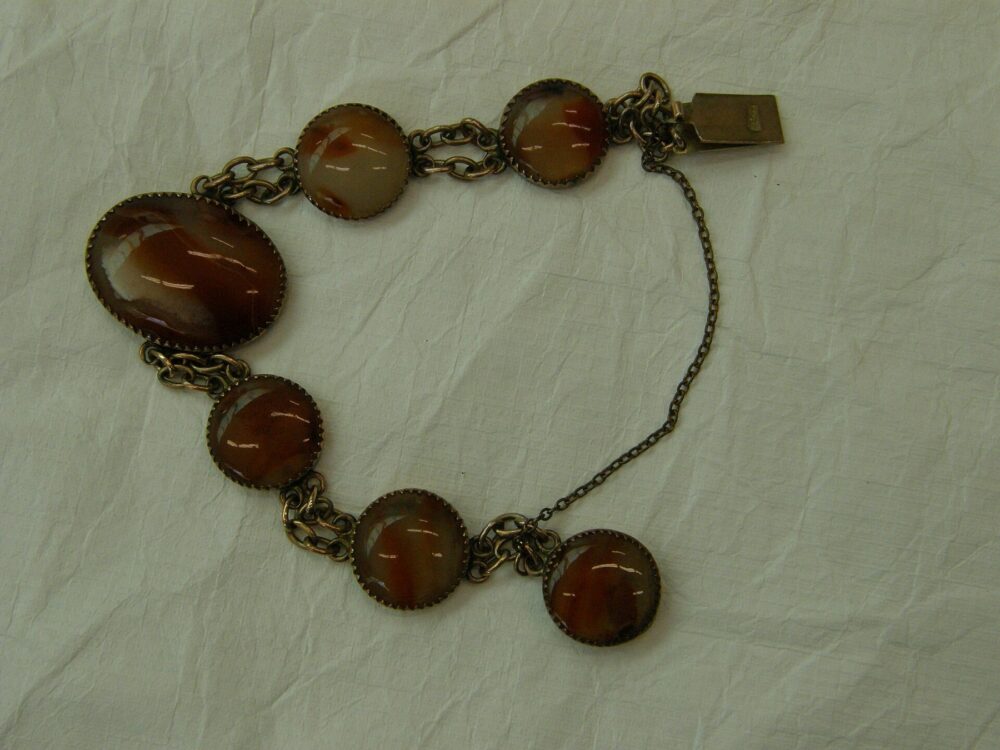
Wholesale crystal and gemstone bracelets are bulk purchases of finished bracelets or components from manufacturers and distributors, usually priced per piece or per strand. For a US small business, the real decision is whether to buy pre-made fashion/metaphysical bracelets or raw beads, which supplier type to use, and how that affects minimum order quantities (MOQs), landed cost, and risk. DHgate is one large China-based marketplace with extensive jewelry categories, but it’s just one option alongside Alibaba, Faire, and specialist crystal wholesalers.
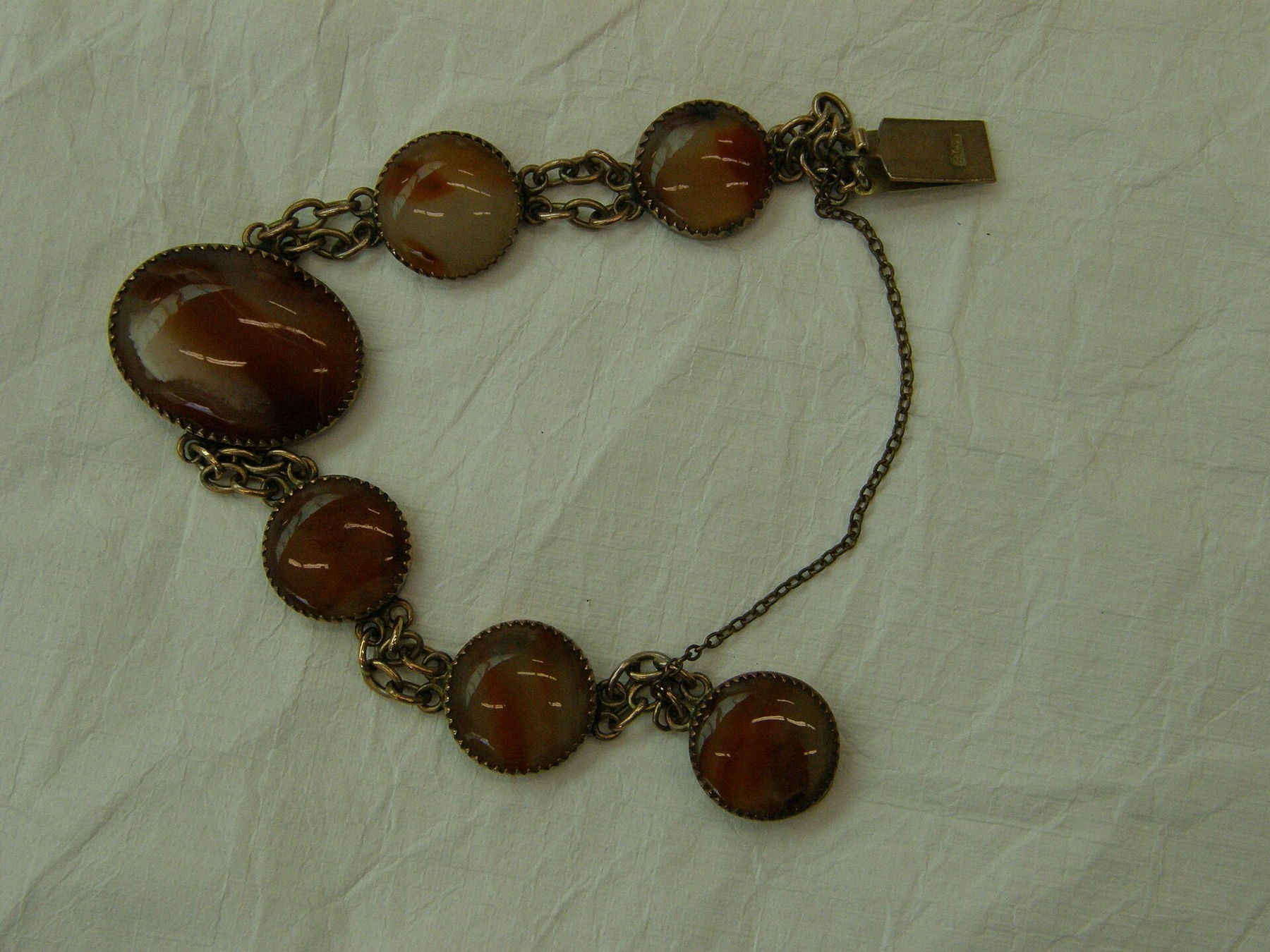
How Wholesale Crystal and Gemstone Bracelet Supply Chains Work
Most wholesale crystal bracelets you’ll see online start with stone cutting and bead production in China, India, Brazil and other gemstone hubs. Those beads are either sold raw or assembled into elastic or wire bracelets before reaching you.
You’ll typically encounter four supplier types:
- Factories and assemblers – cut stones, drill beads, and string bracelets. These are more common on B2B marketplaces like DHgate and Alibaba.
- Trading companies – aggregate product from several factories, then list broad ranges of styles and stones.
- Specialist crystal wholesalers – businesses focused on crystals, selling everything from tumbled stones to curated bracelet lines to retailers. For example, Crystals Energy at blingcrystal.com describes itself as a wholesale crystal jewelry and décor supplier to retailers.
- Curated wholesale marketplaces – platforms like Faire that connect independent brands with retail buyers. Some Faire brands offer crystal bracelet lines, but the platform is geared toward curated, branded product rather than anonymous factory goods.
Crystals and gemstones are highly flexible as wholesale products: they come in many colors, shapes and sizes, and can be sold both as raw stones and finished jewelry. That versatility matters; it lets you choose between:
- Finished bracelets for fast resale (particularly for fashion or metaphysical shops that just want ready-to-shelf SKUs).
- Loose strands/beads to create your own designs (useful if you want a distinct brand aesthetic or specific bead mixes).
Fashion-led boutiques tend to prioritize consistent color and trendy cuts (matte, faceted, mixed stones). Metaphysical or healing-focused shops often care more about stone variety and storytelling, even if beads are simpler. Your segment and brand positioning will drive whether you source generic factory bracelets in bulk or pay more for curated wholesale collections.
Evaluating Crystal Bracelet Suppliers and Channels
Because crystal bracelets sit in a gray zone between fashion and metaphysical products, supplier trust is largely about consistency, not promises about healing effects or authenticity guarantees.
Here’s a practical, topic-specific vetting checklist:
1. Product-level detail and photos For cross-border sellers (on DHgate, Alibaba, etc.), look for:
- Clear bead size (e.g., 6mm, 8mm), bracelet length, and elastic vs wire.
- Close-up photos that show surface texture and drilling quality, not just lifestyle shots.
- Stated materials (e.g., “dyed quartz” vs “natural amethyst”) rather than vague “energy stone” language.
On specialist wholesalers like blingcrystal.com or Rocrystal’s stone bracelet collection, product pages often emphasize stone type and assortment style because they’re built for retailers; use that extra detail to benchmark what “good” documentation looks like.
2. Assortment fit for your niche Compare:
- Bulk variety packs (dozens of mixed stone bracelets, good for low-price bins and impulse displays).
- Single-stone lines (e.g., only rose quartz or obsidian) if you want a cleaner brand story.
Specialist wholesalers and curated marketplaces often offer assortments designed for gift shops and metaphysical stores. Marketplace sellers on DHgate or Alibaba may give you more freedom to mix stones at quotation time, but you’ll have to specify exactly what you want.
3. Signals of wholesale orientation For any supplier, check whether they clearly address retailers:
- Mentions of “wholesale,” case packs, or multi-pack pricing.
- References to working with boutiques, gift shops, or crystal stores.
For example, Crystals Energy at blingcrystal.com positions itself explicitly as a wholesale resource for crystal bracelets and décor, which indicates they understand retail margins and repeat orders.
On large marketplaces, use filters and search terms like “wholesale crystal bracelet,” “8mm stone bracelet bulk,” or “factory” to locate sellers geared towards volume.
4. Communication and customization If you want custom carding, specific bead mixes, or private labeling, you’ll need suppliers who answer questions clearly and quickly.
On marketplaces, make initial contact with a short, specific message:
- Exact bracelet types and stones you want.
- Target quantity for a test order and for a future bulk order.
- Questions about packaging (loose, individual bags, branded cards).
You’re screening not just product, but responsiveness and clarity. If they can’t answer basic questions about bead size and material, you’ll likely struggle when problems arise.
5. Red flags specific to crystal bracelets Skip or downgrade suppliers when you see:
- Extremely broad stone claims (“all natural premium stones”) paired with stock photos reused widely online.
- Listings where photos show obviously different bead colors across images, suggesting inconsistent batches.
- No mention of bracelet sizing; that often means one-size elastic bracelets that may not fit your customer base.
Buying in Bulk: MOQ, Pricing, Logistics, and When DHgate Makes Sense
For wholesale crystal bracelets, MOQs and pricing usually move along a simple curve: lower per-piece cost when you buy more, but with trade-offs in flexibility and risk.
Marketplace sellers and crystal wholesalers commonly structure orders like this (ranges are editorial judgment, not guaranteed figures):
- Test orders at low hundreds of dollars for mixed styles.
- Core reorders in the mid hundreds to low thousands once you validate quality and sell-through.
- Larger imports when you’re turning bracelets consistently and have a handle on demand.
From DHgate’s own blog on china crystals, the platform is described as offering a wide range of crystal stones and jewelry in many colors and forms, with bulk order options and what the blog calls affordable pricing compared with some other online retailers. That blog also notes that some crystal suppliers on DHgate offer discounts that increase as order quantity goes up, but those details are marketing commentary; actual prices and discounts are set listing by listing.
A separate DHgate jewellery blog article describes order processing as “fast and easy” and says buyers can order in bulk or small quantities with no platform-wide minimum order quantity. In practice, MOQs are set by individual sellers, so you must treat each listing as its own deal.
To decide whether DHgate is the right channel for your business, it helps to compare it with other options in a structured way.
Channel fit for crystal bracelet wholesale
Here’s a compact, editorial comparison of common channels for a small US retailer or online shop:
| Channel | Typical product type | MOQ feel (editorial) | Best use case |
|---|---|---|---|
| DHgate (China B2B marketplace) | Factory-made crystal bracelets and loose beads, many generic designs | Often flexible, ranging from small test lots to larger bulk orders, set per seller | Testing low-cost, high-variety bracelets; filling bins and online listings with many SKUs once you’ve vetted specific sellers |
| Alibaba (global B2B marketplace) | Factory-direct jewelry and components, including stone bracelets | Often higher MOQs and more formal quoting, especially for customization | Larger, planned imports or private-label runs where you negotiate specs and packaging directly with factories |
| Faire (curated wholesale marketplace) | Branded, curated jewelry lines including some crystal bracelets | MOQs and terms set per brand; often case-pack based | Stocking recognizable brands, consistent storytelling, and pre-designed displays for boutiques |
| Specialist crystal wholesalers (e.g., Crystals Energy at blingcrystal.com, Rocrystal) | Crystal-focused bracelets, stones, décor, built for retailers | Often case packs or minimum wholesale order amounts | Serving metaphysical/gift shops that need coherent stone assortments and ongoing replenishment with less complexity |
DHgate is strongest when you want variety and low per-unit costs and are willing to do the work of vetting individual sellers. It’s less ideal if you want a curated brand aesthetic, packaged displays, or very specific retail terms, where a specialist wholesaler or Faire brand might fit better.
Simple landed-cost walkthrough for a test Dhgate-style order
Before you commit to any channel, run a basic landed-cost calculation on a hypothetical order. For example:
- Product cost – total dollars for, say, 100 bracelets across 5 styles.
- Packaging and labeling – any extra you spend once pieces arrive (branding cards, price stickers, barcodes).
- Overhead – a rough share of your marketing, storage, and transaction fees.
Divide the total by the number of sellable units to get your true cost per bracelet. Then compare:
- A low-MOQ test from a DHgate seller vs an order from a specialist wholesaler like blingcrystal.com.
- That same per-unit cost against what a curated Faire brand would effectively cost per bracelet.
Often, DHgate and similar marketplaces will look cheaper per piece on paper, especially for simple elastic bracelets. But when you factor in vetting time, possible inconsistencies, and lack of brand story, a slightly higher per-unit cost from a specialist wholesaler can make more sense for boutiques or metaphysical shops that rely on perceived value.
Practical sourcing scenarios
To make this concrete, here are three realistic paths for a small US business:
- Micro ecom shop or Etsy seller – Start with small assortments from a specialist wholesaler (e.g., mixed stone bracelet packs) to validate demand. Once designs that sell well emerge, test 1-2 DHgate or Alibaba factory suppliers for those specific stones to improve margins.
- Brick-and-mortar metaphysical store – Use crystal-focused wholesalers and, if you like branded looks, Faire brands as your core inventory. Treat DHgate as a source of low-cost add-on bracelets for bulk displays, only after careful seller vetting.
If a given DHgate search doesn’t surface crystal bracelets that meet your standards for documentation, photos, or communication, that’s a signal to lean on specialist crystal wholesalers or curated platforms for that part of your assortment.
For more DHgate-specific selection tactics, you can pair this article with process-focused guides such as Find wholesale suppliers on DHgate, Find DHgate suppliers, and Choose a DHgate wholesale supplier, which focus on listing-level vetting rather than crystal bracelets alone.