
If you’re sourcing ball pits and ball pit balls for kids—whether for a home brand, daycare, or a small play space—the best value usually comes from suppliers who can prove what their products are made of, how they’ve been tested, and how they’ll reach you. That often means working with specialized manufacturers or wholesalers that can document materials, age grading, and safety testing for US-bound children’s products, then choosing a channel (industrial supplier, marketplace, or party/event wholesaler) that matches your order size and risk tolerance.
How kids’ ball pits and bulk balls move through the supply chain
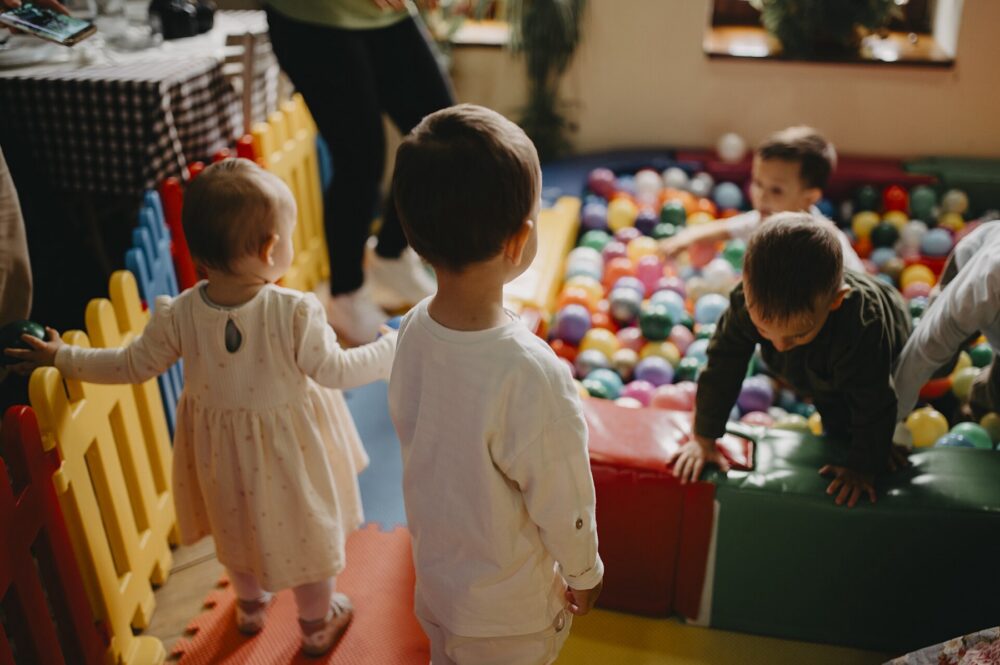
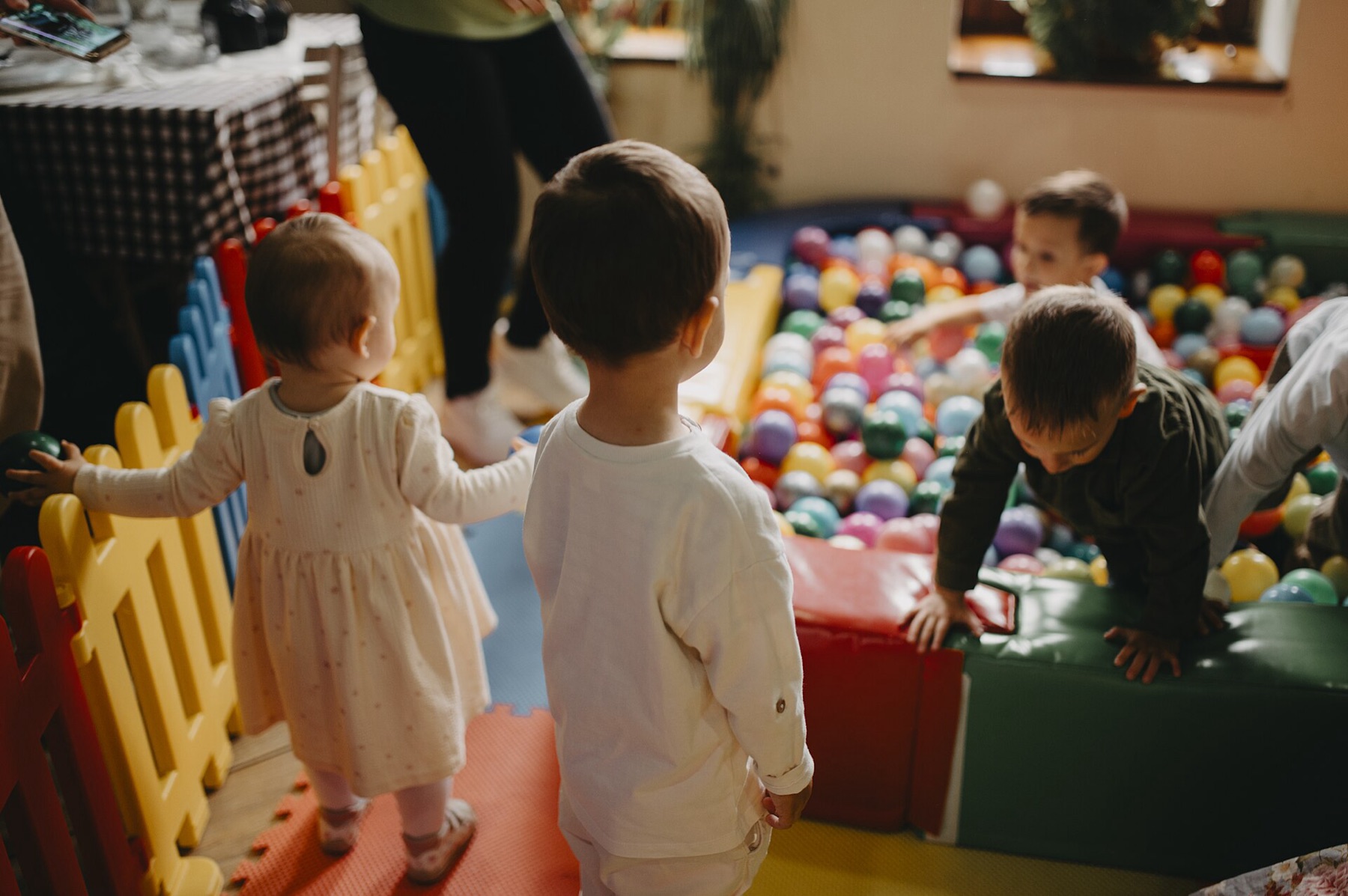
A ball pit is essentially an enclosed play area filled with many small plastic or foam balls, giving kids a cushioned space to jump, crawl, and explore.Source The basic components are:
- The enclosure: often a soft foam wall covered with fabric for home and sensory-room pits, or a sturdier framed structure for commercial play centers.
- The balls: hollow plastic balls or foam balls designed to be light, flexible, and hard to crush.
Production is heavily concentrated in plastic- and toy-manufacturing regions (for example, East Asia and Eastern Europe), where factories can mold and finish thousands of identical balls at a low unit cost. Large buyers (indoor playgrounds, big-box retailers) often purchase directly from manufacturers, while smaller buyers usually access the same products through distributors, wholesalers, or online marketplaces.
Home-use ball pits tend to emphasize attractive fabrics, compact foldable designs, and smaller pack sizes of balls—think a canvas or velvet pit with 200-400 balls. Sensory-focused retailers position pits as tools for sensory integration, balance, and motor planning, and they highlight durability, age-appropriateness, and safety as core selling points.Source Commercial pits in malls or trampoline parks skew toward thicker walls, reinforced seams, and larger ball diameters for heavy traffic.
On the retail side, major marketplaces such as Amazon list ball pit balls marketed as BPA- and phthalate-free, crush-proof, and sold in packs of several hundred.Source Party and event wholesalers like Oriental Trading sell bulk bags of colorful pit balls designed to fill or top up play areas at kids’ parties and events. Both channels draw from a mix of generic and brand-name factories.
For a US buyer, this means your job isn’t just to pick a color mix—it’s to plug into this existing supply chain at the right point: direct factory if you need custom colors and thousands of balls, or wholesaler/marketplace if you need smaller lots with faster replenishment.
Turning safety guidance into supplier checks
Ball pits are children’s products, so US buyers are expected to treat them with the same care as toys or nursery items. General editorial guidance on pit balls emphasizes three themes: size, material, and quantity, along with safe use. That high-level advice becomes more useful once you translate it into specific sourcing questions.
1. Materials and chemical safety
You’ll see consumer-facing listings on Amazon and elsewhere promoting “BPA-free, phthalate-free” plastic and non-toxic foam.Source Sensory retailers and editorial guides also encourage buyers to choose pit balls made from durable, puncture-resistant materials and to look for ASTM or CPSC safety certifications as signals of testing.
When you talk to a wholesale supplier, turn that into concrete requests:
- Ask what resin or foam is used (e.g., PE plastic, PVC, or specific foam types).
- Request test reports for relevant ASTM toy/child product standards or CPSC rules (for example, migration of certain chemicals, small-parts requirements). Don’t treat these as guarantees; verify that reports reference the exact product, factory, and date.
- Clarify additives and finishes: Are the balls coated or printed? If yes, ask what inks or coatings are used and whether they were included in testing.
If a supplier cannot clearly state the material type, or they send generic lab reports that don’t match your product’s description, that’s a red flag.
2. Ball size, wall thickness, and crush resistance
For toddlers, buying guides recommend balls large enough not to pose a choking hazard and strong enough not to collapse easily under a child’s weight. In wholesale terms, that means specifying:
- Diameter (often ~6-7 cm in consumer markets; confirm with the factory).
- Wall thickness or a crush-test description (for example, can an adult squeeze the ball flat without it cracking?).
- Weight range per ball, which influences both feel and shipping cost.
Ask the supplier to send physical samples so you can manually check crush resistance and surface finish. If you’re building a brand, lock these specs into your purchase order so the next batch can be compared.
3. Pit construction, padding, and ventilation
Safety guidance for pit areas highlights soft padding, good ventilation, and avoiding sharp edges or loose parts. Sensory suppliers often show foam pits with higher walls and firm bases to support jumping.Source
For a wholesale buyer, this translates to:
- Specifying foam density and cover fabrics (e.g., wipeable PU vs. washable cotton) for soft pits.
- Requesting photos or diagrams of seams, zippers, and frames to check for pinch points or exposed hardware.
- Asking how the pit folds or collapses, and whether there are any detachable pieces small enough to become hazards.
4. Cleaning and replacement planning
Editorial advice suggests cleaning pit balls regularly (every few months in home use, more often in shared spaces) and removing damaged balls as soon as they’re spotted. For a business or micro-brand, cleaning and replacement become part of your sourcing spec:
- Favor smooth, non-textured balls and wipeable pit fabrics that withstand mild disinfectants.
- Ask suppliers if they offer top-up packs of balls in the same color mix, so you can replace damaged stock without redoing your entire pit.
Think beyond the initial order. If you plan to run a daycare or sensory room, you’ll go through replacement balls; a supplier that can re-supply matching stock is more valuable than the absolute lowest upfront price.
Pricing, MOQs, and picking a wholesale channel
Wholesale economics for ball pits and balls are driven by three levers:
- Volume (number of balls / pits),
- Customization (colors, branding, packaging), and
- Logistics (domestic vs. cross-border shipping, duties, and storage).
While specific prices move frequently, you can use channel type as a proxy for cost structure and minimum order expectations.
Channel comparison for different buyers
The table below sketches how three major channel types tend to fit different use cases. It uses real examples such as Oriental Trading’s bulk pit balls, sensory-focused retailers,Source and Amazon’s best-seller packs.Source
| Channel type | Typical buyer fit | Pack sizes / MOQs (qualitative) | Key strengths | Trade-offs |
|---|---|---|---|---|
| Specialist industrial / sensory suppliers | Sensory rooms, clinics, small indoor playgrounds | Medium–large orders; often case- or pallet-level | Durable materials, age-appropriate designs, strong specs focus | Higher upfront spend; fewer small-quantity options |
| General marketplaces (e.g., Amazon) | Home brands testing market, micro ecom sellers | Consumer packs (hundreds of balls)Source | Easy small-batch buying; wide choice of BPA-/phthalate-free marketed options | Limited control over long-term supply consistency |
| Party & event wholesalers | Party rental, event planners, small play corners | Bulk 100+ pit balls per SKUSource | Simple bulk refills; aimed at kids’ parties and play areas | Less customization; specs and testing info can be minimal |
This is not a strict rulebook, but it can help you decide: if you run a sensory space, an industrial/sensory supplier may justify the higher MOQs. If you’re testing a home brand, smaller marketplace packs can reduce risk.
Where a cross-border marketplace like DHgate can fit
Cross-border marketplaces add another layer. Around 2026-10-06, DHgate listed multiple kids’ ball-pit-related products, such as:
- 100pcs Colorful Fun Balls Soft Plastic Ball Pit Balls Baby Kids Tent Swim Toys (category: Sand Play & Water Fun; price range about USD 12.34-18.09; some buyer reviews and a 5.0 rating at that time).
- 100pcs Ball Pit Balls Tent, BPA Free Colorful Plastic Balls (category: Billiard Balls; price range about USD 63.64-66.66; title claims “BPA Free”).
- Foldable Ball Pit, Baby Pop-up Ball Pit Pool for Kids and a similar Oxford cloth portable ball pit (both in Baby Playpens; price ranges roughly USD 77-116 depending on listing and options).
These listings illustrate how cross-border marketplaces can offer small to medium packs (around 50-100 balls) and foldable pits suitable for micro-batches, often with broad claims like “BPA free” or “soft plastic.” You should treat these only as starting points:
- Check how many real reviews exist and read them critically.
- Confirm ball diameter, material type, and any testing claims directly with the seller; the category label (e.g., “Billiard Balls” vs. “Sand Play & Water Fun”) may not match your intended use.
If you plan to build a recurring business around a cross-border marketplace supplier, consider pairing marketplace exploration with broader sourcing skills. DHgate-specific supplier selection frameworks, such as those described in Find wholesale suppliers on DHgate, can help you stress-test individual sellers’ consistency and communication.
Two practical sourcing scenarios
To make this concrete, here’s how the above guidance might play out for two very different buyers.
Scenario 1: Home micro-brand selling on Etsy or Amazon You plan to private-label a velvet ball pit with 400 balls for toddlers.
- Start by ordering consumer-size packs from a marketplace where balls are already marketed as BPA- and phthalate-free and “crush-proof.”Source
- Request material and test documentation from any factory you consider for larger runs, and check whether they can match your packaging and color palette.
- Once you confirm specs you like, lock in ball size, weight, and color mix in a written spec sheet and keep a small reserve of balls for future QC comparisons.
Scenario 2: Small indoor playground or sensory room You’re fitting out a therapy or play space that will see daily use.
- Prioritize industrial or sensory-focused suppliers that already sell into clinics or schools; their pits and balls are more likely to be built for heavy use and accompanied by detailed specs.Source
- Ask for foam density, cover material details, and ball crush-test descriptions, plus references from similar customers.
- Plan your cleaning and replacement schedule in advance and negotiate access to spare ball packs of matching colors, so your pit doesn’t gradually turn into a patchwork.
In both cases, the cross-border option is still on the table—but only after you’ve translated your safety and durability needs into non-negotiable specs and documentation requirements. That way, you’re using wholesale channels and marketplaces as tools, not rolling the dice on whatever “fun balls” happen to be cheapest this week.