
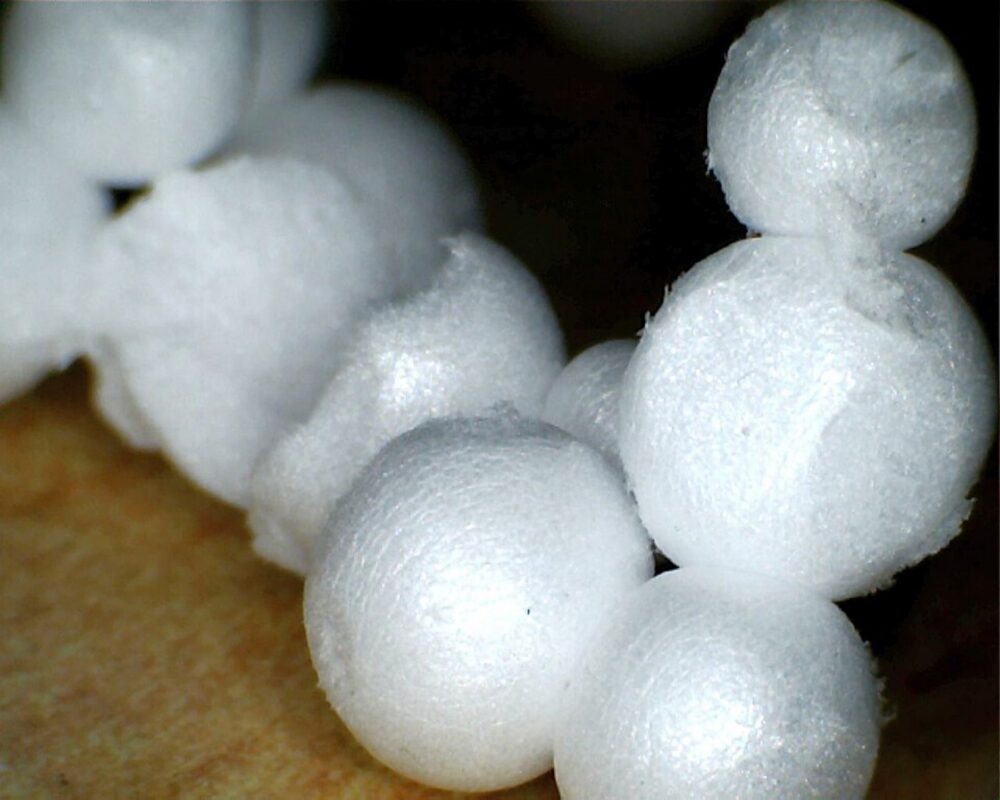
You can find bulk Styrofoam and foam craft balls on DHgate by searching specific terms (like “polystyrene foam craft balls”), narrowing down to the sizes and pack styles you need, and then closely reading each listing to confirm whether you’re buying solid balls, half balls, or tiny filler beads. For a school or small ecommerce project, the safest path is to shortlist 2-3 suppliers, ask direct questions, and place a small test order before committing to classroom- or inventory-level quantities.
This guide walks through what bulk foam balls usually look like in the supply chain, how to find and interpret DHgate listings, and how to turn them into workable orders—or decide that a local craft wholesaler or other marketplace is the better fit.
How bulk foam craft balls are typically sold
For US buyers used to grabbing a few balls at a craft chain, wholesale formats can be surprising. Most foam craft balls for schools and DIY are made from expanded polystyrene (often called Styrofoam) and sold by diameter, usually in centimeters.
Common patterns you’ll see in bulk listings (including on DHgate):
- Diameter range: Example DHgate listings at the time of research show small balls around 1-2 cm up to large spheres around 30-35 cm. One listing, for instance, offers white modelling foam balls in sizes from 1 cm up to 30 cm in the same product family.
- Shape variants:
- Full spheres (standard craft balls).
- Half balls or domes—often described as “half round” and used for wall-mounted decorations.
- Eggs, cones and bears sold under the same “Styrofoam” umbrella.
- Pack and assortment styles:
- Multi-size assortments like “1-5 cm” or sets of 10 balls sized 7-8 cm.
- Single-size packs aimed at decorations, often 10 pieces or more per pack.
- Bulk tiny beads described in grams or total piece counts, meant as fillers rather than standalone craft balls.
For a classroom volcano or solar system project, you typically want solid spheres in a predictable size (for example 5-8 cm), not domes or beads. Keeping those industry patterns in mind helps you avoid the most common misorder: buying half balls or mini beads when you intended full spheres.
| Size / format | Typical use case | DHgate-style example description* |
|---|---|---|
| 1-4 cm full balls | Kids’ crafts, small planets, holiday ornaments | “Modelling foam round balls 1-5 cm” |
| 5-10 cm full balls | School models, centerpieces, medium decor | “White modelling foam craft balls 1/2/4/5/6/7/8/9/10/12/15/20 cm” |
| 15-35 cm full or half balls | Large displays, stage props, big event decor | “1cm-35cm white modelling half polystyrene foam ball spheres” |
| 2-9 mm tiny beads | Slime, snow effects, stuffing, clear bottle decor | “2-8 mm polystyrene Styrofoam balls bottle slime beads/filler” |
*Descriptions paraphrased from DHgate listing titles viewed 2026-10-06.
Finding and screening foam ball listings on DHgate
On DHgate, your main tools are the search bar, filters, and how carefully you read the product title and size chart.
1. Start with specific search terms
Go to dhgate.com and use the top search bar. Helpful English search phrases include:
- “styrofoam balls crafts”
- “polystyrene foam craft balls”
- “white foam round balls 1-4cm”
- “polystyrene filler beads slime” (if you actually want tiny beads)
2. Decode titles: full balls vs half balls vs beads
Because many listings bundle several sizes and shapes, your next step is to decode the title and images.
Some real DHgate examples (titles shortened for clarity, retrieved 2026-10-06):
- Full balls, multiple sizes:
- “1/2/3/4/5/6/7/10/12/15/18/20/25/30cm Modelling White Polystyrene Styrofoam Foam Craft Balls” – a family of white round balls in many diameters.
- “1/1.5/2/3/4/7/8/9/10/12/15/18/20/30cm White Modelling Foam Round Ball Craft Polystyrene Styrofoam Decorative Balls”.
- Half balls/dom es:
- “1cm-35cm White Modelling Half Polystyrene Styrofoam Foam Ball Spheres” – explicitly “half,” which means you’re buying domes.
- “2/3/4/5/6/7/8/9/10/12/15/18/20/25/30/35cm Half Round Solid Polystyrene Styrofoam Foam Balls”.
- Tiny beads/filler:
- “15g/Bag 2-8mm Polystyrene Styrofoam Balls Bottle Foam Ball Particles Slime Balls Small Tiny Foam Beads Ballon Foam Filler”.
- “500g 7-9mm Polystyrene Styrofoam Balls Bottle DIY Snow Mud Particles Accessories Slime Balls Small Tiny Foam Beads For Filler”.
For school projects, you probably want the first category: full balls that list diameters in centimeters or inches. Any appearance of “half round,” “half ball,” “filler,” “slime,” or pack weights in grams is a sign you’re in a different product type.
3. Use size and category clues to avoid misorders
Size ranges and even categories can look odd if you’re used to US retail craft sites. Some foam balls show up under categories like Christmas decorations, airless bottles, or even billiard balls because of how sellers classified them.
Practical checks:
- Scan the full size list in the photos or description. A listing like “1-4CM Round Styrofoam Balls Christmas Ball White Artificial Mini Foam Craft Balls” clearly signals mini sizes, while something like “1.5cm 2/3/4/5/7/8/9/10/12/15/18/20/30cm white foam balls” shows a broad range up to 30 cm.
- Check units: some listings aimed at US buyers, like “50 Pack Craft Foam Balls, 5 Sizes (1-2.4 Inches) White Polystyrene Smooth Round Ball DIY Craft for Easter Supplies School Project”, mention inches as well as centimeters.
- Look for “half” or shape words in the title and in the photo overlay text. If it says “half round” and shows a flat back, it’s a dome.
4. Read seller and listing signals with a classroom lens
DHgate’s blog on ecommerce sourcing encourages buyers to use filters, check ratings and reviews, compare prices, and order samples before wholesale buys. For foam balls, make that guidance more specific:
- Ratings and reviews: prioritize listings where buyers mention size accuracy or defects (for example, comments about flat spots or gouges). DHgate blog examples show both satisfied and critical reviews for foam balls, including notes about imperfect surfaces—information that might be fine for glitter-covered ornaments but wrong for a clean, painted science model.
- Photo realism: cross-check photos that look like stock images against buyer-uploaded photos where available.
- Supplier focus: a seller that carries several related Styrofoam products (balls, eggs, cones) is more likely to understand size and density questions than a general merchandiser whose main product is unrelated, like building materials.
If you’re sourcing for a school district or recurring kits, this is the stage where you narrow down to two or three suppliers worth messaging.

DHgate listing snapshot: foam balls and beads as of 2026-10-06
- Mixed-size full spheres:
- 1/2/3/4/5/6/7/10/12/15/18/20/25/30cm Modelling White Polystyrene Styrofoam Foam Craft Balls – multiple diameters in one product line, in the Christmas decorations category.
- 1/1.5/2/3/4/7/8/9/10/12/15/18/20/30cm White Modelling Foam Round Ball Craft Polystyrene Styrofoam Decorative Balls.
- Half balls / domes:
- 1cm-35cm White Modelling Half Polystyrene Styrofoam Foam Ball Spheres for New DIY Crafts Supplies.
- Mini assortments for school projects:
- 50 Pack Craft Foam Balls, 5 Sizes (1-2.4 Inches) White Polystyrene Smooth Round Ball DIY Craft for Easter Supplies School Project – a multi-size, 50-piece pack clearly labeled for school projects.
- 1-4CM Round Styrofoam Balls Christmas Ball White Artificial Mini Foam Craft Balls – small spheres branded as Christmas balls.
- Egg shapes and ornaments:
- 10 Pcs White Craft Balls Styrofoam Foam Egg Easter Party Decoration DIY Painting Ball Toys – egg-shaped forms sold in a 10-piece pack.
- 10 Pieces 8cm/7cm Ball Shaped Styrofoam Foam Ornaments DIY Craft Party Decoration.
- Filler beads and slime balls:
- 15g/Bag 2-8mm Polystyrene Styrofoam Balls Bottle Foam Ball Particles Slime Balls Small Tiny Foam Beads.
- 6-8mm Mini Colors Polystyrene Styrofoam Filler Balls Decorate Crystal Bottle DIY Snow Mud Particles Accessories.
- 14000 Pcs Polystyrene Styrofoam Filler Balls Bottle DIY Snow Mud Particles Accessories Slime Balls Small Tiny Foam Beads for Foam.
Seeing these side by side highlights why granular reading matters: several products share similar titles (“Styrofoam balls”), yet one might be a smooth 8 cm ornament, another a half dome, and a third a bag of 2-8 mm beads.
Turning DHgate listings into practical bulk orders
Once you’ve found a promising listing or two, you still have to line them up with your project requirements. That’s where quantities, sampling, and timelines come in.
Align pack styles and MOQs with your project
DHgate foam balls often come in multi-piece packs aimed at DIY and school use. Examples from the snapshot above include:
- Packs of 10 larger balls, such as the 8 cm ornaments.
- Mixed-size assortments like the 50-pack for school projects.
- Single-size families where you choose a size (say 10 cm) and the seller then offers packs at that diameter.
If you’re buying for a single classroom, a few 50-packs may be enough. A small ecommerce seller building inventory might want several size options, but still at relatively modest quantities. The key is to read how many balls you get per size per pack, then do the math for your specific project instead of assuming “one pack = one class.”
For help on general DHgate supplier hunting and MOQ norms beyond foam balls, it’s worth pairing this guide with broader pieces on finding and choosing sellers, such as Find DHgate suppliers and Choose a DHgate wholesale supplier.
Use sampling for quality and size checks
DHgate’s own ecommerce-startup guidance recommends ordering samples before larger wholesale purchases. For foam balls, a sample or very small batch lets you check:
- Actual diameter vs the stated size, especially when hand-measured.
- Density and surface quality: schools may need firmer foam that doesn’t crumble when painted.
- Compatibility with classroom materials: for example, whether typical school glues and paints adhere well.
In a hypothetical school-project scenario—say, 3rd graders making solar systems—one sample order of 20-30 balls across sizes might be enough to validate a supplier. Once you’re confident in the product, you can reorder from the same listing ahead of next year’s unit.
When another route might be better than DHgate
DHgate is strong for variety and bulk cost efficiency, a point echoed in several DHgate blog posts about wholesale Styrofoam balls and DIY projects. But it isn’t always the right channel.
You may be better off with a local or alternative source when:
For US buyers planning recurring projects or running small ecommerce shops, DHgate is often most useful once you’ve tested one or two suppliers and are ready to standardize on their sizes and pack formats. For one-off, last-minute school crafts, a domestic supplier is usually the simpler route.
If you want a broader grounding in how to work with DHgate as a wholesale marketplace beyond this single product category, Find wholesale suppliers on DHgate is a good next read.