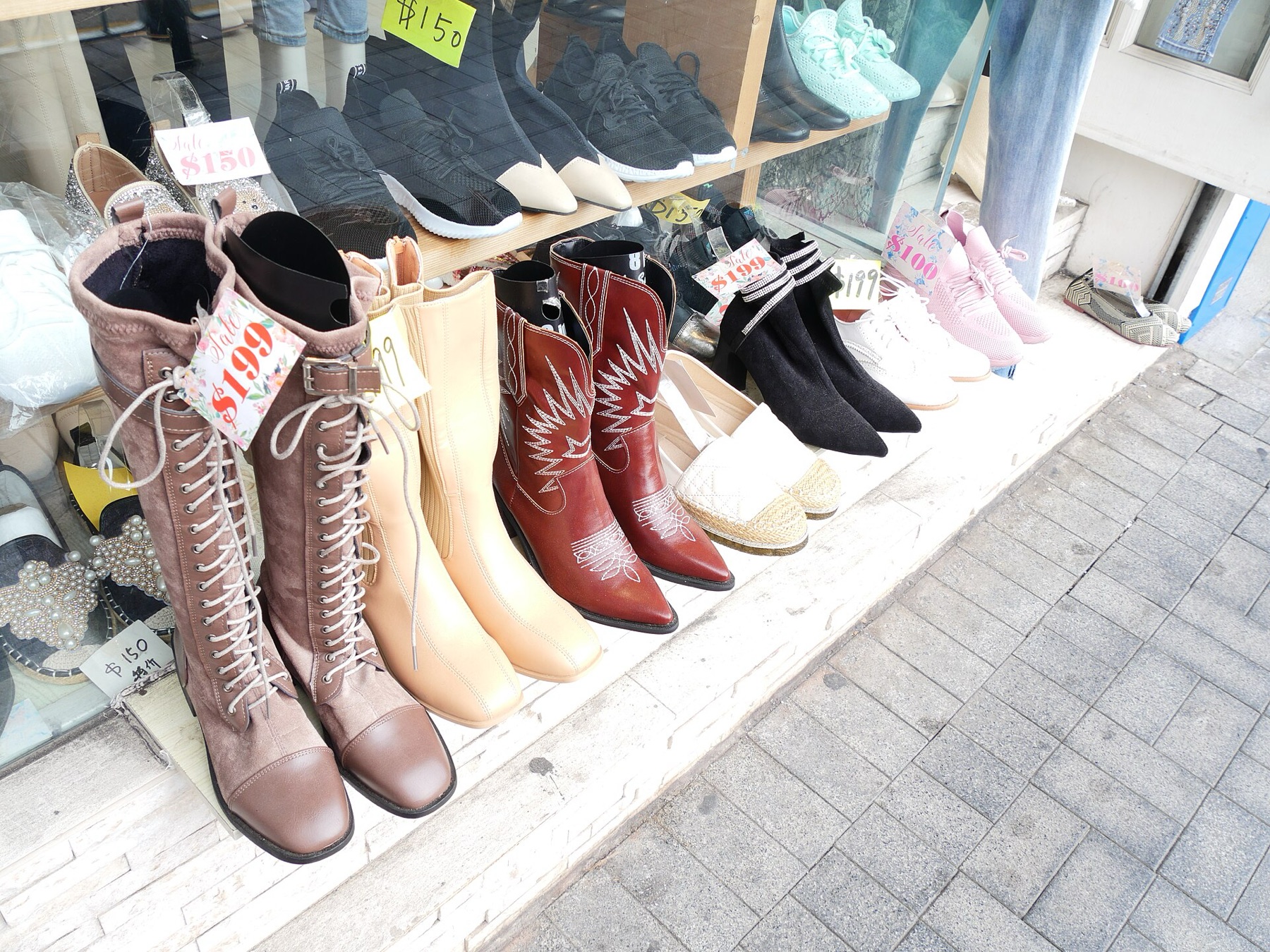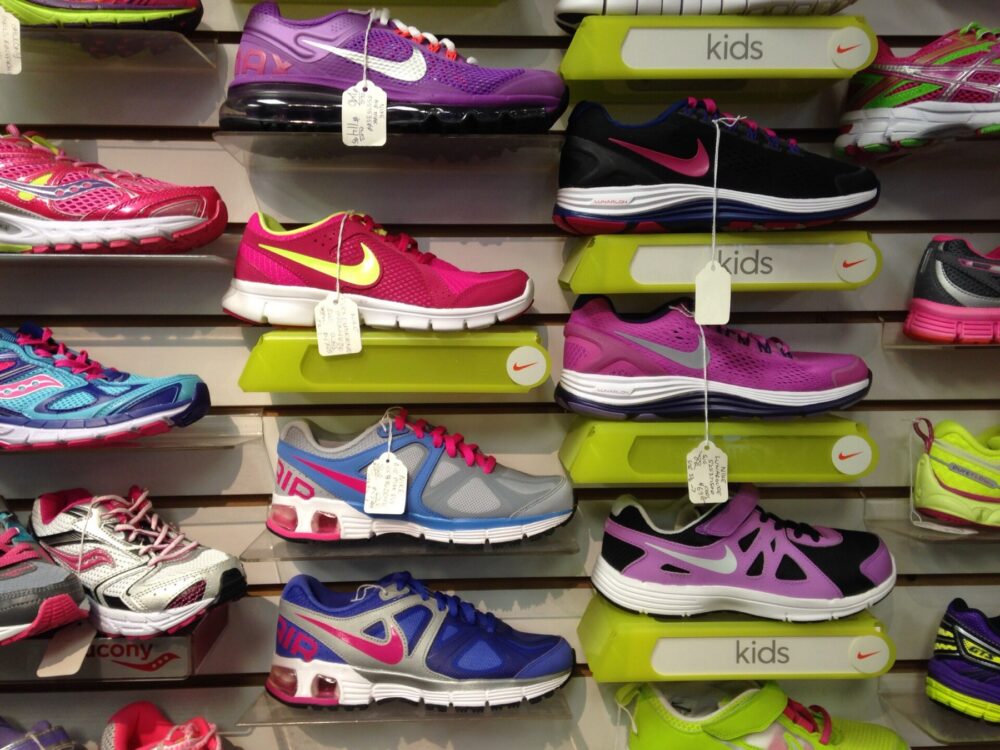
Wholesale shoe sourcing for a small US business means buying footwear in bulk from suppliers that sell to commercial buyers at discounted prices, then reselling at retail or online margins. You can do that domestically through US wholesalers and liquidators, or cross‑border through marketplaces like DHgate, Alibaba, AliExpress, or Made‑in‑China. DHgate positions itself as a B2B cross‑border marketplace with large product volume, including shoes, and is generally best for small and medium sellers who are willing to vet individual suppliers carefully and manage importing costs.
The decision you need to make is not “DHgate or nothing,” but which mix of channels gives you reliable styles, acceptable quality, and repeatable margins for your niche.
How Wholesale Shoe Supply Works for Small US Sellers
A wholesale footwear supplier is a business that sells shoes in bulk to retailers and resellers at discounted prices compared with retail. Many source their stock from overstock, closeouts, discontinued lines, or direct manufacturing and then redistribute it to stores and ecommerce sellers.districtsupply
For a small US seller, the main channels are:
- Domestic distributors and liquidators. US‑based footwear wholesalers and closeout companies sell pallets, cases, or curated lots of shoes. Some focus on new branded stock; others on off‑price or mixed inventories.fashion‑manufacturing
- Category‑focused US wholesalers. Companies like Alliance Global Distribution and Easy USA / Cheng’s Enterprise distribute footwear across sports, casual, and fashion categories to US retailers.
In practice, many small sellers start with domestic stock (simpler logistics, faster delivery) and layer in cross‑border suppliers once they understand their best‑selling styles and price points.
Choosing and Working With Footwear Suppliers
Shoes are unforgiving: fit, comfort, and durability failures show up quickly in returns and reviews. Your supplier selection process needs to be more structured than “find a cheap sneaker.”
Shortlist with a footwear‑specific lens
Start by narrowing to suppliers that clearly specialize in the type of shoe you sell:
- Product focus: running shoes, fashion heels, slides, work boots, kids’ shoes. A supplier catalog that’s 90% electronics and one page of sneakers is riskier than a footwear‑heavy catalog.
- Size runs and width options: make sure size charts match US sizing and include the ranges your customers expect.
- Material clarity: look for explicit uppers (leather vs PU), outsole materials, and lining details, not just “high‑quality material.”
On marketplaces like DHgate, filter down to shoe categories and then examine each seller’s storefront: catalog breadth, how long they’ve been active, and whether their listings look consistent and professionally presented.
Verify the business behind the catalog
Because you’re likely not visiting factories, you rely on documentation and digital signals:
- Company profile: years in business, export regions, and whether footwear appears to be a core product.
- Repeat buyers and reviews: look for detailed reviews that mention comfort, sizing accuracy, and durability over time.
- Photo consistency: mismatched photo styles and branding across listings can indicate the supplier is flipping third‑party stock rather than controlling production.
Use samples as a mandatory gate
Before placing a real wholesale order, treat samples as your mini product test:
- Order several sizes for one style and have multiple people try them on.
- Flex the shoe, inspect stitching, glue lines, sole traction, and color consistency.
- Wash, wear, and bend them harder than a normal customer would, then decide if they’d survive real use.
Compact supplier checklist
For each candidate supplier, you should be able to answer:
- Do they specialize in your footwear category?
- Can they supply your required sizes and colors consistently?
- Have you tested physical samples and are you satisfied?
- Have you seen evidence of repeat wholesale customers (reviews, case studies)?
- Do their minimum order quantities and lead times match your cash flow and storage capacity?
If any of these answers is “no,” that supplier is not ready for a core role in your business.
Pricing, MOQs, and DHgate vs Other Wholesale Channels
How MOQs and pricing usually work
- Domestic wholesalers: Often quote by case, pallet, or pre‑packed assortments. MOQs tend to be framed in dollar value or number of units, with higher prices but lower freight complexity.
- Liquidators: Price per pallet or lot; quality and style mix can be uneven, but per‑pair cost is sometimes very low.
- Cross‑border suppliers: Commonly set MOQs per style or per color. Per‑pair prices can be lower, but you add international freight, customs, and longer lead times to the math.
Landed cost for cross‑border shoes includes product price, packaging, international shipping, insurance if you choose it, and import duties/taxes. You don’t need precise forecasts here, but you do need a buffer: assume your real landed cost will be meaningfully higher than the ex‑factory price.
Where DHgate fits among marketplaces
DHgate describes itself as a B2B cross‑border ecommerce marketplace hosting large numbers of suppliers and products across many categories, including shoes.dhgate‑footwear‑import It also presents itself as suitable for small and medium‑sized businesses that want to place relatively small orders while accessing wholesale‑style pricing and volume discounts.dhgate‑shoes‑bulk In other words, it’s built to make it possible for a small US seller to test new footwear lines without committing to factory‑level MOQs.
Here’s how DHgate compares conceptually with other sourcing routes:
| Channel type | Typical buyer fit | MOQ / price pattern (editorial view) | Main pros for shoes | Main trade‑offs for shoes |
|---|---|---|---|---|
| US footwear wholesaler | Brick‑and‑mortar, US‑only ecommerce | Higher per pair, moderate MOQs | Faster delivery, simpler returns, known brands | Less customization, higher buy‑in per style |
| US closeout/liquidator | Discount stores, off‑price ecommerce | Lot/pallet based, low per pair | Very low cost, branded overstock possible | Unpredictable styles, size runs and condition |
| Cross-border multi-seller marketplace | Small/medium sellers testing or scaling | Positions itself to allow smaller bulk orders | Wide style variety, direct access to suppliers | Import logistics, cross‑border quality variance |
| Alibaba / Made‑in‑China | Larger buyers, custom projects | Often higher MOQs per style, factory driven | Deep customization and OEM options | Bigger upfront commitments and longer lead times |
AliExpress, mentioned alongside DHgate in DHgate’s own editorial,dhgate‑alt‑platforms leans more toward retail‑level purchasing with some wholesale opportunities, while Made‑in‑China often targets buyers looking for customized or large‑scale production. DHgate’s niche is closer to “bridge the gap” between pure retail and full factory wholesale for global small businesses.
Evaluating DHgate footwear listings like a buyer, not a browser
If you decide DHgate is worth exploring for shoes, treat every listing and seller as a separate decision:
- Product relevance: Use precise search terms (“women’s chunky heel”, “men’s breathable running shoe”) and filter within footwear categories.
- Evidence of real wholesale activity: Look for order counts, repeat reviews from business buyers, and a range of similar shoe styles in the seller’s catalog.
- MOQ and price bands: Compare how many pairs you must buy to reach a workable per‑pair cost. Make sure that MOQ matches your budget and storage space.
- Sampling strategy: Before any meaningful wholesale order, ask the seller about sample options and whether you can mix sizes and colors in a trial batch.
If you can’t get satisfactory clarity on any of those points from a DHgate seller, consider that a signal to either keep them in a secondary test bucket or stick with domestic wholesalers you already understand.
Planning for repeat orders
For shoes that sell well, your real profit comes from repeat orders that don’t surprise you on quality or timing. Cross‑border suppliers, including those reached through DHgate, need to prove they can:
- Deliver the same style with consistent materials over multiple runs.
- Maintain size accuracy and packaging quality.
- Communicate clearly about any model changes, color tweaks, or production delays.
Start by making a small order your stress test. If the shoes arrive as expected, your customers like them, and reordering feels structured rather than improvised, you’ve found a supplier that may justify deeper integration into your assortment.
For domestic suppliers, the same logic applies: stable assortments and predictable restock windows often matter more than squeezing out one extra dollar of margin.
How to decide your mix of channels
As a small US footwear seller, you don’t have to pick a single “best” channel. Instead:
- Use US wholesalers and distributors for core, reliable stock and faster replenishment.
- Experiment with DHgate and similar marketplaces for trend‑driven or highly price‑sensitive styles where you’re comfortable testing and absorbing some variance.
- Dip into liquidators only if your brand, customer base, and operations can handle uneven assortments and potential cosmetic flaws.
If your priority is simplicity and you’re early in your journey, bias toward domestic suppliers first, then add one or two carefully vetted DHgate footwear sellers as controlled experiments.
For process help specific to DHgate, you can pair this article with practical guides like Find wholesale suppliers on DHgate, Find DHgate suppliers, and Choose a DHgate wholesale supplier.