
This guide explains how wholesale shoe dropshipping fits into a US ecommerce business, how to evaluate specific suppliers (including DHgate sellers), and when a broad marketplace or a specialized dropship platform is the better sourcing channel.
How Wholesale Shoe Dropshipping Works and Where It Fits
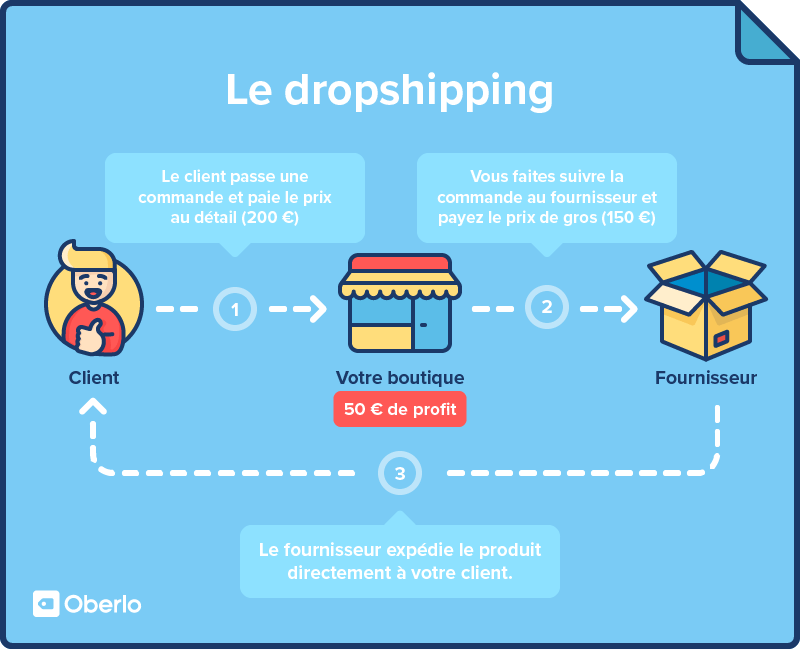
In wholesale shoe dropshipping, you partner with suppliers who already manufacture or stock footwear, then list their products in your store. When a customer buys a pair of sneakers or sandals from you, you forward the order to the wholesaler, who packs and ships the shoes directly to your buyer.EasyUSA’s dropshipping overview describes this flow for case-based footwear orders: you sell, they fulfill.
For shoes, the supply chain often looks like this:
- Production or bulk purchasing happens in major manufacturing hubs (often in Asia or Latin America).
- A wholesaler or marketplace seller keeps inventory in their warehouse.
- Your store markets the shoes to US customers via Shopify, Amazon, or a marketplace storefront.
- The supplier ships each order on demand; you never touch the product.
This model makes sense if:
- You want to test multiple styles, colors, and price points without tying up cash in inventory.
- You’re targeting fast-changing niches (fashion sneakers, seasonal boots) where holding stock is risky.
- You don’t have warehouse space or staff.
It’s less ideal if:
- You need tight control over shipping speed and packaging branding.
- Your niche demands guaranteed authenticity and traceable sourcing that you can’t verify remotely.
- Margins are already thin; dropshipping adds extra fees and potentially longer shipping routes.
DHgate fits here as a large cross-border marketplace with many sneaker and sportswear listings. Its editorial content highlights broad catalog and competitive bulk pricing, plus dropshipping options from some sellers. But DHgate is a marketplace, not a single wholesaler—every store, brand, and listing is its own risk profile you must investigate.
Evaluating Shoe Dropship Wholesalers: Signals, Red Flags, Communication
Before you list any shoe for sale, you need to know three things: the supplier really sells what you want, they’re willing to work with a small ecommerce business, and you can meet their requirements. A widely cited wholesale buying checklist stresses exactly that: make sure they have the products you need, will sell to you, and that you can comply with their terms on quantities and payments.
Here’s a practical checklist to run on each shoe dropship wholesaler.
1. Product fit and catalog depth
- Styles and sizes: Does the supplier cover your real target niche—e.g., men’s athletic sneakers size 8-13, women’s heels, work boots? Browse their catalog and count how many SKUs truly match your audience.
- Quality tier: Look closely at product photos, material descriptions (leather vs PU, EVA vs rubber soles), and customer images. Shoes have high return risk; poor quality or misleading photos will come back to you as refunds and bad reviews.
On DHgate, this means scanning categories like sneakers/boots and comparing multiple sellers’ photos and descriptions side by side, not just grabbing the cheapest listing.
2. Will they work with small sellers?
Many wholesalers are set up for case or bulk orders rather than one-off dropshipping. Some, like EasyUSA, focus on case-based footwear dropshipping; others in shoe supplier roundups sell per-pair for online stores.
Ask each supplier directly:
- Do you offer single-pair dropshipping to US consumers, or only bulk/case orders?
- Is there a minimum monthly order volume or sales commitment?
- Are there extra fees per dropship order (handling, packing)?
If you’re looking at DHgate, send a short templated message to the seller:
“I run a small US-based online shoe store. Do you support dropshipping (you ship directly to my customers) and are there any minimum volume requirements or extra per-order fees?”
Their response speed and clarity are early reliability signals.
3. Requirements, margin, and total landed cost
You’re not just buying shoes—you’re buying a margin structure.
Inline pre-order checklist:
- Unit or case price
- Any dropship or handling fee
- Estimated shipping cost to your target country
- Your target retail price
- Marketplace fees (Shopify apps, Amazon fees, etc.)
Run a simple margin test before you commit: if your total supplier cost leaves less than a reasonable percentage for profit after platform fees and returns, that shoe isn’t worth listing.
4. Using DHgate’s seller evidence
When you open a shoe listing on DHgate:
- Check ratings and review count: A store with a long history and many reviews is usually safer than a brand-new seller with no feedback.
- Compare prices across sellers: Editorial guidance from DHgate warns that extreme price differences can be a red flag. If one listing is dramatically cheaper than similar shoes, ask why.
For extra security, you can use DHgateWiki’s tooling to tighten your shortlist:
- Use the guide on finding DHgate suppliers to narrow by category and seller history.
- Then apply the steps in choosing a DHgate wholesale supplier to compare those sellers on reliability and fit.
5. Red flags and test orders
Red flags for shoe dropship wholesalers include:
- Vague or copy-pasted product descriptions, especially for technical shoes (running, work boots).
- Refusal to clarify shipping model or accept a paid sample/test order.
- Poor or dismissive communication when you ask basic questions.
For any new supplier—DHgate or otherwise—place a small test order shipped to yourself. Check:
- Actual materials and construction.
- Packaging and labeling (any confusing branding or potential IP issues).
- Real transit time compared with their estimate.
If the test order fails, don’t list the product. That small loss is cheaper than unhappy customers.
Choosing Sourcing Channels: DHgate vs Specialized Dropship Platforms
You have two broad options for shoe dropshipping: general marketplaces with many sellers (like DHgate) and specialized dropship shoe platforms or wholesalers.
Here’s how the channel types typically compare:
| Channel type | What it is (editorial view) | Where it usually fits |
|---|---|---|
| Broad marketplace (e.g., DHgate) | Large cross-border catalog with many independent shoe sellers; you pick individual stores and listings. | Good for experimenting with many styles and price points, or sourcing niche designs you can’t find domestically. Requires strong seller vetting. |
| Specialized shoe dropshipper (e.g., EasyUSA, Top Shoe Vendor) | Wholesalers or platforms focused primarily on footwear and/or dropship logistics. | Better if you want a curated catalog, clearer terms, and processes tuned to shipping shoes, not generic products. |
| General dropshipping platforms with shoe categories (e.g., CJdropshipping) | Tools and supplier networks built around dropshipping flows, with shoes as one of many categories. | Useful if you want one logistics workflow across multiple product types, with shoes as part of a wider catalog. |
Where DHgate often fits:
- You need variety—sportswear sneakers, fashion shoes, boots—from many factories.
- You’re comfortable doing seller-by-seller vetting and placing test orders.
- You want the option to shift suppliers quickly if one store’s quality or service drops.
Where a specialized platform may be safer:
- Your store’s brand relies heavily on predictable quality and reduced variation between sellers.
You can blend channels: test niche or fashion-forward styles through a vetted DHgate seller, while using a specialized dropship wholesaler for staple items like white sneakers or work shoes.
Before choosing a DHgate supplier, use Find wholesale suppliers on DHgate.
If your research on DHgate fails to turn up any shoe sellers with solid ratings, clear communication, and acceptable test orders, treat that as a hard stop and shift your shoe budget to a more specialized dropship platform or domestic wholesaler.