
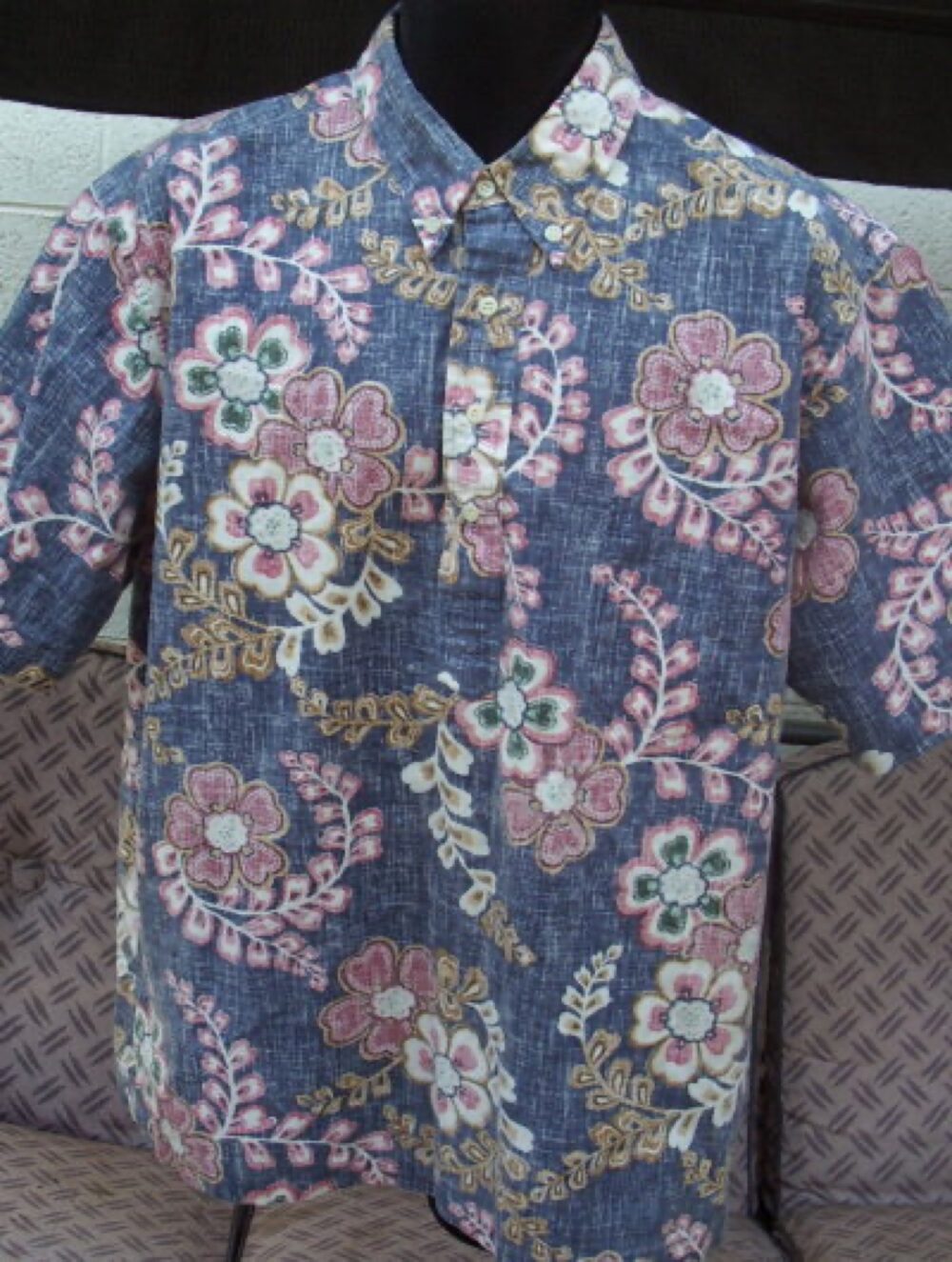
Wholesale Hawaiian shirts means buying aloha-style shirts in bulk for resale or group use. As a small US seller, your real job is to decide which supply type fits your customers, then line up a supplier whose fabric, print quality, MOQ, and total landed cost make sense. That might be a Hawaii-based brand, a custom bulk printer, a vintage grade assortment, or cross‑border marketplaces like DHgate if you’re chasing low MOQs and aggressive pricing.
Below is a practical way to pick the right route and keep your margins intact.
The Wholesale Hawaiian Shirt Market: Styles, Supply Chains, and Use Cases
Hawaiian shirts (aloha shirts) are short-sleeve, collared shirts with tropical prints, typically in cotton or rayon. Wholesale simply means you’re buying them in bulk from a brand, manufacturer, or distributor instead of one-off retail.
From the supply side, you’ll see a few main options:
- Authentic Hawaii-made brands. Many labels based in Hawaii offer dealer or wholesale programs for shops that want “Made in Hawaii” credibility. Industry groups such as KY’S Made in Hawaii highlight that Hawaiian shirts are a core export category, and many local brands sell wholesale packs for resort stores, boutiques, and special events.
- Mainland or online brands with wholesale programs. US-based brands and distributors ship Hawaiian shirts nationwide; some, like High Seas Trading Co., maintain dealer pages for stocking retailers.Source
- Custom bulk and private-label. Vendors such as Custom Aloha Shirts illustrate the custom side of the market: you can submit your own artwork or logo and order bulk runs for corporate events, tour companies, or ecommerce lines.
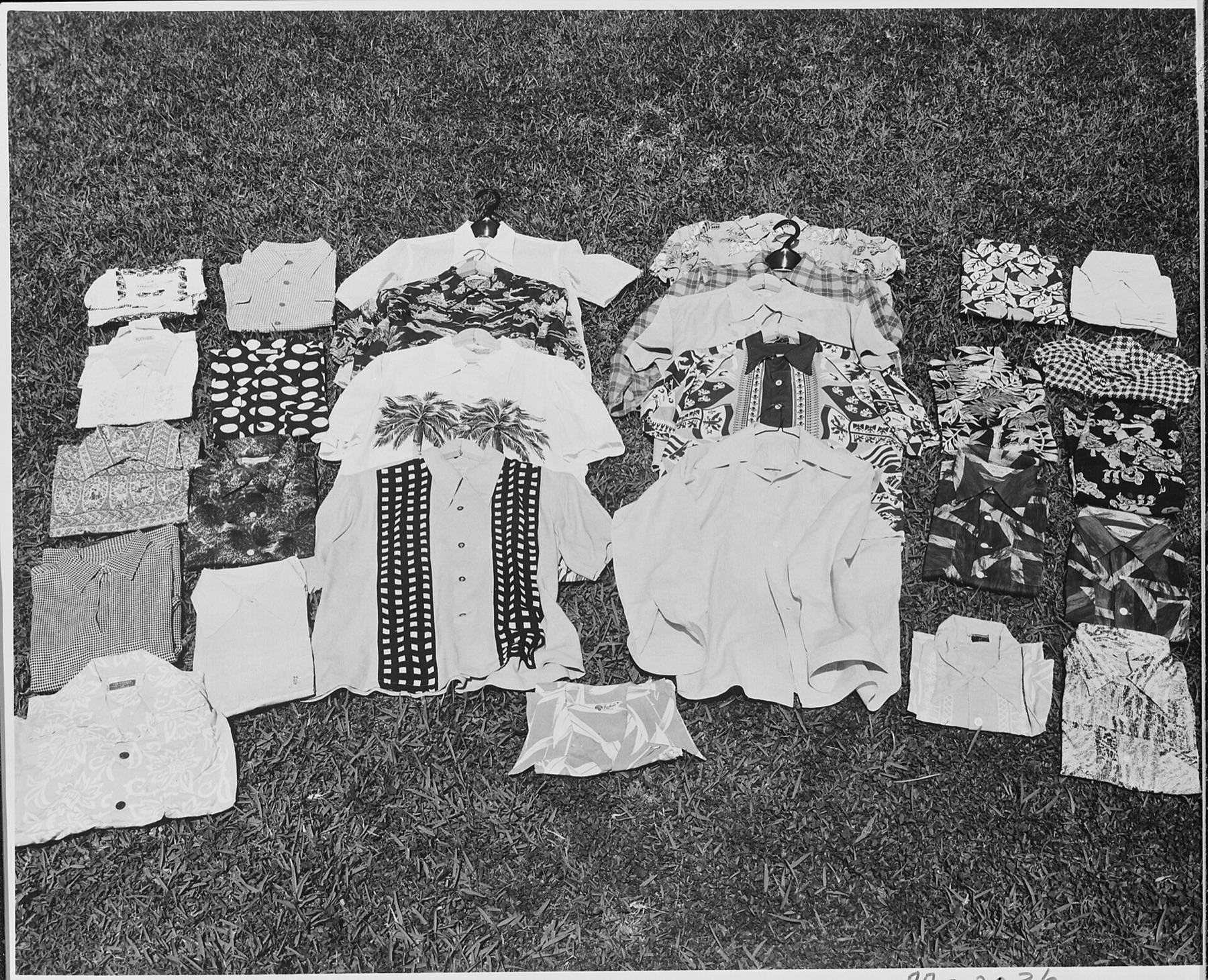
- Vintage and generic assortments. Fashion wholesale and resale platforms sell bulk lots of Hawaiian shirts graded by quality. For example, World Vintage Wholesale offers grade-based assortments where you buy a mixed lot rather than specific SKUs.
- China-based and other cross‑border marketplaces. DHgate describes itself, via its editorial blog, as a B2B marketplace connecting China-based suppliers with global buyers for wholesale consumer goods, including clothing.Source Similar marketplaces exist, but DHgate is notable for emphasizing small MOQs and bulk discounts.
For use cases:
- A resort or tourist shop often wants Hawaii-made, authentic styling, and will lean toward Hawaii-based brands or dealer programs.
- A novelty or fast-fashion ecommerce shop may prioritize cost and variety, making cross‑border marketplaces or generic wholesalers appealing.
- A corporate/event buyer (festivals, wedding parties, bar staff uniforms) may need on-brand prints, which pushes you toward custom bulk vendors or local printers.
- A thrift or vintage reseller might prefer graded vintage lots for one-off, higher-margin pieces.
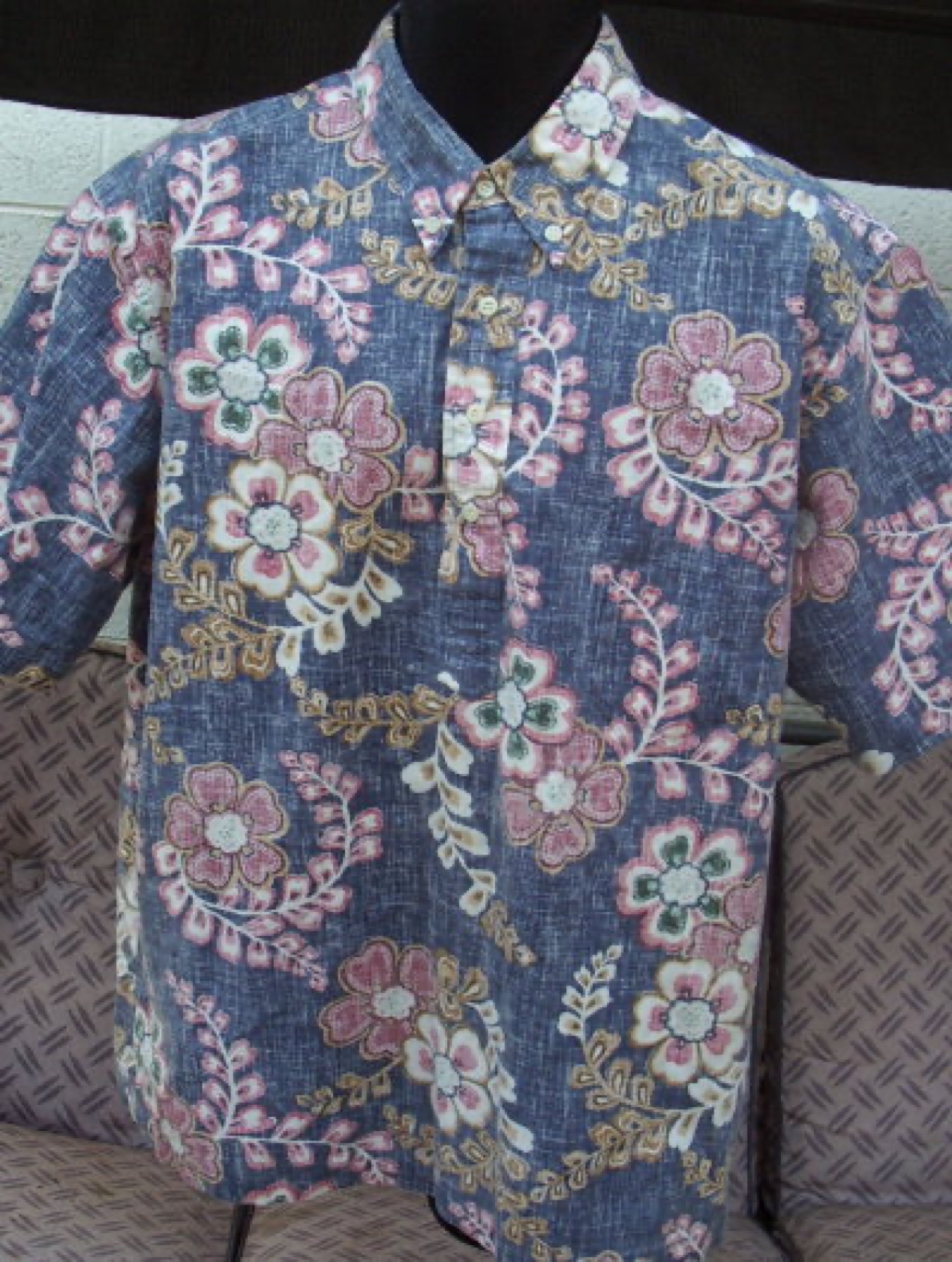
The trick is to match your positioning (“authentic island wear” vs “fun budget party shirts”) to the right supply chain before you start hunting for deals.
Evaluating Hawaiian Shirt Suppliers and Managing MOQ, Quality, and Landed Cost
Once you know which segment you’re in, you need to vet suppliers and do the math. Here’s a compact checklist specific to Hawaiian shirts.
Fabric, print, and construction
Hawaiian shirts live or die on feel and print:
- Fabric type: Ask whether shirts are 100% cotton, rayon, blends, or polyester. Resorts and higher-end boutiques often prefer cotton or rayon; novelty shops might tolerate polyester if prints are sharp.
- Print method: Clarify if prints are screen-printed, digitally printed, or rotary. Screen and rotary generally yield richer colors and better wash longevity.
- Construction details: Check collar structure, button quality, hem finish, and pocket alignment (are prints matched across the pocket?). Request close-up photos for cross‑border suppliers.
A Hawaii-based wholesale page like KY’S Made in Hawaii will often highlight “Made in Hawaii” and fabric details; that level of transparency is a good benchmark when you compare offshore or marketplace sellers.
MOQ and assortment risk
Suppliers will set a minimum order quantity (MOQ) or dollar minimum. For Hawaiian shirts, typical patterns include:
- Fixed shirt count per style (e.g., a run of one print in a size curve)
- Mixed assortments by size and print
- Grade-based lots (vintage) where you don’t control exact designs
Platforms that sell vintage Hawaiian assortments, like World Vintage Wholesale, show how “grade A” lots work: you buy an assortment in a quality band, not a specific SKU range. That carries more style risk but can yield unique inventory.
For a small ecommerce shop, MOQs in the 24-120 unit range can be workable; the danger is jumping straight to several hundred units of an unproven print. Mitigate risk by:
- Negotiating mixed packs across 2-4 designs instead of one
- Starting with the lowest offered MOQ and planning repeat orders if sell-through is strong
Quick landed-cost breakdown
Even for a small run, you should calculate landed cost (your per-shirt cost after everything).
A simple formula:
Landed cost per shirt = (Unit price × quantity + shipping + customs/fees + sample costs) ÷ number of sellable shirts
Scenario example (generic numbers for illustration):
- Unit price from supplier: \$9
- Order quantity: 60 shirts
- Shipping and fees: \$120
- Samples and test prints: \$60
Total cash outlay: \$9 × 60 + \$120 + \$60 = \$720
Landed cost per shirt: \$720 ÷ 60 = \$12
If your realistic retail price is \$35 and you expect 20-30% markdowns or promotions, that \$12 landed cost may be fine. For budget ecommerce where retail is closer to \$24, you’d need a lower landed cost or tighter overhead.
Visual supplier signal checklist
Use this as a quick visual pass on any wholesale or marketplace listing:
| Signal on page | What you’re looking for | Why it matters for Hawaiian shirts |
|---|---|---|
| Clear fabric and composition | “100% cotton,” “rayon,” or blend disclosure | Determines feel, breathability, and price point |
| Origin or brand story | Hawaii-made, US brand, or clearly stated China manufacture | Aligns with your “authentic” vs “budget” branding |
| Print and fit photos | Front, back, close-up of print and seams, size chart | Reduces surprises on pattern scale and fit |
| Wholesale/Dealer info | Dedicated wholesale page or contact, MOQs outlined | Shows they actually plan for resellers |
| Grade/assortment explanation | For vintage lots, clear grade definitions and defect policy | Helps you forecast returns and pricing spread |
If a supplier page looks thinner than this, treat it as a red flag or a sign you should order only a test batch.
DHgate and Other Channels for Wholesale Hawaiian Shirts: When Each Makes Sense
DHgate is one of several online marketplaces that can supply Hawaiian-style shirts to small US sellers. According to DHgate’s editorial blog, the platform positions itself as a China-based B2B marketplace connecting manufacturers and suppliers with buyers worldwide, with the ability to buy in small quantities at wholesale prices.Source The same blog notes that many listings have relatively low MOQs and use tiered pricing, where per-unit costs drop as you buy more.Source
That structure can be attractive if you:
- Want to test tropical shirt prints with small initial orders
- Are comfortable doing extra due diligence on individual sellers
- Read buyer reviews and look at transaction counts
- Confirm fabric composition, sizing, and print methods with the seller
- Request paid samples before committing to a large run
For readers who decide DHgate is worth exploring, you can go deeper on marketplace best practices in these guides:
How DHgate compares to other Hawaiian shirt channels
Here’s a practical comparison for a small US apparel business:
| Channel type | Best for | Typical strengths | Key tradeoffs |
|---|---|---|---|
| Hawaii-based wholesale brands | Resort/tourist shops, “authentic” positioning | Made-in-Hawaii story, classic prints, support | Higher unit cost, MOQs may be larger |
| Custom bulk vendors | Corporate events, private-label ecommerce | Your own artwork, controlled branding | Setup time, higher sampling and design costs |
| Vintage/grade-based lots | Thrift/vintage resellers, curated boutiques | Unique inventory, higher perceived value | Uncertain exact styles, more sorting work |
| DHgate-style marketplaces | Budget fashion ecommerce, party/event resellers | Lower MOQs, many suppliers and designs | Extra vetting, variable quality, cross‑border risk |
If your brand message leans on “Hawaii heritage,” a marketplace shirt made in China will probably not satisfy serious customers. In that case, focus on Hawaii-based wholesales and dealer programs, using sites like KY’S Made in Hawaii as a starting point. For budget party shirts or themed events where cost and speed matter more than provenance, DHgate and similar marketplaces can be in play, provided you build sampling and quality checks into your process.
The safest sequence for a new seller is:
- Start with a small, well-documented supplier (Hawaii-based or custom) to understand fit, fabrics, and sell-through.
- Once you know what your customers respond to, compare landed costs across channels—including DHgate—with realistic MOQs.
- Only then experiment with cross‑border marketplace suppliers for lower-cost lines, using samples and ratings to screen out weak options.
That way, wholesale Hawaiian shirts become an intentional part of your assortment, not just a gamble on cheap prints.