
Wholesale sarongs are pre‑designed wraps you buy in bulk; custom sarongs are made to order with your artwork or branding. For a US boutique, resort shop, or swimwear brand, your choice comes down to how much control you want over design, the minimum order you can realistically handle, and how comfortable you are managing cross‑border production. OEM manufacturers in China and Bali can offer flexible bulk programs, print‑on‑demand platforms let you test designs with almost no inventory, and marketplaces like DHgate add another route to access a wide range of fashion suppliers without going factory‑by‑factory.
How Wholesale and Custom Sarongs Are Made and Sold
In the wholesale market, sarongs are usually sold as finished, pre‑designed pieces. Many are rayon or cotton wraps produced in places such as Bali and wider Indonesia, then distributed by wholesalers and exporters. Retail‑focused sites like AllSarongs describe bulk programs where retailers buy handmade Bali sarongs in assorted prints or solid colors. Similar Indonesian suppliers listed on BatikSarong show how tropical prints, tie‑dye, and batik styles move from local producers into export lots.
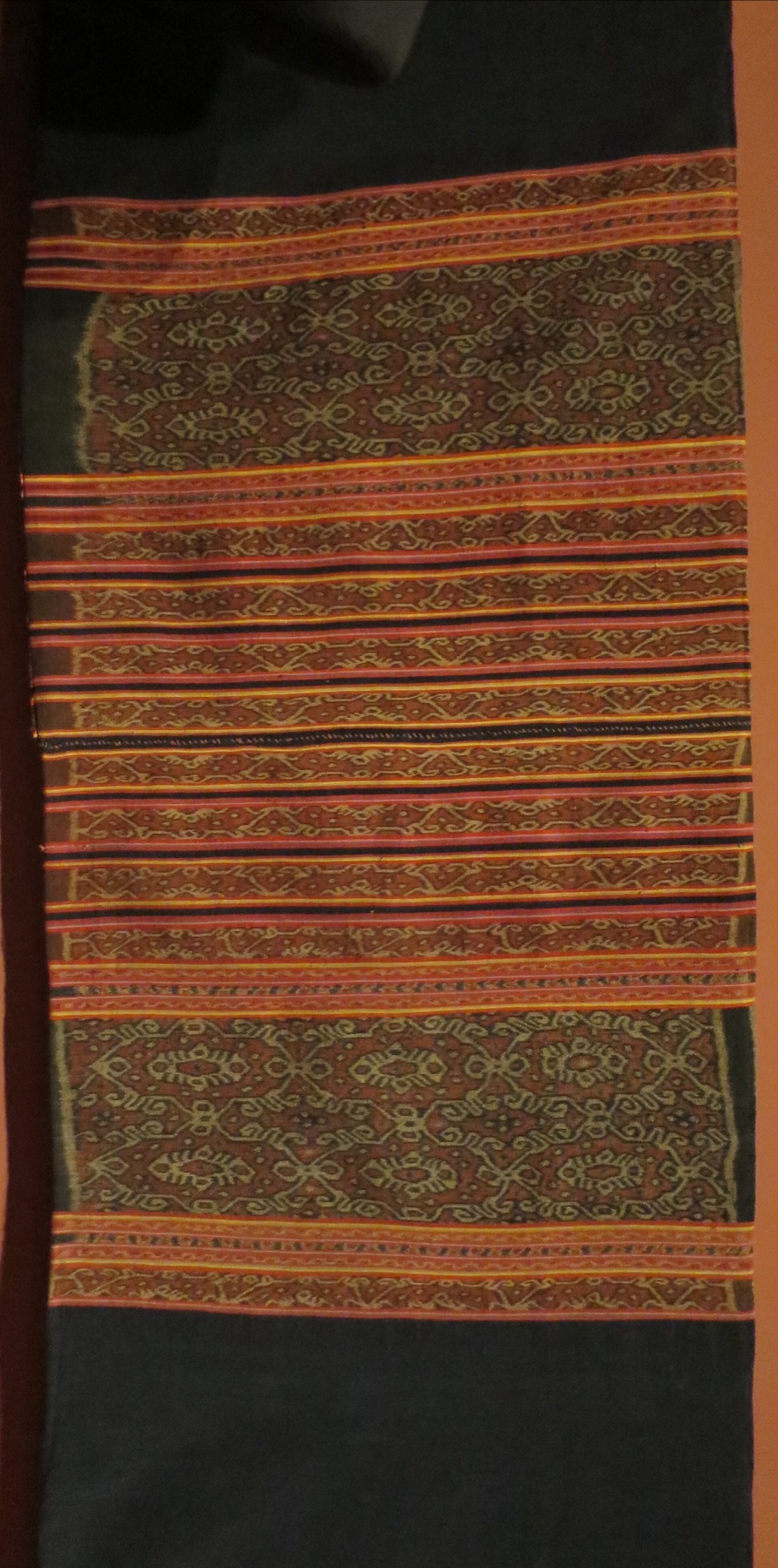
Custom sarongs, by contrast, are treated as a small textile program. You supply the design and the supplier handles printing and sewing. On the custom page at AllSarongs, buyers can apply their own artwork or branding to Bali‑made sarongs, which is typical of specialty makers in Indonesia. China‑based OEM manufacturers such as SarongOEM position themselves around factory‑direct pricing, flexible minimums, and both OEM (your design) and ODM (their design) support for beach wraps and pareos.
Print‑on‑demand (POD) platforms like PrintKK add a third model: you upload designs into a catalog, they print and ship sarongs as orders come in. You avoid holding inventory, but pay higher unit costs and trade some control over fabric and finishing for convenience.
Choosing and Vetting Sarong Suppliers Across Channels
For a small US business, the main decision isn’t “Bali vs China,” it’s which supply channel fits your volume, risk tolerance, and branding goals. These are the four practical options you’ll actually run into:
1. OEM manufacturers (China, Indonesia)
Factory‑oriented brands such as SarongOEM and some suppliers listed on Swimtix’s sarong manufacturer directory target buyers who want custom or semi‑custom programs with factory‑direct pricing and flexible MOQs.
What to check specifically:
- Ask for photos of past sarong jobs, not just generic apparel.
- Confirm they understand your target market (resort shop vs mass ecommerce) and can suggest suitable weights and sizes.
- Request a pre‑production sample with your artwork before committing to a bulk run.
Red flags: vague answers on print quality, unwillingness to sample, or no examples of prior sarong or pareo work.
2. Niche wholesale distributors
US‑friendly distributors like Peaceful People and AllSarongs focus on pre‑designed sarongs rather than full custom OEM. They’re useful if you mainly want variety and dependable reorders rather than unique branding.
Vetting moves that actually matter:
- Review their online catalog for style depth in your niche (tropical, boho, solid spa colors).
- Ask how often prints change and how long a design usually stays in stock; this affects repeat orders.
- Clarify whether they import from Bali/Indonesia or produce elsewhere, since that influences style and lead times.
These wholesalers often work well for resort shops that just need a colorful, reliable rack of beach cover‑ups without managing overseas artwork and sampling.
3. Print‑on‑demand (POD) sarongs
Platforms like PrintKK let you design sarongs and sell them online without buying inventory up front. You upload designs, list them in your store, and the POD partner produces each piece as it sells.
Channel‑specific checks:
- Inspect sample prints for sharpness and color consistency across multiple units.
- Read fabric descriptions carefully; POD sarongs may use lighter or more synthetic blends than resort‑grade wraps.
- Compare base costs and shipping to your average selling price to avoid eroding margin.
This route is ideal for online‑only brands testing dozens of SKUs or influencer collaborations where designs may change quickly.
4. Marketplaces (including DHgate)
Instead of hunting factory sites one by one, you can search multi‑seller marketplaces. DHgate is positioned as a global online wholesale marketplace connecting buyers with Chinese suppliers, with a wide range of fashion products and competitive pricing described in its own editorial fashion overview. Other platforms work similarly.
Marketplace‑specific vetting focuses on the listing level:
- Compare multiple sellers’ sarong listings for fabric descriptions, photos, and any customization mention.
- Use ratings and buyer comments to spot patterns about print quality or color differences from photos.
- Message the seller to confirm whether designs are fixed stock or can be customized for a bulk run.
If you want factory‑style pricing but aren’t ready to approach OEMs directly, a marketplace can be a middle step—as long as you treat each seller as its own business to evaluate.
MOQs, Customization, Costs and Where Marketplaces Fit
Minimum order quantity (MOQ), customization depth, and cost structure vary sharply between channels. You’ll usually trade higher unit costs for flexibility, or lower unit costs for volume and lead‑time commitment.
Here’s a compact way to compare the main routes:
| Channel type | Typical MOQ feel* | Customization depth | Inventory model |
|---|---|---|---|
| OEM manufacturer | More flexible but bulk | Full print + sizing, OEM/ODM | You hold bulk inventory |
| Niche wholesaler | Carton/case style bulk | Pre‑designed only, limited variants | You hold assorted inventory |
| POD platform (e.g. PrintKK) | Very low per design | Print only on preset formats | No stock; produced per order |
| Marketplace seller (e.g. DHgate suppliers) | Varies by seller | Ranges from stock only to semi‑custom | You hold inventory for wholesale |
*”Typical” here is editorial judgment based on how these channels present themselves; exact numbers depend on the individual supplier.
OEM factories such as SarongOEM explicitly market “flexible” MOQs and factory‑direct pricing, which can be attractive once you’re ready to commit to a branded line. You’ll pay less per unit than POD, but accept higher total spend, more logistics, and a real sampling and approval process.
Specialist wholesalers like Peaceful People or Bali‑focused exporters on AllSarongs typically expect you to buy in assortments of existing designs. Unit cost is lower than custom work; your trade‑off is that another shop can stock the same print.
POD services such as PrintKK keep MOQs minimal—often one piece per design for test orders—while making you pay in unit margins. That’s a reasonable price for a new ecommerce brand proving demand or a designer experimenting with patterns.
Marketplaces like DHgate sit between these worlds. Because it’s a marketplace, not a single manufacturer, MOQs, pricing, and customization possibilities are seller‑specific. If you’re shopping sarongs there, you’d:
- Search for beach wraps or sarongs, then filter to suppliers that mention OEM/ODM or custom printing.
- Treat listing MOQs as the starting point for negotiation, especially if your design is simple.
- Order samples from the short‑listed sellers before committing to a bulk deal.
If you want DHgate to play a role in your sourcing, pair this article with practical platform‑specific guides on our site, such as how to find wholesale suppliers on DHgate, how to find DHgate suppliers, and how to choose a DHgate wholesale supplier. If your priority is artisan Bali production or branded resort textiles with tight design control, you may instead lean toward direct OEM partners and niche wholesalers and use marketplaces only as a secondary experiment.